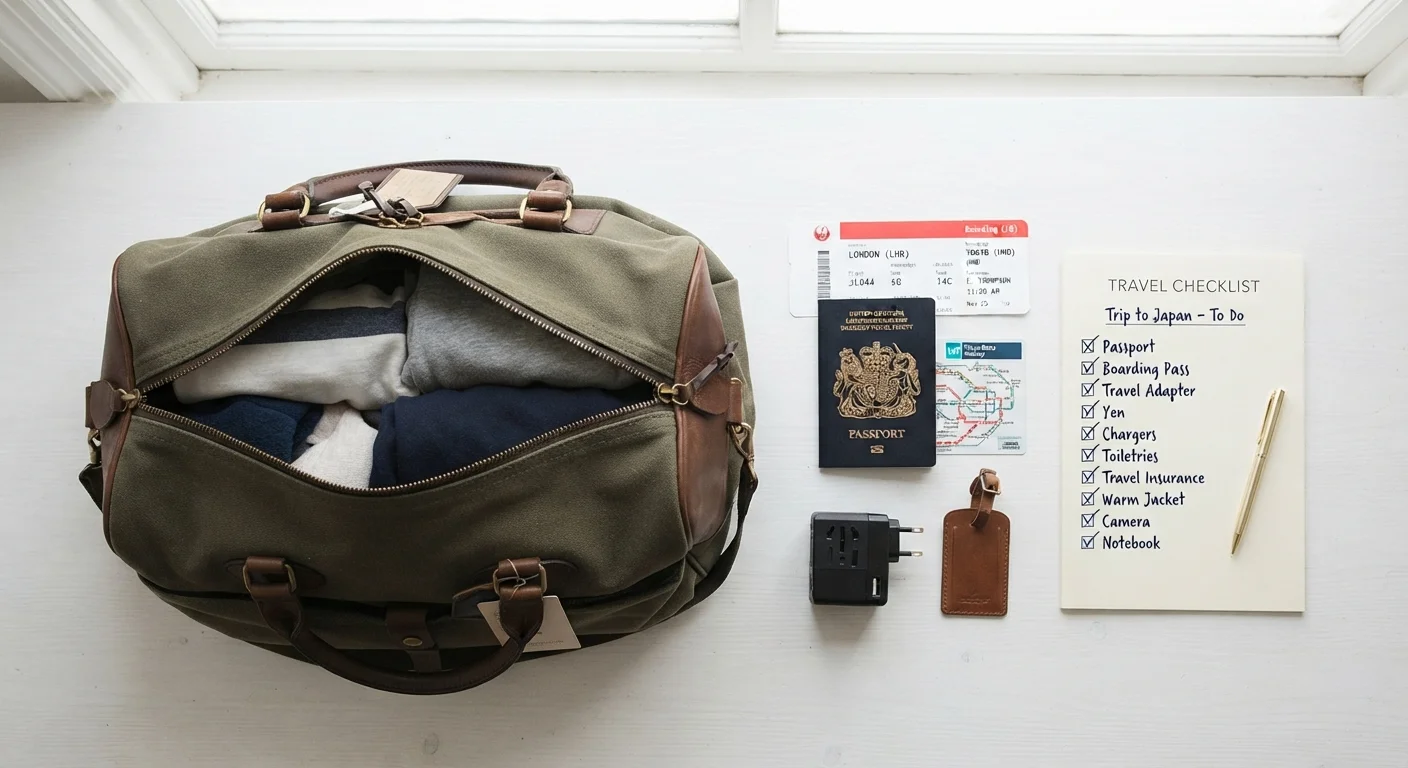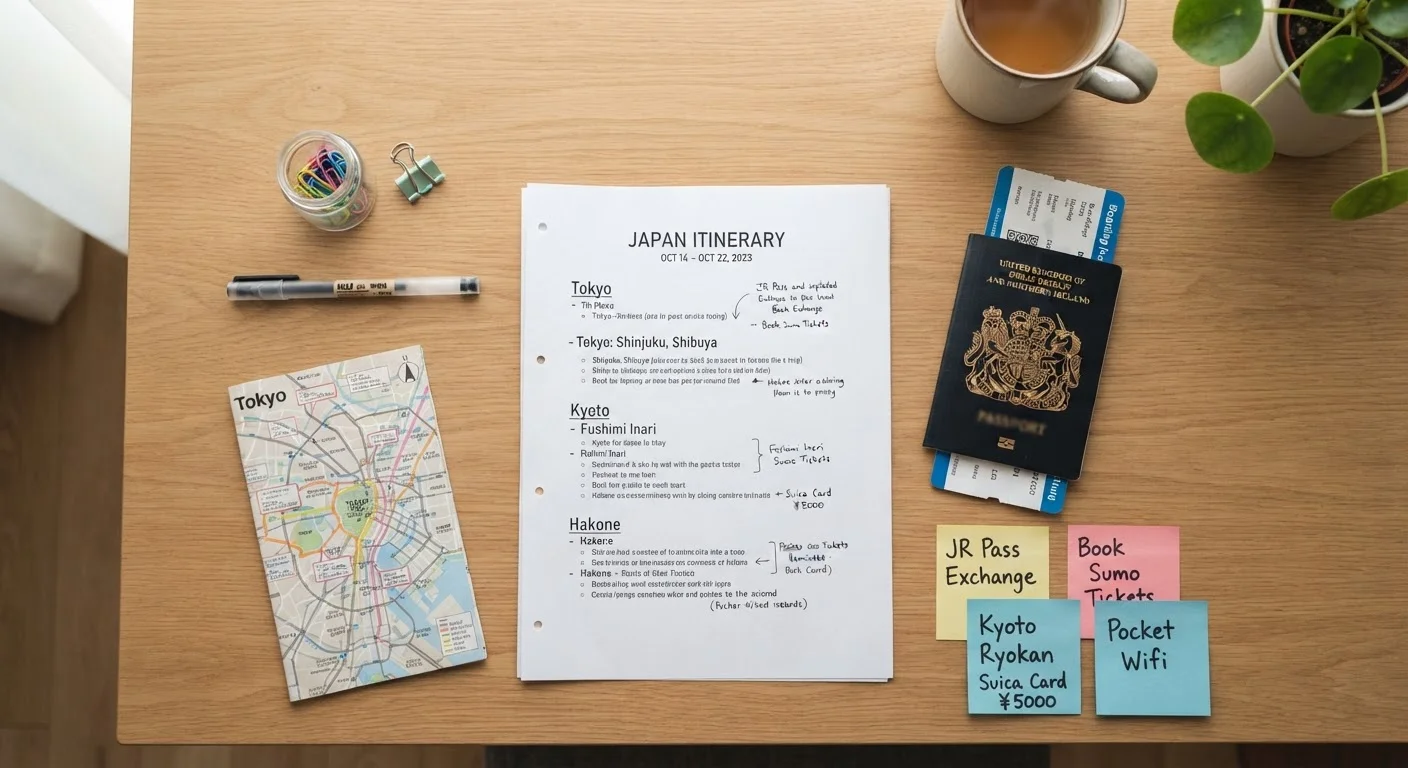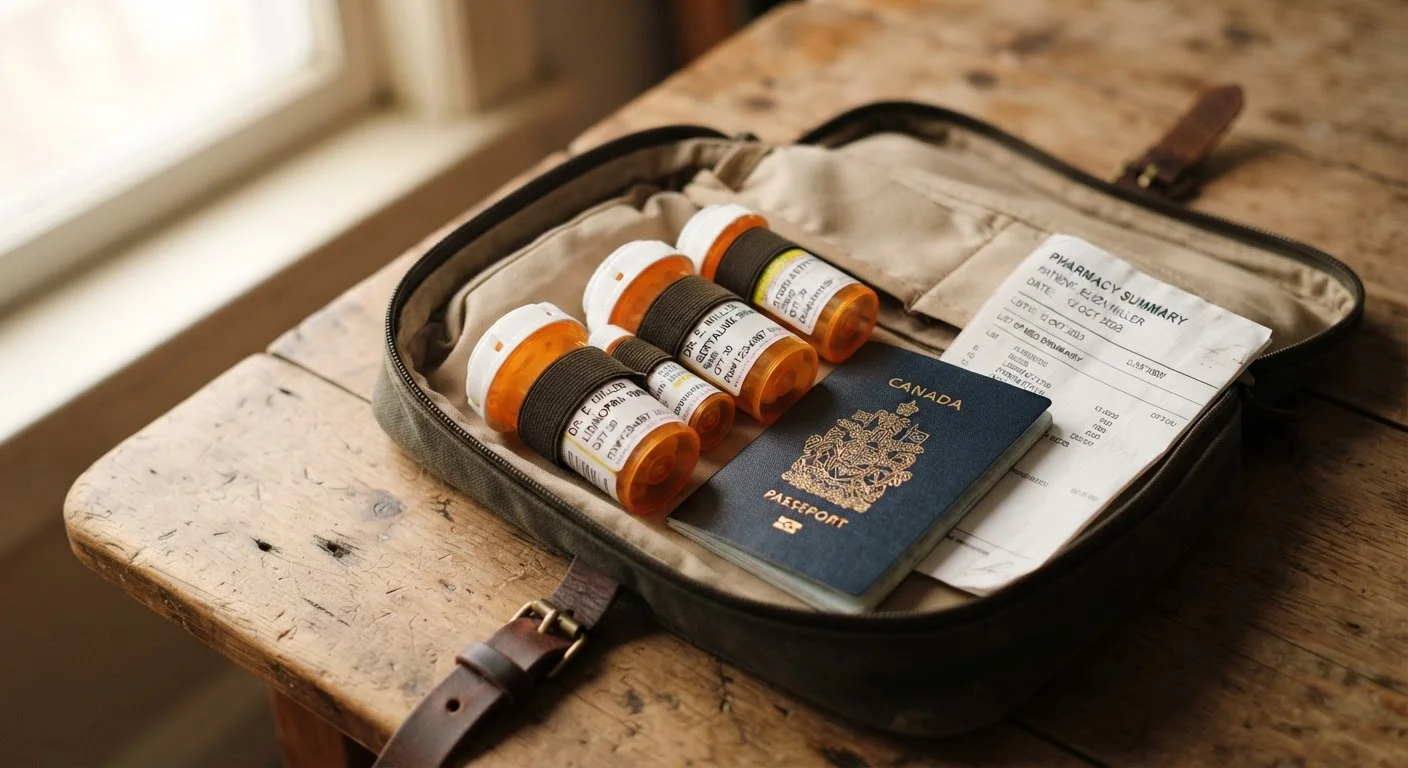


Why a Travel Emergency Plan Matters
Most travel disruptions are minor-a delayed flight, a lost bag, a missed connection. But some situations escalate quickly: a medical emergency in a country where you don't speak the language, civil unrest near your hotel, a stolen wallet with every card you have. The difference between a manageable crisis and a chaotic one often comes down to preparation completed before departure.
An emergency plan isn't pessimism-it's the same logic behind having car insurance or a smoke detector. You're not expecting disaster; you're reducing the cost if it happens. This guide walks you through building a practical, portable plan that covers your most likely risk scenarios without overcomplicating the process.
For a broader look at pre-trip logistics, see our pre-departure checklist and the anatomy of a travel itinerary.
What you will need
Step-by-Step: Building Your Plan
Work through these steps in order. Most can be completed in a single focused session; a few require a brief follow-up. Budget between 45 minutes and two hours total depending on how much documentation you need to gather.
Build a single-page emergency reference sheet
Create one document-digital and printed-containing: your travel insurance provider's 24-hour claims number, your policy number, the nearest U.S. embassy or consulate address and phone number for each country you'll visit, emergency contacts at home (name, relationship, two phone numbers), your blood type and any critical medical conditions, and your bank's international collect line.
Keep the printed copy in your travel wallet. Store the digital version in cloud storage you can access from any device, and email it to yourself and your home contact.
Register with the State Department's STEP program
The Smart Traveler Enrollment Program (STEP) is a free service run by the U.S. Department of State. Enrolling allows the nearest embassy to contact you in an emergency, share security alerts specific to your destination, and assist your family in reaching you if communication is disrupted.
Registration takes about five minutes at travel.state.gov. Enter each country and the travel dates you plan to be there.
Photograph and back up all critical documents
Photograph the photo page of your passport, your visa, travel insurance card, driver's license, and any other identity documents. Upload these to a secure cloud folder and share access with your home contact. Also carry one photocopy of your passport stored separately from the original-for example, in checked luggage if the original is in your carry-on.
Understand your travel insurance claims process
Read your policy's claims section-not just the coverage summary. Note what documentation is required for medical claims (hospital receipts, physician reports), how quickly you must report an incident, and whether the policy requires pre-authorization for non-emergency treatment. Some policies require you to call a hotline before seeking care for it to be covered.
For context on budgeting for unexpected costs, see our pre-trip budget checklist.
Establish a communication plan with a home contact
Designate one person at home as your emergency point of contact. Share your full itinerary, your emergency reference sheet, and a check-in schedule. Agree on what action they should take if you miss a check-in-for example, after 24 hours with no contact, they call your insurer or the embassy.
If you'll be in areas with unreliable internet, agree on an alternative contact method such as SMS or a messaging app that works on limited data.
Pack a basic first aid kit and know what's in it
A compact travel first aid kit addresses minor injuries and illness without requiring a pharmacy run in an unfamiliar place. At minimum: adhesive bandages, antiseptic wipes, pain reliever, antidiarrheal medication, rehydration sachets, and any destination-specific items your physician recommends. Review the contents and know what each item is for.
For detailed guidance on kit contents, see our article on what goes in a travel first aid kit.
Documents, Health, and Financial Backup
Document and financial redundancy are the backbone of any emergency plan. At minimum, carry one backup payment method that is separate from your primary wallet-ideally a card from a different bank stored in your luggage, not your pocket. Notify your bank of travel dates so legitimate transactions aren't frozen at the worst possible moment.
On the health side, travelers on prescription medications face specific risks at borders and in foreign pharmacies. Review our guide on traveling with prescription medication before finalizing your plan. For broader health prep, the pre-trip health prep checklist covers vaccinations, records, and more.
Don't Rely Solely on Digital Copies
Cloud access can fail when you need it most-during power outages, network disruptions, or if your device is stolen. Always carry at least one physical backup of your most critical documents and your emergency reference sheet. A laminated card tucked into your money belt is a simple, reliable fallback.
If your trip involves any meaningful financial risk-flights, accommodation, tours-consider reviewing your emergency fund position. Our saving and emergency funds hub offers practical context on maintaining a financial cushion for unexpected setbacks.
Staying Connected and Informed on the Road
An emergency plan only works if you can execute it. That means reliable communication access, offline backups of critical information, and a trusted person at home who knows your itinerary and how to reach you.
Share your full travel itinerary with at least one person at home-including accommodation addresses, flight numbers, and check-in dates. Agree on a check-in schedule so they know when to be concerned if they don't hear from you.
For digital safety-protecting accounts and data if a device is lost or stolen-see our guide on digital security while traveling. And if you're evaluating safety apps, our breakdown of practical situations where travel safety apps help clarifies which features are genuinely useful versus gimmicks.
Finally, knowing how to access medical care abroad is part of the plan-not an afterthought. Review our overview of navigating medical care abroad so you're not starting from zero during a stressful moment.
This article provides general travel preparation information only. For destination-specific safety advisories, entry requirements, and emergency protocols, verify current guidance with the U.S. Department of State and other official government sources before you travel.