
What Carry-On-Only Travel Actually Means
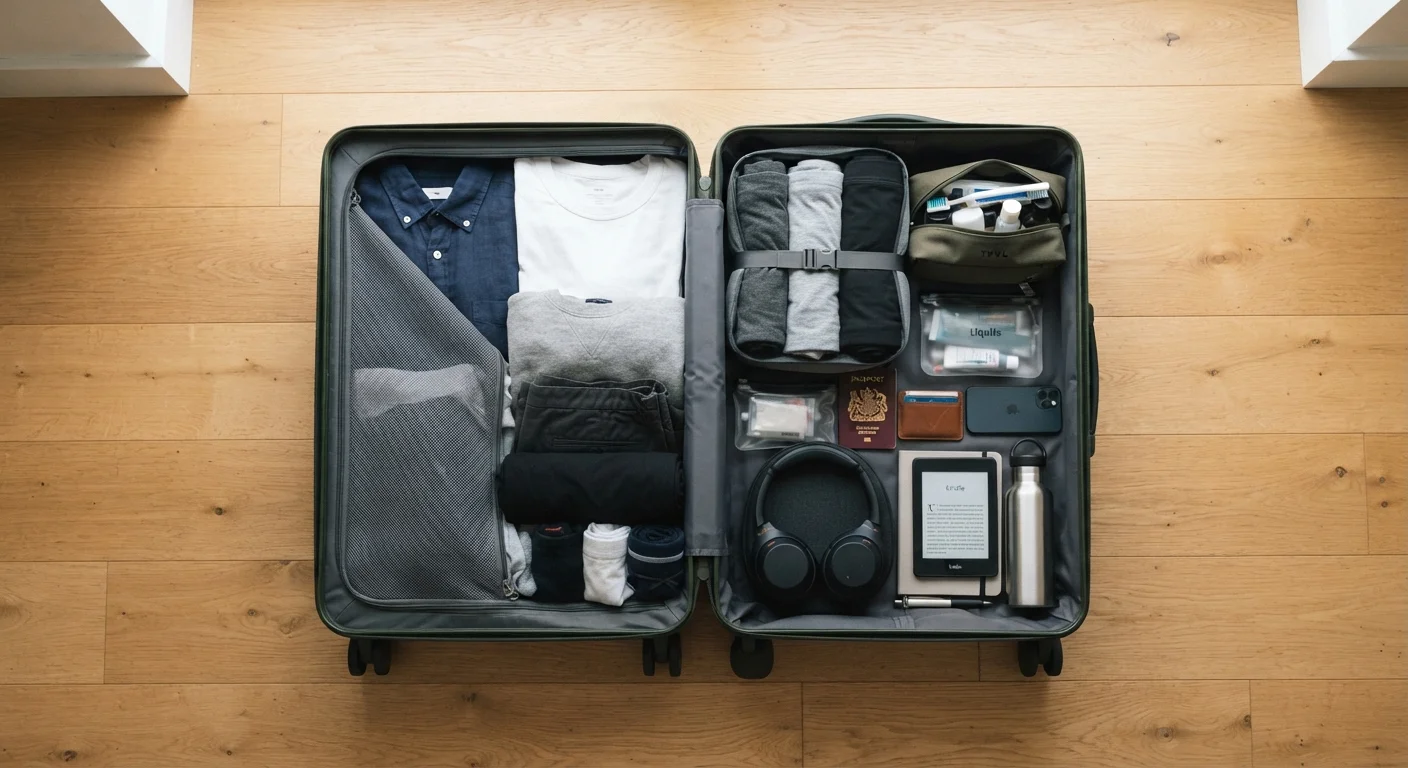
Carry-on-only travel means boarding a flight with no checked luggage - everything you bring fits in the overhead bin or under the seat in front of you. For many travelers, this is less about minimalism as a lifestyle and more about a straightforward cost-and-time calculation.
The practical ceiling for most US domestic airlines is a carry-on bag (typically around 22 x 14 x 9 inches) plus a personal item like a backpack or tote. International carriers and budget airlines often impose stricter limits - both on dimensions and weight. Checking your specific airline's policy before you pack isn't optional; it's the foundation the whole approach rests on.
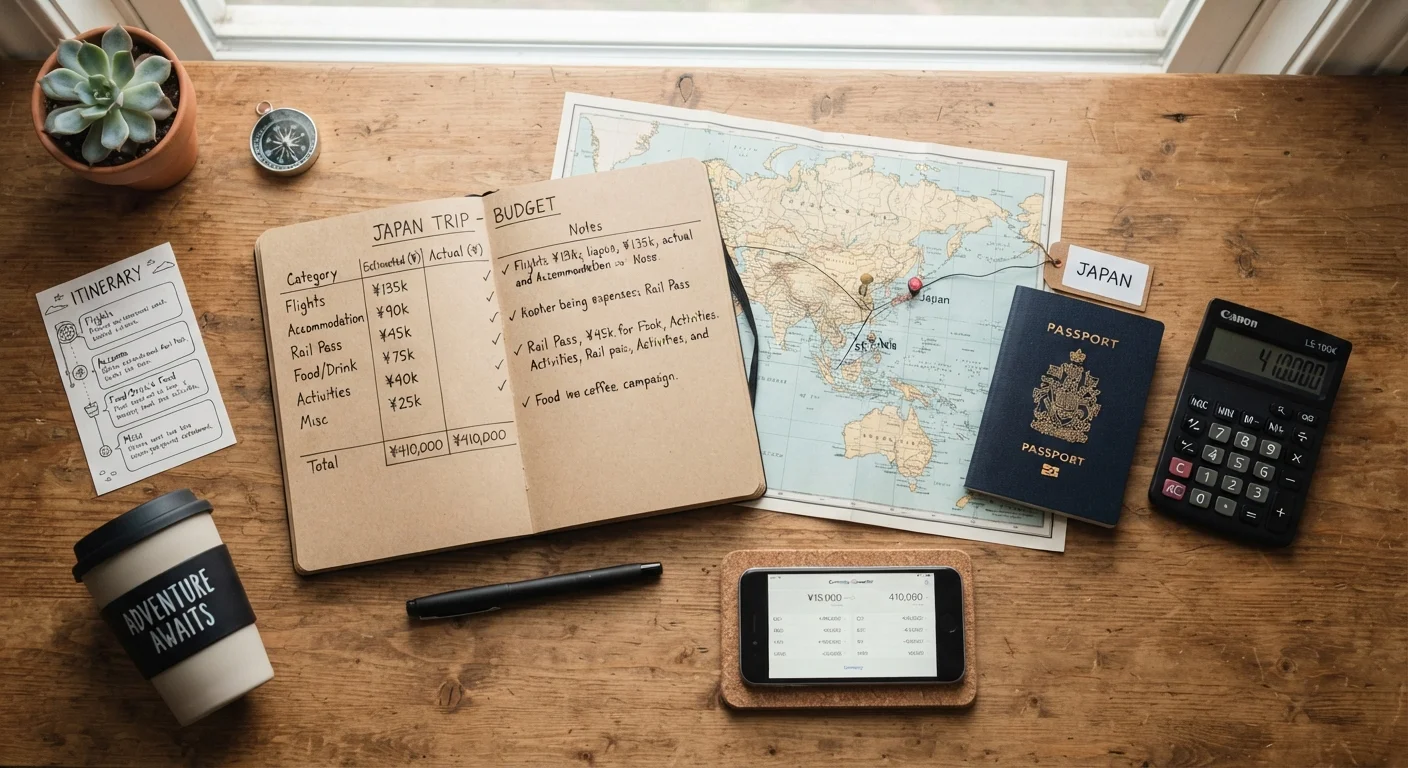
What this strategy demands: realistic trip planning, knowledge of TSA liquid rules (3.4 oz containers in a single quart-sized bag), and willingness to wear or re-wear clothing. What it doesn't require is expensive gear or extreme sacrifice - just a clear-eyed look at what you actually need versus what you habitually pack. If you're starting from scratch on budget travel planning, our step-by-step walkthrough covers how to structure decisions like this before you spend anything.
The Advantages: Why Travelers Stick With It
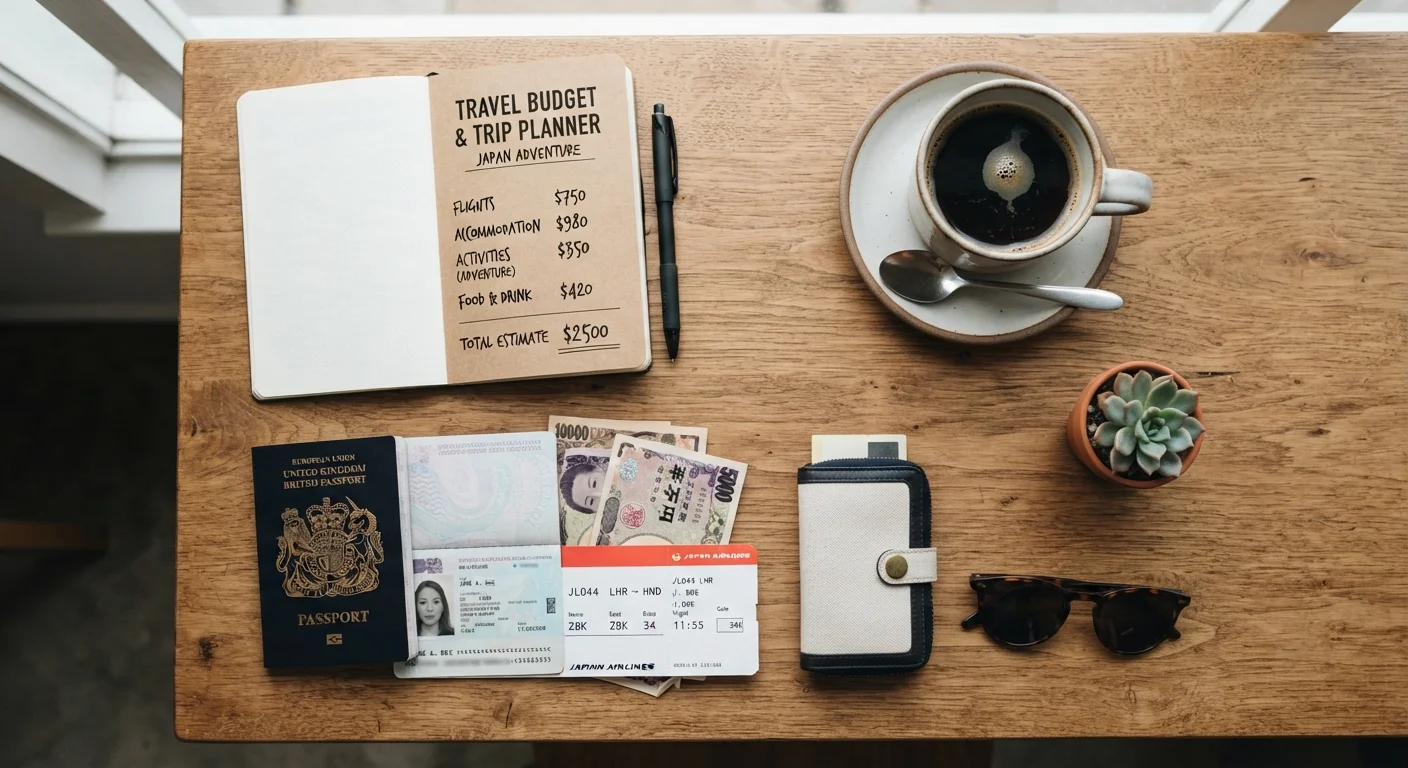
The financial case is straightforward. Budget carriers can charge $35-$80 or more per checked bag each way. On a round trip for two people, that's potentially several hundred dollars - costs that rarely appear prominently in the advertised fare. Our piece on overlooked travel costs covers exactly how these fees quietly inflate trip budgets.
Eliminates checked bag fees on every flight
Budget carriers commonly charge $35-$80 per checked bag per direction. Over multiple flights or a trip with two travelers, avoiding these fees can represent a meaningful portion of the total travel budget.
Faster airport experience from check-in to exit
Skipping bag drop lines on departure and baggage claim on arrival can save 30-60 minutes per flight. On multi-leg trips, this adds up to hours over a full journey.
Zero risk of airline losing or delaying your luggage
Checked bags are occasionally misrouted, delayed, or damaged. Keeping everything in the cabin eliminates this risk entirely and the disruption that comes with it.
Greater flexibility for last-minute itinerary changes
Without checked bags, switching flights, rebooking same-day, or moving between cities is logistically simpler - no waiting for bags to be transferred or reclaimed.
Simpler overall travel day with less to manage
Fewer pieces of luggage mean fewer items to track, secure, and move between transit hubs, taxis, and accommodations - reducing mental load on travel days.
Beyond money, the time savings compound quickly. No waiting at bag drop, no 20-minute baggage claim wait on arrival, and no anxiety about delayed or lost luggage. On a multi-city itinerary or a trip with tight connections, this matters considerably. There's also a cognitive benefit that's harder to quantify: fewer things to track, fewer things to lose, and a simpler overall travel day.
The Disadvantages: Where the Strategy Breaks Down
Carry-on-only travel isn't a universal solution - certain trip types expose its limits quickly.
Strict size and weight limits vary by airline
What passes on one carrier may be gate-checked on another. Budget airlines in particular enforce carry-on dimensions rigorously, and being over-size at the gate can mean paying premium last-minute fees.
TSA liquid restrictions limit toiletry options
All liquids, gels, and aerosols must be in containers of 3.4 oz or less, fitting in a single quart-sized bag. This complicates skincare routines, medications in liquid form, and specialty products.
Cold-weather or formal trips are genuinely difficult
A heavy winter coat, boots, and a suit or formal dress can easily consume the full capacity of a carry-on before a single other item is added. These trip types strongly favor checked luggage.
Overhead bin access is not guaranteed
On full flights, boarding late means bins may be full, and bags may be gate-checked anyway. Priority boarding - sometimes an added fee - helps but doesn't eliminate this risk entirely.
Requires significant upfront planning and discipline
Packing carry-on-only successfully demands deliberate outfit planning, knowledge of laundry options at the destination, and willingness to forgo items that feel like necessities but aren't.
Not practical for trips requiring specialty gear
Hiking equipment, camera gear, sports equipment, or medical devices may not fit in a carry-on or may be prohibited in the cabin, making checked luggage unavoidable for certain trip types.
Overhead bin space is also not guaranteed. On full flights, gate agents frequently ask passengers to check carry-on bags at no charge, but this defeats the purpose if you're carrying items you need in-flight or connecting. On budget airlines, boarding group order determines bin access, and later groups can be left with limited space.
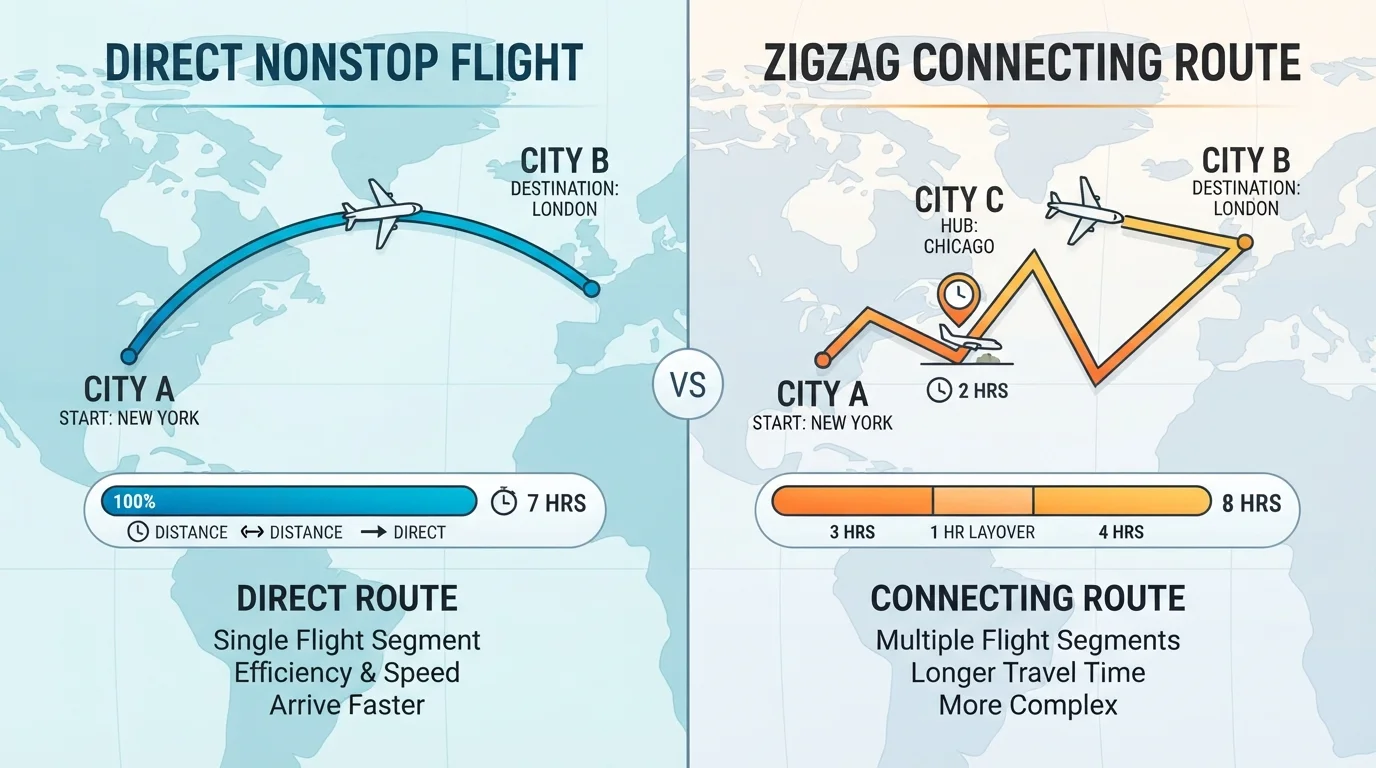
It's also worth noting that if something goes wrong - a bag gets gate-checked or you need to add a checked bag last-minute - airport counter fees are often significantly higher than fees paid in advance online. See our guide on direct vs. connecting flight trade-offs for context on how flight structure affects these risks.
The Trips Where It Works - and Where It Doesn't
Carry-on-only travel performs best on trips of one to two weeks in warm or temperate climates, where lightweight clothing layers work, laundry access is reasonable, and the itinerary doesn't require formal attire. City breaks, beach trips, and business travel with a consistent wardrobe are natural fits.
Laundry Access Changes the Math Significantly
Carry-on-only for a two-week trip becomes far more feasible if your accommodations offer laundry access - either in-room, on-site, or at a nearby laundromat. Many hotels and hostels provide laundry services, and portable travel detergent sheets take up almost no space. If laundry access is uncertain, build in a buffer of extra clothing days rather than assuming you'll find a solution on arrival.
It struggles most on winter trips requiring heavy coats and boots, multi-week journeys without reliable laundry access, destination weddings or formal events requiring specific clothing, and any trip involving outdoor gear like hiking equipment or sporting goods. Families traveling with young children face additional complexity - the volume of supplies required for infants and toddlers rarely fits a single carry-on strategy.
Before committing, run through a pre-departure checklist that accounts for everything you'll need - including documents, medications, and valuables that must stay with you regardless of luggage strategy.
$35-$80+
Typical checked bag fee per direction
Fees vary by carrier and route; budget airlines often charge at the higher end, with fees paid at the airport counter typically exceeding advance online rates.
~6%
Rate of mishandled bags per 100 passengers
According to the U.S. Department of Transportation's Air Travel Consumer Reports, mishandled baggage rates - including delays and damage - have historically run in this range industry-wide, though figures fluctuate year to year.
Making the Decision for Your Trip
The honest answer is that carry-on-only travel is worth it for many travelers on many trips - but only when the planning genuinely supports it. The mistake most people make is deciding to go carry-on-only first and then trying to make the packing fit, rather than evaluating whether the trip type actually allows it.
A useful mental test: list every activity on your itinerary, every environment you'll be in, and every social obligation you'll have. Then ask whether the contents of a single carry-on can cover all of it without the trip feeling compromised. If the answer is yes with realistic planning, the savings in fees and time are real and meaningful. If the answer requires cutting things that genuinely matter to your trip, checked luggage may simply be the right call - and that's a legitimate travel decision, not a failure of discipline.
It's also worth factoring luggage strategy into your travel insurance considerations. Bags that are gate-checked or delayed carry different risk profiles than bags that never leave your hands - something our overview of what travel insurance actually covers addresses in more detail.