
The Case for Doing Some Maintenance Yourself
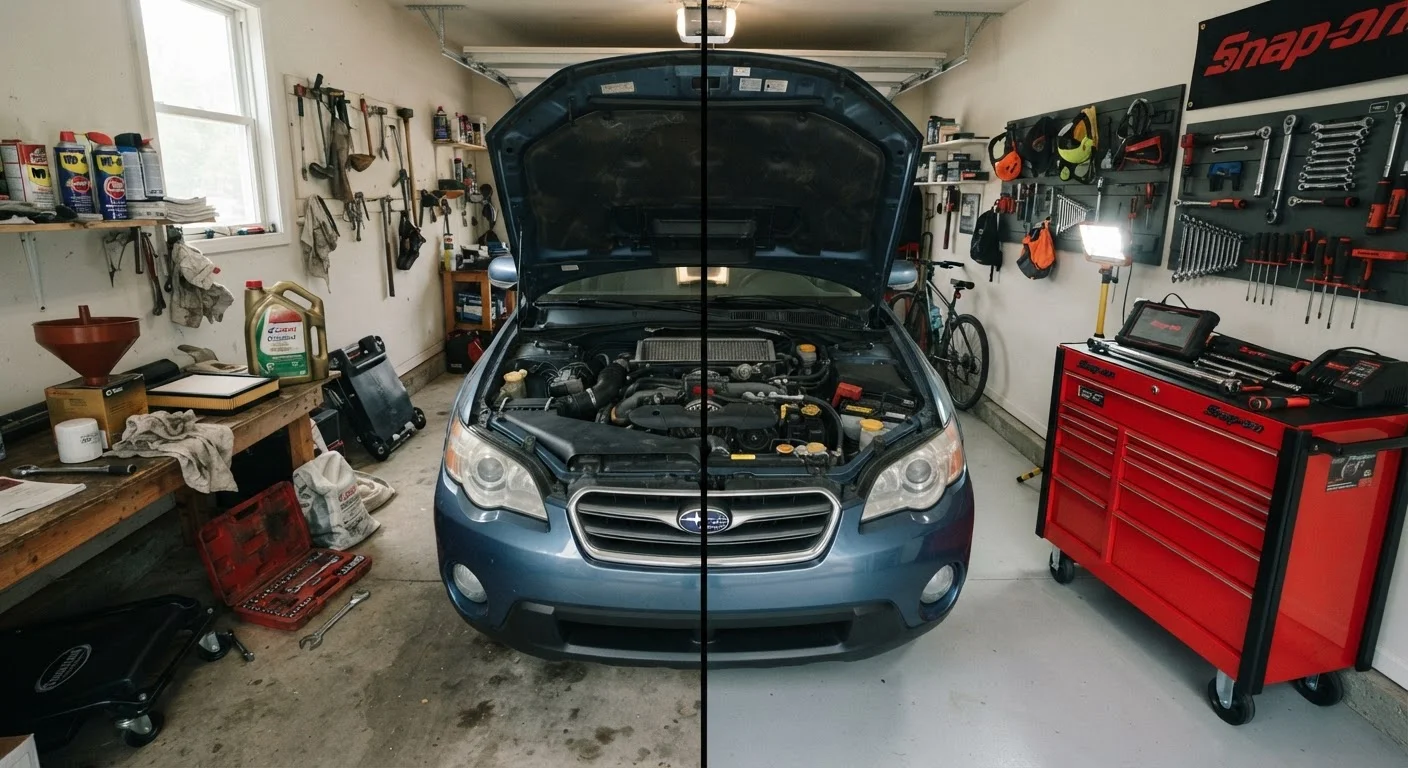
Labor charges at repair shops typically account for 50-70% of a service invoice. For straightforward jobs that require no specialized equipment and carry minimal safety risk, paying that premium is hard to justify. The goal isn't to become a home mechanic - it's to recognize the small subset of tasks where a little know-how yields real savings with negligible downside.
Before picking up a wrench, two things matter most: a reliable vehicle-specific repair manual (or a reputable online resource for your exact make, model, and year) and an honest assessment of your comfort level. Mistakes on low-stakes jobs are inconvenient; mistakes on high-stakes jobs can be dangerous or expensive. Always work on a level surface, use proper jack stands if lifting the vehicle, and dispose of fluids according to local regulations.
For a broader picture of what each scheduled service involves, see our manufacturer service schedule guide.
Start With Your Owner's Manual
Your vehicle's owner's manual lists every fluid specification, filter part number, and torque value relevant to your car. Before purchasing any part or starting any job, cross-reference the manual - generic advice online may not match your specific drivetrain or model year. Many automakers also make digital versions freely available on their websites.
Tasks Most Drivers Can Handle at Home
The following jobs are widely considered accessible to non-professionals because they involve no safety-critical systems, require only basic tools, and have clear pass/fail checks:
- Engine air filter replacement: Typically held by clips or a few screws. Swapping a clogged filter for a new one takes under 10 minutes and visibly improves airflow. Consult your owner's manual for the correct part specification.
- Cabin air filter replacement: Usually located behind the glove box or under the dashboard. No tools required on most vehicles. A dirty cabin filter reduces HVAC efficiency and air quality inside the car.
- Wiper blade replacement: Manufacturers design wiper attachment points for consumer replacement. Most blades click on and off without tools.
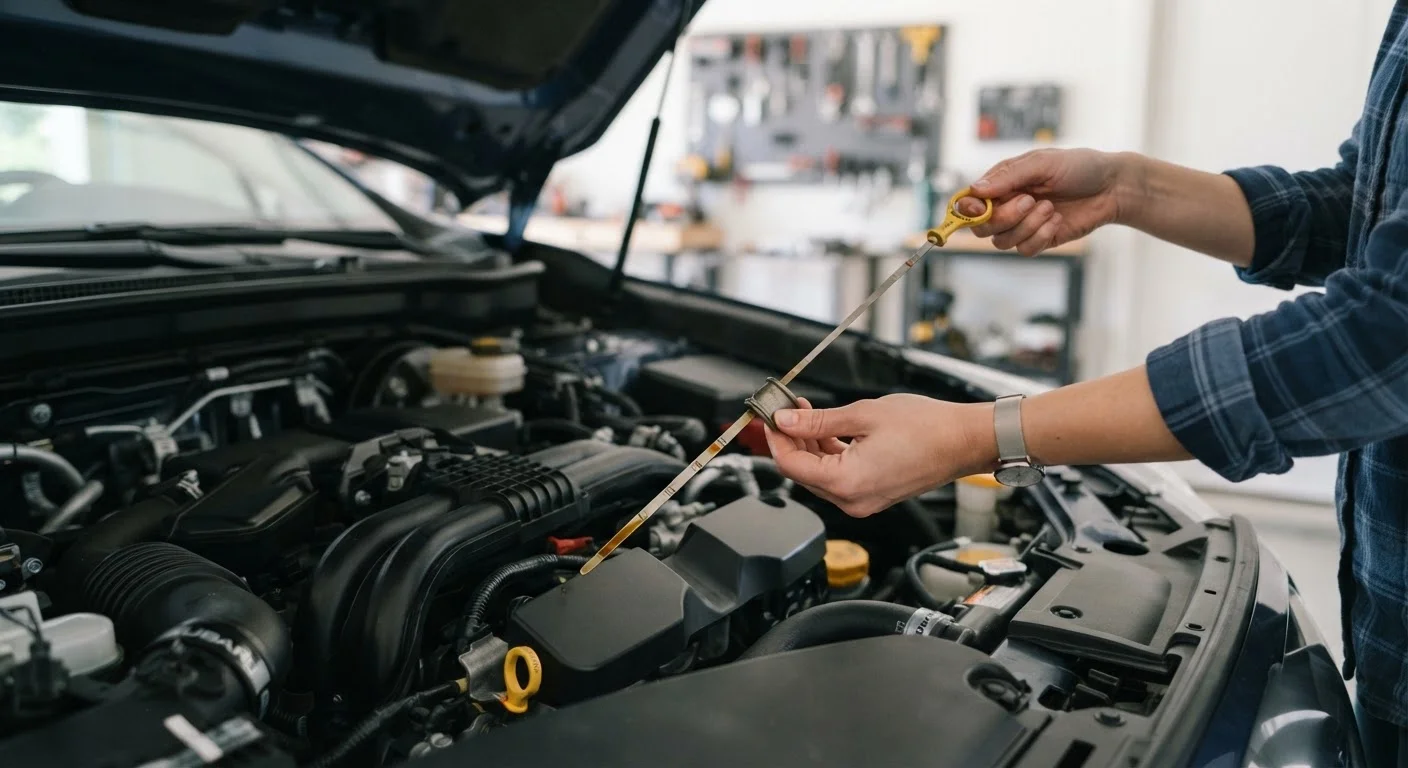
- Checking and topping off fluids: Engine oil, coolant, windshield washer fluid, and power steering fluid (where applicable) all have clearly marked reservoirs. Our guide to fluid checks walks through each one in detail.
- Battery terminal cleaning: Corrosion on terminals can cause starting problems. Disconnecting the battery, cleaning terminals with a wire brush and a baking soda solution, and reconnecting is straightforward - but always disconnect the negative terminal first.
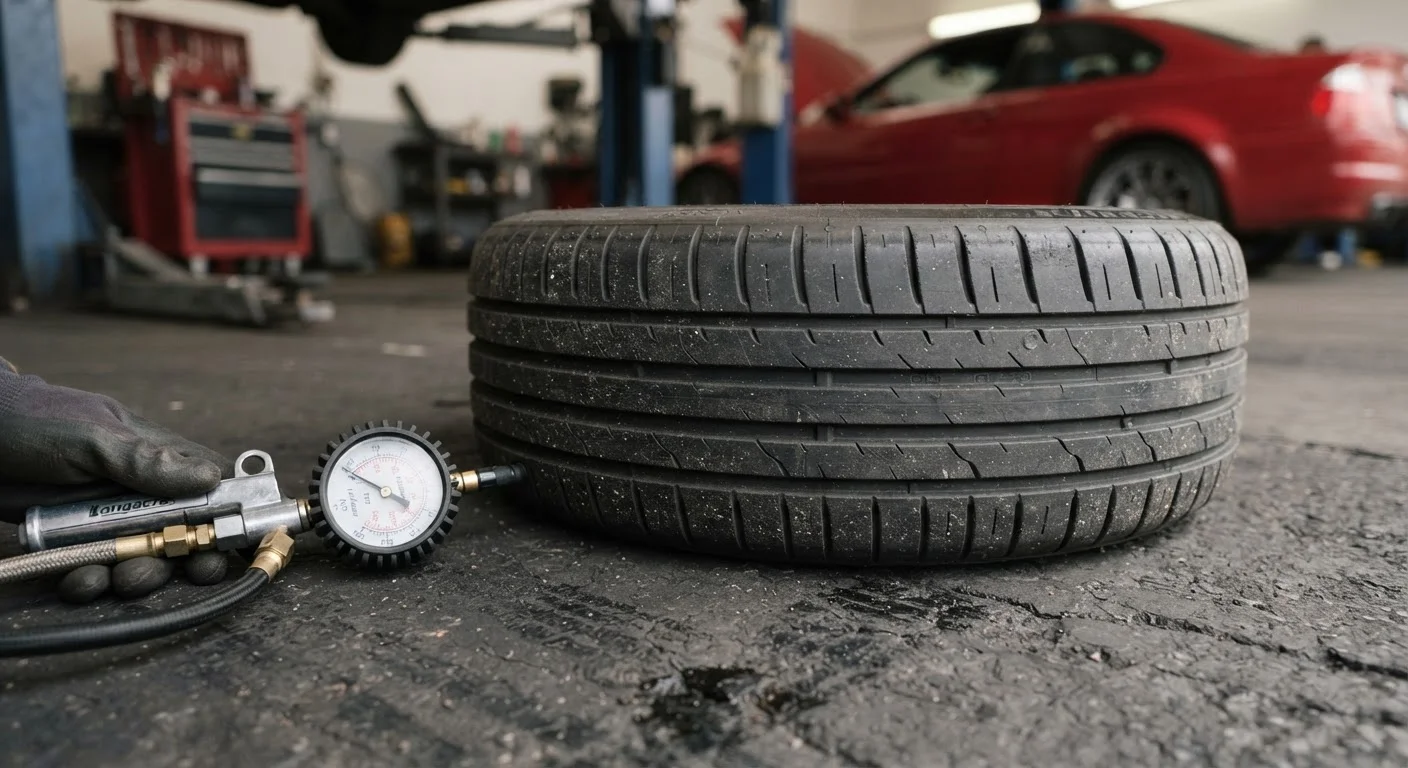
- Tyre pressure checks and inflation: A quality gauge and an air compressor (or a gas station pump) are all you need. Correct pressure figures are on the door jamb sticker, not the tyre sidewall. For more, see our tyre maintenance overview.
| Maintenance Task | DIY Feasible? | Tools Needed | Safety Risk if Done Wrong | Typical Pro Cost (Labor) | |
|---|---|---|---|---|---|
| Engine air filter | Yes | None or screwdriver | Low | Minimal - reduced performance | |
| Cabin air filter | Yes | None | Low | Minimal - poor cabin air quality | |
| Wiper blades | Yes | None | Low | Low - reduced visibility | |
| Tyre pressure | Yes | Gauge, pump | Low | Minimal - tyre wear | |
| Brake pads/rotors | Caution advised | Torque wrench, jack stands | High | Brake failure risk | |
| Wheel alignment | No | Requires alignment rack | Medium | Handling issues, tyre damage | |
| Timing belt | No | Specialised locking tools | Very High | Potential engine destruction | |
| Airbag/SRS work | No | Professional equipment only | Very High | Accidental airbag deployment |
Jobs That Belong in a Professional's Bay
Some tasks look approachable on video but involve risks that are disproportionate to the potential savings. This isn't about underestimating drivers - it's about matching the right tool and training to the job.
- Brake pad and rotor replacement: While some experienced DIYers tackle pad replacements, brakes are a safety-critical system. Incorrect installation, improper torque on caliper bolts, or contaminated rotors can cause brake fade or failure. A professional has a torque wrench calibrated to spec, a brake bleeder, and the experience to spot worn hardware that a first-timer might miss.
- Wheel alignment: Alignment requires a laser or camera-based alignment rack costing tens of thousands of dollars. Driving with incorrect alignment accelerates tyre wear and compromises handling - there is no meaningful DIY workaround.
- Timing belt or chain service: The consequences of a misinstalled timing belt (engine damage, in many cases catastrophic) far outweigh any labor savings. This is a job for someone who has done it before with the correct locking tools for your specific engine.
- Airbag and SRS (Supplemental Restraint System) components: Working near airbag components without proper disabling procedures can trigger accidental deployment. Leave all SRS work to a qualified technician.
- Fuel system repairs: Any work involving fuel lines, injectors, or the fuel tank introduces fire risk. Repairs require leak-free connections verified under pressure.
- Transmission service beyond fluid changes: Internal transmission work requires specialized tools and a clean environment. Even a transmission fluid flush on certain vehicles can cause issues if done incorrectly on high-mileage units.
If you're unsure what a shop is quoting you for any of the above, our guide to getting accurate repair estimates helps you ask the right questions before signing off.
Warranty and Insurance Implications
DIY repairs carried out improperly can void remaining manufacturer or extended warranties on affected systems. On newer vehicles, some advanced driver assistance system (ADAS) calibrations - required after certain repairs - must be completed by a dealer or certified shop with the appropriate equipment. If your car is under warranty, confirm with your dealer which maintenance tasks you can perform yourself before proceeding.
Making the Call on Grey-Area Tasks
Some jobs sit in the middle - engine oil changes, spark plug replacement, and serpentine belt swaps among them. These are manageable for mechanically confident drivers who have vehicle-specific instructions, the right tools, and a plan for safe fluid disposal. However, modern turbocharged engines, hybrid drivetrains, and tight engine bays on some models make what looks like a simple oil change genuinely awkward without a lift.
A reasonable decision framework: if completing the task incorrectly could leave you stranded, damage a secondary system, or compromise occupant safety, budget for professional labor. If the worst-case scenario is a minor mess or a wasted hour, it's worth attempting with proper preparation. Building familiarity with your car's systems through driver know-how resources makes these calls progressively easier over time.
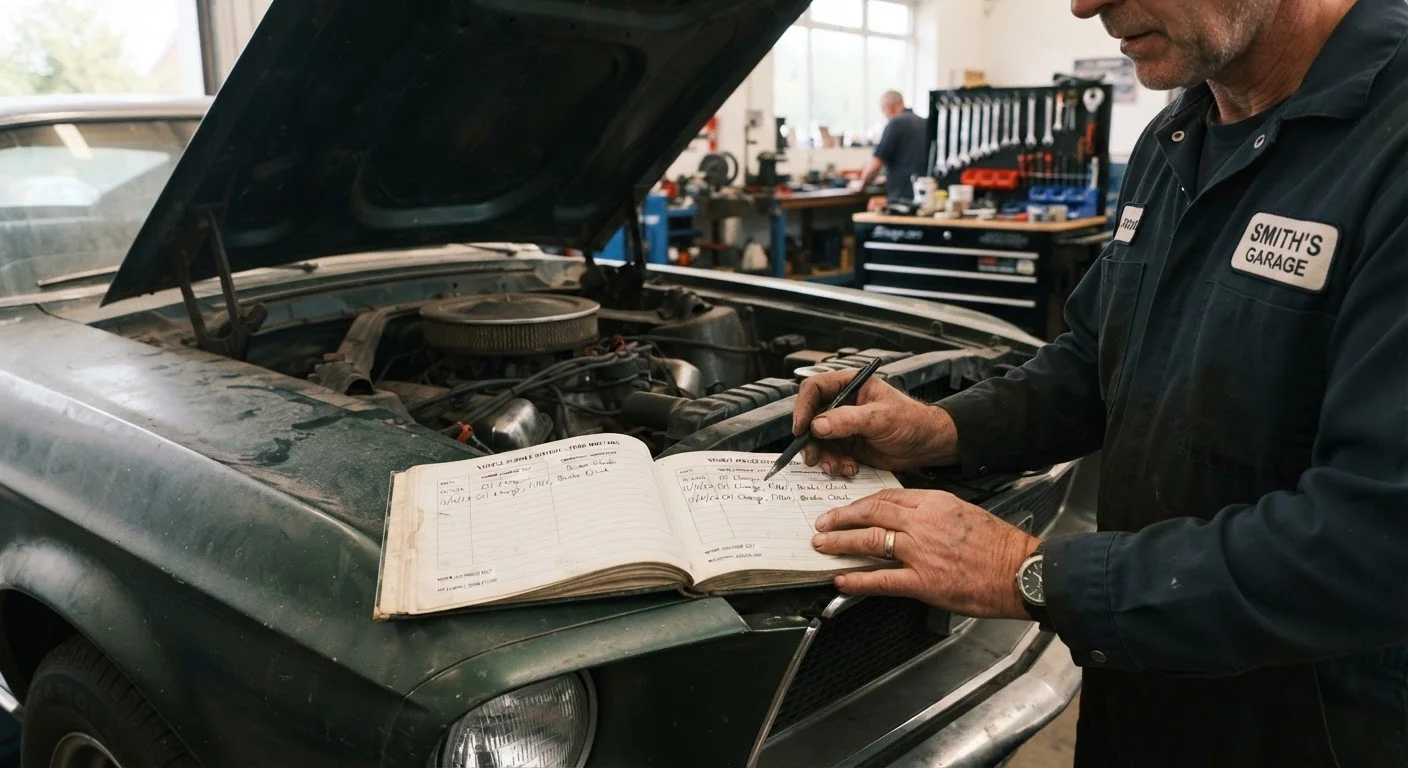
Whatever you decide, keep records of every maintenance action - date, mileage, and parts used. That documentation protects you at resale and helps any future mechanic understand your vehicle's history.