
Why Small Habits Create Large Repair Bills
Most cars don't fail dramatically - they wear down gradually through habits so routine that drivers never question them. Understanding which behaviours quietly erode components is the most cost-effective form of vehicle ownership. As covered in our guide on how deferred maintenance compounds, small problems left unaddressed rarely stay small.
The habits below don't trigger warning lights or make alarming noises - at first. But repeated over months and years, each one advances the timeline on expensive repairs.
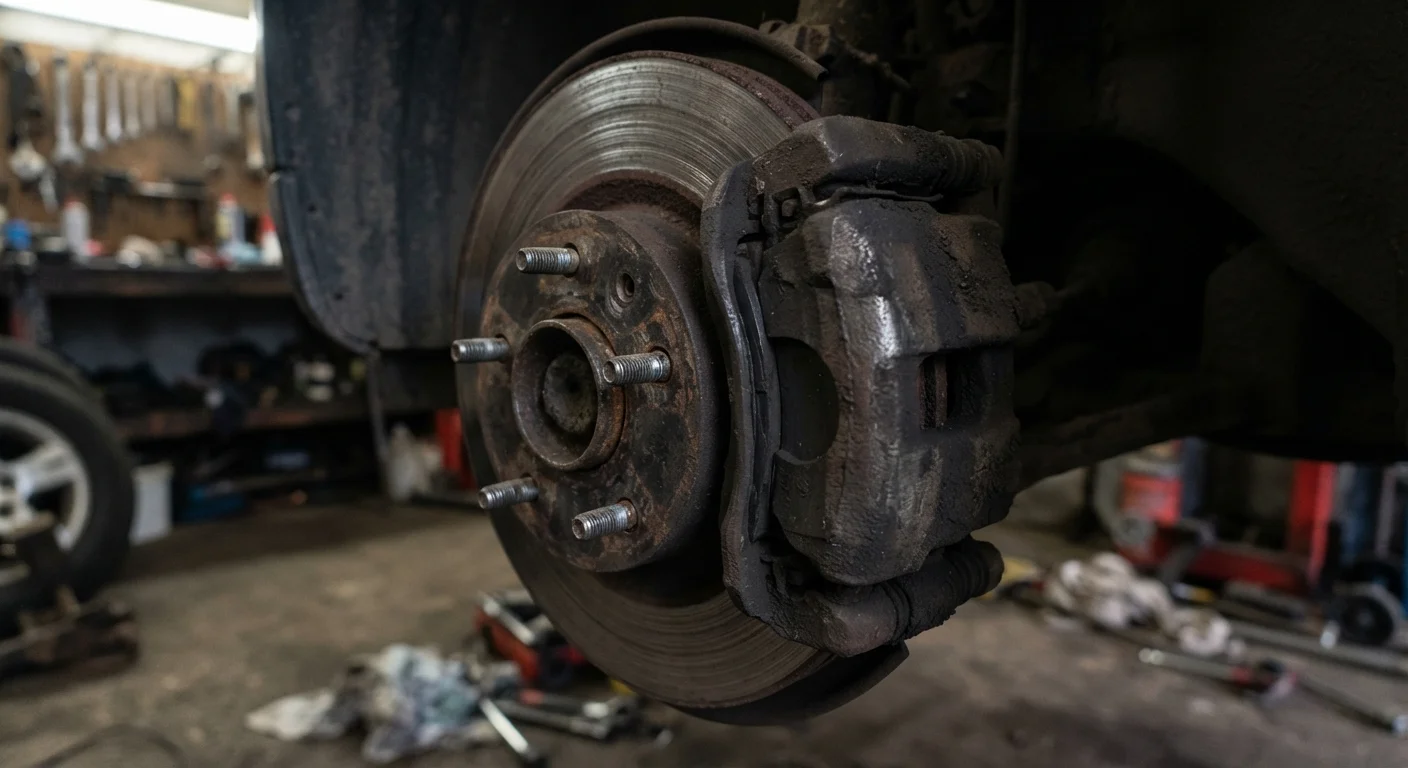
Riding the brakes on long downhill stretches instead of using engine braking.
Why it happens: Keeping a foot lightly on the brake pedal feels controlled and intuitive, especially on steep or unfamiliar descents.
Accelerating hard immediately after a cold start.
Why it happens: Modern engines fire up quickly, so drivers assume they're ready for full load straight away. Older advice about long warm-up idling has been replaced, but the correct response is gentle driving - not aggressive acceleration.
Skipping the parking brake when parked on any incline.
Why it happens: Many automatic transmission drivers rely solely on 'Park,' not realising that Park engages only a small metal pawl inside the transmission - not a braking system designed to hold vehicle weight.
Resting a hand on the gear selector while driving.
Why it happens: It's a comfortable resting position that feels neutral, particularly on long drives. Drivers don't perceive themselves as applying meaningful force.
Topping off the fuel tank after the pump clicks off automatically.
Why it happens: Drivers want to round up to a whole dollar amount, or assume more fuel equals more range. The habit feels harmless.
Taking very short trips almost exclusively without any longer drives.
Why it happens: Short errands are a daily reality for many drivers. The mechanical consequences aren't visible, so the habit goes unquestioned.
Understanding the Wear Behind Each Habit
Each mistake above targets a different system, but they share a common thread: they push components beyond the operating conditions they were engineered for. Brakes are designed for controlled deceleration, not sustained heat loading. Transmissions are designed to shift under precise conditions, not while absorbing the weight of a parked vehicle. Engines are designed to warm up before working hard.
Wear Accumulates Before Symptoms Appear
Most component wear caused by poor driving habits produces no noise, vibration, or warning light until damage is already significant. By the time a brake rotor warps noticeably or a transmission pawl begins to fail, the underlying habit has typically been running unchecked for a long time. Correcting habits early is far cheaper than diagnosing problems after the fact.
Paying attention to your manufacturer's service schedule is the baseline - but the habits you practise between service visits determine whether that schedule is sufficient or falls short. Before any longer trip, running through a pre-drive safety check also catches emerging issues before they become roadside problems.
Good tyre habits are part of the same picture. Uneven wear from misaligned wheels or chronic underinflation compounds quickly - see our tyre maintenance guide for the full picture. The Driver Know-How hub is a useful reference for building smarter routines across all areas of vehicle ownership.