
What a Service Schedule Actually Is
A service schedule is a manufacturer-defined maintenance plan that specifies which components should be inspected, replaced, or serviced at set mileage or time intervals. It is not a suggestion - it reflects the engineering tolerances built into your specific vehicle.
Every new car comes with an owner's manual that contains this schedule. It typically distinguishes between minor services (lighter checks performed more frequently) and major services (more involved inspections done at longer intervals). Both matter.
Service intervals are usually expressed as mileage milestones - commonly every 5,000, 15,000, 30,000, or 60,000 miles - but time also applies. If a service is due at 12 months or 10,000 miles, whichever arrives first triggers the service. Low-mileage drivers often overlook the time component, which can lead to fluid degradation and rubber component deterioration even on lightly driven vehicles.
Service interval
The mileage or time threshold at which a specific maintenance task is due, as defined by the vehicle manufacturer.
Minor service
A lighter scheduled maintenance visit covering essentials like oil changes, fluid top-ups, and basic visual checks.
Major service
A more comprehensive maintenance visit that includes everything in a minor service plus deeper inspections of spark plugs, brakes, filters, and other wear items.
Oil life monitor
An onboard system that calculates when engine oil needs changing based on actual driving conditions rather than a fixed mileage number.
Magnuson-Moss Warranty Act
A U.S. federal law that generally prevents manufacturers from voiding a warranty solely because the owner used an independent shop for routine maintenance.
Timing belt
A rubber belt that synchronises the rotation of the engine's camshaft and crankshaft; replacement is critical because failure can cause severe internal engine damage.
Key Intervals and What They Cover
While exact requirements vary by make, model, and engine type, most service schedules follow a recognisable pattern:
- Every 5,000-7,500 miles (or as specified): Engine oil and oil filter change, tire pressure check, visual fluid inspection.
- Every 15,000-20,000 miles: Air filter inspection, cabin air filter replacement, brake fluid check, tire rotation.
- Every 30,000 miles: Fuel filter (on applicable vehicles), coolant flush assessment, transmission fluid check, spark plug inspection on some engines.
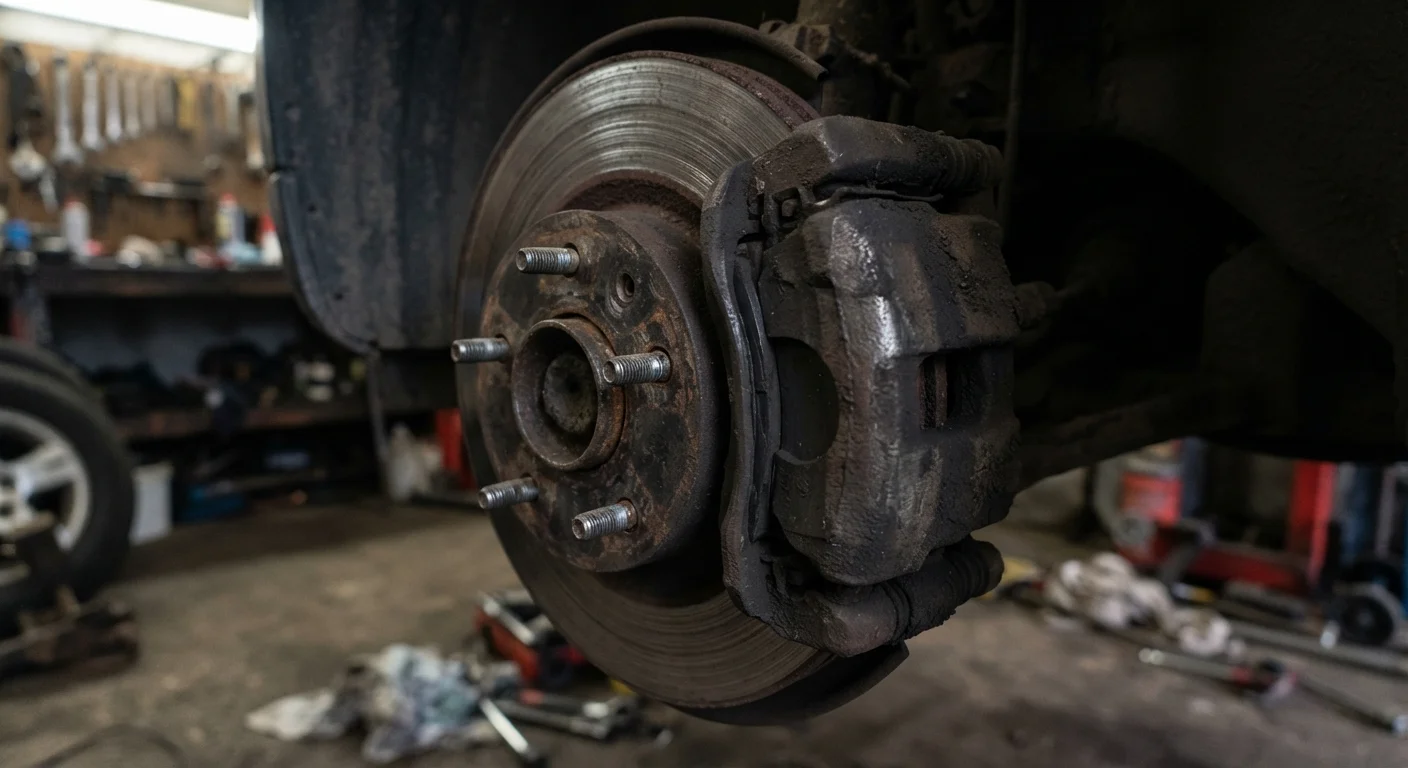
- Every 60,000-90,000 miles: Spark plug replacement (especially on standard iridium or platinum plugs), timing belt inspection or replacement (where applicable), brake pad and rotor assessment, battery load test.
Modern vehicles with oil life monitoring systems calculate change intervals based on actual driving conditions - short trips, towing, and extreme temperatures all accelerate oil degradation. If your vehicle has this system, follow its indicator rather than defaulting to older fixed-mileage rules, but always cross-reference with your manual.
For seasonal maintenance that intersects with your service schedule - such as coolant and battery checks as temperatures shift - see our seasonal car maintenance guide for a practical checklist.
Why Skipping Services Costs More Long-Term
Routine maintenance is fundamentally preventive. Components wear predictably, and manufacturers set intervals to catch degradation before it cascades. When services are skipped, the cost curve steepens quickly.
Consider engine oil: its additives deplete over time, and contaminated oil carries abrasive particles through the engine. The immediate cost of an oil change is small compared to the potential cost of premature bearing wear or a seized engine. The same logic applies to coolant, which becomes acidic over time and can corrode the cooling system from the inside.
Skipping Services Can Void Warranty Claims
Manufacturers can deny warranty claims on components that failed due to documented service neglect - for example, engine damage linked to chronically overdue oil changes. Always retain receipts and service records as evidence that maintenance was performed on schedule, regardless of which shop performed the work.
Warranty implications are also real. While the Magnuson-Moss Warranty Act protects your right to use independent shops, manufacturers can deny warranty claims on components that failed due to demonstrable service neglect. Maintaining a documented service record - receipts, dates, mileage - is your best protection.
Poor driving habits can compound the effects of delayed maintenance. Our article on habits that quietly shorten a car's lifespan illustrates how routine behaviour accelerates wear on the very components your service schedule is designed to protect.
How to Stay on Track Without Overpaying
Staying current with your service schedule does not require blind trust in every service advisor recommendation. A few practical habits keep you informed and in control.
- Read your owner's manual. Know exactly what your manufacturer specifies before any service appointment. Compare it to what the shop recommends.
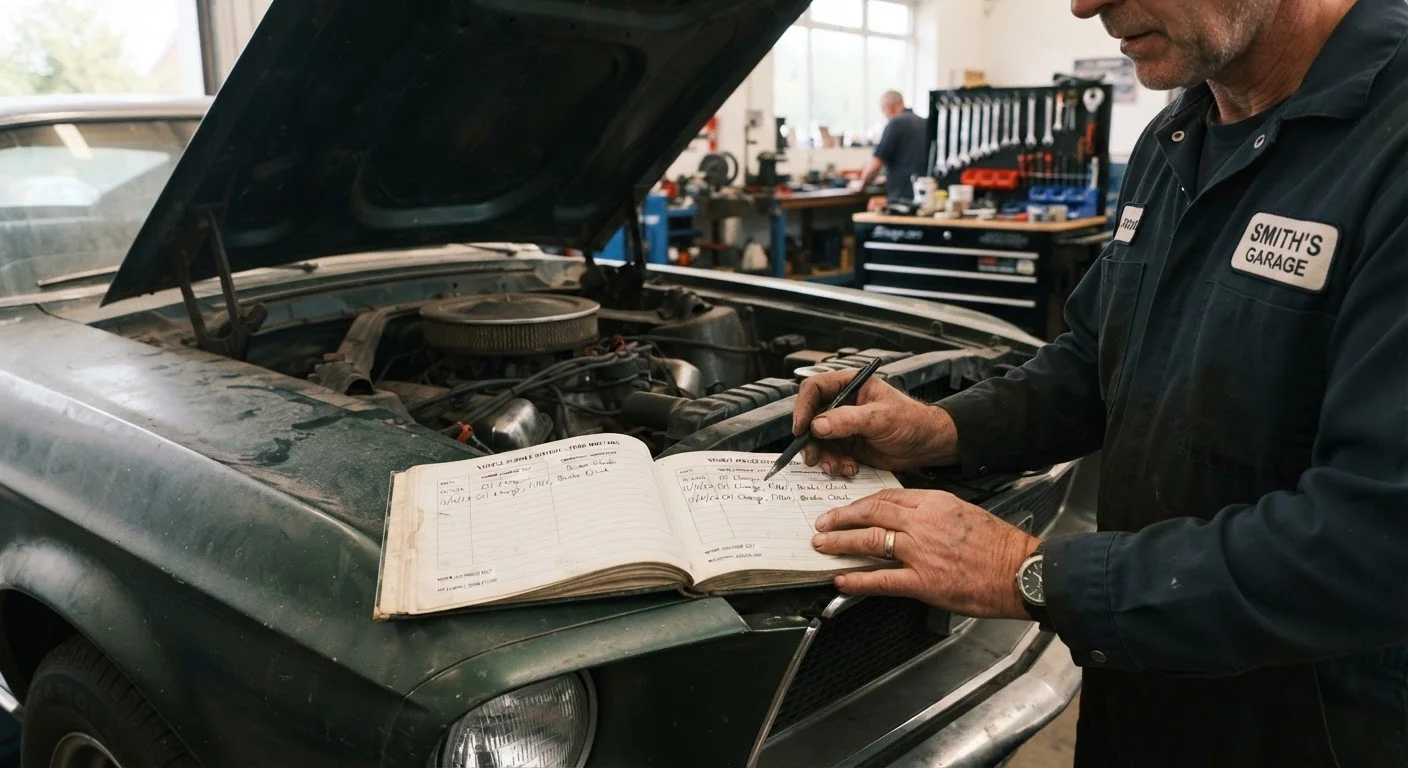
- Keep a service log. A simple notebook or a free maintenance-tracking app can record every service, its date, and mileage. This log also supports resale value - documented maintenance history is a verifiable asset.
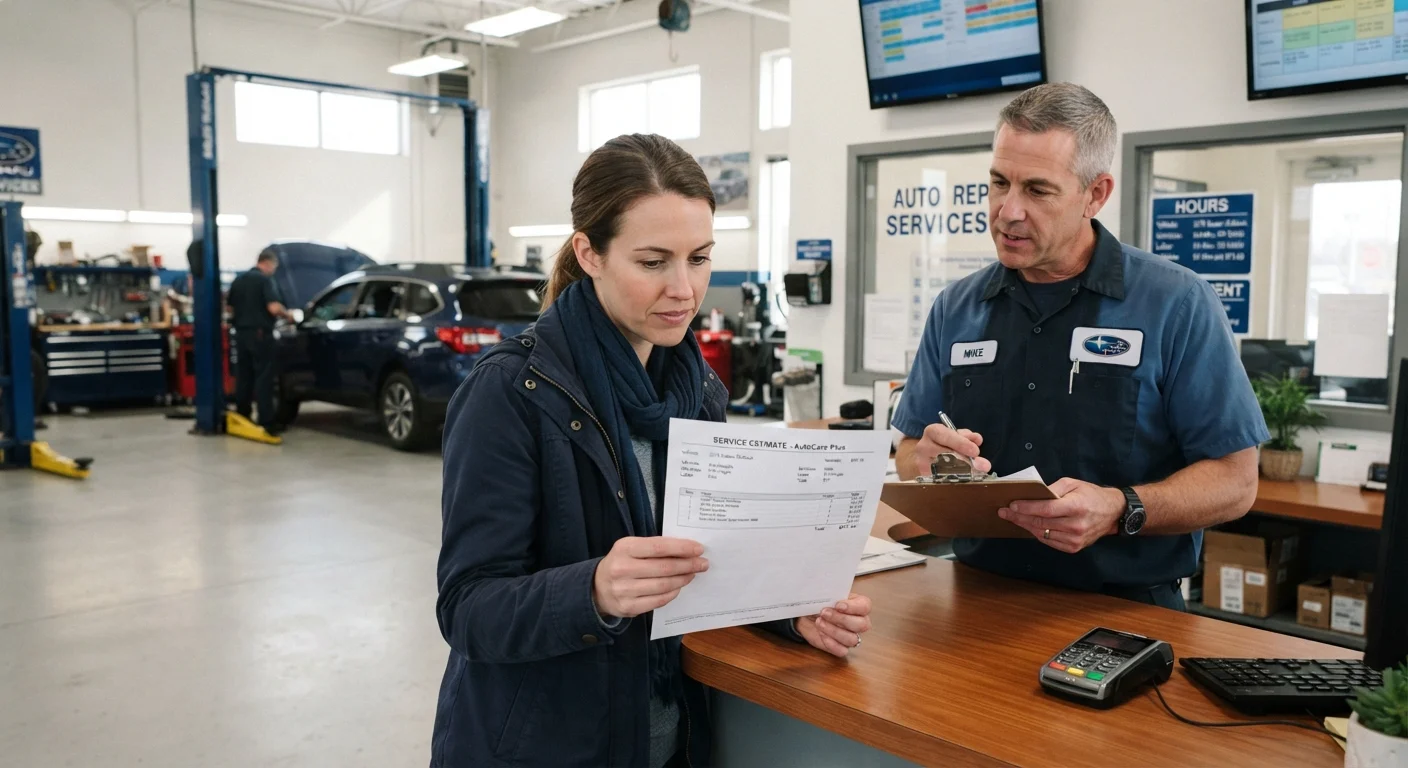
- Get estimates before authorising work. Our guide to getting accurate estimates before authorising any repair explains exactly what to ask and what a proper repair order should include.
- Know which tasks you can do yourself. Some items on a service list - cabin air filters, wiper blades, tire pressure - are straightforward for most drivers. For guidance on where the line is, see our breakdown of car maintenance tasks worth doing yourself vs. those best left to a mechanic.
Use Your Manual as a Negotiating Tool
Before agreeing to any service, open your owner's manual and confirm whether the shop's recommendation matches the manufacturer's specification. If a service is not yet due, you are within your rights to decline it politely. Shops may recommend earlier intervals or additional services - your manual is the objective reference point.
Finally, remember that adhering to your manufacturer's schedule - whether at a dealership or a qualified independent shop - is the most cost-effective form of car ownership available. Prevention consistently costs less than repair.