
Understanding the Core Difference
Both caulk and weatherstripping address the same underlying problem - unwanted air, moisture, or noise passing through gaps in your home's envelope - but they work in completely different ways, and mixing them up is one of the most common DIY sealing mistakes.
Caulk is a flexible sealant applied as a paste that cures into a semi-rigid bead. Once set, it bonds firmly to both surfaces and holds a fixed joint closed. It cannot tolerate repeated compression, stretching, or movement. If it's used somewhere that flexes - like the hinge side of a door - it cracks within a season and loses its seal.
Weatherstripping, by contrast, is a physical barrier material - foam, rubber, vinyl, or metal - that compresses or deflects each time a door or window is opened and closed. It's engineered for movement. The moment you stop opening and closing the surface it's attached to, you no longer need weatherstripping - you need caulk.
The simplest diagnostic question: Does the gap open and close? If yes, weatherstrip it. If no, caulk it.
| Criterion | Caulk | Weatherstripping |
|---|---|---|
| Best for | Fixed, stationary joints | Moving parts (doors, operable windows) |
| Material form | Paste that cures rigid | Foam, rubber, vinyl, or metal strip |
| Handles movement | No - cracks under flexing | Yes - designed to compress/deflect |
| Typical lifespan | 5-10+ years (if correctly applied) | 2-5 years depending on traffic |
| Paintable | Yes (acrylic latex types) | Generally no |
| Waterproofing | Yes (silicone or siliconized types) | Partial - primarily an air seal |
| DIY difficulty | Low - requires a caulk gun | Low - cut-to-length and press or screw |
Choosing the Right Caulk for the Job
Not all caulk is interchangeable. The two most common types for home sealing are acrylic latex (sometimes called painter's caulk) and silicone or siliconized latex.
- Acrylic latex caulk is water-based, easy to tool smooth with a wet finger, cleans up with water, and accepts paint. It's the right choice for interior joints - around door and window trim, baseboards, and crown molding - where surfaces will be painted.
- 100% silicone caulk is waterproof, extremely durable, and bonds to non-porous surfaces like glass, ceramic tile, and metal. It doesn't accept paint, takes longer to cure, and requires mineral spirits for cleanup. Use it in wet areas (tubs, showers, sinks) and on exterior joints exposed to weather.
- Siliconized latex blends both: paintable and more moisture-resistant than plain acrylic latex - a good all-around choice for exterior window and door frames.
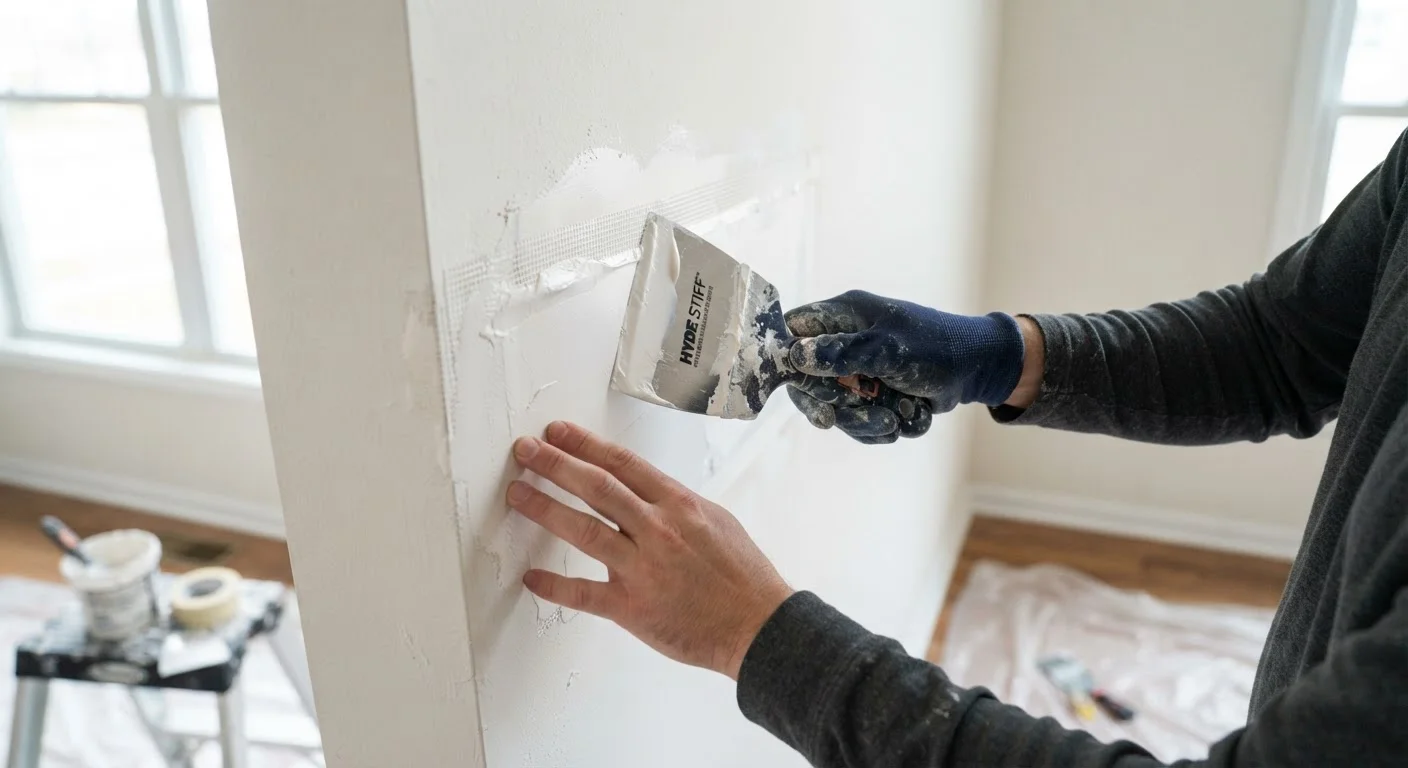
For exterior application, always choose a product rated for outdoor use and temperature ranges relevant to your climate. See our guide on patching and finishing interior surfaces if caulk work is part of a larger wall repair project.
30%
Heat loss through gaps and cracks
The U.S. Department of Energy estimates that air leaks through gaps, cracks, and openings can account for up to 30% of a home's heating and cooling costs.
$50-$100
Estimated annual savings from sealing
The EPA's ENERGY STAR program suggests that sealing and insulating a home can save an average of around $200 per year, with basic air-sealing measures contributing a meaningful share of that figure.
Choosing and Applying the Right Weatherstripping
Weatherstripping comes in several forms, each suited to a specific gap location and shape:
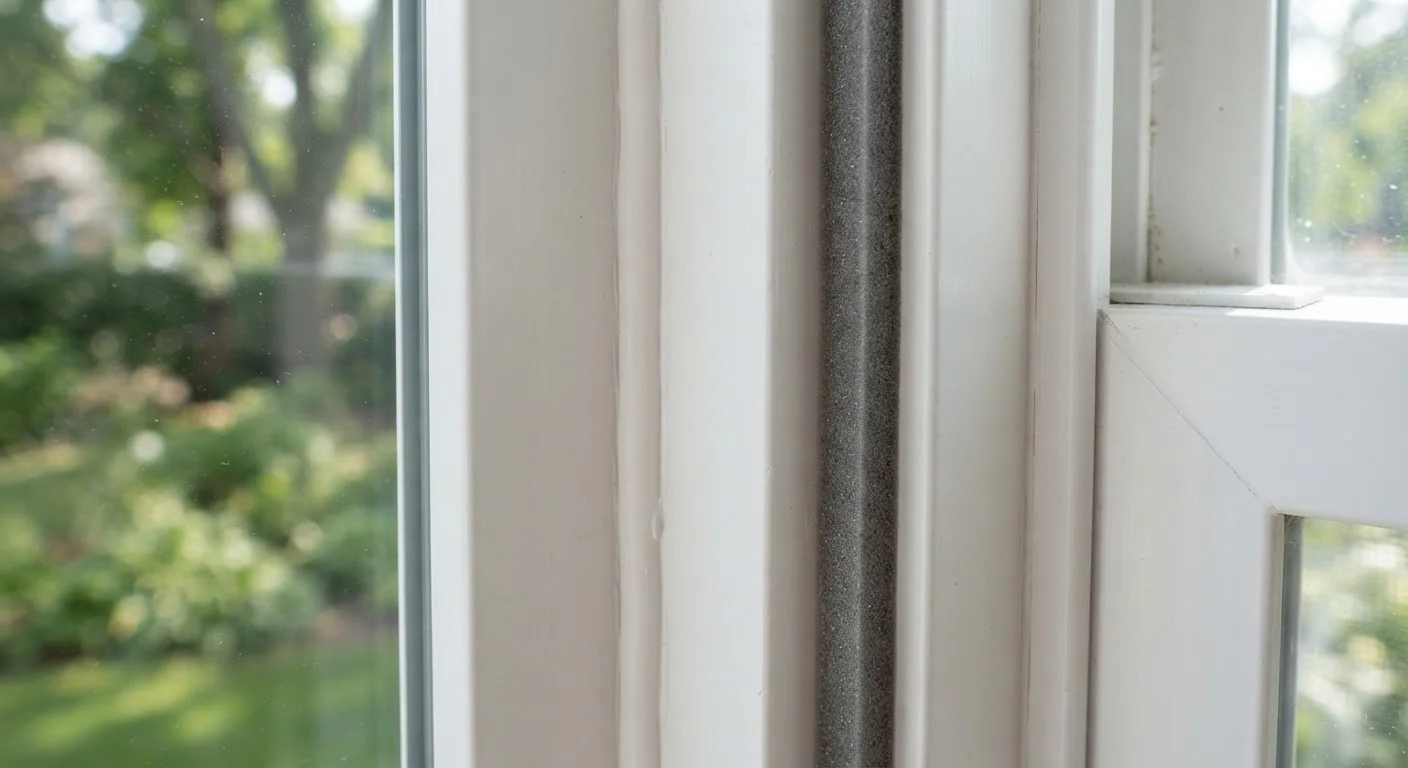
- Foam tape (open- or closed-cell): The most affordable option. Press it into the door or window stop. Works well for irregular gaps but compresses over time and may need replacing every few years.
- V-strip (tension seal): A folded strip of plastic or metal installed along door and window channels. Durable and nearly invisible when installed correctly. It springs back into shape after compression, maintaining a consistent seal.
- Door sweeps: A strip of rubber, vinyl, or brush fiber mounted to the bottom of a door to seal the gap between the door bottom and threshold. Especially effective against both drafts and insects.
- Compression strips: Rubber or foam strips with a bulb or D-shaped profile mounted to the door stop so the door compresses them when closed. Common on exterior doors and provide an excellent air seal.
Before installing any weatherstripping, clean the surface thoroughly - adhesive-backed products won't bond to dirty or oily frames. Measure twice, cut straight, and press firmly to ensure full contact. For doors that have settled out of square, address the alignment issue first; weatherstripping cannot compensate for a door that doesn't close evenly across its entire perimeter.
Application Tips and Common Mistakes
Getting a clean caulk bead takes a little practice but a few habits make a real difference. Cut the cartridge tip at a 45-degree angle, keeping the opening small (about 3-4 mm) for most interior joints. Apply steady pressure to the gun trigger and move at a consistent pace. Tool the bead immediately with a wet fingertip or caulk tool, then remove tape if used before the caulk skins over.
Common caulking mistakes to avoid:
- Caulking over old, failing caulk without removing it first - the new bead won't adhere properly.
- Applying caulk in temperatures below 40°F (4°C), which prevents proper curing.
- Using too thick a bead, which sags and takes far longer to cure.
Common weatherstripping mistakes to avoid:
- Choosing foam tape for a high-traffic door where it will compress flat within months.
- Installing a door sweep that drags too hard on the floor, straining the hinges over time.
- Ignoring the top of the door frame (the head stop), which is just as vulnerable as the sides.
Both products are inexpensive and widely available, making them an accessible first step in any home energy audit. Inspect all seals once a year - particularly after a hard winter - and replace anything that's cracked, compressed flat, or pulling away from the surface. For broader seasonal maintenance framing, the principles covered in seasonal deck maintenance apply equally to exterior door and window upkeep.
When to Call a Professional
Most caulk and weatherstripping work is well within DIY range. However, if you find significant gaps around structural framing, signs of water damage behind trim, or gaps that keep reappearing despite fresh caulk, these may indicate a deeper structural or moisture issue. In those cases, consult a licensed contractor or building envelope specialist before applying more sealant on top of an unresolved problem.