
What Is Breathwork and Why Does It Matter?
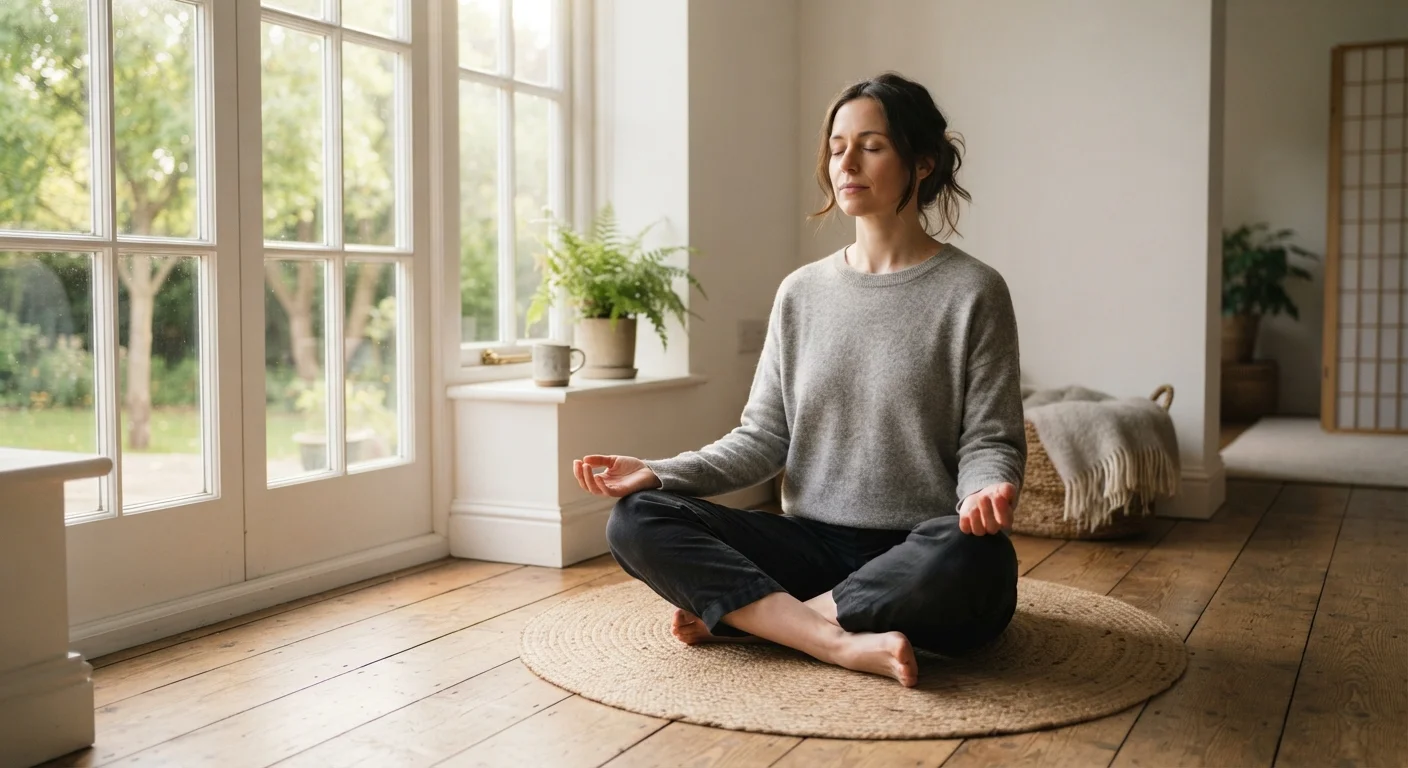
Breathwork is an umbrella term for practices that involve deliberately changing your breathing pattern to influence how you feel physically and mentally. Unlike many wellness interventions, it requires no equipment, no subscription, and no prior experience - just your own lungs and a few minutes of attention.
Everyday stress is something most adults navigate constantly. Understanding how structured breathing fits alongside other tools - from journaling for emotional regulation to broader daily stress management routines - can help you build a realistic, low-cost toolkit. If you're unsure whether what you're experiencing is everyday stress or something more significant, the Stress, Anxiety, and Burnout quick reference guide offers useful context.
Diaphragmatic breathing
A breathing technique that fully engages the diaphragm, the dome-shaped muscle below the lungs, allowing the abdomen to rise and fall with each breath rather than just the chest.
Autonomic nervous system
The part of the nervous system that controls involuntary functions like heart rate and digestion. It has two main branches: the sympathetic (stress response) and parasympathetic (rest-and-recovery response).
Parasympathetic response
The body's rest-and-recovery mode, sometimes called "rest and digest." Activating it slows the heart rate, relaxes muscles, and generally counters the effects of the stress response.
Box breathing
A structured breathing pattern where you inhale, hold, exhale, and hold again for equal counts - often four seconds each - creating a calming, rhythmic cycle.
Vagus nerve
A major nerve that runs from the brainstem through the body and plays a key role in activating the parasympathetic nervous system. Slow, rhythmic breathing is thought to stimulate it.
Breathwork
A broad category of practices involving intentional control of breathing patterns for the purpose of influencing physical or mental states such as stress, focus, or relaxation.
The Science Behind Breathing and Stress
When you feel stressed, your autonomic nervous system triggers the sympathetic branch - sometimes called the "fight-or-flight" response. Heart rate rises, muscles tense, and breathing becomes shallow and rapid. Controlled breathing exercises work partly by activating the opposing parasympathetic branch, which promotes rest and recovery.
Research published in peer-reviewed journals suggests that slow, deliberate breathing - particularly patterns that lengthen the exhale relative to the inhale - can reduce self-reported stress and lower physiological markers like heart rate and cortisol in the short term. This effect is linked to the vagus nerve, a major pathway of the parasympathetic system that is responsive to breath rhythm. While the evidence base is growing, researchers note that study designs vary and individual responses differ, so results should not be overstated.
Three Techniques Worth Starting With
The following three methods are among the most accessible and best-studied for general stress relief. Begin with the one that feels most manageable.
Diaphragmatic (Belly) Breathing
Place one hand on your chest and one on your abdomen. Inhale slowly through your nose, allowing your abdomen to rise while keeping your chest relatively still. Exhale gently through your mouth. This pattern encourages full use of the diaphragm - the primary breathing muscle - which tends to produce a slower, deeper breath cycle than chest breathing alone.
Box Breathing (4-4-4-4)
Inhale for a count of four, hold for four, exhale for four, and hold again for four before repeating. The equal-interval structure gives the mind a simple focal point, which can interrupt anxious thought patterns. Box breathing has been used in high-stress professional training programs as a practical in-the-moment technique.
4-7-8 Breathing
Inhale for four counts, hold for seven, then exhale slowly for eight. The extended exhale is thought to be particularly activating for the parasympathetic system. Some people find the hold phase uncomfortable at first; shortening it proportionally while maintaining the longer exhale ratio is a reasonable starting adjustment.
Start with just two minutes
If any technique feels awkward or forced at first, shorten your session to just two minutes rather than abandoning it. Even brief, consistent practice helps the pattern become more automatic over time. You can gradually extend duration once the rhythm feels comfortable.
How to Build Breathwork Into Your Day
The most effective breathwork practice is the one you actually do consistently. Rather than reserving it for moments of peak stress - when it can be hardest to remember - try anchoring a brief session to an existing daily habit.
- Morning: Two to three minutes of diaphragmatic breathing before checking your phone can set a calmer baseline for the day.
- Work transitions: A short box breathing cycle between tasks or meetings provides a mental reset without requiring you to leave your desk.
- Before sleep: Slow, extended-exhale breathing in the minutes before sleep is a low-effort wind-down tool that requires no screen time.
If you find that breathwork alone isn't enough after a period of consistent use, that's worth paying attention to. The article When Self-Care Strategies Stop Working explores what to consider when foundational habits hit their limits.
Common Questions and Realistic Expectations
Breathwork is not a cure, and it doesn't eliminate the sources of stress in your life. What consistent practice can reasonably offer is a reliable way to modulate your physiological stress response in the moment and, over time, a greater sense of agency over how you react to tension.
Some people notice a meaningful calming effect within a single session. Others find it takes days or weeks of repetition before the technique feels natural or produces noticeable results. Both experiences are normal. For a broader look at how breathwork compares to other relaxation-based approaches, see Mindfulness Meditation vs. Relaxation Techniques.
If you experience dizziness, shortness of breath, or significant discomfort during any exercise, stop and rest. People with respiratory conditions, cardiovascular concerns, or who are pregnant should speak with a healthcare provider before starting structured breathwork. Breathwork is a general wellness practice - it is not a substitute for medical or mental health treatment.
This article is for general informational and educational purposes only and does not constitute medical advice. Always consult a qualified healthcare professional for guidance specific to your health situation.