
Defining the Two Approaches
The terms mindfulness meditation and relaxation techniques are often used interchangeably in wellness conversations - but they describe meaningfully different processes with different goals.
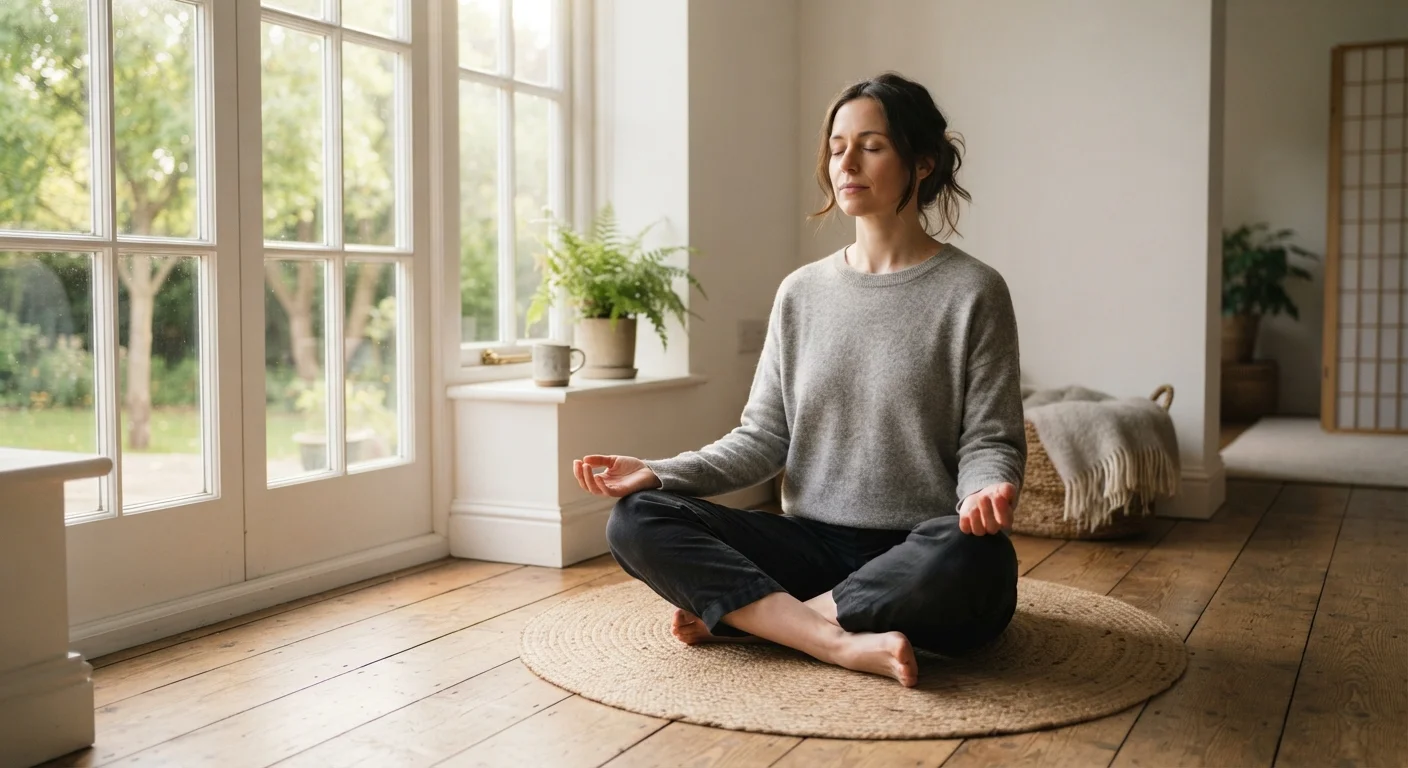
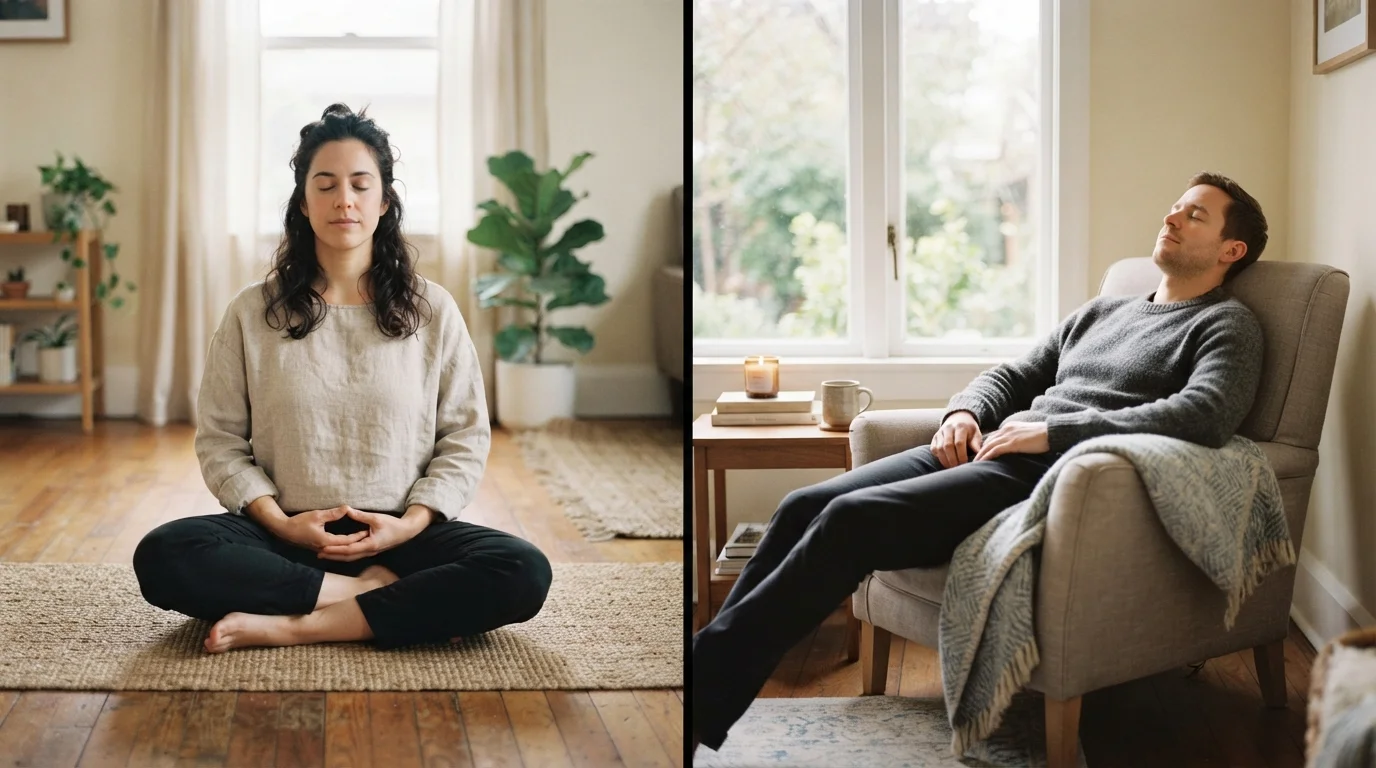
Mindfulness meditation is a formal mental training practice rooted in Buddhist tradition and adapted for secular health contexts over recent decades. Its defining feature is intentional, sustained attention - typically directed toward the present moment, often using the breath as an anchor. Crucially, mindfulness asks you to observe thoughts, sensations, and emotions without judging them or trying to push them away. Relaxation is sometimes a byproduct, but it is not the explicit goal.
Relaxation techniques is a broader category that includes practices such as progressive muscle relaxation (PMR), guided imagery, autogenic training, and certain breathing exercises. Their primary aim is to reduce physiological arousal - lowering heart rate, easing muscle tension, and calming the nervous system's stress response. See our introduction to breathwork for daily stress relief for a closer look at breathing-focused methods.
| Criterion | Mindfulness Meditation | Relaxation Techniques |
|---|---|---|
| Primary goal | Train non-judgmental awareness | Reduce physiological tension |
| Speed of effect | Builds over weeks of practice | Often felt within a single session |
| Learning curve | Moderate; benefits from guidance | Low; accessible to beginners immediately |
| Core mechanism | Attention regulation and cognitive reappraisal | Autonomic nervous system downregulation |
| Typical format | Seated, eyes closed; daily sessions | Flexible; seated, lying down, or standing |
| Evidence base | Robust for anxiety, depression, stress over time | Strong for acute stress and physical tension |
| Cost | Free to low-cost; apps and free resources available | Free; scripts and guides widely available |
How Each One Works in the Brain and Body
Understanding the mechanisms helps clarify why you might choose one over the other.
Mindfulness meditation appears to engage prefrontal cortical areas associated with attention regulation and emotional processing. Research published in peer-reviewed journals such as JAMA Internal Medicine has found that structured mindfulness programs are associated with modest but meaningful improvements in anxiety, depression, and pain - effects that tend to grow with consistent practice over weeks or months. The practice trains a skill: the ability to notice mental events without automatically reacting to them.
Relaxation techniques, by contrast, work more directly through the autonomic nervous system. Progressive muscle relaxation, for example, systematically alternates muscle tension and release to help the body recognize and downregulate physical stress. Guided imagery uses mental visualization to shift focus away from stressors. These methods can produce measurable reductions in physiological markers of stress - heart rate, cortisol - relatively quickly, even in a first session.
8 weeks
Typical program length for measurable mindfulness benefits
Evidence-based programs like Mindfulness-Based Stress Reduction (MBSR) are structured around an eight-week curriculum, reflecting the timeline seen in most supportive research.
~47%
Share of waking hours the mind wanders
A Harvard study led by Killingsworth and Gilbert (2010) found that mind-wandering - which mindfulness training specifically addresses - occurs during roughly half of waking hours.
20-30 min
Typical relaxation session duration in clinical settings
Most progressive muscle relaxation and guided imagery protocols used in clinical research run between 20 and 30 minutes, though shorter everyday practice is common.
In short: mindfulness builds a capacity; relaxation techniques produce an effect. Both are valuable, and for many people the two work best as complements rather than competitors. For a broader view of comparable practices, see how journalling, meditation, and reflection each differ.
Practical Considerations: Time, Effort, and Accessibility
For cost-conscious adults who may not have hours to spare, both approaches offer meaningful options at no or low cost.
Mindfulness meditation has a learning curve. Many practitioners and researchers recommend starting with short, guided sessions - even five to ten minutes daily - using free apps or publicly available resources. The deeper benefits described in the research literature tend to require sustained commitment over at least eight weeks, as reflected in the structure of evidence-based programs like Mindfulness-Based Stress Reduction (MBSR).
Relaxation techniques are generally faster to learn and apply. Progressive muscle relaxation scripts are freely available online and in public libraries. Diaphragmatic breathing requires no equipment and can be practiced almost anywhere. This accessibility makes relaxation methods a realistic entry point for adults who want to begin a stress-management routine without committing to a formal course. Once you have both tools in your repertoire, building a daily stress management routine can help you structure them into sustainable habits.
Mindfulness-Based Therapies Are a Related but Distinct Category
Structured clinical programs such as Mindfulness-Based Cognitive Therapy (MBCT) combine mindfulness training with psychological frameworks and are delivered by trained therapists. These differ from informal self-guided mindfulness practice and carry a more specific evidence base for conditions like recurrent depression. For a deeper comparison of clinical approaches, see our article on CBT vs. mindfulness-based therapy.
It is also worth noting that neither approach is a substitute for professional mental health support. If stress, anxiety, or low mood is persistent, significantly affecting your daily functioning, or accompanied by physical symptoms, consult a qualified healthcare provider. Our article on when self-care strategies stop working explores how to recognize when it may be time to seek additional support.
This article is for general informational purposes only and does not constitute medical or mental health advice. Always consult a qualified healthcare professional for concerns about your mental or physical health.