
Why the Free vs. Paid Question Is More Nuanced Than It Looks
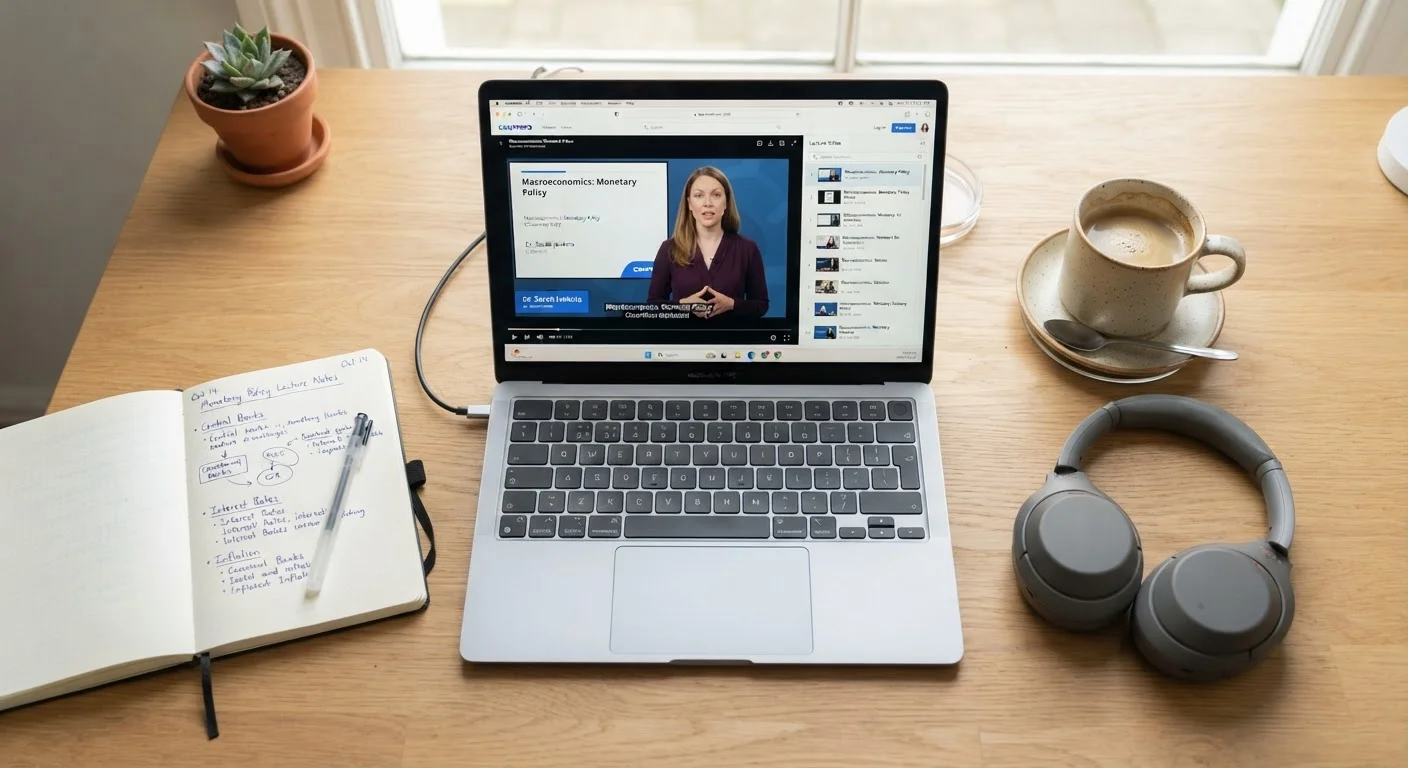
The online learning market has grown enormously, and with it, a persistent myth: that paid always means better. In reality, the distinction is less about quality and more about what each model is designed to deliver. Before making any decision, it helps to understand what an online course is actually made of - because the components (video lectures, quizzes, peer forums, instructor feedback) vary significantly between free and paid options, and those differences carry real consequences for your outcomes.
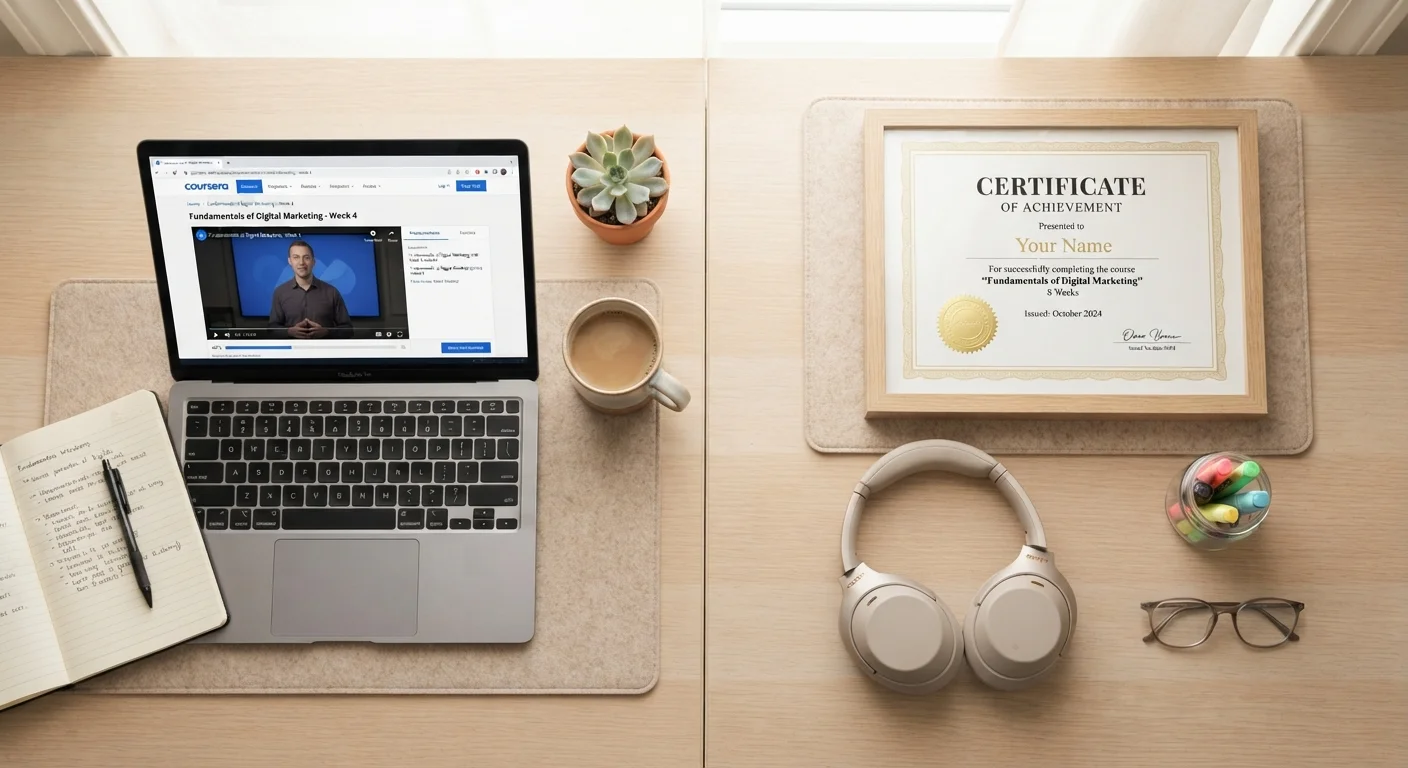
Free courses are often produced by the same institutions and instructors behind paid offerings. What changes is access: free tracks typically exclude graded assignments, peer-reviewed projects, or the verified certificate issued at completion. Paid enrolment buys you those layers of engagement and formal recognition - not necessarily better content.
The Real Advantages of Free Courses
Free courses excel in specific situations. If you're exploring a field before committing money, testing whether a subject holds your interest, or filling a targeted knowledge gap, a free course eliminates financial risk entirely. Many high-quality free courses are produced by respected universities and organisations and cover material that is current and rigorous.
Zero financial risk for exploration
Free courses let you test a subject thoroughly before investing money. This is especially valuable in fast-changing fields where a paid programme might not be worth the cost.
Flexible, self-paced access
Most free courses have no enrolment deadlines and let you move at your own pace, making them practical for adults with unpredictable schedules.
High-quality content from credible sources
Many free courses are produced by universities and established organisations. The instructional content itself is often identical to what paid learners receive.
Useful as a targeted supplement
When you need to close a specific knowledge gap rather than complete a full curriculum, a free course is usually more efficient than paying for a broader programme.
Free options also work well as supplements to other learning. If you're already enrolled in a formal programme or working in a role and just need to understand one concept more deeply, paying for a full course is rarely necessary. Consider how this intersects with what online learning does well and where it falls short - free formats share many of the same structural advantages of online learning generally, including flexibility and self-paced access.
Where Free Courses Tend to Fall Short
The limitations of free courses are structural, not accidental. Without a financial commitment, completion rates drop sharply - research on massive open online courses (MOOCs) has consistently found that most enrolled learners never finish. There's no mechanism holding you accountable, no instructor monitoring your progress, and often no community of peers to learn alongside.
Low completion rates without accountability
Without grades, deadlines, or financial stakes, many learners disengage before finishing. The absence of structure is the most commonly cited barrier to free course completion.
No verified credential in most cases
Free access typically excludes the verified certificate that employers or academic programmes can check. An unverified completion is often indistinguishable from no completion at all.
Limited or no instructor feedback
Free tracks rarely include direct access to instructors or graded reviews of your work, making them poorly suited to applied skills that require iterative feedback.
Peer community access often restricted
Discussion forums and cohort networks - where much practical learning happens - are frequently reserved for paying students, reducing the social learning dimension.
Credentials are the other significant gap. Most employers cannot verify a free audit certificate, and some platforms don't issue one at all for free participants. If your goal is career advancement or a recognised qualification, a free course seldom closes that gap on its own.
What Paid Programmes Actually Provide
Paying for a course typically unlocks three things that free access doesn't: graded accountability, verified credentials, and structured support. Graded assignments give you genuine feedback on whether you've understood the material - not just passive exposure to it. Verified certificates carry a paper trail that can be shared with employers or added to a professional profile.
~5%
Average MOOC completion rate
Research published in academic journals examining large-scale open online course data has found average completion rates typically fall below 10%, highlighting the accountability gap in free formats.
62%
Learners citing career goals as primary motivation
Surveys of online learners conducted by major platform providers have found that career advancement - not personal interest - is the most common reason adults enrol in paid programmes.
Structured cohort programmes - where you move through material with a peer group on a defined schedule - add a social dimension that meaningfully increases completion. If you're weighing that format, the trade-offs between self-paced and cohort-based learning are worth examining carefully before you commit. Paid programmes also tend to include direct instructor access, either through live sessions or responsive feedback threads - a significant advantage when you hit a conceptual wall.
It's also worth noting that paid doesn't always mean expensive. Many platforms offer audit-then-upgrade paths, financial aid, or subscription models that substantially reduce the per-course cost. Comparing a graduate certificate to a master's degree follows the same logic: cost and duration matter, but so does what each credential signals to the people evaluating it.
A Framework for Making the Decision
Rather than defaulting to free or paid, work through these questions before enrolling:
- What is the end goal? Curiosity and exploration favour free. Job applications, promotions, or professional licensing typically require something verifiable.
- Do you have an accountability problem? If you've started and abandoned self-directed learning before, a paid programme's deadlines and peer cohort may be worth the cost.
- Does the subject demand feedback? Writing, design, coding, and other applied skills benefit from expert review - something free courses rarely provide.
- Is the credential recognised? Before paying for a certificate, research whether employers in your target field actually value it. Some industry certifications carry real weight; others are largely symbolic.
- Can you audit first? Many paid platforms allow free auditing of course content. Use this to vet quality before committing financially.
Also consider how course format - not just cost - affects fit. Synchronous versus asynchronous delivery is a separate but related variable: a paid asynchronous course may still leave you without the live interaction some learners need.
Audit Options: A Useful Middle Ground
Several major learning platforms allow learners to audit course content for free before deciding whether to pay for the graded and certified version. Auditing lets you evaluate instructional quality, pacing, and relevance before committing financially. If you find the content genuinely useful and need the credential, upgrading is straightforward on most platforms. Check each platform's specific audit policy, as terms vary.