
Why Seasonal Checks Save You Money
Vehicles take a beating every time the weather shifts. Expanding and contracting temperatures stress rubber seals, drain batteries, and alter tyre pressures - often without any obvious warning until something fails. Catching these changes early is far cheaper than reacting to a breakdown.
This checklist is organised by vehicle system. Work through each group at the start of every new season - spring, summer, fall, and winter - adjusting your focus based on what's coming. Many items take only minutes with no tools required. For anything beyond your comfort level, a qualified mechanic is the right call. As a frame of reference, deferred maintenance tends to compound - small skips today often become costly repairs later.
Battery & Electrical
Tyres & Wheels
Fluids & Cooling System
Brakes & Suspension
Wipers, Visibility & HVAC
Emergency Kit & Documentation
Tools and Resources for Seasonal Checks
Most of these checks require only inexpensive items you may already own. Having the right tools on hand means you can work through the full checklist in a single session rather than stopping and starting.
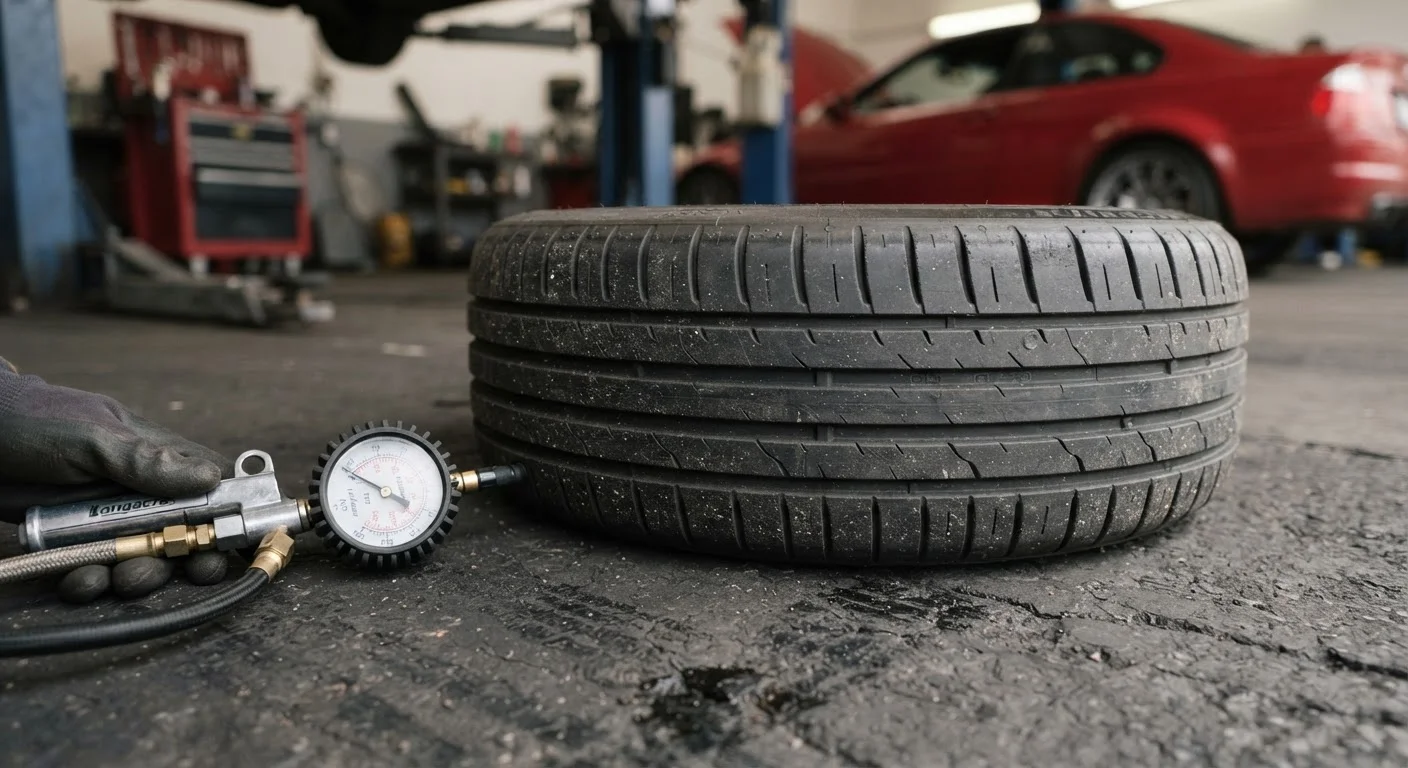
Tyre Pressure Gauge
Accurately measures tyre inflation so you can adjust to the correct PSI for the season.
Digital Multimeter or Battery Tester
Tests battery voltage and load capacity to flag a weak battery before it fails in cold weather.
Antifreeze / Coolant Tester
Checks the freeze and boil-over protection level of your coolant in about 30 seconds.
Tread Depth Gauge
Gives a precise measurement of remaining tyre tread so you know when replacement is needed.
Fluid-Safe Funnel & Rags
Makes topping off oil, coolant, or washer fluid cleaner and more controlled.
Terminal Cleaning Brush
Removes corrosion from battery terminals to restore a solid electrical connection.
Before heading out on any extended drive after your seasonal prep, pair this checklist with a pre-drive safety check to make sure nothing was missed in the moment.
Know Your DIY Limits
Fluid checks, tyre pressure, and visual inspections are generally safe for any capable driver. However, brake system work, electrical diagnosis, and cooling system repairs can pose real safety risks if done incorrectly. If you are uncertain about any step on this checklist, have a qualified mechanic perform that portion. Never work under a vehicle supported only by a floor jack - always use proper jack stands.
What to Pay Close Attention To Each Season
Fall into Winter: Battery and tyre readiness are the top priorities. Cold weather reduces battery output - a battery that barely coped in mild temperatures may fail entirely at freezing. Check tread depth and consider dedicated winter tyres if you're in a region with regular snow or ice. Our companion article on battery, alternator, and starter differences can help you interpret what you find during testing.
Spring into Summer: Shift focus to cooling system integrity and air conditioning function. Coolant that's become acidic or low in concentration can cause overheating - a serious and expensive problem. Also check all fluid levels after a hard winter, as seals and hoses are more prone to minor leaks once freeze-thaw cycles have stressed them.
For a broader view of how each scheduled service fits into this picture, see our guide to understanding your car's service schedule. And if wet or icy roads are ahead, review how your driving technique should change for rain, ice, and fog before you need it.
Don't Skip Tyres Before Winter
Tyre condition is the single most consequential safety item on this entire checklist. All-season tyres lose a measurable amount of grip below 45°F compared to dedicated winter tyres - a fact supported by automotive safety research. If you live where temperatures regularly drop below that threshold, swapping to winter tyres is one of the most impactful safety decisions you can make each year. See our full guide to tyre maintenance for a complete breakdown of pressure, tread, and replacement timing.