

Why a Pre-Drive Check Is Worth 20 Minutes of Your Time
Most long-drive breakdowns are not random bad luck. Blown tyres, overheating engines, and dead batteries are almost always preceded by warning signs that a brief pre-departure check would catch. Taking 20 minutes before you pull out of the driveway is far less costly - in time, money, and stress - than waiting for a tow truck on a busy interstate.
This checklist is designed to be run through systematically every time you prepare for a trip of two or more hours. It covers the mechanical basics your vehicle needs to be roadworthy, the visibility essentials that keep you and other drivers safe, and the emergency supplies that turn a potential crisis into a manageable inconvenience. For broader car maintenance guidance, including seasonal-specific checks, see our dedicated hub.
Dashboard Warning Lights Must Be Resolved First
If any warning light is illuminated on your dashboard when you start the car, do not dismiss it as a glitch and set off on a long journey. Some lights - particularly the oil pressure, engine temperature, and brake system warnings - indicate conditions that could result in vehicle damage or loss of control. Review what your dashboard warning lights mean and seek a mechanic's opinion before departing if you are uncertain.
What to Check and How to Do It
Work through each category below in order. Starting outside the vehicle and finishing inside keeps the process efficient and ensures you don't skip steps when you're eager to get moving.
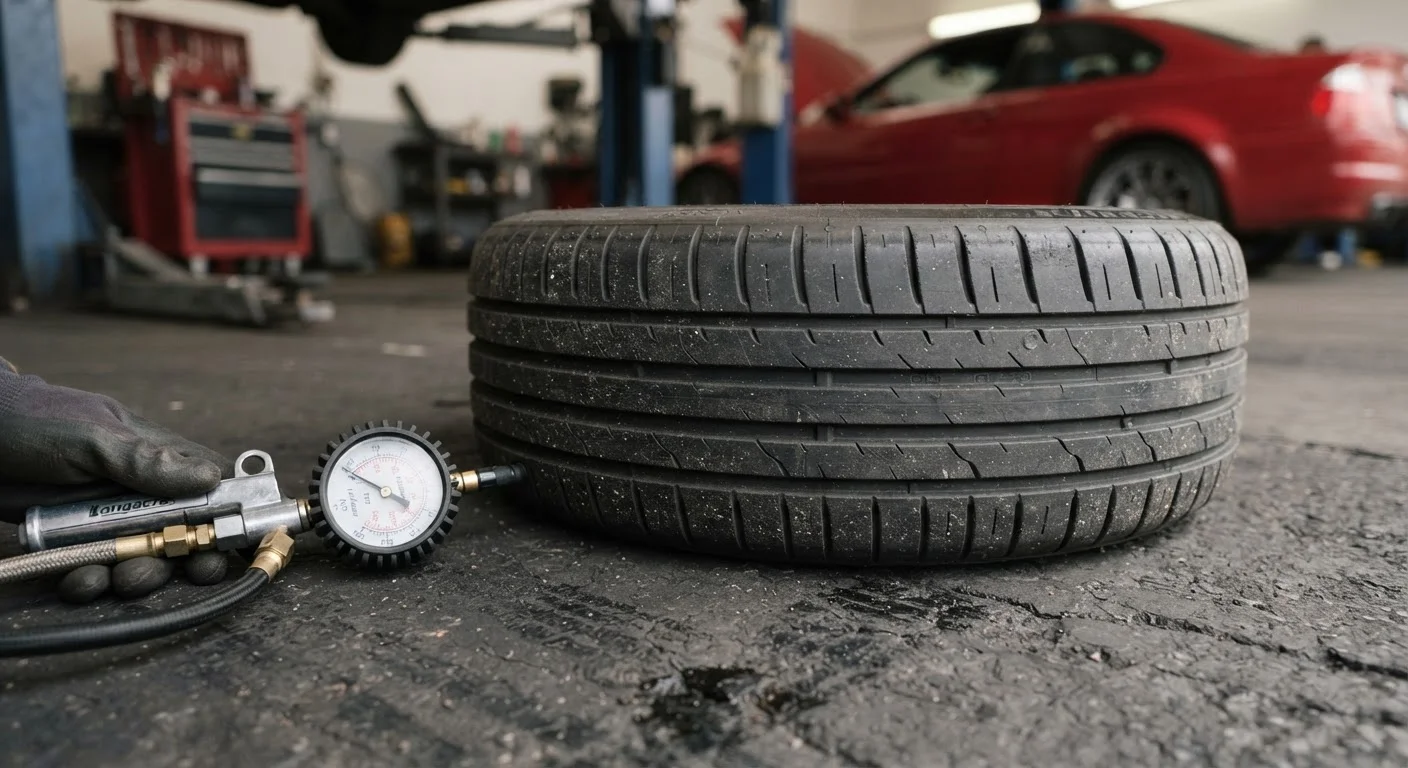
Tyre pressure gauge
Accurately measures tyre inflation so you can adjust to the manufacturer's recommended PSI before departure.
Tread depth gauge
Provides an exact tread depth reading to confirm tyres meet the legal minimum and are safe for highway use.
Spare bulb kit
Allows you to replace a blown headlight, brake light, or indicator on the road without visiting a shop.
Jumper cables or portable jump-start pack
Lets you restart a vehicle with a flat battery without waiting for roadside assistance.
Reflective warning triangles or road flares
Alert approaching traffic if you need to stop on a highway shoulder in an emergency.
First aid kit
Provides basic treatment supplies for minor injuries while awaiting professional help.
Flashlight or headlamp
Enables safe inspection under the hood or around the vehicle in low-light conditions.
Owner's manual
Contains vehicle-specific fluid grades, tyre pressures, and maintenance intervals critical for accurate checks.
Tyres
Fluids
Lights & Visibility
Mirrors, Wipers & Controls
Load & Cargo
Emergency Preparedness
For a deeper dive into tyre health - including rotation schedules and alignment signs - our complete tyre maintenance guide covers everything a driver needs to know. If you're preparing for your first motorway run, motorway driving for the first time pairs well with this checklist.
Never Open a Hot Radiator Cap
Checking coolant on a warm or hot engine is dangerous. The cooling system is pressurised and opening the cap can cause scalding fluid to eject forcefully. Always wait at least 30 minutes after switching off the engine before inspecting the radiator, and even then use a cloth over the cap and turn it slowly.
Low Brake Fluid Warrants a Professional Check
A brake fluid level that has dropped noticeably below the MIN mark is not simply a top-up situation. It can signal significant brake pad wear or a hydraulic leak - both serious safety issues. Do not depart on a long drive until a qualified mechanic has assessed the cause.
Beyond the Vehicle: Trip-Level Preparation
A safe vehicle is the foundation, but a well-prepared driver matters just as much. Before any significant road trip, confirm you have a route plan that accounts for rest stops - fatigue is a leading cause of highway incidents. The general guidance from highway safety bodies is to stop for at least 15 minutes every two hours and to never drive when you would normally be sleeping.
Weather is worth checking too. Conditions can shift dramatically over a long route, and knowing what's ahead lets you pack appropriate clothing, adjust tyre pressure for temperature swings (tyre pressure drops roughly 1 PSI for every 10°F fall in temperature), and decide whether to delay departure if a severe system is moving in. Pairing this vehicle check with a look at seasonal maintenance considerations will give you a comprehensive picture throughout the year.
If your road trip is part of a larger travel plan, the Travel Safety & Prep hub offers practical guidance on staying safe and organized from departure to return. And if your pre-trip budget needs as much attention as your pre-trip vehicle check, the pre-trip budget checklist is a useful companion resource.
This article provides general vehicle preparation information for educational purposes. It is not a substitute for advice from a qualified mechanic. If you are uncertain about any aspect of your vehicle's condition, consult a licensed professional before undertaking a long journey.