
Why Warning Lights Exist - and Why They're Easy to Misread
Modern vehicles monitor dozens of systems simultaneously, from engine temperature to tire pressure, and communicate problems through a standardized icon system on your instrument cluster. The challenge is that many drivers either panic at every light or, just as dangerously, ignore them entirely. Neither response serves you well.
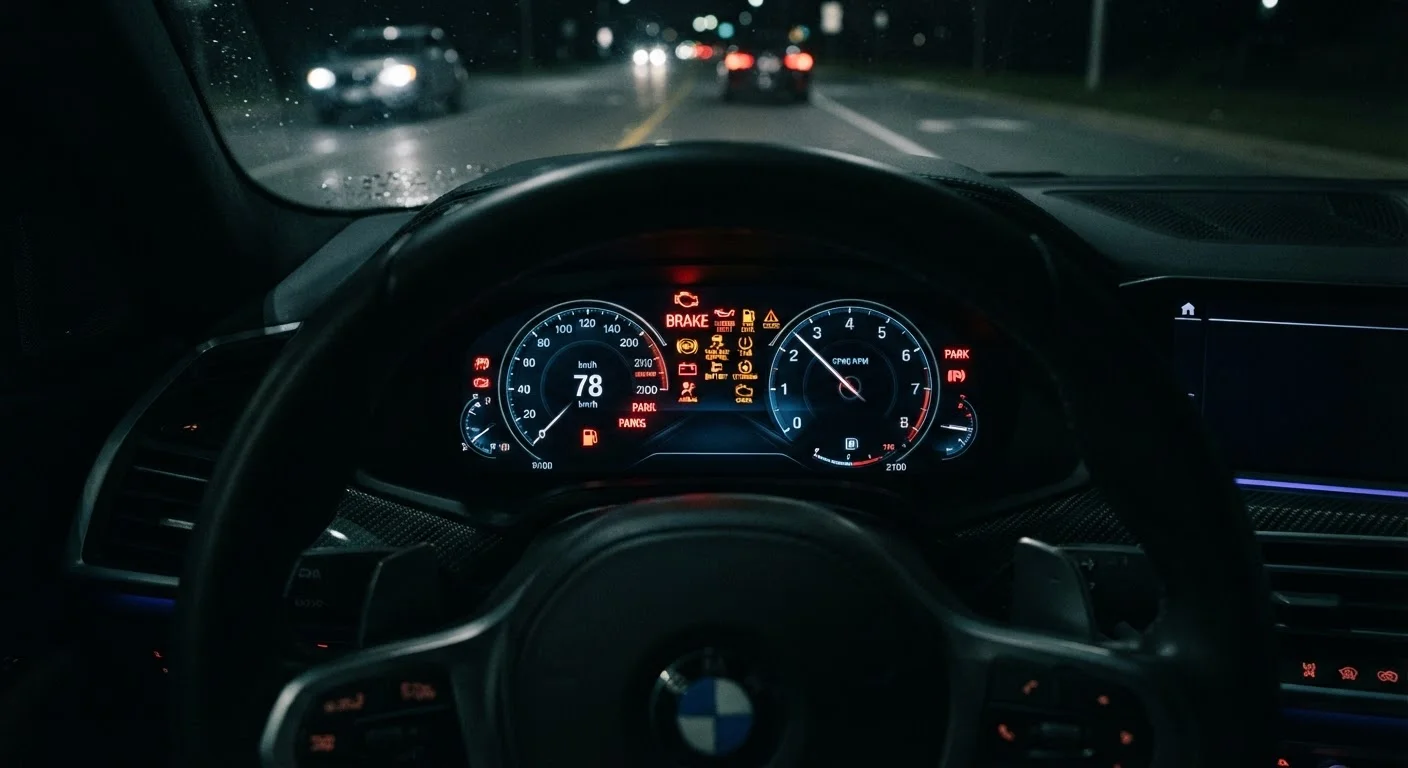
Warning lights fall into three broad urgency tiers: red signals a serious or immediate problem requiring you to stop driving soon; amber/yellow indicates something that needs attention but isn't necessarily an emergency; and green or blue simply confirms a system is active (think headlights or cruise control). Understanding this color logic alone helps you triage correctly before spending a dollar at the shop.
Before diving into individual lights, it's worth noting: always cross-reference any unfamiliar symbol with your vehicle's owner's manual. Manufacturers occasionally vary icon designs slightly, and your manual remains the authoritative source for your specific make and model.
OBD-II Scanner
An On-Board Diagnostics scanner that plugs into a standardized port (usually under the dashboard) to read fault codes stored by your vehicle's computer. These codes identify which system triggered the check engine light.
Instrument Cluster
The panel behind the steering wheel containing the speedometer, tachometer, fuel gauge, and all warning indicator lights. Most modern clusters are partially or fully digital.
Catalytic Converter
An emissions-control device in the exhaust system that converts harmful pollutants into less harmful gases. Engine misfires can overheat and permanently damage it, making replacement expensive.
TPMS
Tire Pressure Monitoring System - a sensor-based system that alerts the driver when one or more tires drops significantly below the recommended inflation pressure. Required on all new US passenger vehicles since 2008.
Fault Code (DTC)
A Diagnostic Trouble Code stored by the vehicle's onboard computer when a monitored system behaves outside expected parameters. Codes follow a standardized format (e.g., P0420) that identifies the system and nature of the fault.
Alternator
A generator driven by the engine's serpentine belt that produces electricity to power the vehicle's electrical systems and recharge the battery while the engine is running.
The Warning Lights Every Driver Should Recognize
Here are the most common dashboard indicators, what they signal, and how urgently you should act.
| Urgency: Red lights | Stop or act immediately |
| Urgency: Amber/yellow lights | Schedule attention soon |
| Urgency: Green/blue lights | Informational - system is active |
| Check engine: flashing vs. steady | Flashing = reduce speed immediately; steady = get code read soon |
| Free diagnostic scans | Available at many auto parts retailers |
| Correct tire pressure location | Driver's door jamb sticker - not the tire sidewall |
| TPMS mandatory in US since | 2008 (all new passenger vehicles) (NHTSA Federal Motor Vehicle Safety Standard 138) |
Check Engine Light (Amber Engine Outline)
Arguably the most misunderstood light on the dashboard. A steady check engine light means the onboard diagnostics system has logged a fault code - anything from a loose gas cap to a failing oxygen sensor. You can typically continue driving but should have the code read soon using an OBD-II scanner (available at many auto parts stores for free). A flashing check engine light is more urgent: it usually indicates a misfire that could damage your catalytic converter. Reduce speed and have it inspected promptly.
Oil Pressure Warning (Red Oil Can)
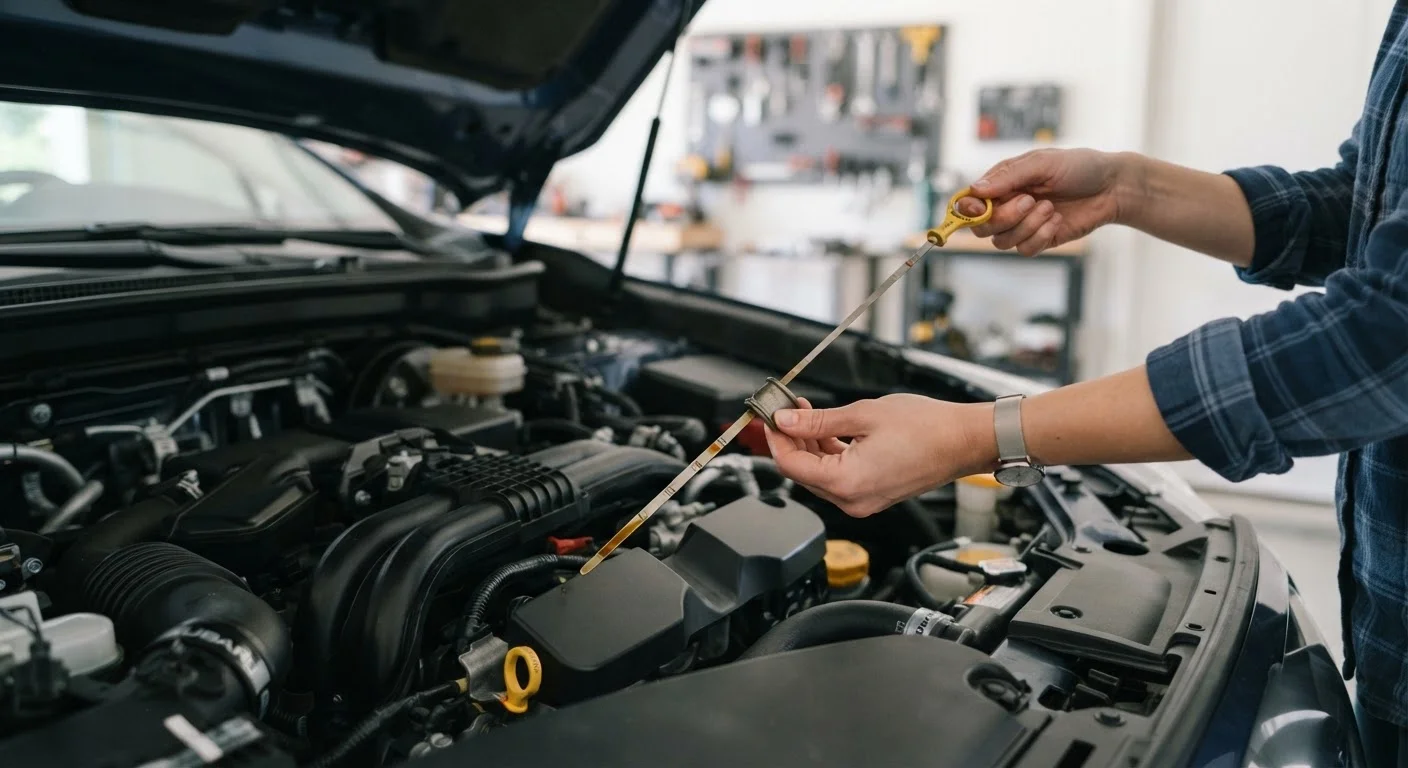
This is a stop driving now light. Low oil pressure means your engine's moving parts aren't being lubricated adequately, and driving further can cause catastrophic, irreversible engine damage within minutes. Pull over safely, shut the engine off, and check the oil level. If it's adequate and the light remains on after restarting, the vehicle needs professional diagnosis before being driven. See our guide to fluid checks to understand how to read your oil dipstick correctly.
Temperature Warning (Red Thermometer)
Your engine is overheating. Stop driving as soon as it is safe to do so, turn off the air conditioning, and if traffic prevents stopping immediately, turn the heater on full - it draws heat away from the engine. Never open the coolant reservoir cap when the engine is hot. Allow the engine to cool completely before inspecting. Continuing to drive an overheated engine risks warped cylinder heads, a repair that can cost thousands.
Battery / Charging System (Red Battery)
The charging system has a fault - typically the alternator isn't generating enough power. Your battery is running on reserve. Electrical systems will begin failing progressively. Minimize electrical load (turn off the A/C and radio), and drive directly to a mechanic or auto parts store for a charging system test. Don't turn the engine off if you can avoid it, as it may not restart.
Tire Pressure (TPMS - Amber Exclamation in Horseshoe)
One or more tires is significantly under-inflated. Correct tire pressure is printed on a sticker inside the driver's door jamb - not on the tire sidewall. Driving on under-inflated tires increases blowout risk and reduces fuel efficiency. Add air and check that the light clears. If it reappears after inflation, a slow leak or a faulty sensor may be the cause. Pair this habit with the pre-drive safety checklist before any long trip.
Brake Warning (Red Circle with Exclamation or "BRAKE")
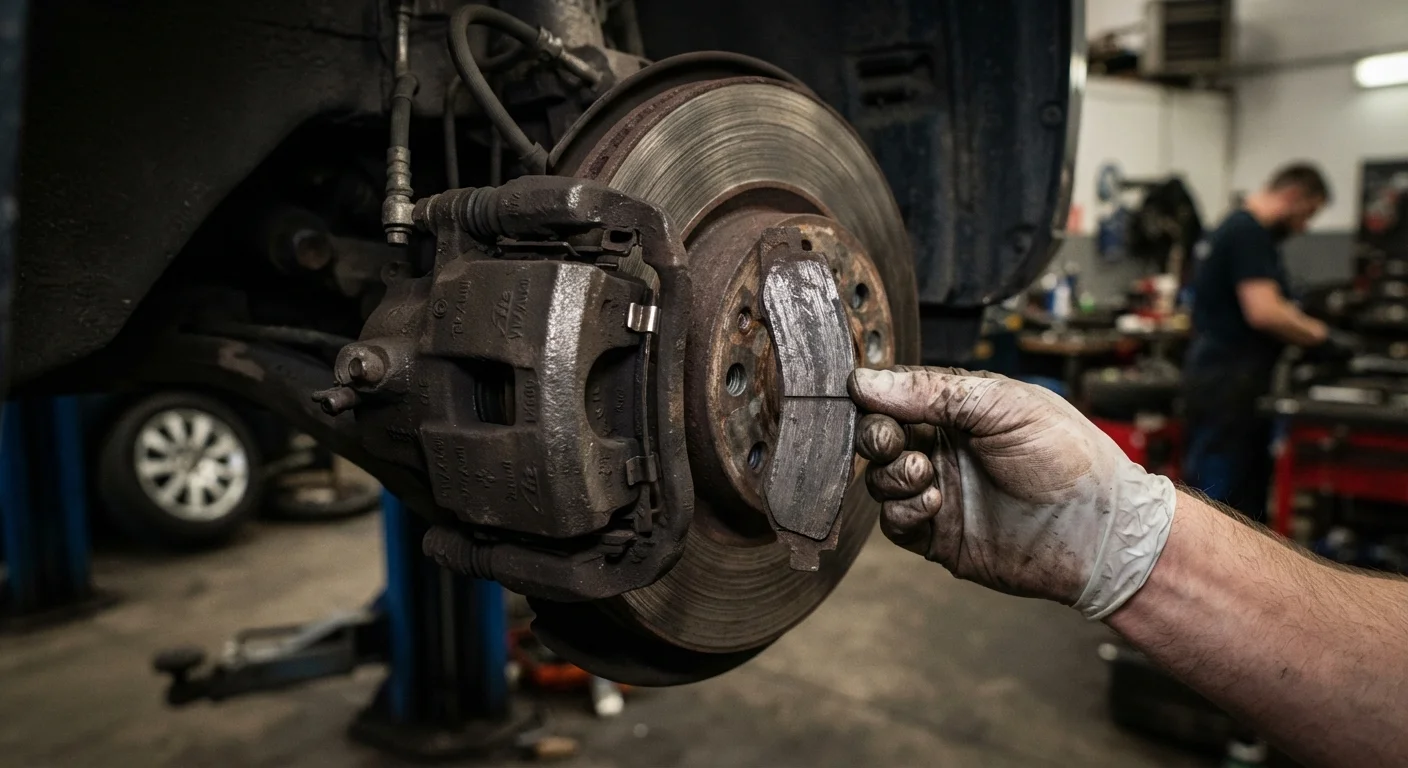
If the parking brake is off and this light appears while driving, check your brake fluid level immediately - low fluid can indicate a leak in the hydraulic system or severely worn brake pads. Either scenario affects your ability to stop. Do not ignore this light. If your brakes feel soft, spongy, or are making unusual sounds, learn what brake noises mean and seek professional inspection without delay.
What to Do When a Light Comes On
A structured response removes the guesswork and helps you avoid unnecessary repair costs.
- Identify the color. Red demands immediate action. Amber means schedule attention. Green/blue is informational.
- Consult your owner's manual. Find the exact symbol and read the manufacturer's guidance. Keep the manual in your glove box.
- Check the basics yourself first. For many lights - oil, coolant, tire pressure, gas cap - a simple visual check resolves the issue or confirms you need help.
- Get a diagnostic scan if the check engine light is on. Many auto parts retailers offer free OBD-II scans. The fault code narrows down the problem before you talk to a mechanic, giving you more informed footing.
- Don't clear codes without fixing the underlying issue. Erasing a fault code without addressing its cause delays diagnosis and can mask a worsening problem.
For a broader look at what to monitor before and during a drive, the Driver Know-How hub covers essential knowledge on safety and smart habits for all types of drivers.