
The Squeal: What It's Trying to Tell You
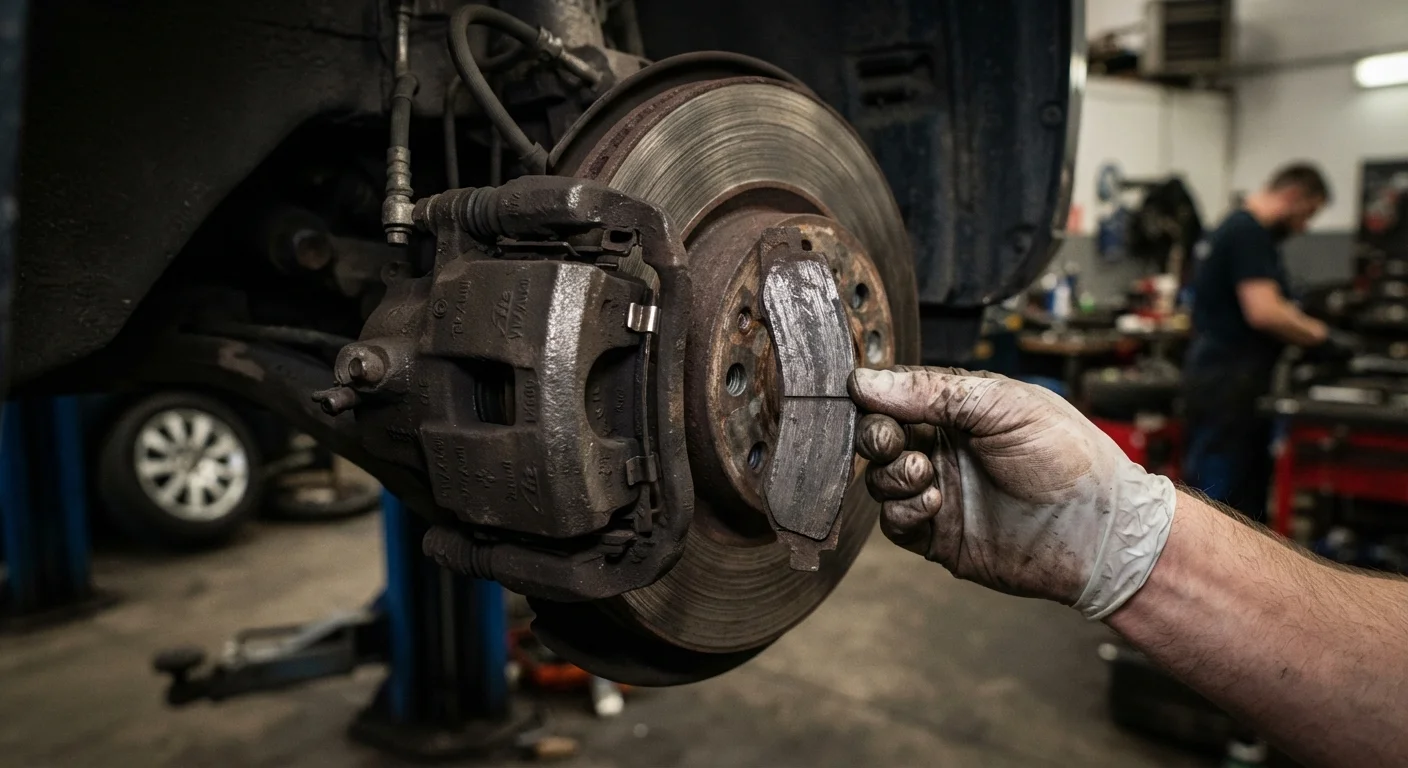
A high-pitched squeal during braking is the most common brake complaint drivers report - and it has a well-engineered purpose. Most modern brake pads include a small metal wear indicator, a thin tab designed to contact the rotor when pad material drops to a critically low level. The resulting squeal is deliberate: it's an audible alert that replacement is overdue.
If the squeal disappears once you press the brake pedal firmly, the indicator may be making intermittent contact at low pressure. Either way, it's worth scheduling an inspection soon rather than waiting until the sound becomes constant.
Not every squeal is urgent, however. Light surface rust on rotors - common after rain or an overnight park - produces a brief scraping or squealing sound that clears after a few stops. Similarly, some high-performance or semi-metallic pad compounds run noisier than organic alternatives by design. Context matters: a squeal that persists consistently across all driving conditions is different from one that fades after your first few applications of the brakes.
Listen Without the Radio On
To accurately characterise a brake noise, take a short drive with the windows slightly open and audio off. Note whether the sound occurs only when braking, or also when coasting - a noise that appears even without brake pressure often points to wheel bearing or rotor debris rather than pad wear.
Grinding: The Sound You Should Never Ignore
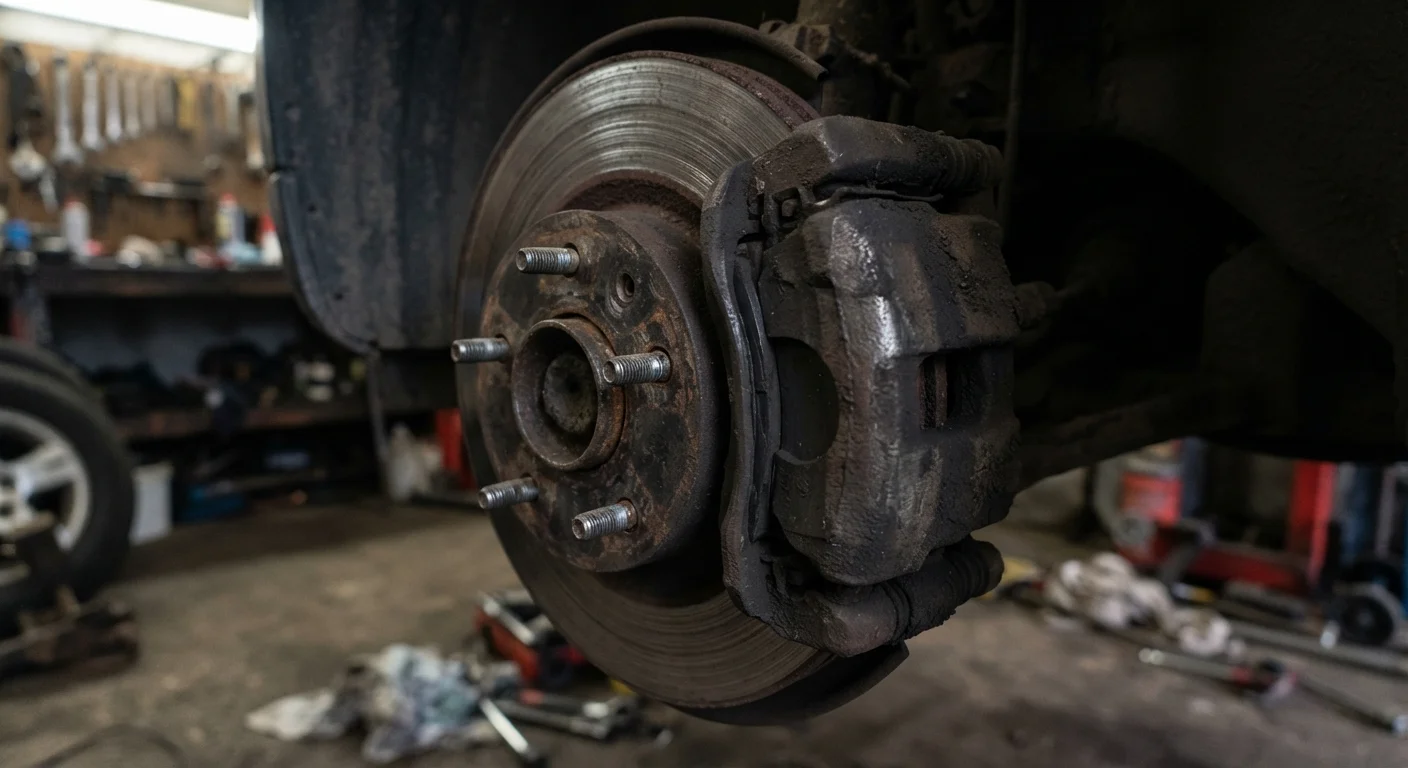
A grinding or growling noise during braking is a more serious signal. It almost always means brake pads have worn through their friction material entirely, leaving metal backing plates in direct contact with the rotor. At that stage, every stop is scoring the rotor surface.
Rotors that have been ground down may need full replacement rather than resurfacing, turning a modest pad replacement into a substantially more expensive job. In severe cases, a seized caliper - which holds the brake pad against the rotor - can cause grinding even on relatively new pads. The caliper can fail to release, generating heat and uneven wear.
~$300-$800
Typical cost to replace rotors vs. pads alone
Allowing pads to wear completely through and damage rotors can multiply repair costs several times over compared to a timely pad replacement.
25,000-70,000 mi
Typical brake pad lifespan range
The wide range reflects differences in driving style, vehicle type, and pad material - city drivers typically reach the lower end of this range.
If you notice grinding paired with the vehicle pulling to one side during braking, that asymmetric drag is a strong sign of a caliper or brake hardware problem that affects vehicle control. Do not delay seeking professional evaluation. Driving habits that involve frequent hard stops accelerate wear; see how common driving habits shorten component life for more context.
Pulsing, Clicking, and Other Brake Noises Explained
A pulsating brake pedal - one that pushes back rhythmically against your foot as you slow down - points to rotor problems rather than pad wear. Rotors can warp from heat cycles, aggressive braking, or being cooled too quickly (for example, driving through a puddle with hot brakes). Uneven thickness across the rotor surface causes the pad to grab and release in a cycle you feel through the pedal and sometimes the steering wheel.
A clicking or rattling sound when you first apply the brakes can indicate loose brake hardware. Pads sit in metal brackets called caliper slides or shims; if anti-rattle clips are missing, worn, or improperly installed, pads can shift slightly and produce a knock or click. This is often a simpler fix but still warrants professional attention.
A soft, low scrape that only occurs at very slow speeds - say, while rolling through a parking lot - is sometimes caused by road debris (a small stone, for example) lodged between the pad and rotor. It may dislodge on its own, but if it persists, have it checked to avoid unnecessary scoring of the rotor surface.
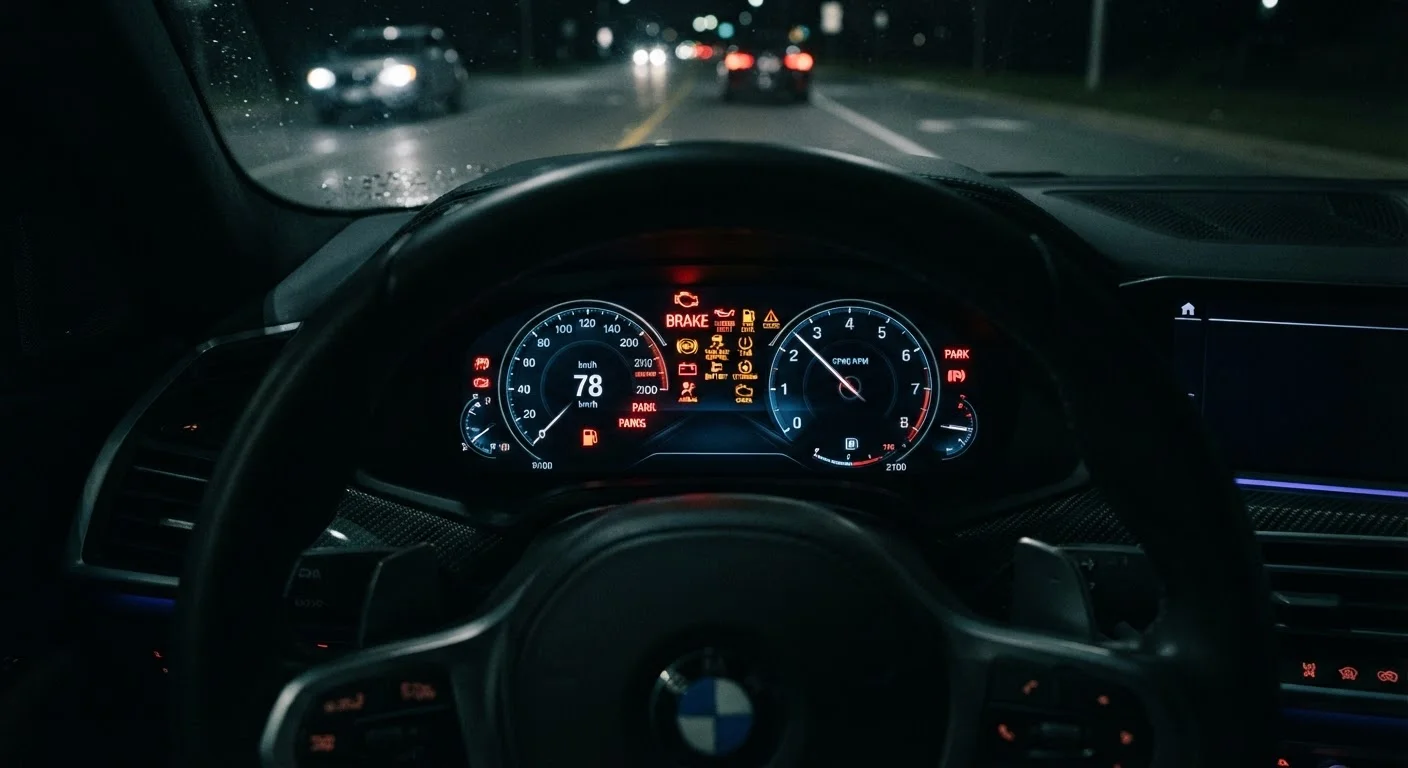
Always pair brake noise with other symptoms for a fuller picture. A spongy pedal alongside any noise is a potential hydraulic system concern. Dashboard warning lights add further urgency - see our guide on what your car's warning lights actually mean to help prioritise your response.
When to Skip Waiting for an Appointment
If brake noise is accompanied by a significant increase in stopping distance, the vehicle pulling sharply to one side, a burning smell after driving, or a brake warning light, treat this as a same-day concern. These combinations suggest the braking system may be compromised in a way that affects safe vehicle operation.
This article is for general informational purposes only. Brake system diagnosis and repair should always be performed by a qualified mechanic. Never delay addressing brake concerns that affect vehicle control or stopping ability.