
Why Budget First, Destination Second
Most people start trip planning by picking a place they want to go, then work backward to figure out if they can afford it. That approach almost always results in either overspending or disappointment. The smarter sequence is to establish your hard financial ceiling first - then let that number guide where and how you travel.
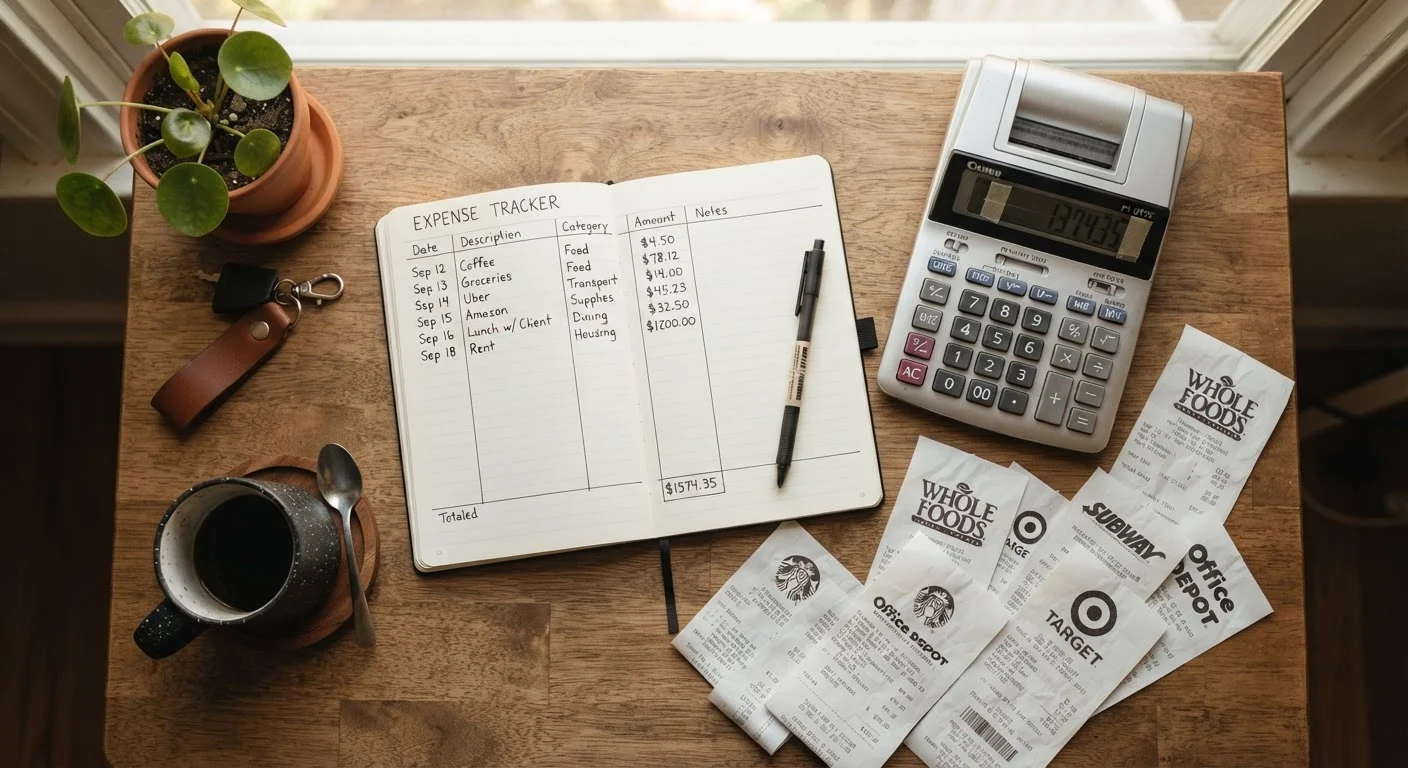
If you don't already have a clear picture of your discretionary savings, work through a spending audit before this process. See where your money actually goes to get that honest baseline. Once you know your available travel fund, you can plan with real numbers rather than optimistic guesses.
Your total budget must cover every category: flights, accommodation, ground transport, food, activities, travel insurance, visa or entry fees, and an emergency buffer. Travelers routinely undercount. For a detailed look at what gets missed, see the overlooked costs that quietly blow travel budgets.
Start With a Number, Not a Dream
Writing down your hard budget ceiling - before you open a single flight search - is the single habit that separates travelers who stay on budget from those who don't. It takes two minutes and changes every decision that follows. If you're unsure what number is realistic, budgeting basics can help you build a clearer financial picture first.
Choosing a Destination That Fits Your Budget
With a fixed budget in hand, you can now evaluate destinations by their actual cost structure. Consider three variables: flight cost from your nearest airport, average daily cost on the ground (accommodation plus food plus local transport), and the number of days you want to travel.
A simple formula: subtract your estimated round-trip flight cost from your total budget, then divide the remainder by the number of travel days. That gives you a rough daily allowance. If the number is realistic for the destination you're considering, it's a viable choice. If it's not, you have three levers: choose a cheaper destination, shorten the trip, or save more before you go.
For grounded destination research that goes well beyond highlight reels, move past top-10 lists to understand local transport costs, entry requirements, and seasonal pricing before committing.
Don't Anchor on Advertised Prices
Flight and hotel prices shown in search results often exclude taxes, fees, and add-ons that can increase the total by 20-40%. Always click through to the final checkout price before recording any cost in your budget. Comparison-shopping based on headline prices routinely produces budget shortfalls once real totals emerge.
Step-by-Step: Building Your Trip Plan
Follow these steps in order. Skipping ahead - especially to booking - before earlier steps are complete is how budgets collapse.
What you will need
Set your hard budget ceiling
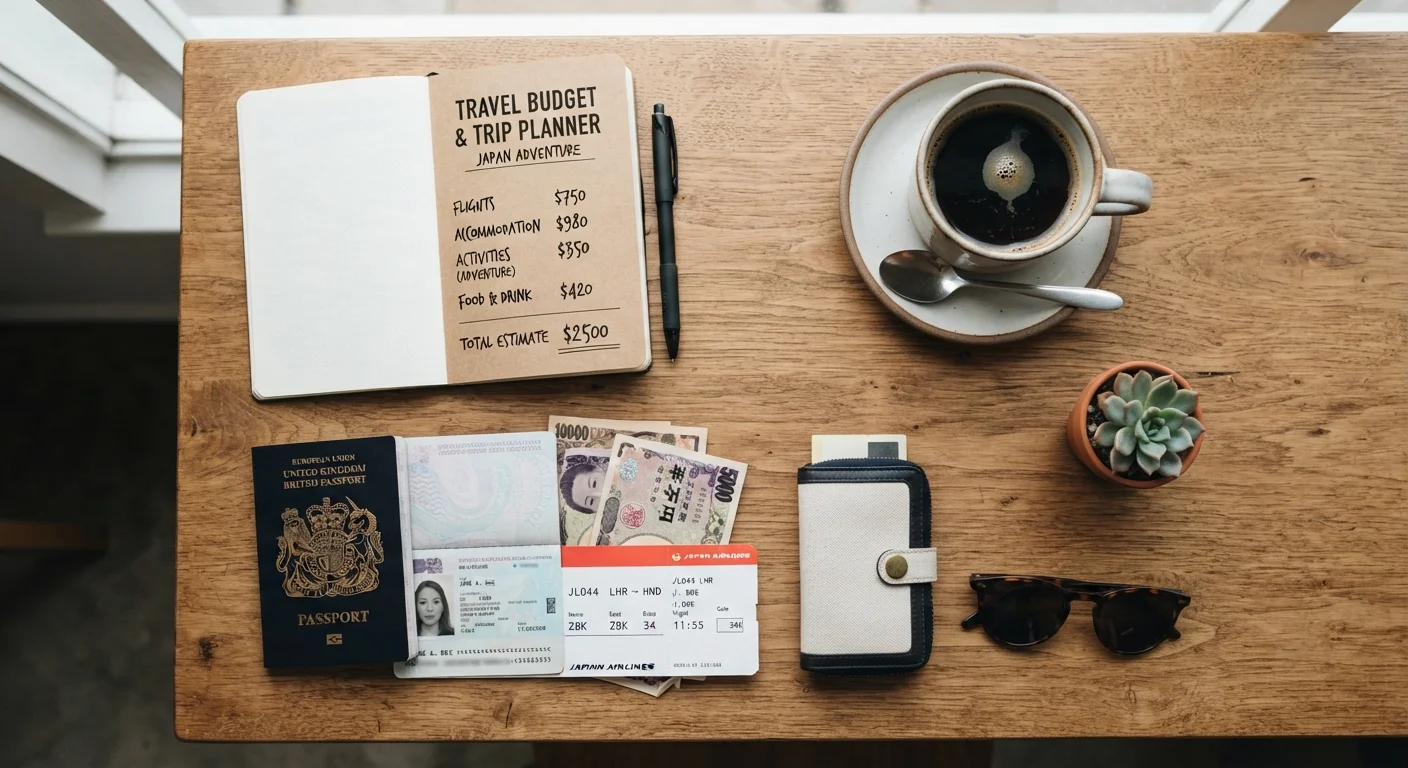
Write down the exact dollar amount available for this trip - money already saved or a realistic savings target with a date. Do not use a range. A single number creates accountability. Divide it into categories: transport (flights + local), accommodation, food, activities, insurance, entry costs, and a 10-15% emergency buffer.
Identify flexible travel dates
Before choosing specific dates, check whether your schedule allows flexibility of even a few days on either end. Flight prices vary significantly by day of week and how far in advance you book. Mid-week departures and returns often price lower than weekend travel. Use flexible-date search tools on flight search engines to compare a range of dates visually before committing to anything.
Research your destination's real cost of travel
Look up average accommodation costs for the dates you're considering (hostels, guesthouses, or budget hotels), typical meal costs at local non-tourist restaurants, and how locals get around. Add these up to establish a realistic daily rate. Cross-check with traveler forums and recent trip reports - published averages can lag real conditions.
Verify entry requirements and add their costs
Check visa requirements, vaccination requirements, and any entry fees for your destination. These are non-negotiable costs that belong in your budget before anything else is confirmed. Always verify through official government sources - your own country's foreign affairs department and the destination country's official immigration portal. Do not rely on third-party travel sites for definitive entry information, as requirements change.
Plan your packing strategy before booking flights
Decide whether you'll travel carry-on only or check a bag before you book flights - because many carriers charge separately for checked luggage and that cost must be factored into your flight comparison. Carry-on-only travel eliminates those fees and speeds up airport time, but it requires deliberate packing. Carry-on-only travel has real trade-offs worth understanding before you commit.
Book in the right order
Book flights first - they're the least flexible and most price-volatile element. Once flights are confirmed, book accommodation for at least the first night and any stays with limited availability (popular hostels, small guesthouses). Leave some accommodation flexible so you can adjust based on how the trip unfolds. Don't pre-book every activity - many on-the-ground experiences are cheaper booked locally or free entirely.
Set a daily spending limit and a tracking method
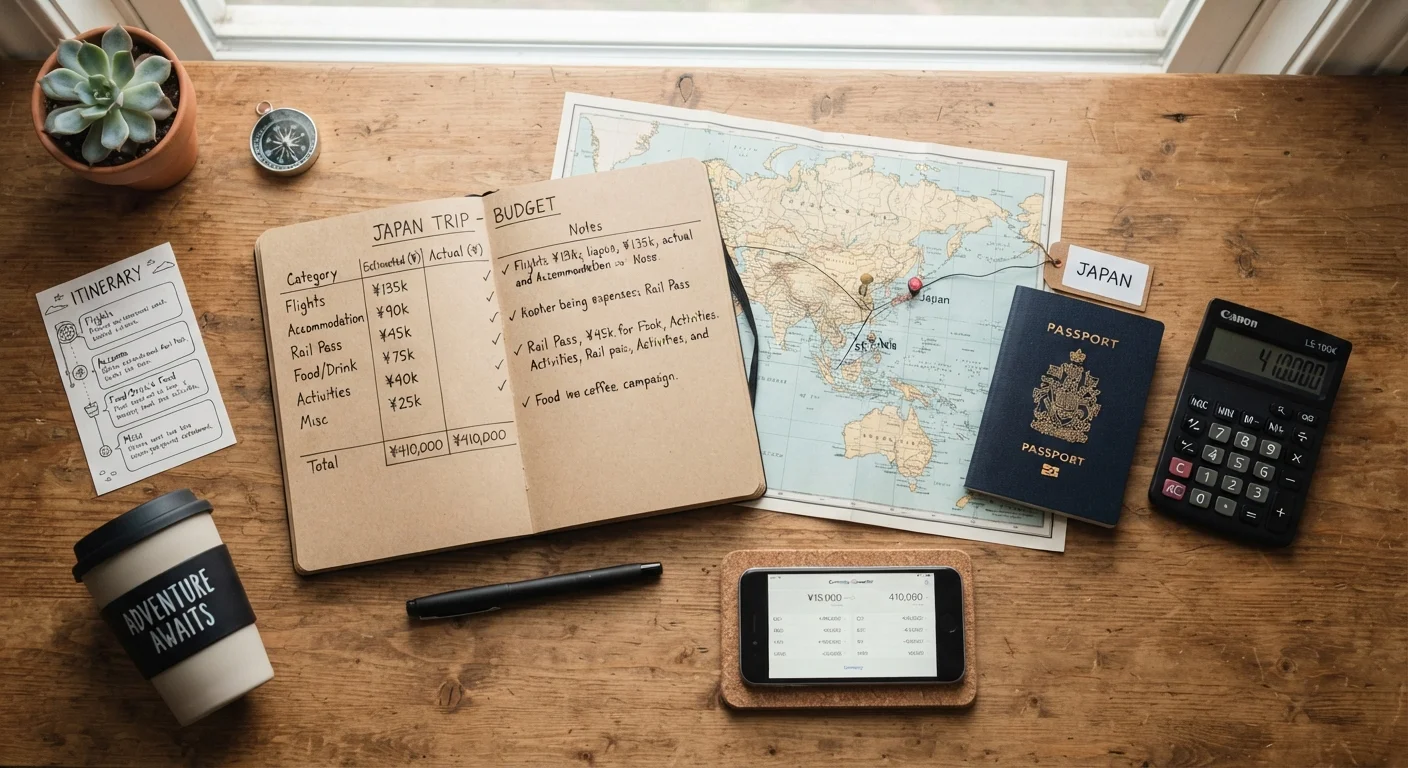
Before departure, calculate your remaining budget after fixed costs (flights, pre-booked accommodation, insurance, visa fees) and divide it by travel days. That's your daily allowance. Choose a tracking method you'll actually use: a notes app, a simple spreadsheet, or a dedicated travel budget app. Log every expense in real time - waiting until the end of the day means missing small costs that add up.
Once you've completed this walkthrough, use the pre-trip budget checklist as a final verification before any money changes hands. It's designed to catch the gaps this process may leave.
Managing Money Once You're Traveling
Planning ends at departure - then execution begins. The single most effective on-the-ground habit is tracking every expense against your daily allowance in real time, not at the end of the trip when overages are already locked in.
Food is typically your most flexible expense category. Eating affordably while traveling doesn't mean sacrificing quality - it means knowing where locals eat and avoiding the tourist-facing markup. Similarly, most cities offer substantial free or low-cost experiences. Experiencing a city like a local often costs far less than packaged tours deliver in actual value.
For a broader framework covering planning through execution and everything in between, the budget traveler's complete handbook covers strategy, tools, and mindset in one place.