
Why Paid Tours Aren't the Only Path
Tourist infrastructure exists to serve visitors - but it also creates a kind of parallel city that locals rarely inhabit. Paid walking tours, hop-on buses, and attraction bundles deliver convenience, but they tend to filter experience through a commercial lens. The streets outside those tours often hold something more honest.
The good news: most cities are designed with residents in mind first. That means transit systems, public spaces, markets, libraries, and community programming are all built to serve everyday life - and they're typically accessible to visitors at little or no cost. Knowing where to look is the only real skill required.
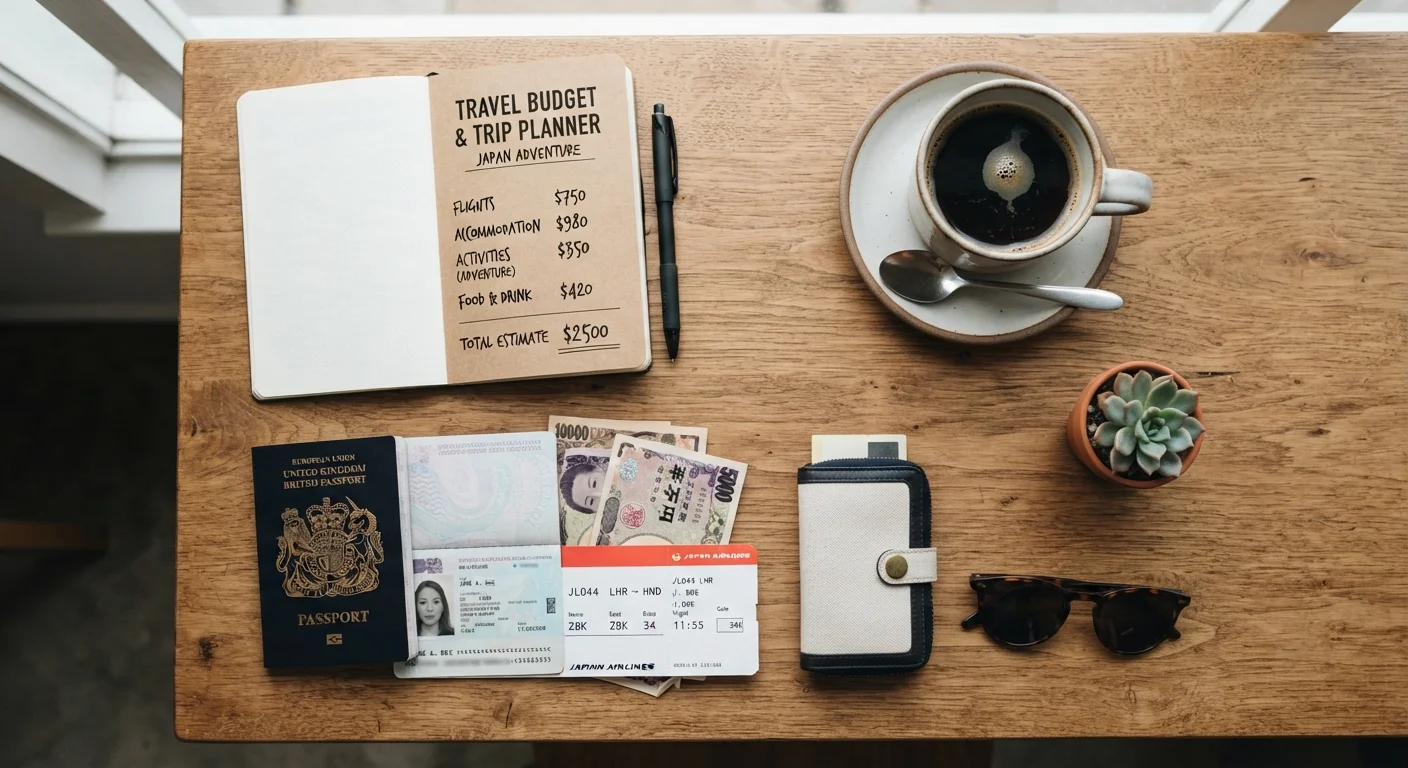
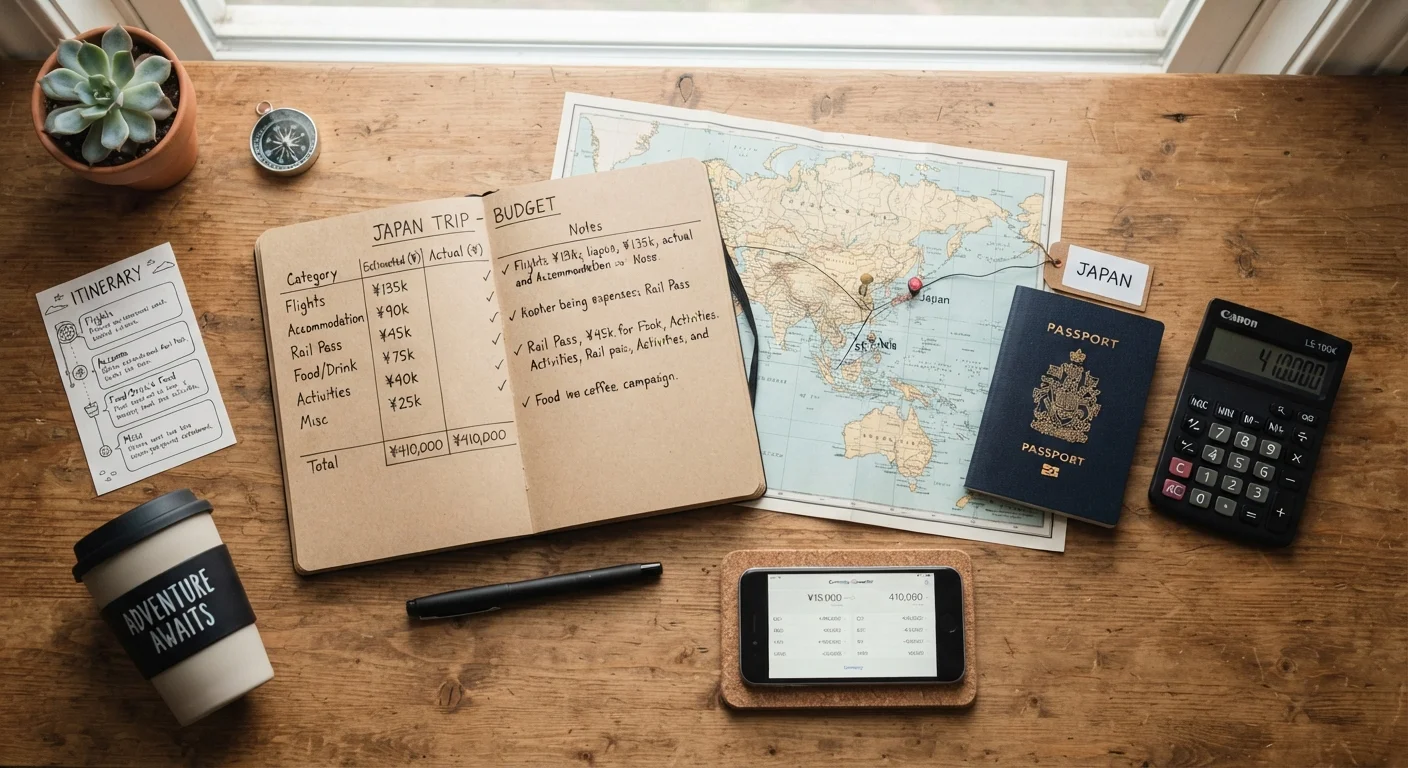
Before you arrive, it's worth understanding how activity costs fit into your total trip budget. Our guide to hidden travel costs breaks down the expenses most travelers underestimate. Once you have that picture, you can redirect money toward experiences that actually matter to you.
Walk a Neighborhood Off the Tourist Map
Residential neighborhoods adjacent to popular districts often have more character and far fewer crowds. A self-guided walk through a working-class or arts district - using a free city map or open-source tool like OpenStreetMap - costs nothing and reveals architecture, street art, small shops, and daily rhythms that curated tours skip entirely.
Look for neighborhoods that locals recommend on city subreddits or travel forums focused on resident perspectives. Give yourself an hour with no agenda and you'll rarely be disappointed.
Residential neighborhoods adjacent to tourist zones often hold the city's real character.
Use the Public Library as a Visitor Resource
Many urban libraries offer temporary visitor cards or day passes that unlock more than just books. Free Wi-Fi, maps, local newspaper archives, cultural programming, and sometimes free museum or attraction passes are all common library perks. Some systems partner with local institutions to offer residents - and registered visitors - complimentary access.
It's worth spending 15 minutes on the library's website before your trip. The resource page alone often reveals free events happening during your stay.
Public libraries frequently offer free museum passes, local event listings, and visitor day cards.
Time Your Museum Visits Around Free-Entry Days
A large number of museums - including many major institutions - offer free general admission on specific days or evenings. This is sometimes funded by municipal government or corporate sponsorship and applies to permanent collections. Hours can be limited and crowds may be heavier, but the trade-off is access to world-class exhibits at no cost.
Search the museum's own website rather than relying on third-party listings, which are sometimes outdated. Free evenings are particularly common on the first Friday or Sunday of each month.
Most major museums offer at least one free public admission window per month - check directly.
Shop and Eat at Public Markets
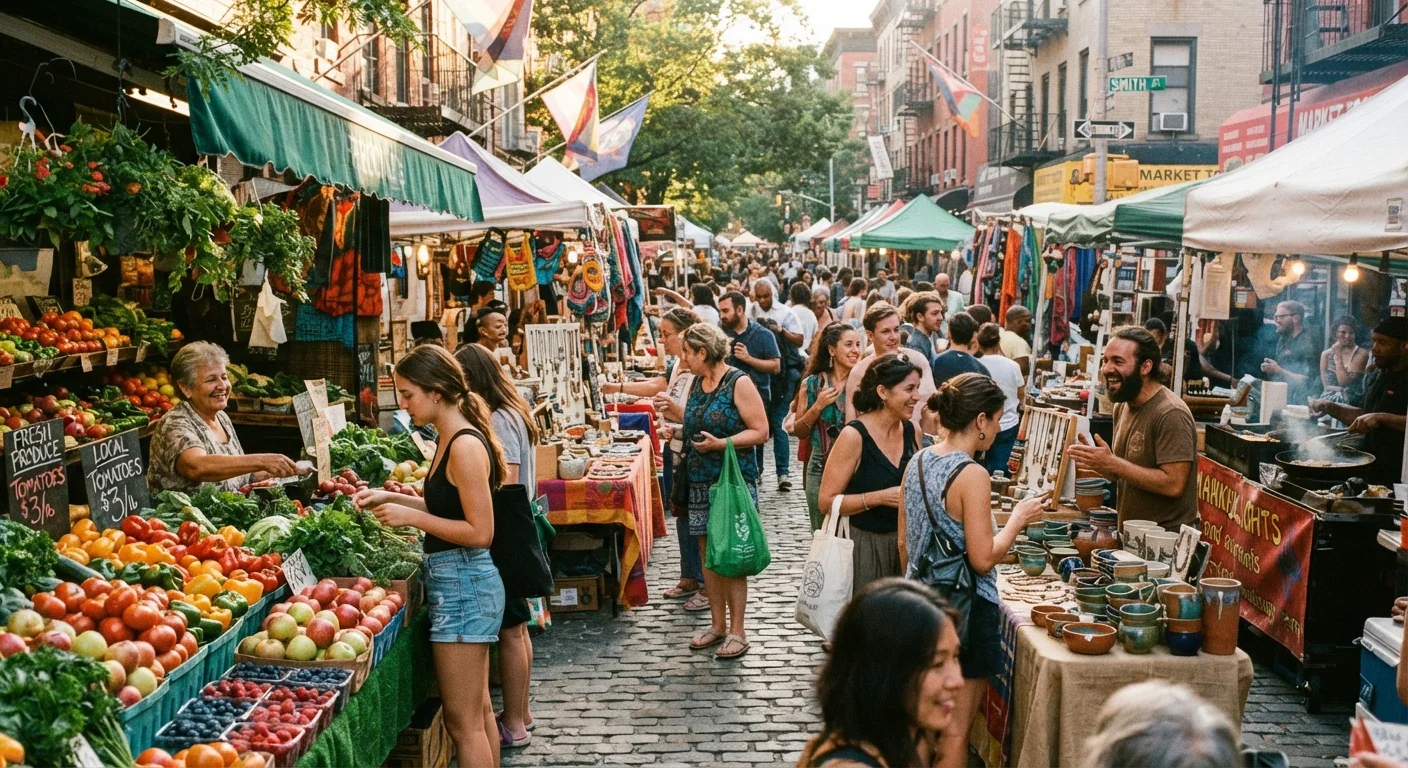
A city's public market - farmers' market, covered market hall, or street food plaza - is often the most honest representation of local food culture available to a visitor. Prices are typically lower than tourist-oriented restaurants, and the range of local ingredients, prepared foods, and vendors reflects what residents actually eat and value.
Going mid-morning on a weekday avoids peak crowds. For a deeper look at eating affordably without sacrificing quality, see our strategies for eating well on a travel budget.
Public markets offer authentic local food culture at prices designed for residents, not tourists.
Attend Free Community and Cultural Events
Cities host a continuous calendar of free public programming: outdoor concerts, film screenings, cultural festivals, neighborhood fairs, open-air theater, and civic ceremonies. These aren't manufactured for visitors - they're events locals actually attend, which makes them far more immersive than paid cultural experiences designed for tourist consumption.
City government websites, community boards, and local event aggregators (many public libraries list these) are reliable sources. Searching for free events during your specific travel dates takes about ten minutes and often turns up multiple options.
Community events are designed for residents - which makes them the most authentic experiences available.
Ride Public Transit Beyond the Tourist Loop
A single transit fare can take you across an entire city. Rather than using the subway only to get between attractions, treat a bus or metro ride as an activity in itself. Commuter routes through residential areas give you a window into daily urban life that no tour replicates. Ferry routes, where available, double as scenic waterway tours at standard transit prices.
Many cities also offer 24- or 72-hour transit passes aimed at visitors that provide unlimited rides for a flat fee - often cheaper than ride-share costs for just a couple of trips.
Riding local transit beyond the tourist core is one of the cheapest and most revealing city experiences.
Spend Time in Urban Parks and Public Waterfronts
Major urban parks are free, well-maintained, and heavily used by residents for recreation, socializing, and relaxation. They also host informal events - weekend sports, outdoor yoga, pop-up markets - that are invisible from hotel concierge desks. Waterfronts, plazas, and public gardens fall into the same category: high-quality public spaces with no admission cost.
Parks are especially valuable for understanding the social texture of a city. A Saturday afternoon in a well-used public park tells you more about local culture than most paid experiences.
Urban parks reveal the social life of a city in ways that paid attractions simply cannot replicate.
Making It Work Before and During Your Trip
The strategies above work best when combined. A morning at a free museum, lunch from a market stall, an afternoon in a public park, and an evening community event can make for a genuinely full day - with minimal spend. The key is light planning: check city and library websites in advance, look up any free museum days for your travel dates, and download any relevant city apps before you lose access to cheap data.
Check City Apps and Official Tourism Portals
Many city tourism offices publish free official apps or dedicated web pages listing no-cost events, free museum days, and self-guided walking routes. These are curated by people with local knowledge and updated regularly. Before your trip, spend a few minutes on the destination city's official tourism website - it's often the most reliable single source for free programming during your stay.
For everything else - food costs, getting to and from the city, and finding affordable accommodation - see our low-cost trip planning walkthrough for a structured approach that covers the full picture.
This article provides general travel information for educational purposes. Availability of free programs, events, and facilities varies by city and may change. Always verify details with official local sources before your trip.