
The Fare Gap Is Real - But So Are the Extras
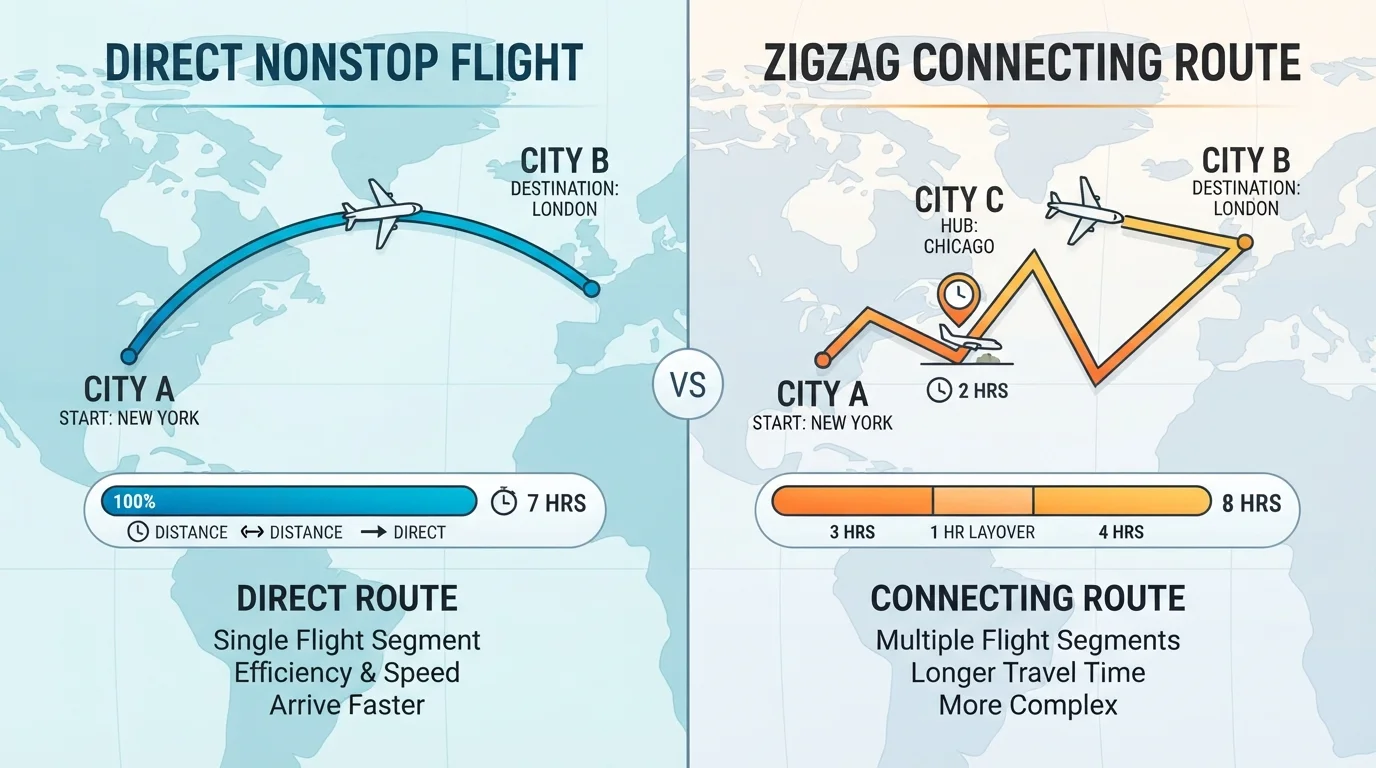
Connecting flights routinely show lower base fares than direct routes to the same destination. That price difference is real, but it's rarely the whole story. The actual cost of a connecting itinerary includes what you spend during the layover - airport meals, drinks, lounge access if you buy it, or a hotel if the connection stretches overnight.
A four-hour layover at a major hub airport, for example, can easily cost $30-$60 in food and beverages alone. An overnight connection requiring a hotel adds $100 or more in most US cities, plus ground transportation. These costs are out-of-pocket and untracked by fare comparison tools.
For a fuller picture of what travel actually costs before you leave home, see the overlooked costs that quietly blow travel budgets.
| Criterion | Direct Flight | Connecting Flight |
|---|---|---|
| Base fare | Typically higher | Typically lower |
| Layover food & drink cost | None | $30-$100+ depending on duration |
| Missed connection risk | None | Moderate to high |
| Total travel time | Shorter | Longer (often significantly) |
| Baggage misrouting risk | Low | Higher, especially across carriers |
| Rebooking protection | Single airline responsibility | Varies; gaps if split tickets used |
| Best for flexible schedules | No advantage | Yes, if layover is usable |
Risk: What Happens When Things Go Wrong
Direct flights carry a single point of failure: your one flight. Connecting itineraries multiply that risk across each leg. A delay on the first flight that causes a missed connection triggers a cascade - rebooking queues, potential overnight stays, and in some cases, out-of-pocket expenses if the disruption falls outside the airline's control (weather, for instance).
Travelers who book connecting flights across two separate airline tickets - a common pattern when piecing together cheaper fares through aggregators - have even less protection. If the first flight delays and you miss the second, the second carrier has no obligation to rebook you. That risk is entirely yours.
Same-Carrier vs. Split-Ticket Connections
A connecting itinerary booked as a single reservation under one carrier differs significantly from two separately purchased tickets. On a single reservation, airlines are generally responsible for rebooking you if a delay causes a missed connection. On split tickets - common when mixing low-cost and legacy carriers for savings - each ticket is independent. Missing one leg does not give you automatic rights on the next. Always confirm your booking structure before assuming you're protected.
Understanding how booking channels affect your protections is worth the research. Booking direct versus using an aggregator affects more than just price - it shapes what recourse you have when disruptions occur.
Time Has a Price Tag Too
A two-hour layover becomes four hours once you account for deplaning, navigating the terminal, clearing any security re-checks, and boarding again. For travelers using paid time off, that time has a literal dollar value. For families with young children, it's an endurance test with real emotional cost.
Run a simple calculation: if your connecting flight saves $120 but costs five extra hours of travel time, and your hourly time value is $25 or more, the math flips. Direct flights don't always cost more in real terms - they just show a higher number at checkout.
40%
Share of flight delays caused by weather
The Bureau of Transportation Statistics consistently identifies weather as the leading cause of U.S. flight delays, a factor airlines are not required to compensate for.
2-3x
Higher missed-connection rate on split-ticket bookings
Industry travel analysts note that split-ticket connecting itineraries carry meaningfully greater disruption exposure than single-carrier bookings, though exact rates vary by route and season.
That said, some travelers actively use long connections as mini-layover destinations - exploring a hub city for half a day before continuing. If that appeals to you, a connecting flight can deliver value a direct flight never could.
When Connecting Flights Genuinely Win
There are scenarios where a connecting flight is the smarter financial call. When the fare gap is substantial - generally $150 or more per person - and you're traveling light with carry-on only, the economics shift. You avoid bag-misrouting risk, skip checked luggage fees, and keep layover spending minimal with food packed from home.
Connections also win when no direct route exists. Many smaller regional airports have no nonstop service to international destinations; a connection isn't a choice, it's a necessity. In those cases, the comparison isn't direct vs. connecting - it's which connection is best structured.
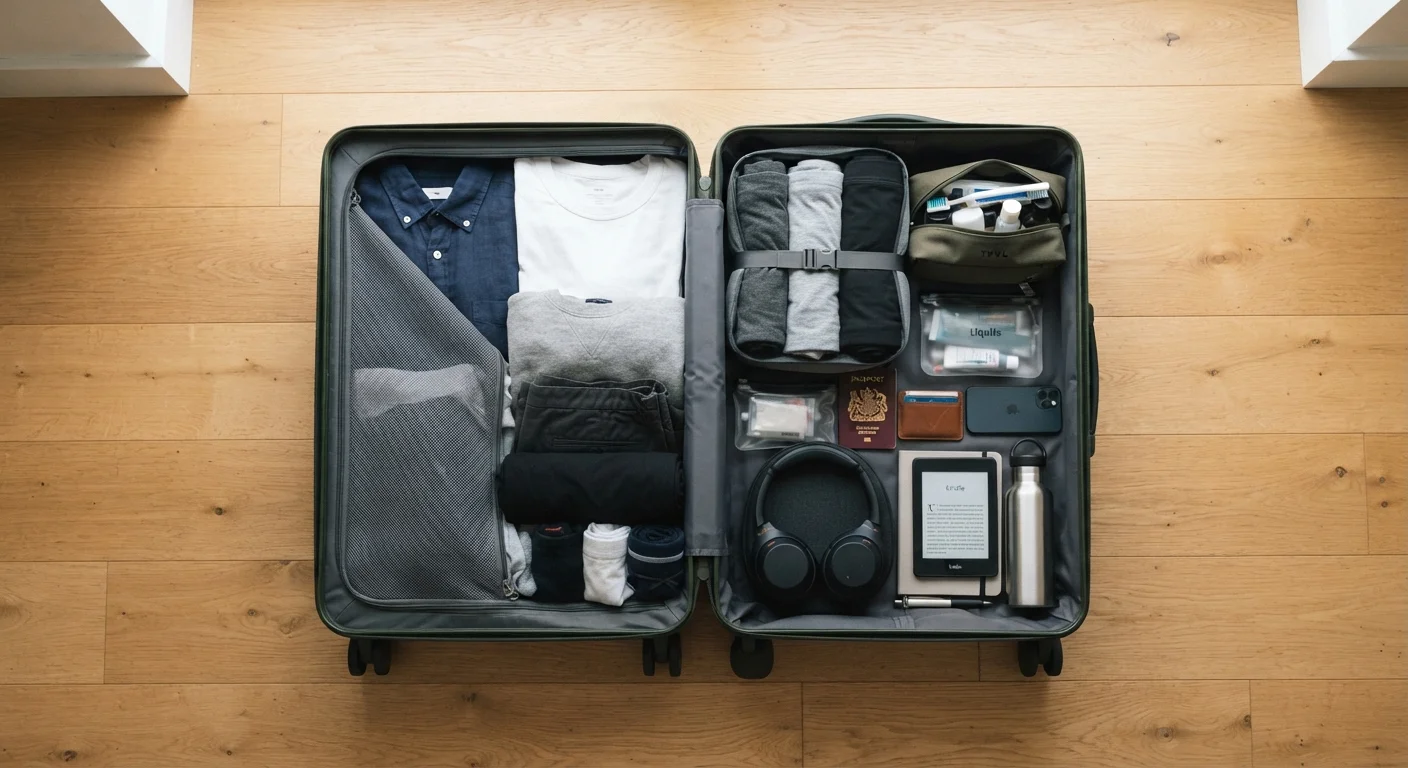
If you're considering packing light to make connecting travel smoother, carry-on only travel demands real planning but can significantly reduce friction on multi-leg trips. And for finding the best fares regardless of routing, a practical framework for finding low fares covers the mechanics worth knowing before you search.