

The Core Difference: Who Owns Your Reservation
When you book directly with an airline, hotel, or tour operator, your reservation lives in their system under your name. They are your point of contact if anything changes. When you book through an aggregator - a platform that searches and sells across multiple providers - that platform becomes the intermediary. Your reservation still exists with the provider, but the aggregator often holds the ticket or booking reference.
This distinction matters most when something goes wrong. A flight cancellation, a hotel overbook, a schedule change - in each case, the provider's customer service team will typically prioritize passengers who booked direct, since the aggregator customer's ticket terms may differ and the agent can't always modify third-party bookings without the platform's authorization.
For straightforward trips that go smoothly, the difference is nearly invisible. It's the edge cases - disruptions, changes, refunds - where the booking channel defines your experience. See our guide to flexible versus fixed reservations for more on how your cancellation terms intersect with this choice.
Price: How Much Does Channel Actually Matter?
Many travelers assume aggregators always win on price. The reality is more nuanced. Most major airlines and hotel chains operate under rate parity agreements - meaning they contractually commit to offering the same base rate across all channels, including their own site. In practice, aggregators sometimes show lower prices by including promotional rates, opaque packaging, or negotiated bulk inventory, but this varies widely by provider and timing.
| Criterion | Booking Direct | Using an Aggregator |
|---|---|---|
| Customer service access | Direct line to provider | Platform intermediary first |
| Loyalty points earning | Full credit, typically | Reduced or none, varies |
| Price comparison ease | One provider at a time | Multiple providers instantly |
| Cancellation simplicity | Cleaner, single-party process | May require platform coordination |
| Elite status recognition | Honored, usually | Not always guaranteed |
| Base price parity | Generally matches aggregators | Sometimes lower; sometimes higher |
| Itinerary flexibility | Changes handled by provider | Changes may require platform approval |
What aggregators genuinely help with is the comparison step: instead of visiting six airline sites individually, you see multiple options side-by-side in seconds. That's a real time-saver for research. The smarter workflow for many travelers is to use an aggregator to identify the right flight or hotel, then check the provider's own site to confirm whether the price matches before booking. Our booking timing reference explains how to pair channel selection with the right booking window for each travel category.
Loyalty Programs, Perks, and What You Give Up
If you hold status with an airline or hotel program - or are working toward it - booking channel is not a minor detail. Most loyalty programs only credit points and recognize elite status benefits on reservations made through the provider's own channels. An aggregator booking may earn reduced points, no points at all, or exclude you from complimentary upgrades and guaranteed room-type selection.
For infrequent travelers with no loyalty stake, this tradeoff is minimal. But for anyone consolidating spend to reach status thresholds, the points gap over a year of bookings can be substantial. Check the specific program's earning rules before assuming an aggregator booking counts the same way.
Opaque and Bundled Rates: A Special Case
Some aggregators offer 'opaque' rates - discounted prices where the specific hotel or flight is revealed only after purchase. These can genuinely undercut direct rates, but they come with tradeoffs: you can't choose your exact property, earn points, or apply loyalty discounts. Bundled packages (flight + hotel together) work similarly. These options suit flexible travelers who prioritize savings and don't require specific brands or locations.
When Problems Arise: Who Do You Call?
The most practical argument for booking direct is what happens when your plans unravel. If your flight is canceled and you booked direct, the airline can typically rebook you on the next available flight, offer a refund, or reroute you - all in a single call or through their app. If you booked through an aggregator, the airline may tell you to contact the platform instead, and the platform may have limited authority to act without the airline's coordination.
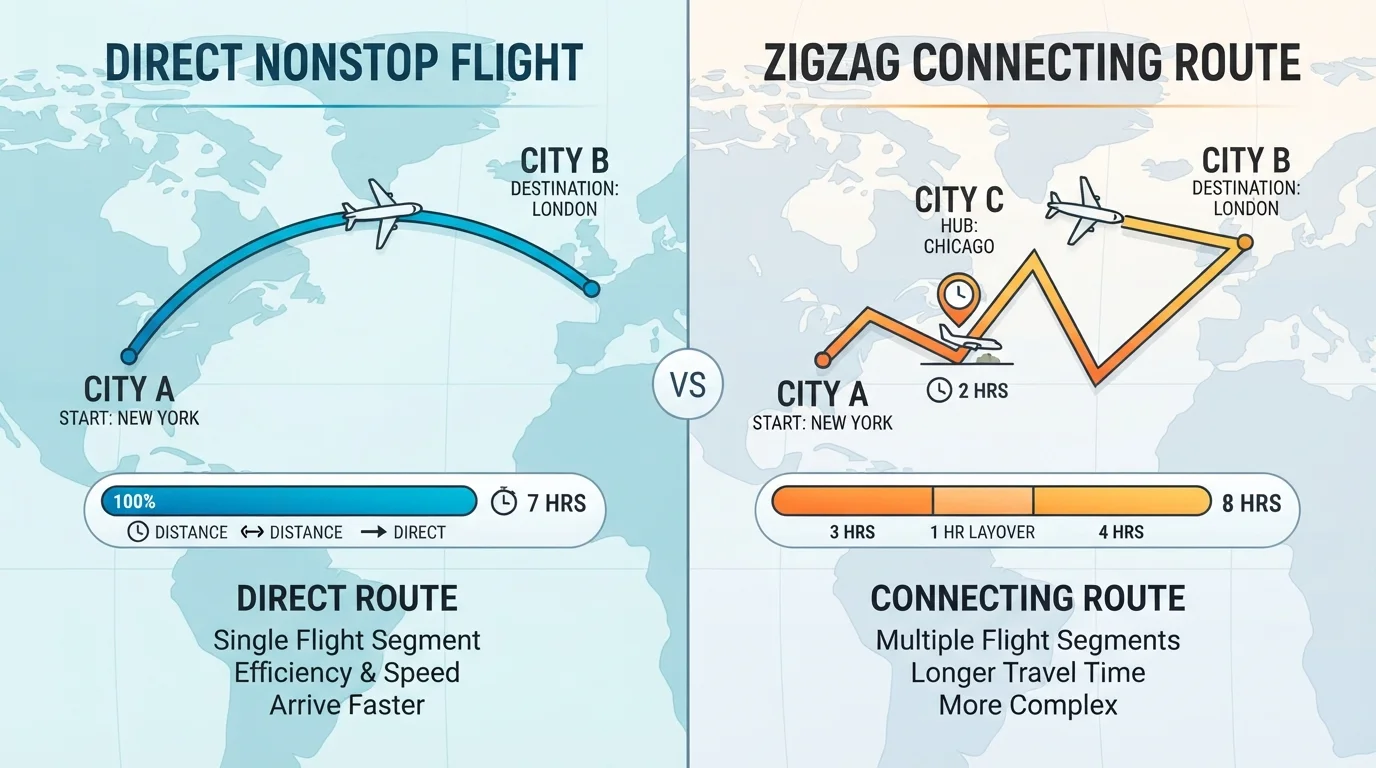
Aggregator customer service quality varies enormously by platform. Some have robust 24/7 support; others are difficult to reach during high-disruption periods like weather events or system outages - precisely when you need help most. If your itinerary has multiple legs, tight connections, or involves international travel, these friction points become higher-stakes. For guidance on building a smarter itinerary around these risks, see our breakdown of direct versus connecting flight trade-offs.
This article provides general travel information. Policies, fees, and booking terms vary by provider and platform - always verify current terms directly with the airline, hotel, or service before completing any booking.