
Why Skipping Coverage Can Cost More Than the Policy
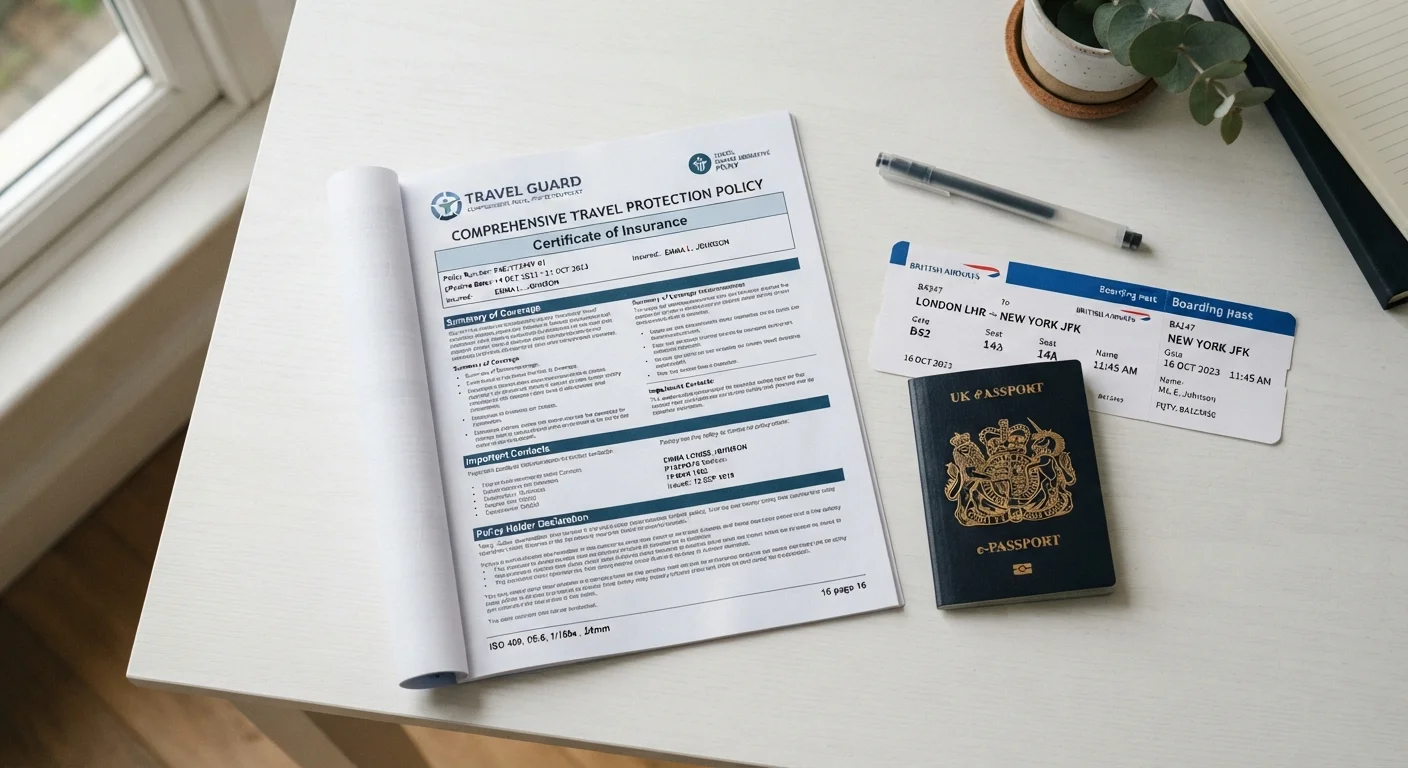
Travel insurance feels optional - right up until it isn't. A single medical evacuation from a remote international destination can run into the tens of thousands of dollars. A canceled international flight due to illness can wipe out non-refundable hotel blocks and tour deposits booked months in advance. The math changes quickly when you factor in what's actually at stake.
For budget travelers, the instinct to skip insurance is understandable. But the smarter approach isn't to skip coverage - it's to understand which coverage genuinely protects your money and which features are marketing padding you can pass on. See the overlooked costs that quietly blow travel budgets for a broader look at what travelers routinely underprice.
$50,000+
Typical minimum cost of emergency medical evacuation abroad
The U.S. State Department notes that medical evacuation costs can reach six figures depending on location and medical needs.
4%-10%
Typical travel insurance cost as share of trip cost
Industry sources generally cite this range for standard comprehensive policies, with variation based on age, destination, and trip length.
~1 in 6
Travelers who experience a trip disruption annually
Surveys by travel industry research groups suggest a significant share of travelers face cancellations, delays, or medical issues in any given year.
The Coverage That Actually Matters
Medical and emergency evacuation is the single most important coverage for international travel. Your domestic health insurance often provides little to no coverage abroad, and hospitals in many countries require upfront payment. Emergency medical evacuation - airlifting a patient to an appropriate facility - can easily exceed $100,000 without insurance. This is the category where budget travelers should not cut corners.
Trip cancellation and interruption coverage protects prepaid, non-refundable costs if you need to cancel or cut short your trip for a covered reason - typically illness, death in the family, severe weather, or job loss. The key phrase is covered reason. Standard policies list specific qualifying events; anything else is excluded. If flexibility matters, a Cancel for Any Reason (CFAR) rider offers broader protection at a higher premium.
Travel delay coverage reimburses meals and accommodations if your trip is delayed beyond a specified threshold (often 6-12 hours) due to weather or mechanical issues. For budget travelers relying on tight connections or low-cost carriers, this can be genuinely useful.
For a deeper breakdown of what these policy categories typically include and exclude, see our guide to what travel insurance actually covers.
Check Your Existing Coverage First
Before purchasing a standalone travel insurance policy, review what you already have. Some premium credit cards include trip cancellation, delay reimbursement, and limited medical coverage as cardholder benefits. Your existing health insurance may also have limited international provisions. Knowing your baseline prevents paying twice for overlapping coverage.
What You Can Often Skip
Baggage loss coverage sounds valuable but is often limited by sub-limits per item. High-value electronics, jewelry, and cameras are frequently excluded or capped at amounts that don't reflect real replacement costs. For most travelers with modest luggage, the payout may not justify the premium. Airlines have their own liability rules for checked bags, and renters or homeowners insurance sometimes extends to travel theft - worth checking before adding this to a policy.
Rental car coverage is another area where travelers often pay twice. Many credit cards include collision damage waivers for rental vehicles as a standard benefit. Review your card's terms before adding this to a travel policy.
"Accidental death and dismemberment" coverage offered within travel policies tends to be a low-limit product that rarely fills a meaningful gap for travelers who already carry life insurance. It's typically not worth adding for its own sake.
The myth that travel insurance covers everything is a costly assumption. Common travel safety myths - including overconfidence in insurance coverage - can leave travelers financially exposed when it matters most.
Questions to Ask Before You Buy
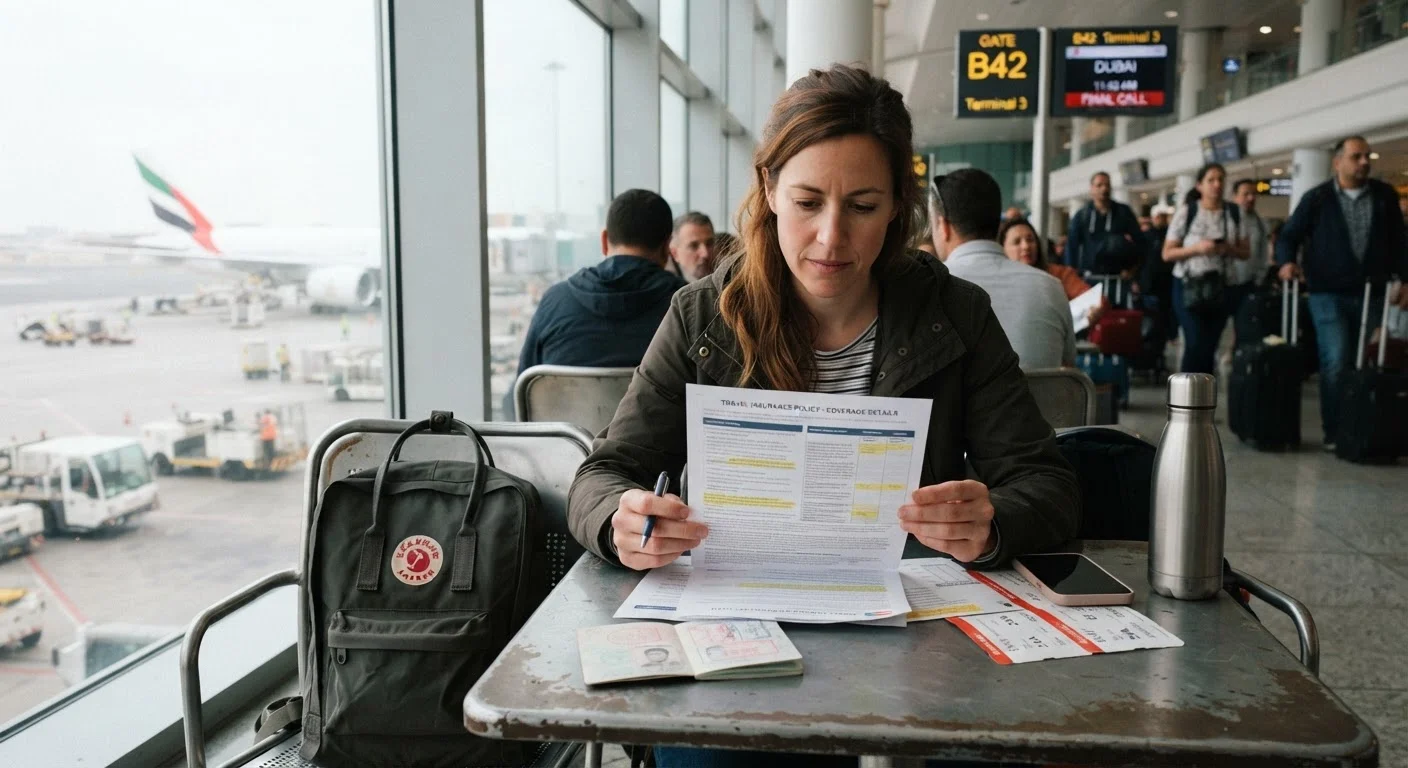
Not all policies are equal, and the details determine whether a claim actually pays out. Before purchasing, consider these questions:
- Does the policy cover pre-existing conditions? If so, was the waiver purchased within the required window (typically 14-21 days of your first trip deposit)?
- What is the medical evacuation limit? Look for a minimum of $100,000 for international travel; higher for remote or multi-leg destinations.
- Is the policy primary or secondary? Primary coverage pays first, regardless of other insurance. Secondary coverage requires you to file with other insurers first, which adds friction during a stressful event.
- What documentation is required for a claim? Medical claims, cancellation claims, and delay claims each require specific paperwork. Understand this before you need it.
- Does it cover the activities on your itinerary? Hiking, water sports, and motorsports are commonly excluded from standard policies.
If your destination carries elevated health or safety considerations, review how to navigate medical care abroad to understand what you may face if coverage gaps appear.
This article is for general informational purposes only and is not personalized financial, legal, or insurance advice. Policy terms, coverage limits, and exclusions vary by provider and plan. Verify all details directly with your insurer and consult a licensed insurance professional for guidance tailored to your situation.