
Why Safety Myths Are Especially Dangerous for Travelers
Most travel safety mistakes don't stem from recklessness - they stem from false confidence. A belief feels true, you act on it, and the gap between assumption and reality only becomes apparent when something goes wrong. The myths below are widespread precisely because they contain a kernel of plausibility. That's what makes them worth addressing directly.
None of this is intended to discourage travel. It's intended to replace vague reassurance with the kind of grounded awareness that actually keeps people safe. For a broader look at planning-stage misconceptions, see common travel planning myths that affect decisions well before departure.
Myth
Tourist areas are always safer because there's more police presence and security.
Fact
High-traffic tourist zones are actively targeted by pickpockets, scammers, and opportunistic theft - often more so than surrounding areas.
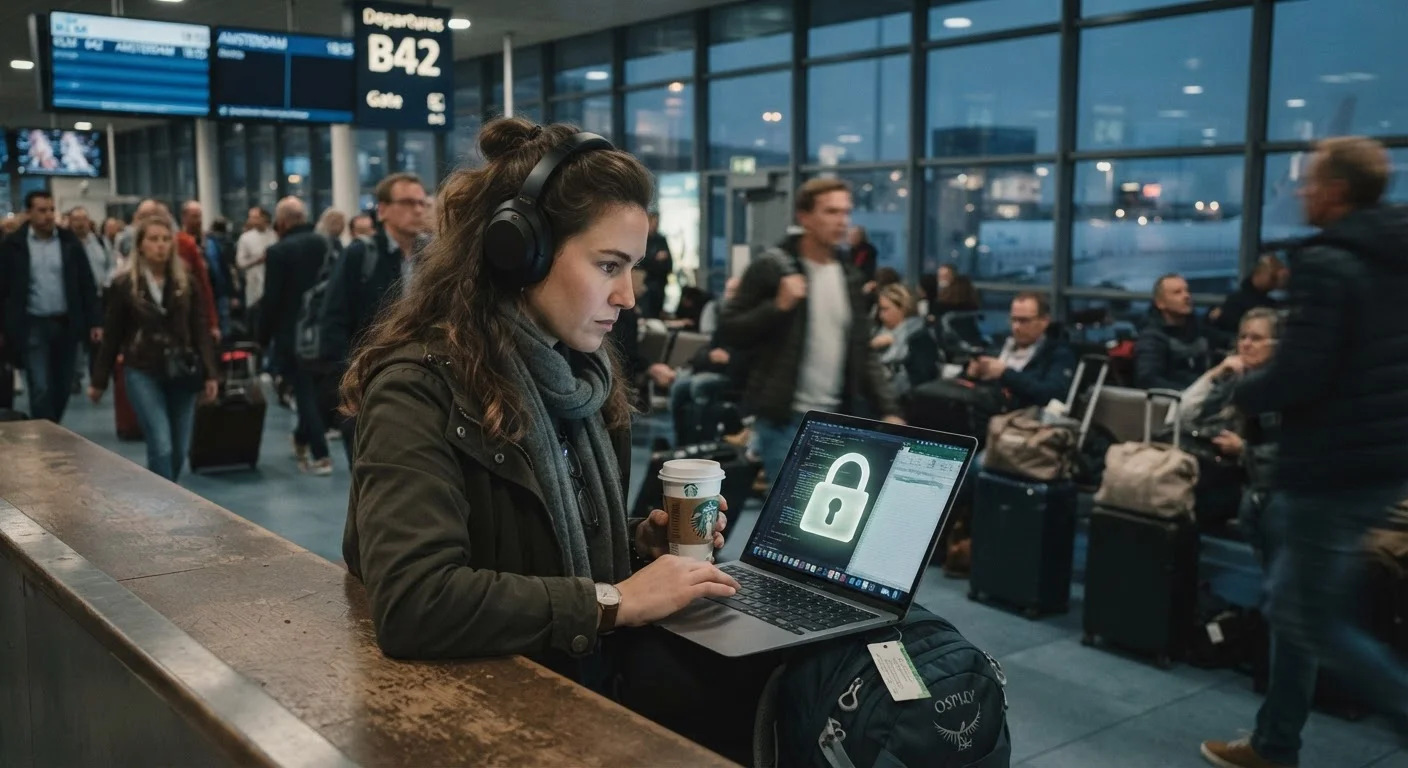
Visibility and crowding cut both ways. While some tourist areas do have increased security, the concentration of distracted, unfamiliar visitors also makes them attractive targets for petty crime. Pickpocketing, bag snatching, and scams disproportionately occur in busy landmark zones, transit hubs, and popular markets worldwide. Staying alert in crowded spaces - not lowering your guard - is the appropriate response. Our article on airport scams travelers underestimate illustrates how this dynamic plays out even before you leave the terminal.
Myth
Travel insurance covers everything that goes wrong on a trip.
Fact
Most travel insurance policies carry significant exclusions - including pre-existing conditions, certain adventure activities, civil unrest, and pandemic-related disruptions.
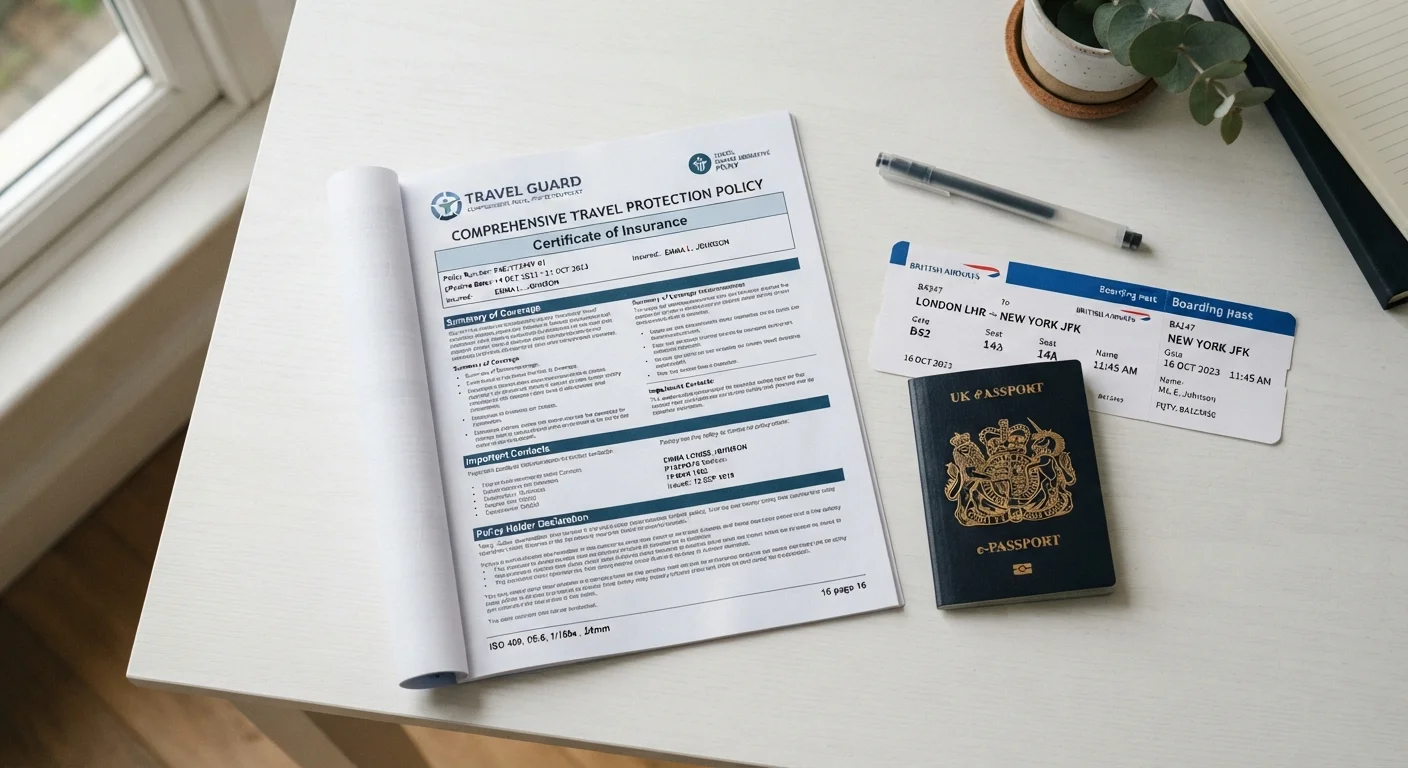
The phrase "travel insurance" covers an enormous range of products with very different scopes. A basic trip cancellation policy may not cover medical evacuation. A medical plan may exclude activities deemed high-risk. Reading the certificate of insurance - specifically the exclusions section - before purchasing is essential, not optional. Budget-conscious travelers should focus on which coverage categories matter most for their specific trip type. Our breakdown of what travel insurance coverage actually matters offers a framework for making that call.
Myth
Your passport and valuables are secure in a hotel safe.
Fact
Hotel room safes offer convenience, not security - many use default codes or can be overridden by staff, and they are not theft-proof.
Hotel room safes are a reasonable deterrent against casual theft, but they are not designed to withstand determined access. Some models use manufacturer default codes that are publicly documented online. For genuinely irreplaceable documents, consider whether leaving a photocopy with a trusted contact and storing digital backups in secure cloud storage better serves your actual risk profile. The U.S. State Department also offers a free online registration service (STEP) that keeps your embassy informed of your whereabouts - a more reliable safety net than any hotel safe.
Myth
If something serious happens, your embassy will sort it out.
Fact
Embassies and consulates have limited legal authority in foreign countries - they cannot get you out of jail, pay your debts, or override local law.
Consular services are genuinely helpful in specific circumstances: replacing a lost passport, connecting you with local legal resources, or notifying your family. But they cannot intervene in legal proceedings, provide legal representation, or compel a foreign government to act. Understanding what consular assistance actually covers - and what it doesn't - is essential before assuming it functions as a backstop for any emergency. This is especially relevant in countries where legal systems operate very differently from what U.S. travelers expect.
Myth
Short trips don't require health preparation - vaccines and precautions are only for long journeys.
Fact
Destination health risks are determined by geography and season, not trip length - a four-day visit carries the same exposure risk as a four-week one.
Foodborne illness, mosquito-borne disease, and altitude sickness don't check your return ticket before affecting you. The CDC recommends reviewing destination-specific health advisories regardless of trip duration. Some vaccines require lead time of several weeks to become effective, making pre-trip planning essential even for short getaways. For destinations with seasonal natural hazard risks, understanding how natural disaster risk should factor into destination planning adds another layer of preparation to consider.
Myth
Blending in visually means you won't be targeted as a tourist.
Fact
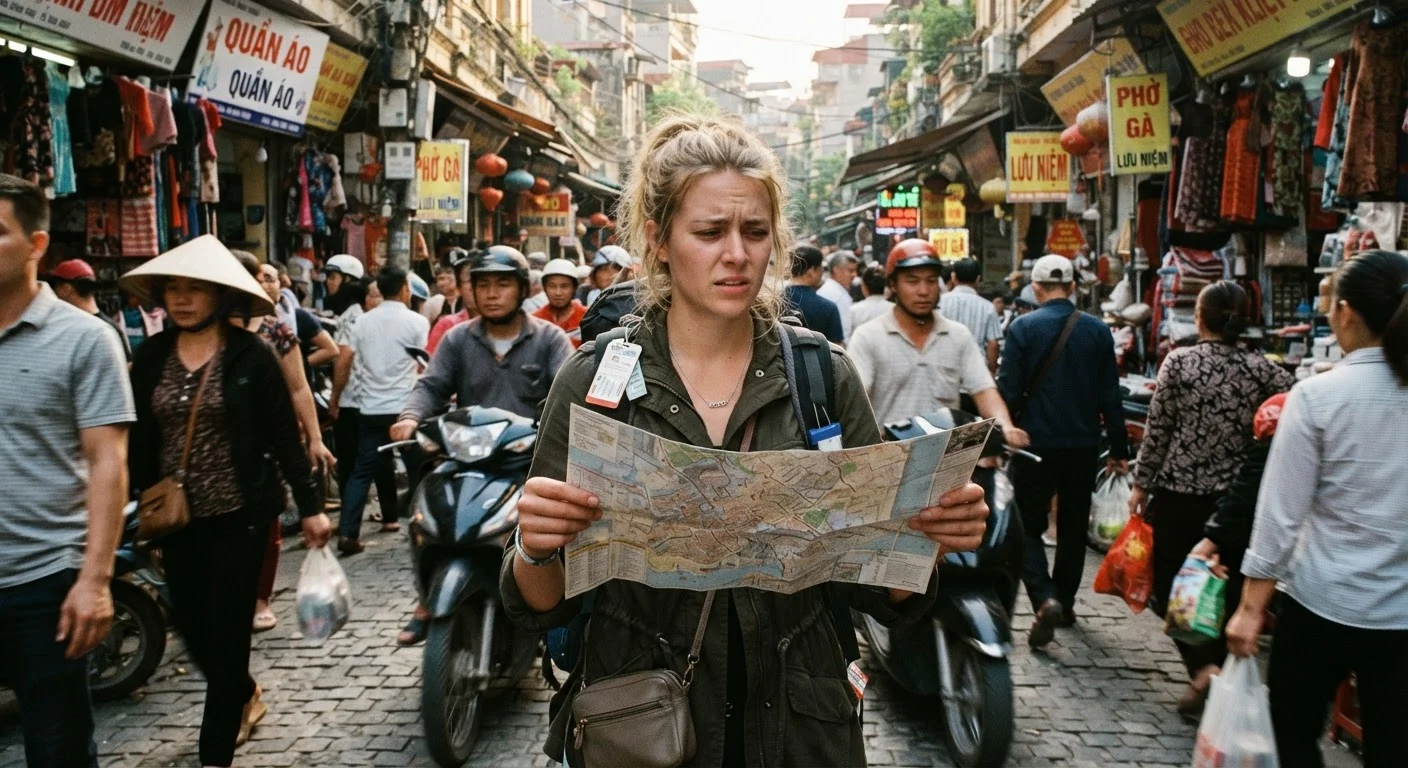
Behavioral cues - hesitation, map-checking, unfamiliarity with local norms - are more telling to would-be scammers than clothing or appearance.
While dressing modestly and avoiding conspicuous displays of wealth is a sound practice, the belief that appearance alone removes tourist targeting overlooks how experienced opportunists actually operate. Unfamiliarity with transport systems, pausing to orient yourself, reacting with surprise to common local practices - these signals are more apparent than what you're wearing. Situational awareness, pre-trip route familiarization, and knowing local scam patterns for your destination are more effective than any wardrobe strategy.
Building Habits That Actually Reduce Risk
Debunking myths is only half the work - the other half is replacing them with reliable practices. A few habits consistently distinguish prepared travelers from reactive ones.
83%
Travelers who read their policy before a claim
A survey by the U.S. Travel Insurance Association found the majority of travelers do not fully read their policy documents before departure, increasing the likelihood of claim surprises.
1 in 6
International travelers who experience illness abroad
The CDC estimates approximately one in six international travelers experiences a health issue significant enough to seek care, reinforcing the need for pre-trip health planning on any trip.
Verify before you trust. Before relying on any safety assumption - about a neighborhood, a policy, a document requirement - check an authoritative source. The U.S. Department of State's travel advisories and the CDC's destination health pages are two free, regularly updated starting points.
Read your policy before you need it. Travel insurance is worth understanding in detail before a trip, not during a claim. Our guide to what travel insurance actually covers walks through typical inclusions and the exclusions most travelers overlook.
Protect your digital life on the road. Logging into bank accounts on hotel Wi-Fi, or using unsecured networks at airports, creates real exposure. Digital security while traveling covers the practical steps that reduce this risk significantly.
Solo travelers, in particular, benefit from a structured approach to safety habits. Solo travel safety habits outlines check-in routines, situational awareness techniques, and contingency planning that apply whether you're traveling domestically or internationally.
Verify Travel Advisories Before Every Trip
The U.S. Department of State updates travel advisories continuously, and conditions at a destination can change after you've booked. Check state.gov for the latest advisory level for your destination - not just at booking, but within two weeks of departure. Some travel insurance policies also have clauses tied to advisory levels that affect coverage eligibility.
This article provides general travel safety information for educational purposes. Always verify entry requirements, health recommendations, and travel advisories with official government and health authorities before traveling.