
Why Solo Travelers Face a Different Risk Equation
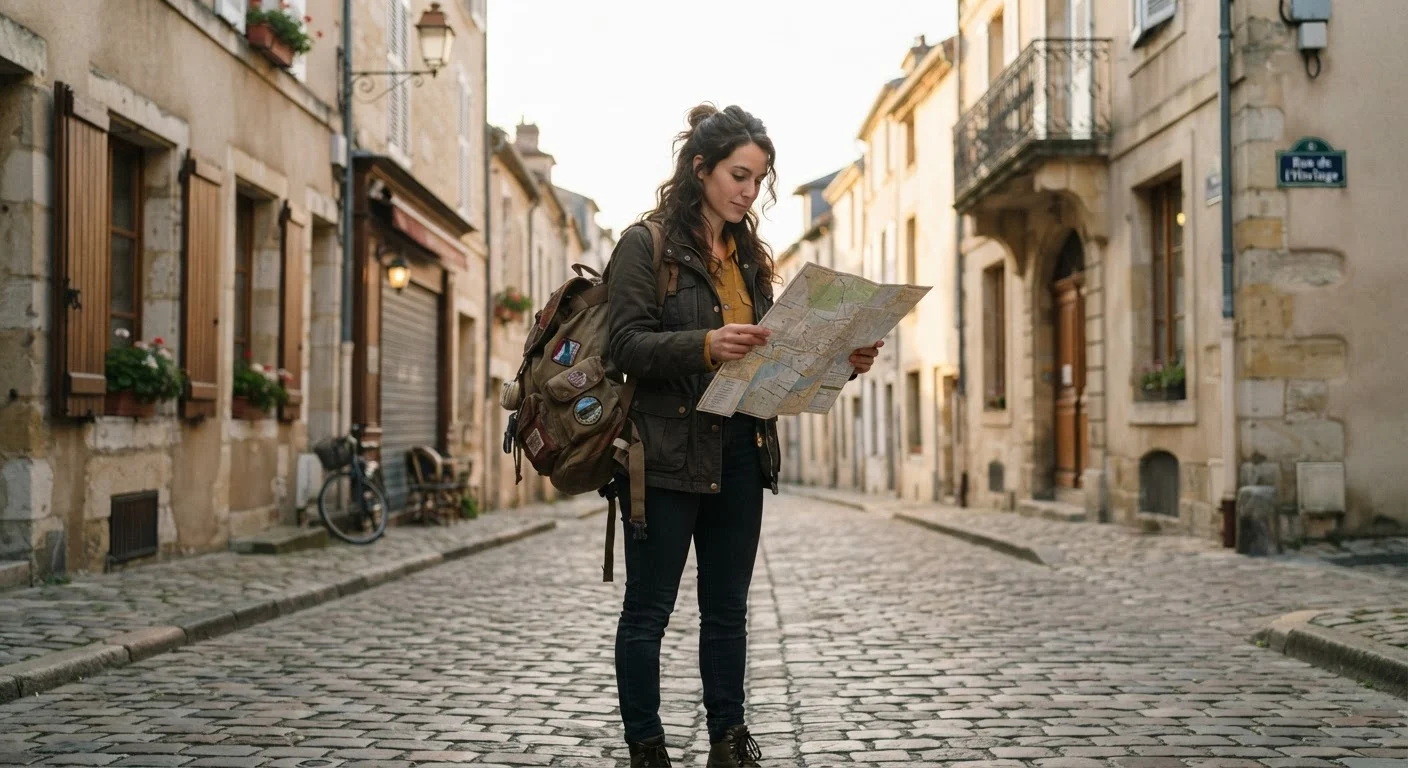
Traveling alone removes the built-in safety net of a companion - no one to watch your bag while you use the restroom, no second opinion when a situation feels off, no one who knows your location in real time. That asymmetry doesn't make solo travel dangerous, but it does mean the responsibility for managing risk falls entirely on you.
The habits that make the biggest difference aren't dramatic - they're consistent, low-effort practices that reduce your exposure before problems have a chance to develop. For a comprehensive stage-by-stage breakdown of travel safety from airport to departure, see our end-to-end travel safety reference.
Core Safety Habits to Build Before You Leave
Preparation done at home eliminates entire categories of risk abroad.
Share a written itinerary with at least one trusted contact before departure.
If something goes wrong, your contact needs specific information - not just a general destination - to get you help. A detailed itinerary gives them actionable details without requiring constant communication from you.
Research local emergency numbers and the nearest medical facility for each destination.
Emergency numbers vary by country - 911 is not universal - and searching for a hospital while already in distress wastes critical time. Having this information stored offline means you can act immediately.
Complete all health prep - vaccinations, medications, and travel insurance - at least four to six weeks before departure.
Some vaccines require multiple doses over weeks to be effective, and getting travel insurance after an incident is not an option. Late prep leaves gaps that can't be closed once you're on the road.
Establish a daily or every-other-day check-in protocol with your home contact.
A missed check-in is a meaningful signal - but only if someone knows to look for it. A defined protocol transforms check-ins from casual updates into a functioning safety mechanism.
Keep digital and physical copies of critical documents stored separately.
Losing your passport or having it stolen doesn't have to end your trip if you have a clear copy stored separately - in a cloud account and with your home contact - along with your travel insurance policy number.
Plan your arrival at each new destination during daylight hours when possible.
Navigating an unfamiliar city, finding accommodation, or reading your environment is significantly harder at night, especially when you're tired from travel. Daytime arrivals give you better visibility and more resources available.
On-the-Ground Situational Awareness
Most problems solo travelers encounter are opportunistic rather than targeted. Projecting confidence, staying alert, and making low-profile choices closes the window for most of them.
Avoid walking with headphones in both ears in unfamiliar areas - you lose an important sensory input for reading your environment. Keep your phone out of sight when you're not using it. Carry only the cash and cards you need for the day; leave backup cards and your passport copy secured at your accommodation.
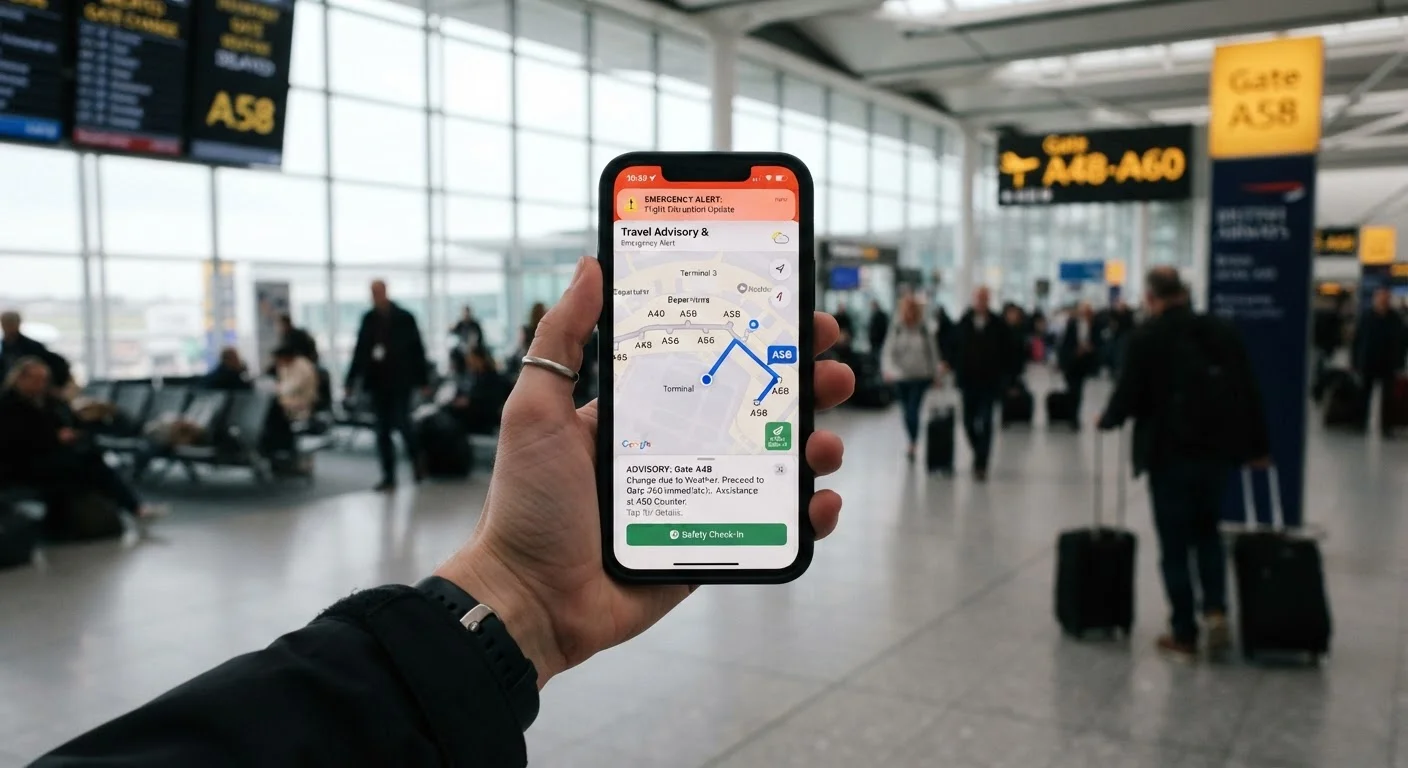
If a situation or person makes you uncomfortable, trust that instinct and leave without second-guessing yourself. Solo travelers who report close calls consistently describe ignoring early unease as the moment things escalated. Reliable safety apps can provide additional support - our guide to practical travel safety app scenarios covers which features genuinely help and when.
Digital Check-Ins and Communication Plans
A check-in plan is simple: agree with someone at home on a schedule - daily, every two days, whatever fits your trip - and a communication channel. If you miss a check-in, they know the protocol: wait a defined window, then contact your accommodation or local authorities.
Share your itinerary in writing before you leave. Include accommodation names and addresses, any transport bookings, and a rough daily plan. Update your contact if plans change significantly. This doesn't require constant contact - one message a day is usually enough to maintain a reliable safety thread.
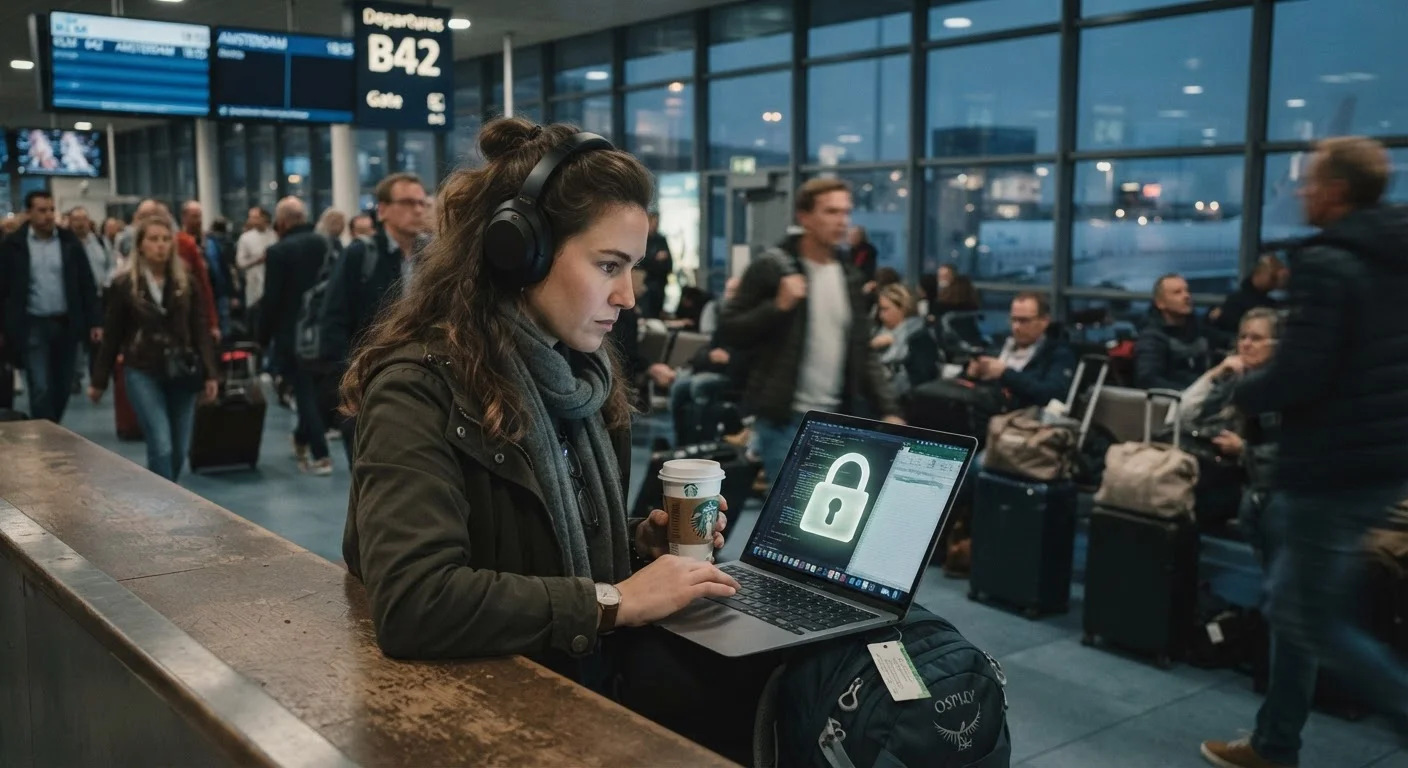
For protecting your devices and accounts while traveling, our digital security while traveling guide covers the specific risks solo travelers face on public networks and at ATMs.
This article provides general travel safety information for educational purposes. Always verify entry requirements, health recommendations, and local advisories with official government and provider sources before traveling.