
Before You Leave Home
The most effective travel safety work happens at home, not mid-trip. Start by consulting your government's official travel advisory service - for U.S. travelers, that's the State Department's travel.state.gov - for current conditions at your destination. Advisories change, and what was routine six months ago may not be now.
Register your trip with the STEP program (U.S. citizens traveling abroad can enroll free at step.state.gov). It allows the nearest embassy to reach you in emergencies and facilitates evacuation coordination if needed.
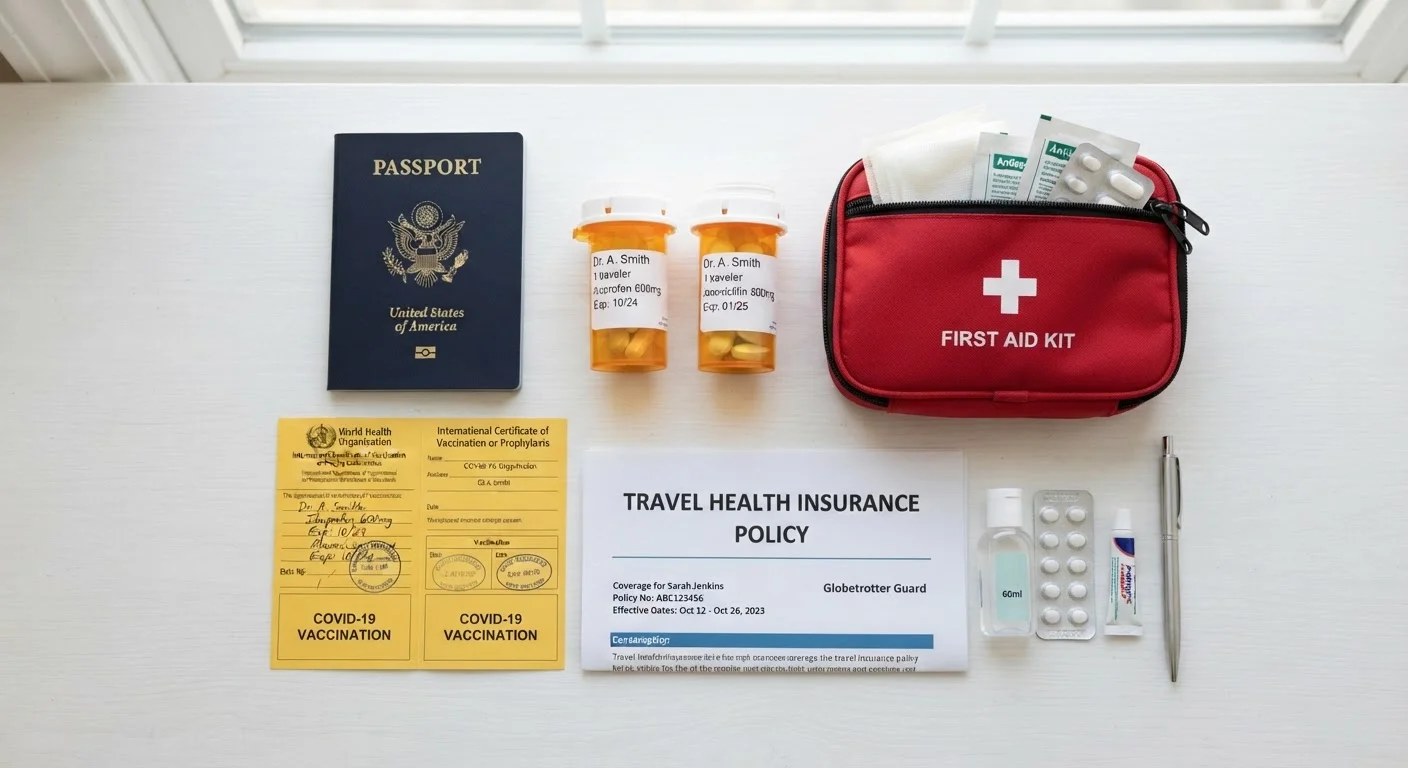
Make two copies of every critical document: passport, visas, travel insurance policy, prescriptions, and emergency contacts. Store one set in a secure cloud folder and leave a physical copy with someone you trust at home. See our pre-trip health prep checklist to ensure vaccinations, prescriptions, and medical documentation are in order before departure.
Purchase travel insurance that explicitly covers medical evacuation - this is often the most expensive, least replaceable protection. Understand what your policy excludes before you travel, not after an incident.
Pack Your Documents Strategically
Keep your passport and a single payment card on your person during transit, separate from your main bag. If luggage is lost or stolen, you retain the ability to identify yourself and access funds. A slim RFID-blocking card sleeve adds protection against electronic skimming at no meaningful cost.
Airports and Transit Hubs
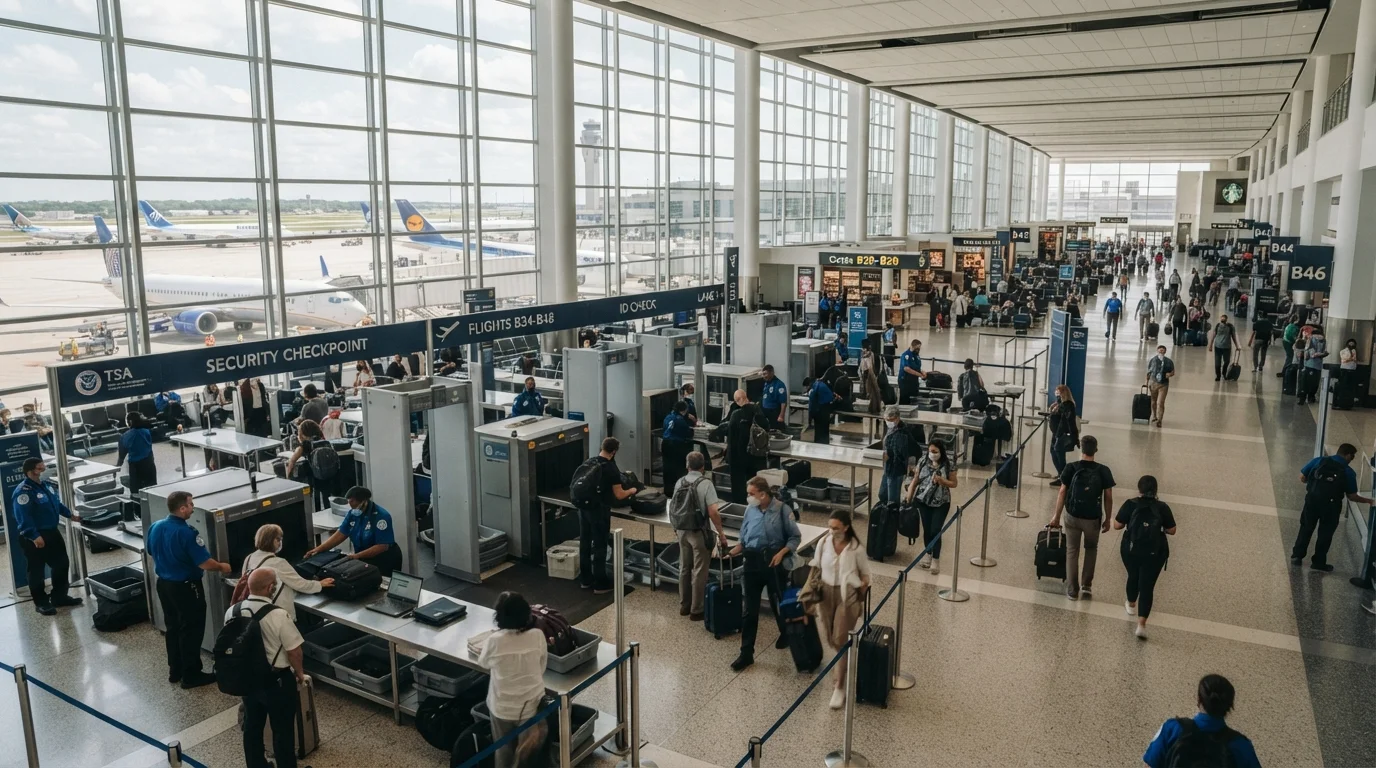
Airports concentrate travelers who are distracted, tired, and carrying valuables - conditions that opportunistic theft thrives in. Keep your bag in front of you or between your feet at all times, especially at check-in queues, charging stations, and food courts.
At security, don't place your phone or wallet in the bin until you're about to step through the scanner - items left unattended on conveyor belts are a common theft vector. Retrieve everything before moving away from the belt.
In unfamiliar transit hubs, confirm your onward transport arrangements before you exit the secure zone. Know whether your destination city's official airport taxis have a fixed-rate booth, a metered system, or a pre-booking app. Unlicensed drivers who approach travelers inside terminals are a persistent risk in many airports worldwide.
~2,000
U.S. citizens arrested abroad annually
According to the U.S. State Department's annual report on American citizens assisted overseas, approximately 2,000 Americans are arrested abroad each year, often due to unfamiliarity with local laws.
1 in 6
Travelers who experience a health issue abroad
Industry estimates suggest roughly one in six international travelers seek medical attention during or shortly after a trip, underscoring the practical value of pre-trip health preparation.
Accommodation Safety
On check-in, take two minutes to locate the nearest fire exit from your room - count the doors between your room and the stairwell so you could navigate it in the dark. This is a habit practiced by experienced travelers and security professionals alike.
Use the door's deadbolt and security chain when inside. A portable door alarm or rubber door wedge adds a layer of security in properties where you're uncertain about lock quality; both are inexpensive and pack flat.
Don't volunteer your room number to anyone in a lobby or common area. If a front-desk clerk announces your room number aloud during check-in, politely ask to be re-checked in quietly or reassigned. Store passports and extra cash in the in-room safe or a locked bag rather than leaving them visible.
Getting Around at Your Destination
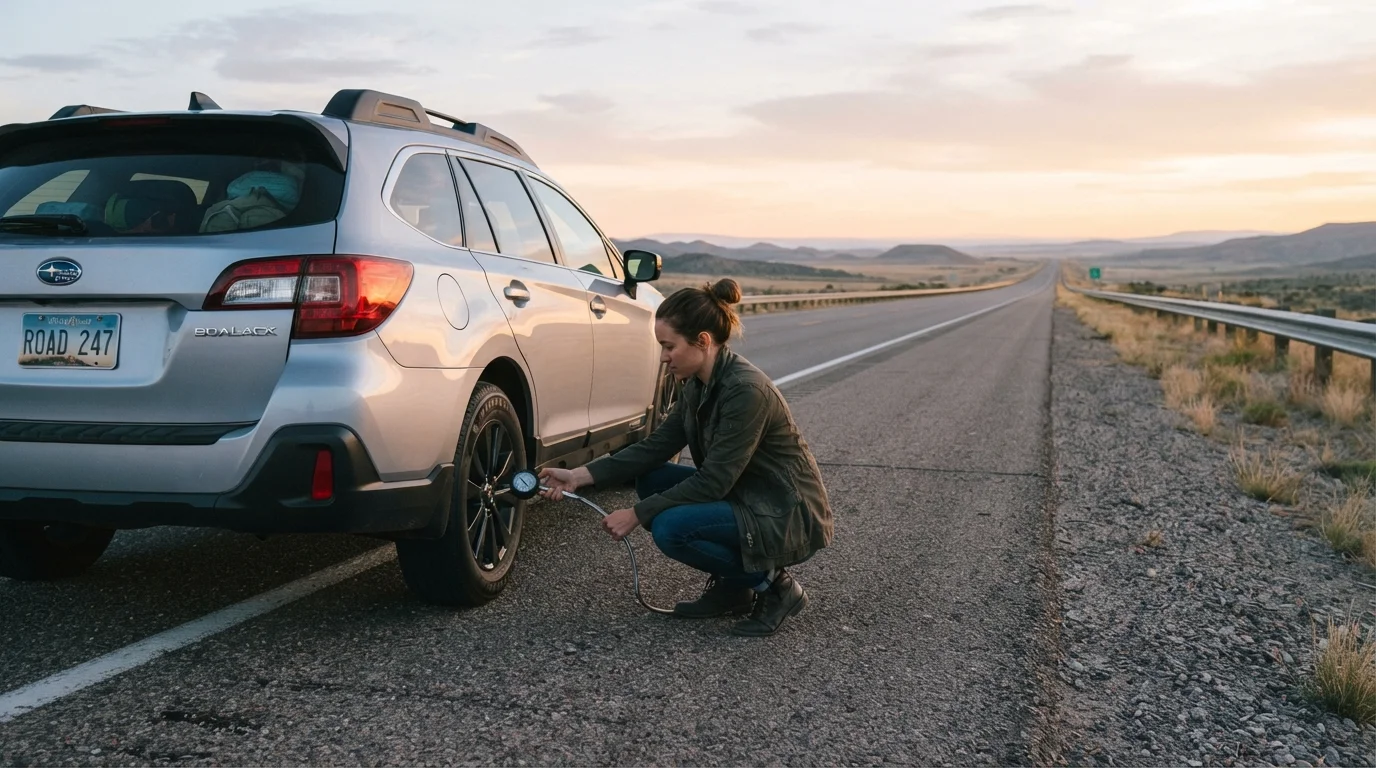
Whether renting a vehicle or using local transport, verify the legitimacy of what you're using before you commit. For car rentals, inspect and photograph the vehicle for pre-existing damage before driving off the lot. If you're driving to a new destination, apply the same pre-departure checks you'd use at home - our pre-drive safety checklist covers tyres, fluids, lights, and load.
For rideshare or taxi use: always verify the driver's name, photo, and license plate before entering. Share your ride details - including the route - with someone not traveling with you. Sit in the back seat, and if a driver deviates from the expected route, you have grounds to ask them to stop and exit.
On public transit, keep bags in your lap or between your legs rather than overhead or on the floor. In crowded systems, be aware of anyone who positions themselves unusually close without cause.
When taking a rideshare or taxi in an unfamiliar city, open a mapping app and watch the route in real time. Visible route-monitoring communicates awareness to the driver and gives you a factual basis to question deviations.
Route deviation is one of the earliest detectable indicators of a compromised ride. Active route-checking is a low-effort, high-value habit that costs nothing.
Photograph the interior and exterior of your accommodation when you check in, including the door lock, safe, and any pre-existing damage. This creates a timestamped record useful for insurance or dispute purposes.
Documentation disputes with accommodations over damage or theft are far easier to resolve when you have dated visual evidence from the moment of arrival.
Street-Level Awareness and Daily Habits
Consistent situational awareness doesn't mean anxiety - it means making deliberate, low-effort choices that reduce risk. Walk with purpose and vary your routes where practical. Avoid displaying expensive equipment openly; a camera around your neck and earbuds in while checking your phone simultaneously signals inattention.
Research which neighborhoods in your destination have elevated risk before you wander. City-level risk is not uniform, and a single street can mark a meaningful transition. Your accommodation's front desk is often the most reliable source of current, specific local guidance.
Carry a small amount of local cash in a front pocket separate from your main wallet. In an opportunistic theft scenario, handing over a small amount of cash is preferable to losing all cards and ID. Keep a mental note of the nearest embassy, hospital, or police station when exploring new areas.
Health Preparedness on the Road
Carry a travel health kit that includes basic items: adhesive bandages, antiseptic wipes, oral rehydration sachets, any personal prescription medications with sufficient supply for the full trip plus a buffer, and documentation of your blood type and any allergies in the local language if possible.
Food and water safety varies significantly by destination. In areas where tap water is not reliably treated, use sealed bottled water for drinking and brushing teeth, and be cautious with ice, street food preparation hygiene, and raw produce. These are well-established general guidelines, not guarantees - conditions vary by location and season.
If you take prescription medication, keep it in original labeled containers in your carry-on, not checked luggage. Carry a letter from your prescribing physician if you're crossing international borders with controlled substances. Consult a qualified healthcare provider before travel for destination-specific health guidance - this article provides general information only, not medical advice.
Contingency Planning and Departure
Know three things before you need them: your travel insurer's emergency claim number, the local emergency services number (not always 911 outside the U.S.), and the address and phone number of the nearest U.S. embassy or consulate. Save these in your phone and write them on a card in your wallet.
If your passport is lost or stolen, report it immediately to local police and obtain a report number - you'll need it for both the insurance claim and replacement documentation. The U.S. embassy can issue an emergency travel document, but processing takes time; this is one reason STEP enrollment is practical rather than optional.
On departure day, build in extra buffer time. Airports in unfamiliar cities, international check-in queues, and security procedures can be slower than expected. Confirm your flight status the night before, recheck your documentation, and ensure any duty-free or purchased items comply with your return country's customs allowances.
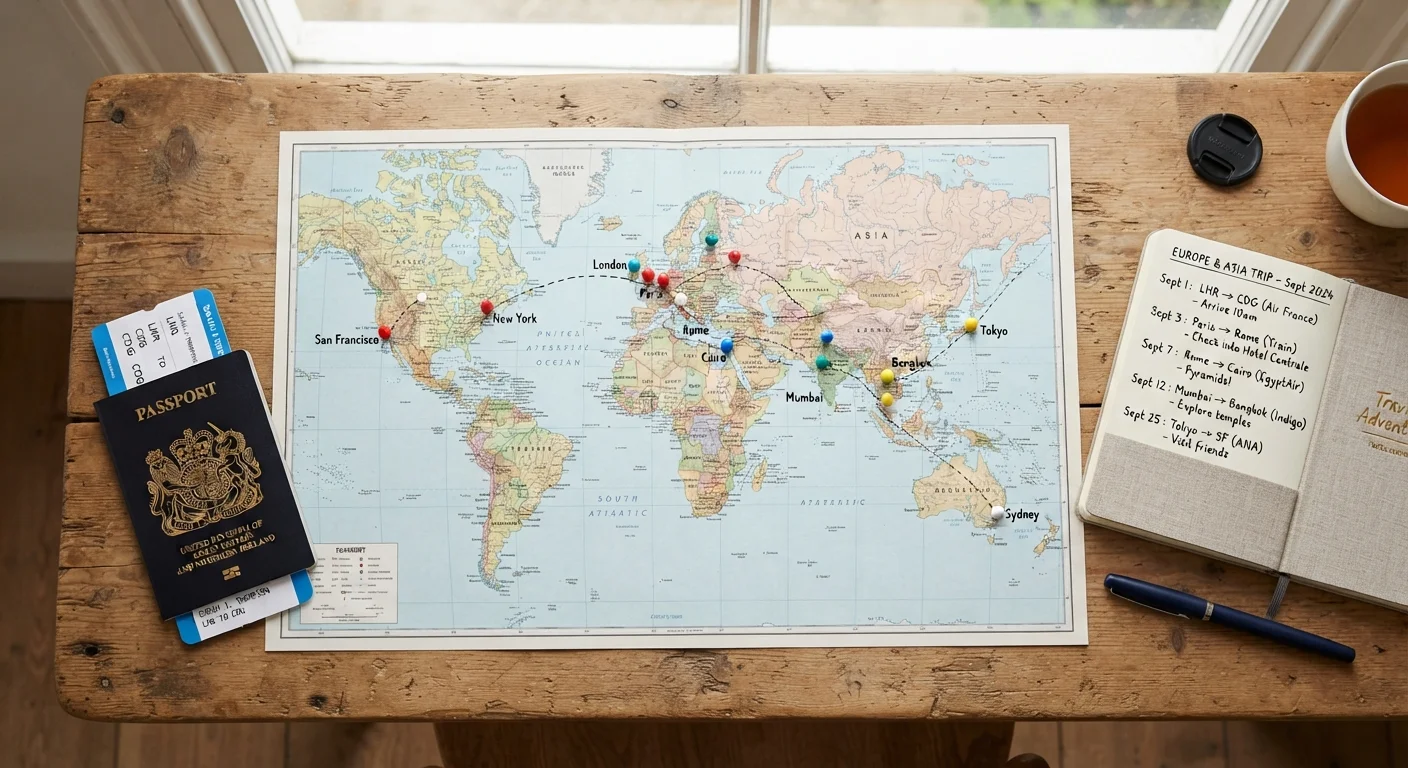
For trips covering multiple cities or countries, managing the moving parts safely requires coordination across every stage - the multi-destination planning guide addresses how to layer logistics without creating gaps.
This article provides general travel safety information for educational purposes. It is not a substitute for professional security, legal, or medical advice. Always verify entry requirements, travel advisories, and health recommendations with official government and healthcare sources before traveling.