
Why Health Prep Deserves Its Own Checklist
Most travelers focus pre-trip energy on flights, hotels, and packing lists. Health preparation - vaccines, prescriptions, insurance, and contingency plans - tends to get crammed into the final 48 hours or skipped entirely. That gap creates real risk, particularly for international travel where healthcare access, language barriers, and entry requirements can complicate an already stressful situation.
This checklist is designed to run independently of your logistics planning. Pair it with the general pre-departure checklist for full coverage, but treat health prep as its own discipline - one that requires lead time you can't manufacture at the last minute.
Start this process at least four to eight weeks before departure. Some vaccine series require multiple doses spaced weeks apart; prescription refills can take time; and insurance enrollment windows don't always align with trip timelines.
This Is Not Medical Advice
The checklist and guidance in this article are for general informational purposes only and do not constitute medical advice. Every traveler's health situation, destination, and risk profile is different. Consult a qualified healthcare provider - ideally a travel medicine specialist - well before your departure date to get recommendations tailored to your specific circumstances.
This article provides general travel health information for educational purposes only. It is not medical advice. Consult a qualified healthcare provider - ideally a travel medicine specialist - before making any health decisions related to your trip.
Tools and Resources You'll Need
Before working through the checklist items, gather the following. Having these on hand will prevent you from stalling mid-process.
CDC Travelers' Health Website (wwwnc.cdc.gov/travel)
Look up destination-specific vaccine recommendations, health advisories, and outbreak notices.
Travel medicine clinic or primary care provider
Obtain personalized vaccination advice, prescriptions, and a physician's travel letter.
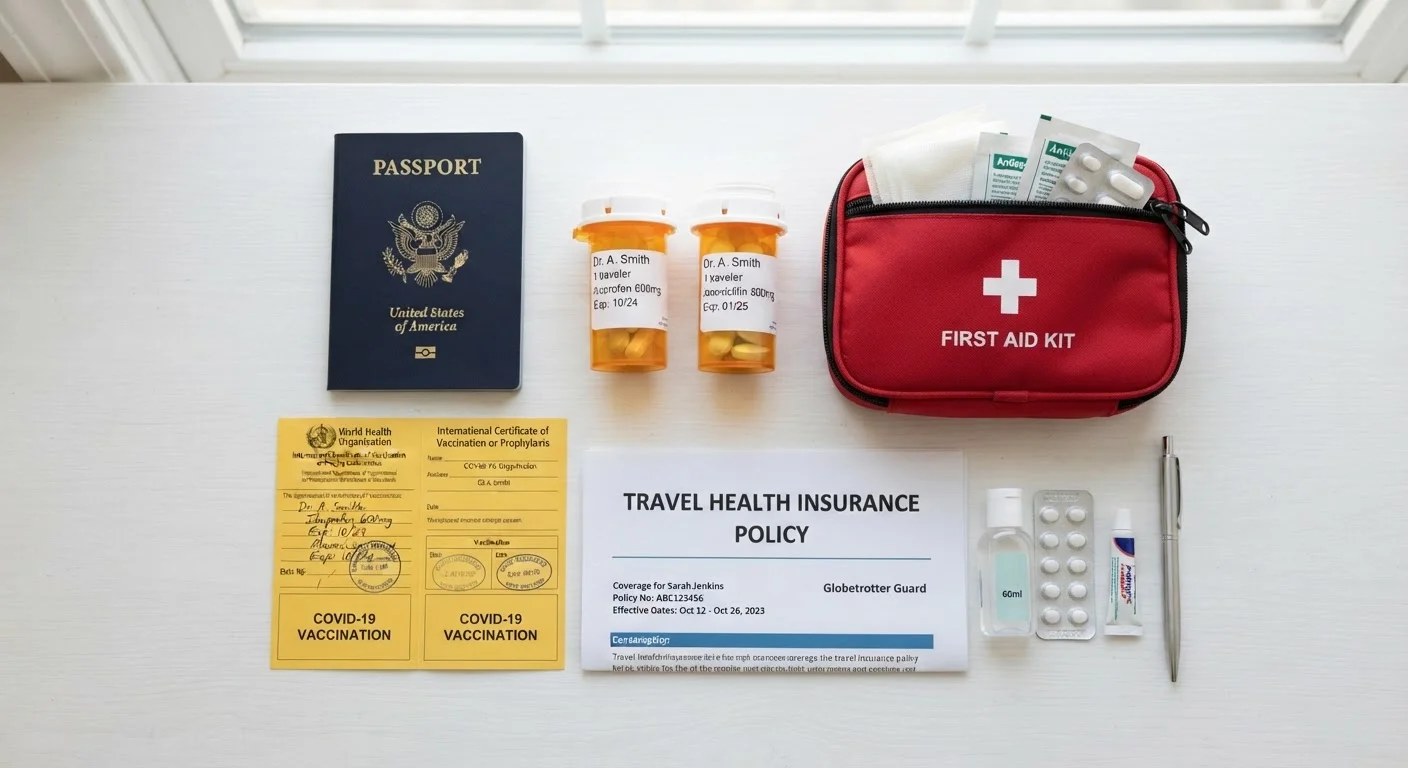
International Certificate of Vaccination (yellow card)
Official documentation of vaccinations required or recommended for entry at certain destinations.
Travel health insurance policy documents
Confirm coverage details, emergency assistance contacts, and claim procedures before departure.
U.S. State Department STEP enrollment (step.state.gov)
Register your travel so the U.S. Embassy can contact you in an emergency or natural disaster.
Secure digital document storage (cloud or encrypted app)
Store backup copies of medical records, prescriptions, insurance cards, and your physician's letter.
The Full Pre-Trip Health Prep Checklist
Work through these groups in order. Items marked must are non-negotiable for most travelers; should items are strongly recommended; nice to have items add a useful layer of preparedness without being critical.
Medical Consultations
Vaccinations and Preventive Medications
Prescriptions and Medications
Insurance and Documentation
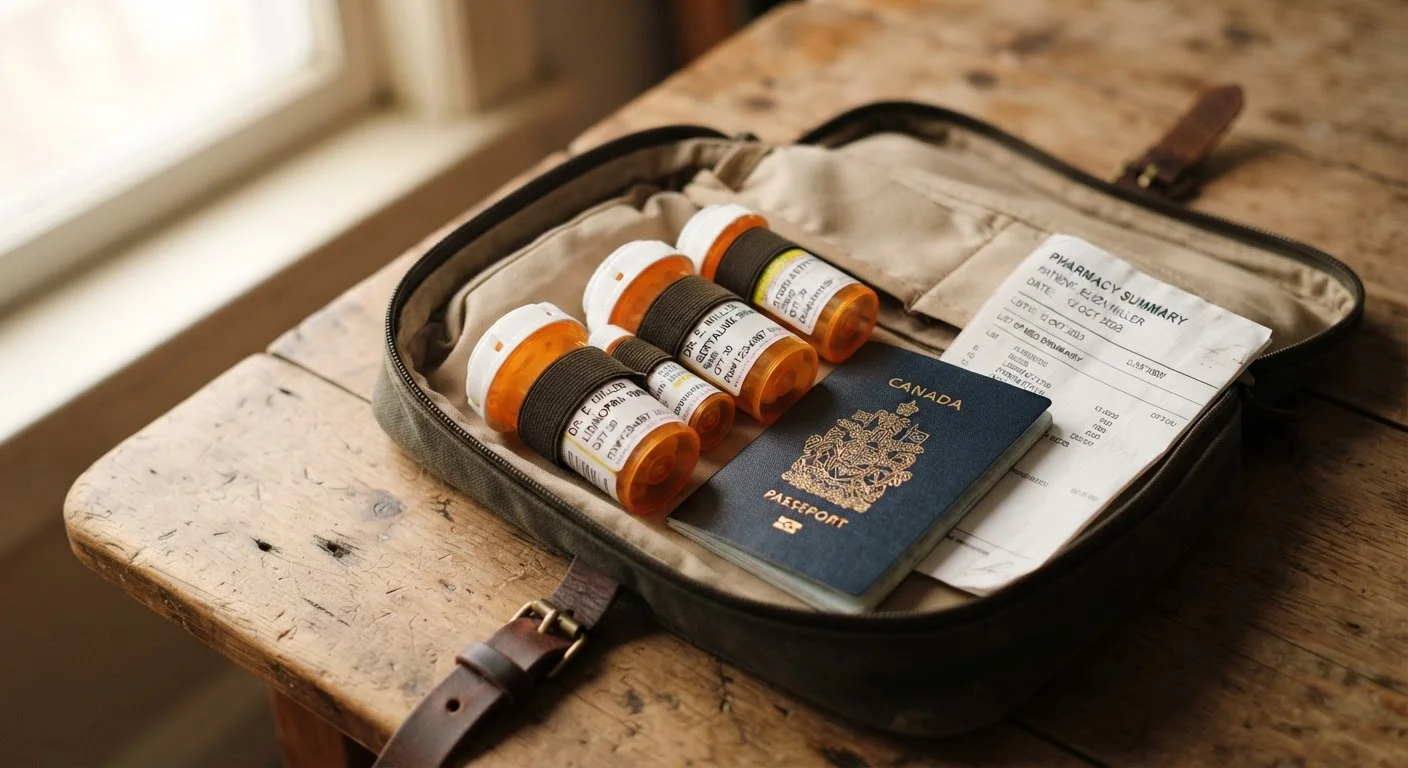
If you're traveling with prescription medications, the documentation and border-crossing requirements are more involved than most travelers expect. The risks of traveling with prescription medication article covers what to verify before you pack.
Putting It All Together Before You Fly
Once you've worked through the checklist, consolidate your health documents into a single travel folder - digital and physical copies. Share key information (insurance numbers, emergency contacts, medication list) with someone at home. For a broader safety framework that spans your full trip, the end-to-end travel safety reference and travel emergency plan guide are worth reviewing alongside this checklist.
Requirements Vary Significantly by Destination
Health and entry requirements - including mandatory vaccinations, restricted medications, and insurance minimums - change and differ widely between countries. Do not rely solely on traveler forums or third-party summaries. Always verify current requirements through official government health and travel advisory sources before your trip, and confirm again closer to your departure date in case of updates.
Health prep isn't a one-size-fits-all exercise. Requirements and risks vary by destination, traveler age, existing conditions, and trip duration. What's sufficient for a week in Western Europe may fall well short for a month in Southeast Asia or sub-Saharan Africa. Always verify destination-specific guidance through the CDC Travelers' Health site and your country's official travel advisory pages - and loop in your healthcare provider early.