
Set a Realistic Budget Before You Browse
The most common mistake cost-conscious buyers make is treating the purchase price as the only number that matters. In reality, you need to account for sales tax, registration fees, insurance premiums, immediate maintenance, and ongoing fuel costs before a single offer is made.
A practical starting point: add 10-15% to whatever sticker price you can afford, and treat that total as your ceiling. If you plan to finance, understand that the interest rate - shaped heavily by your credit score - will determine the true cost of the vehicle over the loan term. General financial education on managing debt responsibly is covered in our guide to navigating debt, which is worth reviewing if auto-loan terms feel unfamiliar.
Build in a Maintenance Reserve
Set aside at least $500-$1,000 as a repair reserve before you drive the vehicle home. Even well-maintained used cars often need immediate attention - tires, brake pads, or fluids - that doesn't show up in a seller's asking price. Having that reserve removes the financial shock of day-one ownership costs.
Separating your "purchase budget" from your "total ownership budget" keeps you from buying a vehicle you can technically afford today but not six months from now.
Research Models and Ownership Costs
Once you have a budget range, narrow your model list using reliability data from independent sources such as consumer advocacy organizations and automotive testing publications. Look beyond the initial price at:
- Average repair frequency and cost for that make, model year, and trim
- Fuel economy - a vehicle rated at 25 mpg vs. 35 mpg represents a meaningful annual cost difference for most drivers
- Insurance group rating - sports-styled vehicles and luxury trims often carry noticeably higher premiums
- Parts availability - some imported or discontinued models have expensive or hard-to-source components
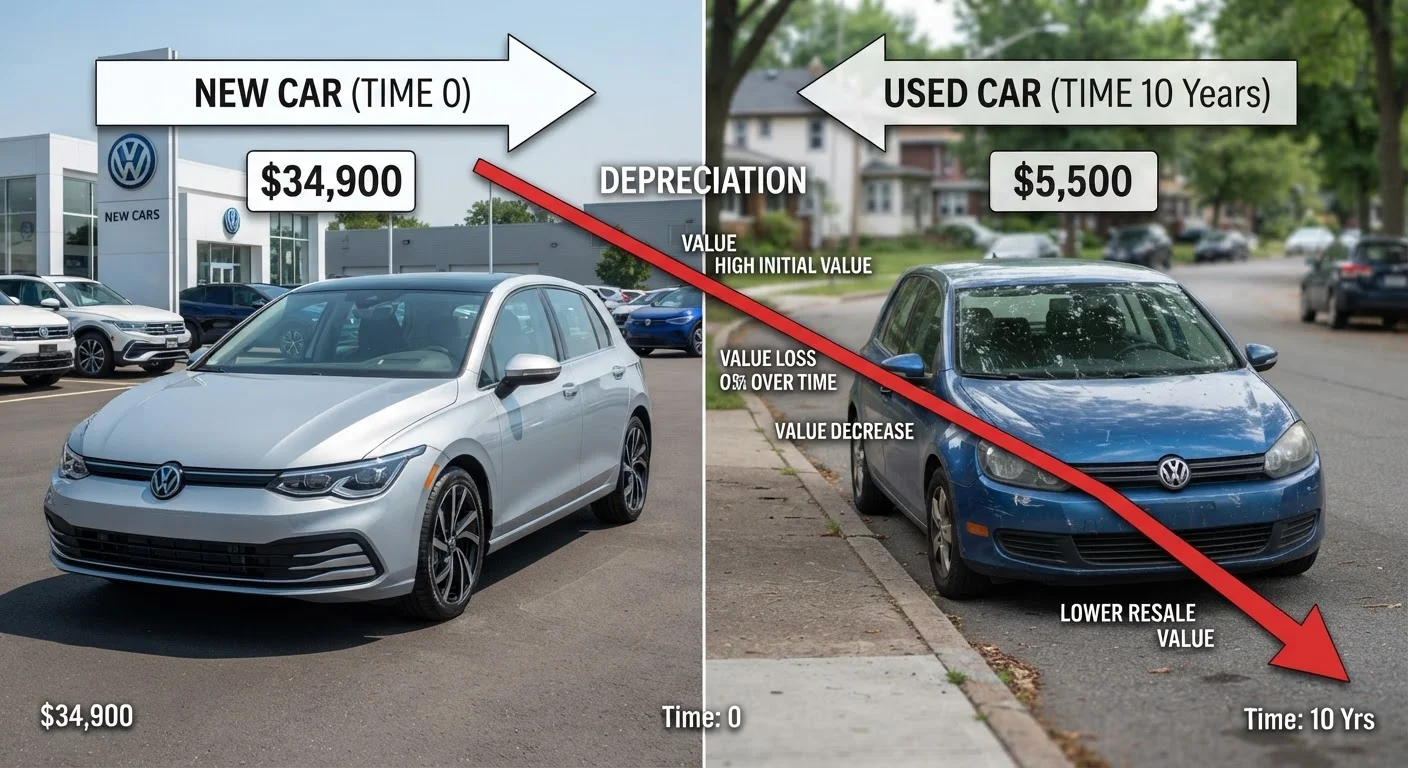
Understanding how depreciation actually works is also essential here: a vehicle that has already shed most of its value in years two through four often represents the practical "sweet spot" for used buyers, delivering reliability while minimizing the steep initial depreciation the first owner absorbed.
~$30,000
Average used-vehicle transaction price (U.S.)
According to Edmunds market data, used-vehicle transaction prices have risen substantially since 2020, making pre-purchase due diligence more financially important than ever.
3-5 years
Steepest depreciation window for most vehicles
Industry analysts widely cite the first three to five years as the period in which most mainstream vehicles lose the largest share of their original value.
~$0.10/mile
Estimated average maintenance cost per mile
AAA's annual 'Your Driving Costs' study consistently reports that maintenance, repair, and tire costs combined average around 10 cents per mile for a typical used sedan.
Where to Search and What to Watch For
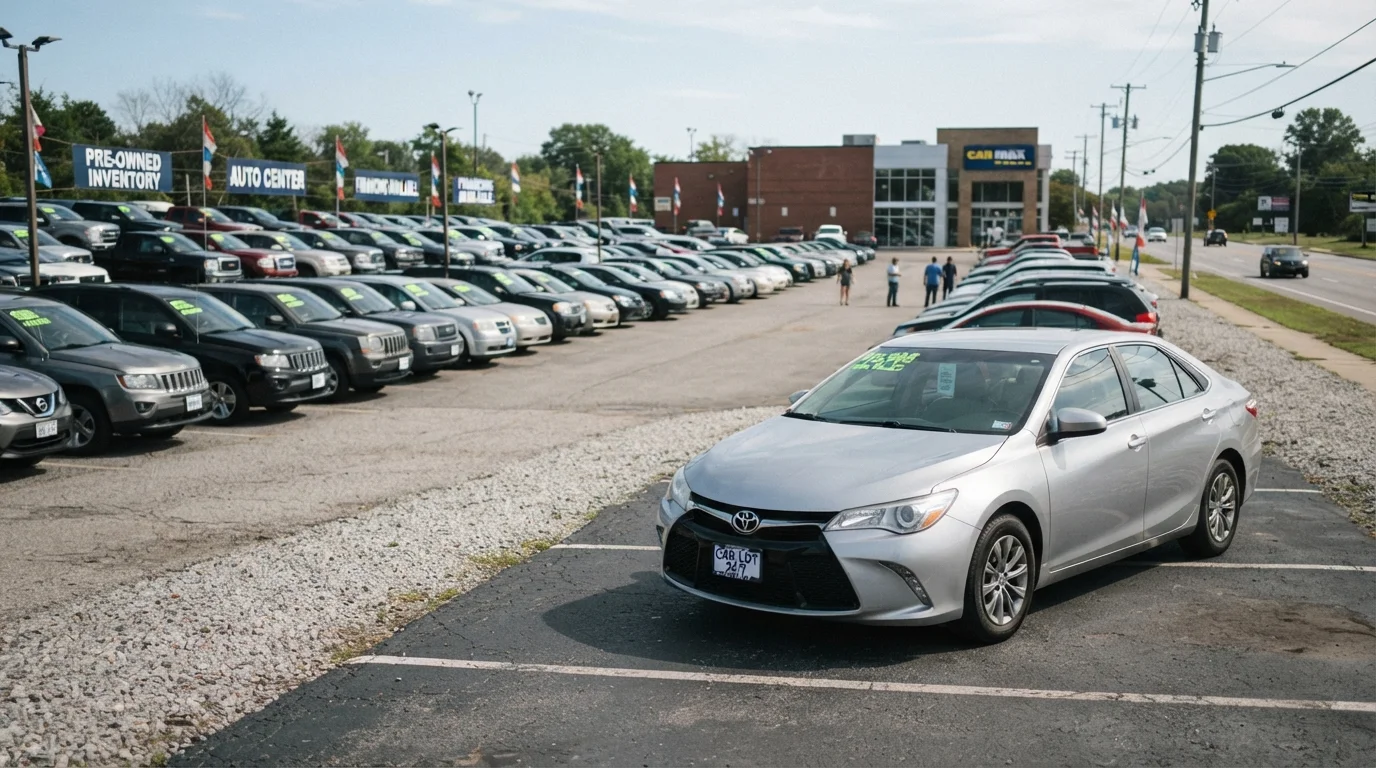
Used vehicles are sold through private sellers, franchised dealers, independent dealers, and certified pre-owned (CPO) programs. Each channel carries different risk and price profiles:
- Private sellers typically offer lower prices but provide no warranty and carry higher due-diligence responsibility for the buyer.
- Independent dealers vary widely in quality; inspect the vehicle just as carefully as you would in a private sale.
- CPO programs come with manufacturer-backed inspections and limited warranties, but those assurances are typically reflected in a higher asking price.
Red flags regardless of channel include pressure to decide quickly, reluctance to allow an independent inspection, a price well below comparable listings, and any mismatch between the odometer reading and the vehicle's apparent condition.
Inspect, Test-Drive, and Verify the History
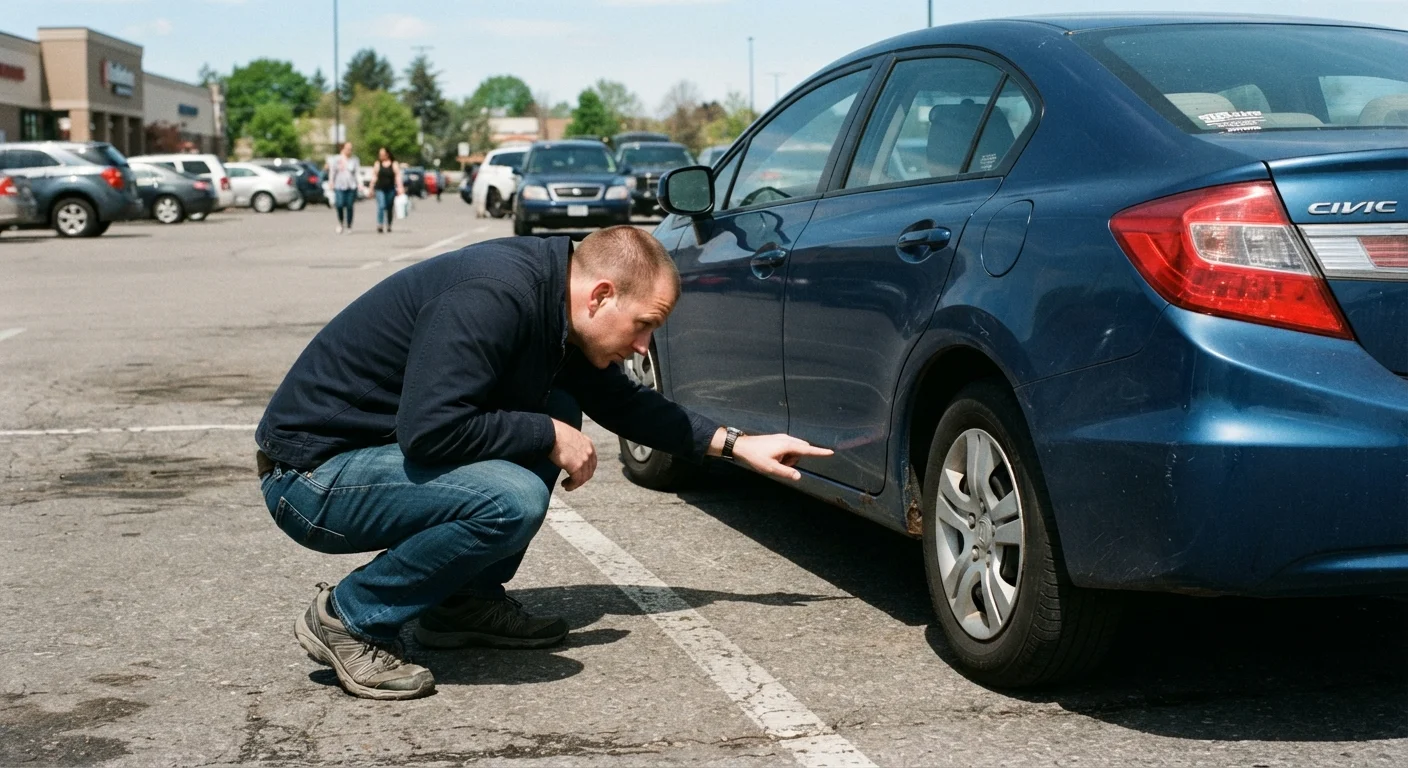
No amount of online research replaces a hands-on evaluation. Use our used-car buyer's checklist to walk through the physical inspection and test-drive systematically. Key areas include panel-gap consistency (indicating prior collision repair), fluid conditions, tire wear patterns, and how the transmission behaves under light and heavy throttle.
Beyond the physical check, run a vehicle history report using the VIN (Vehicle Identification Number). These reports flag title issues, reported accidents, odometer discrepancies, and whether the vehicle has ever been declared a total loss. They are not infallible - unreported accidents won't appear - which is why pairing the report with an independent mechanic inspection is the most protective combination available to buyers.
For a detailed breakdown of what that professional review entails, see what a pre-purchase vehicle inspection actually covers.
Schedule an independent mechanic inspection at a shop of your choosing - not one recommended by the seller. Pay the $100-$150 fee; it routinely uncovers issues worth several times that cost.
A seller-referred mechanic faces an implicit conflict of interest. An independent inspection eliminates that pressure and gives you unbiased findings you can use in negotiation or to walk away confidently.
Test-drive the vehicle on both city streets and a highway on-ramp. The ramp reveals hesitation, transmission slippage, or vibration that a slow neighbourhood drive will never expose.
Many mechanical issues only manifest under load or at speed. A multi-condition test drive is the most efficient diagnostic tool available to a non-mechanic buyer.
Negotiate the Price and Understand Financing
Arrive at any negotiation with comparable listings printed or saved - not just a number you feel is fair. Identify every verifiable issue the inspection uncovered and translate those into estimated repair costs. Present your offer as a reasoned position, not an emotional counter.
If financing through a dealer, obtain a pre-approval from your bank or credit union first. This gives you a benchmark interest rate and removes the dealer's ability to control the financing conversation entirely. Dealer-arranged financing can be competitive, but without an independent offer in hand you have no way to verify that.
Note: Interest rates and loan terms vary based on individual creditworthiness, lender policies, and market conditions. The information here is general education, not personalised financial advice. Consult a qualified financial professional regarding your specific borrowing situation.
Complete the Handover Correctly
The final stage is where deals most commonly go sideways on paperwork. Before any money changes hands, confirm you have:
- A clean title (or lien-release documentation if the seller had an outstanding loan)
- A bill of sale reflecting the agreed price, vehicle VIN, date, and both parties' information
- Odometer disclosure statement, which is required by federal law for most vehicles under ten years old
- Any as-is or warranty terms in writing
Review documentation every car seller should have ready to cross-reference what you should be receiving. Once title and payment are exchanged, contact your state's DMV within the timeframe required to transfer registration. Do not drive the vehicle on public roads without confirming your insurance is active on it first.
If you later decide to sell, selling your car without getting shortchanged walks through pricing, listing, and safe handover from the seller's perspective.