
Why Paperwork Makes or Breaks a Private Sale
Most private car sales stall not over price, but over paperwork. A buyer who has done their homework will walk away the moment a title is missing, a lien is undisclosed, or an odometer statement is unsigned. More importantly, incomplete documentation can expose you to legal liability after the car has left your driveway.
Whether you're selling a daily driver or a weekend project, having every document organized before you list the vehicle signals professionalism, builds buyer trust, and keeps the closing process moving. Use the checklist below as your preparation guide. For a broader look at the selling process - from pricing to test drives - see our practical guide to selling your car without getting shortchanged.
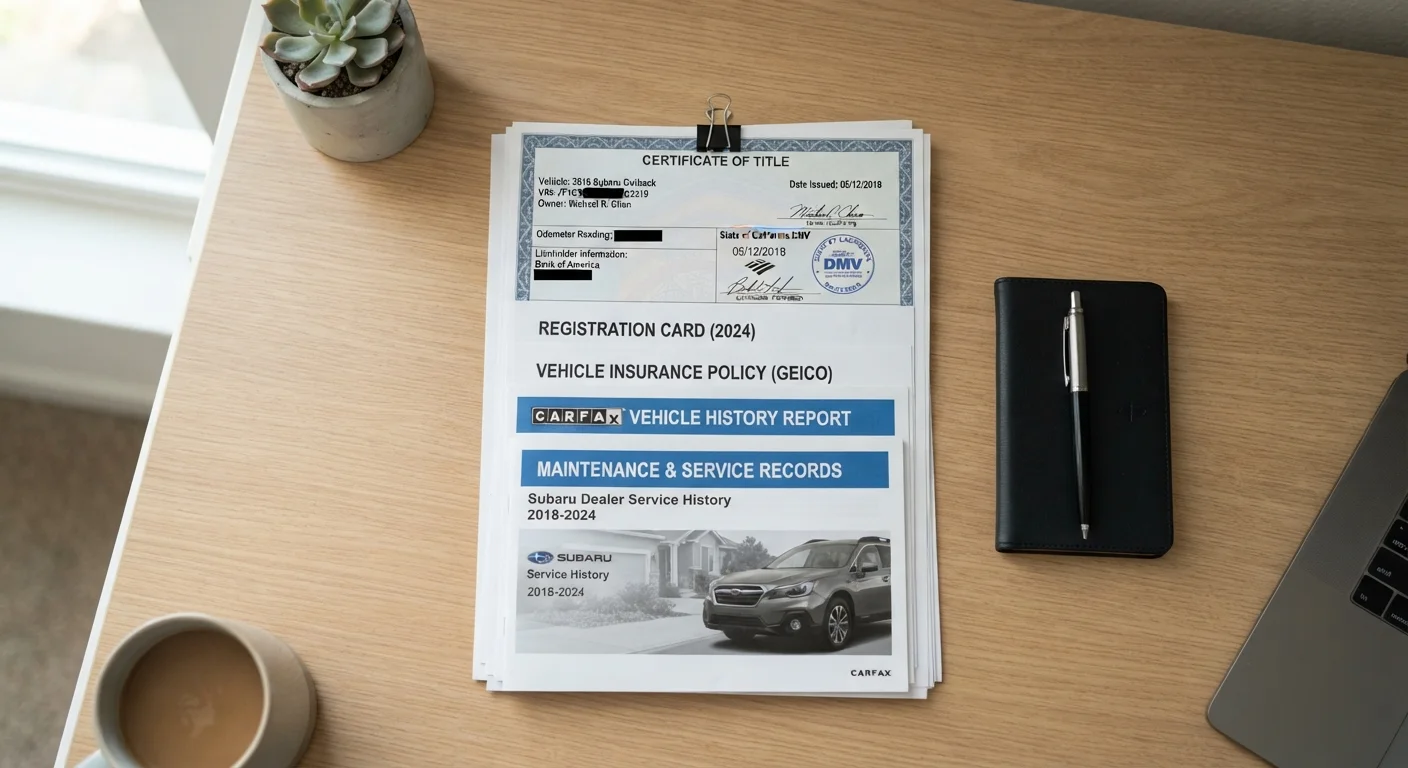
Ownership & Legal Transfer Documents
Vehicle History & Condition Records
Sale Transaction Documents
Registration & Compliance Documents
What Buyers Will Scrutinize - and Why It Matters to You
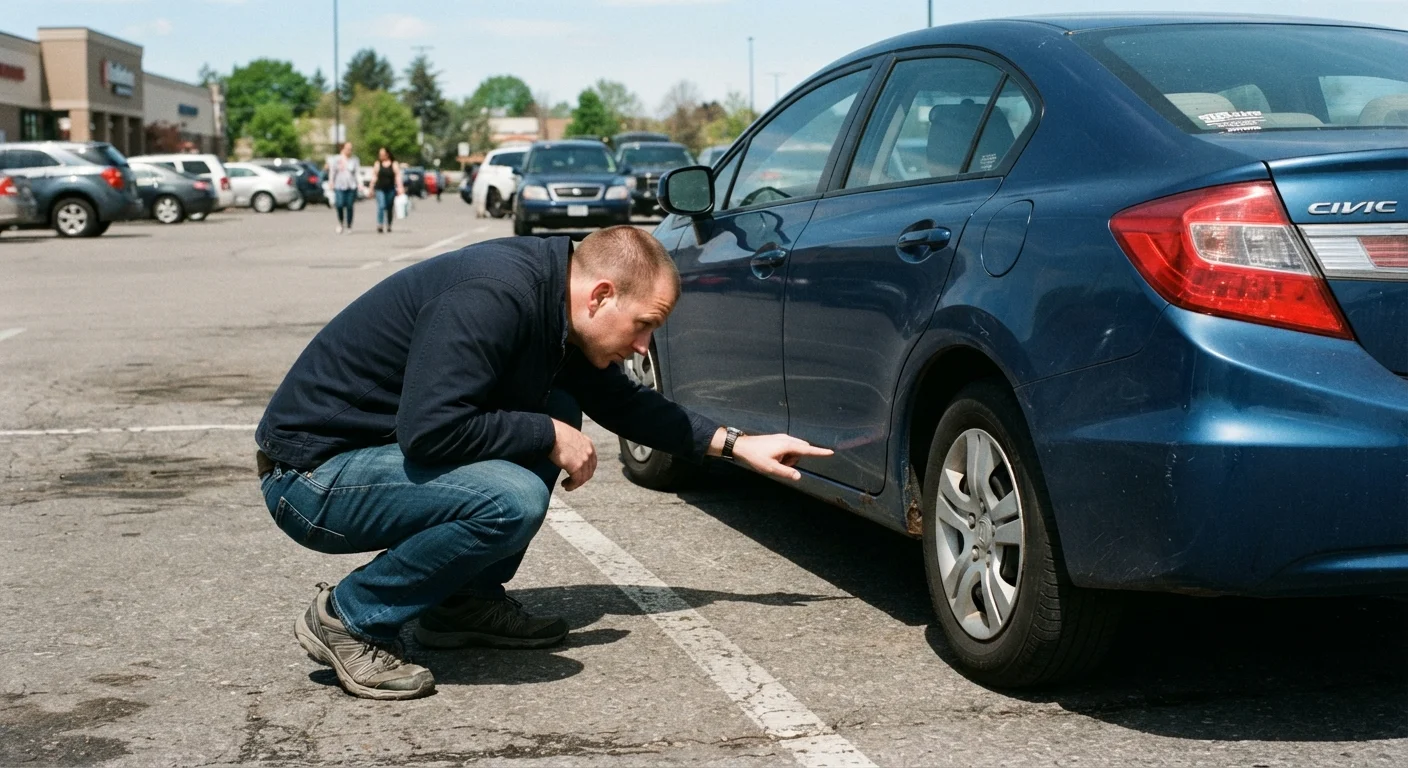
A well-prepared buyer working through a checklist like the one in our used-car buyer's checklist will cross-reference your documents against the physical vehicle. Inconsistencies - a VIN that doesn't match the title, an odometer reading that seems implausibly low, or a lien that hasn't been released - are immediate red flags that can collapse a deal or, worse, result in post-sale disputes.
The tools section below lists what you'll need to gather and verify everything before your first showing.
Vehicle Title (Original)
The legal document proving ownership - required to transfer the vehicle to the buyer.
State DMV Transfer Forms
State-specific forms (release of liability, odometer disclosure) required to complete the legal transfer.
Vehicle History Report
Documents accident history, title status, and ownership chain using the vehicle's VIN.
Bill of Sale Template
A written record of the transaction terms signed by both buyer and seller; many state DMV sites offer free templates.
Maintenance and Repair Records
Supports your asking price and gives buyers confidence in the vehicle's service history.
Lender Payoff Statement
Required if the vehicle carries an active lien; confirms the outstanding balance and title-release process.
Never Pre-Sign a Blank Title
Signing the title before the sale is complete - without a buyer's name filled in - turns it into a bearer instrument anyone can use to claim ownership. Only complete the seller section of the title in the buyer's presence at the time of the transaction. If you make an error on the title, do not try to correct it with white-out; contact your state DMV for a replacement or correction procedure.
State-Specific Requirements and Final Steps
Document requirements vary by state. Most require a signed title, an odometer disclosure statement (for vehicles under ten years old), and a bill of sale. Some states require a smog or emissions certificate, a notarized title, or a specific DMV release-of-liability form submitted within a set window after the sale. Skipping the release form is one of the most common seller mistakes - it can leave you legally connected to a vehicle you no longer own if the new owner receives a toll or parking violation.
Before listing, visit your state's DMV website or call their information line to confirm current requirements. If your vehicle is still under a lender's lien, contact the lienholder early - payoff and title release can take one to three weeks depending on the institution.
Submit Your Release of Liability Promptly
In most states, sellers are legally required to notify the DMV of a vehicle sale within a specific window - often 5 to 10 business days. Failing to file a release of liability means you could remain on record as the owner if the buyer receives a traffic citation, causes an accident, or abandons the vehicle. Submit this form the same day as the sale whenever possible.
Buyers researching the full purchase process can find step-by-step guidance in our end-to-end used-car buying guide, which covers everything from budgeting to handover.