
Why Preparation Separates Fast Sales from Stalled Ones
Most private car sales that drag on for weeks - or collapse at the last minute - share a common cause: the seller wasn't ready. Buyers sense hesitation, gaps in paperwork, and vague answers about a vehicle's history. They either walk away or use those gaps to push the price down.
Before you post a single photo, take stock of what you have. Pull the title and confirm it's in your name with no outstanding liens. Gather any service records, emissions certificates, and the window sticker if you still have it. A used-car buyer's checklist shows exactly what informed buyers look for - reviewing it from the seller's side tells you where your car stands before they do.
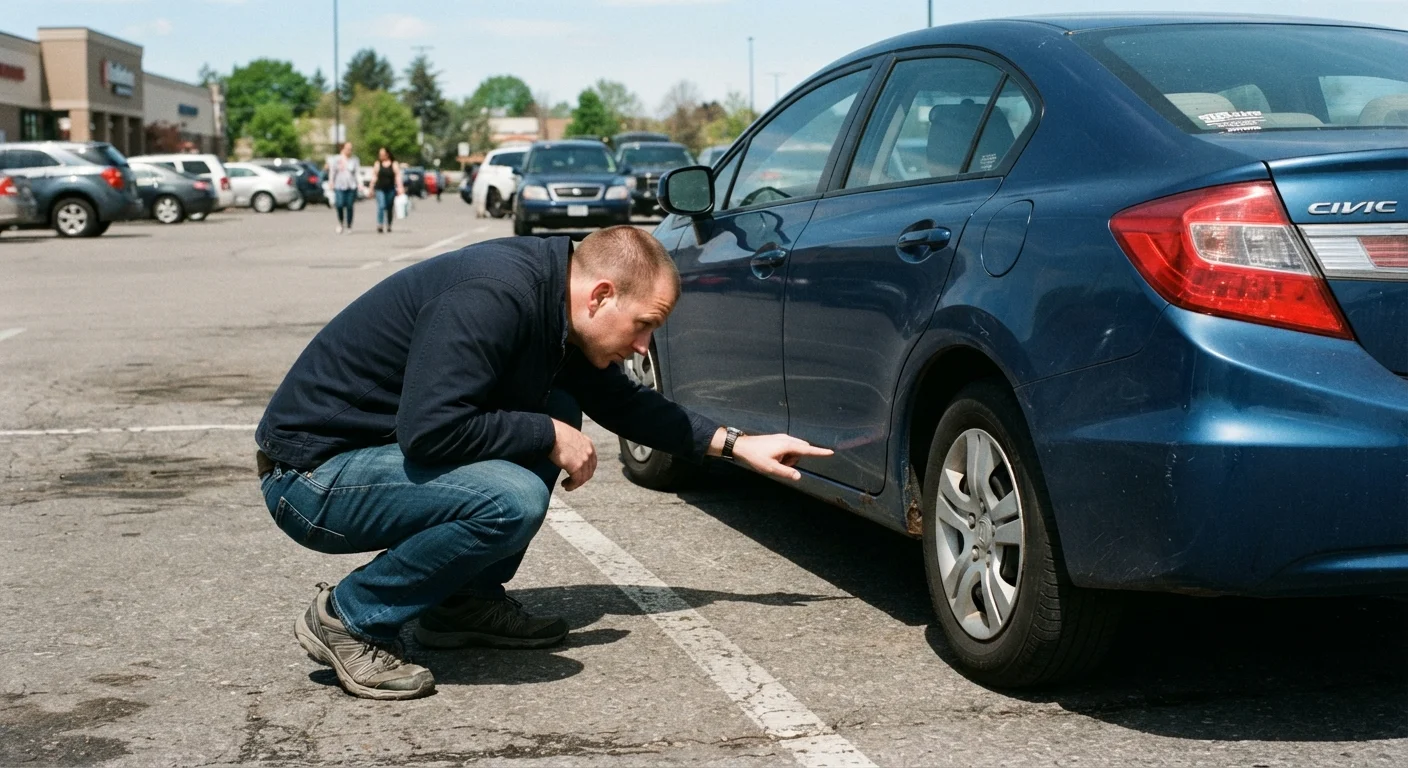
Consider a pre-sale inspection from an independent mechanic. This typically costs between $100 and $150 and gives you a written record of the vehicle's condition. It removes the mystery that makes buyers nervous and gives you a defensible basis for your asking price.
What you will need
Pricing Your Car to Sell - Not to Stall
Overpricing is the most common seller mistake. A listing that sits for weeks signals to buyers that something is wrong, even if the price is the only problem. Conversely, underpricing out of impatience gives away real money.
Base your asking price on objective sources: check aggregator sites that compile actual transaction prices for your make, model, model year, mileage range, and trim level in your region. Use at least two reference points. Adjust for condition honestly - minor cosmetic wear is not the same as mechanical deficiencies, and buyers know the difference. Our overview of vehicle pricing myths explains why emotional attachment to a car's value is one of the most expensive mistakes sellers make.
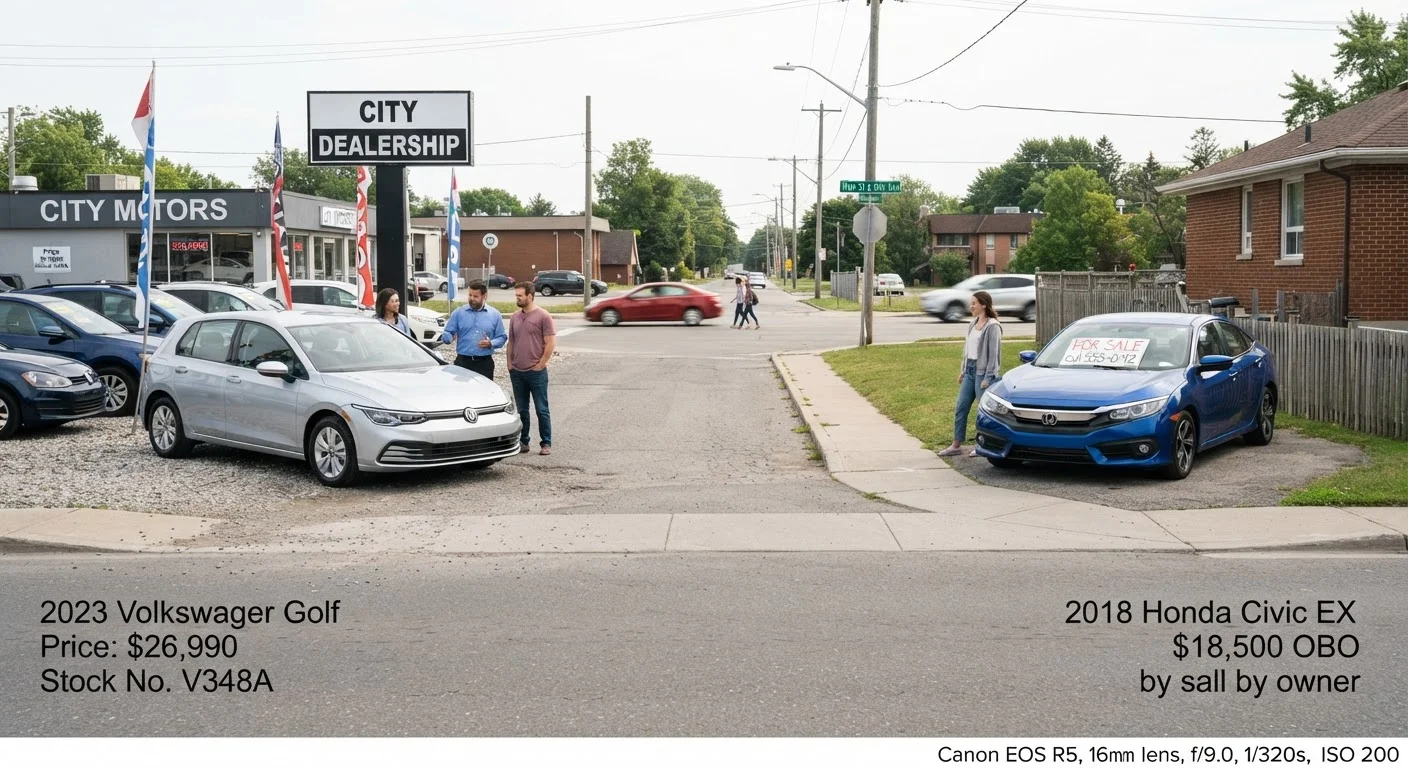
Build in a small negotiating buffer - typically 5 to 10 percent above your true minimum - so you can make a concession without falling below your floor. If you're weighing whether to sell privately at all, comparing trade-in versus private sale can clarify how much the convenience of a dealership actually costs you.
Depreciation Affects Your Floor Price
Understanding how depreciation has affected your vehicle helps you set a realistic minimum. Our guide on how depreciation actually works explains the mechanics clearly. Sellers who understand depreciation curves avoid holding out for prices the market simply won't support.
Handling Inquiries, Test Drives, and Payment Safely
Screening buyers before you meet is practical, not paranoid. Ask serious questions early: Are they pre-approved for financing or paying cash? Do they have a valid license? What is their timeline? Buyers who refuse to answer basic questions or pressure you to skip steps are worth avoiding.
For test drives, always accompany the buyer - never hand over keys to an unaccompanied stranger. Choose a daytime route in a familiar area and keep it under 20 minutes. Confirm they hold a valid driver's license and consider photographing it before you go. Make sure your insurance covers permissive use by a non-household driver, or ask your insurer in advance.
Fraud Targeting Private Sellers Is Common
Scams targeting private car sellers are well documented and often involve overpayment schemes, fake cashier's checks, or requests to use unconventional payment platforms. If an offer arrives quickly, exceeds your asking price, or involves unusual payment arrangements, treat it as a red flag. Verify all payments through official banking channels before transferring the title.
On payment, cash is simple but carries its own risks for large sums. A cashier's check from a reputable institution is common, but verify it directly with the issuing bank before signing anything over - counterfeit cashier's checks are a documented fraud method. Wire transfers are increasingly the standard for private vehicle sales above a few thousand dollars. Never accept personal checks, and never hand over the title until payment is fully confirmed and in your account.
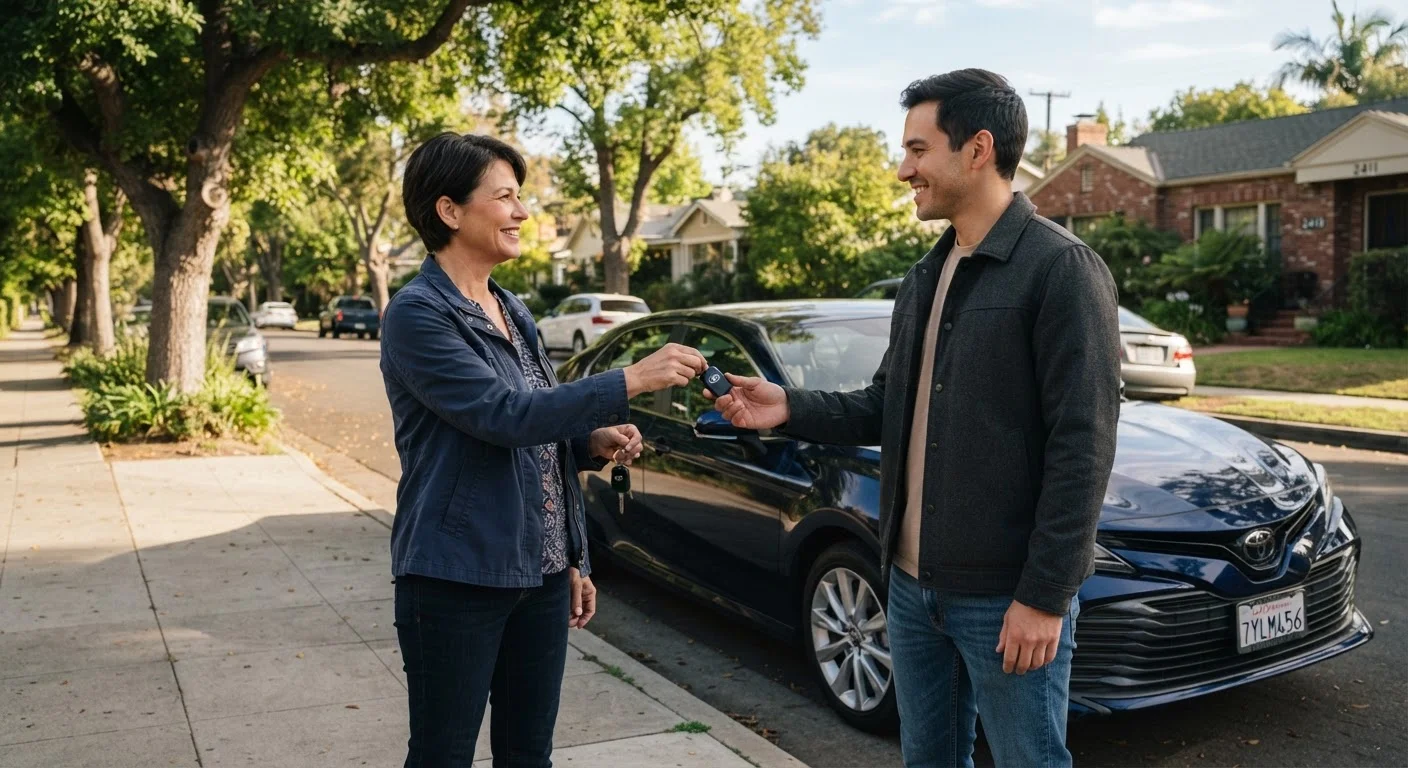
When you're ready to close, sign the title over accurately and completely - errors can create legal headaches for both parties. File a release of liability with your state's DMV as soon as the sale is complete. This protects you if the buyer incurs a toll, ticket, or accident before registering the vehicle in their name. For more on what the handover should look like from the buyer's perspective, see our end-to-end used-car buying guide.