
Why a Checklist Matters More Than Gut Instinct
Buying a used car is one of the larger financial decisions most adults make outside of real estate. Yet many buyers walk away from a purchase relying primarily on how the car looks or how the seller presents it - skipping the systematic checks that separate a solid buy from an expensive mistake.
This checklist is designed to slow you down at the right moments. Work through it in order: start with documentation before you even look at the car, move to the physical inspection, then the test drive. Each stage catches different categories of problems. Skipping one doesn't just leave a gap - it can invalidate conclusions you drew in another stage.
For a broader view of the full buying process - from setting a budget to completing the handover - see our end-to-end used-car buying guide. This checklist is designed to complement that guidance at the critical inspection and verification stage.
Documentation & History
Exterior Inspection
Under the Hood & Mechanical
Interior Inspection
Test Drive
Tools You'll Need at the Inspection
You don't need specialist equipment, but a few basic items make the inspection faster and more reliable. Bring everything listed below before you visit the vehicle - improvising on the day leads to shortcuts.
Flashlight or phone torch
Illuminate dark areas under the hood, wheel arches, and the vehicle underside.
VIN lookup service
Pull a vehicle history report before or during the inspection to check for title problems, accidents, and odometer issues.
Tyre tread depth gauge
Measure actual tread depth accurately rather than estimating by eye.
OBD-II diagnostic scanner
Read any stored fault codes from the car's computer, including codes that don't trigger a dashboard warning light.
Notepad or checklist printout
Record observations item-by-item so nothing is forgotten and you have notes for post-visit comparison.
Always Get an Independent Mechanic's Inspection
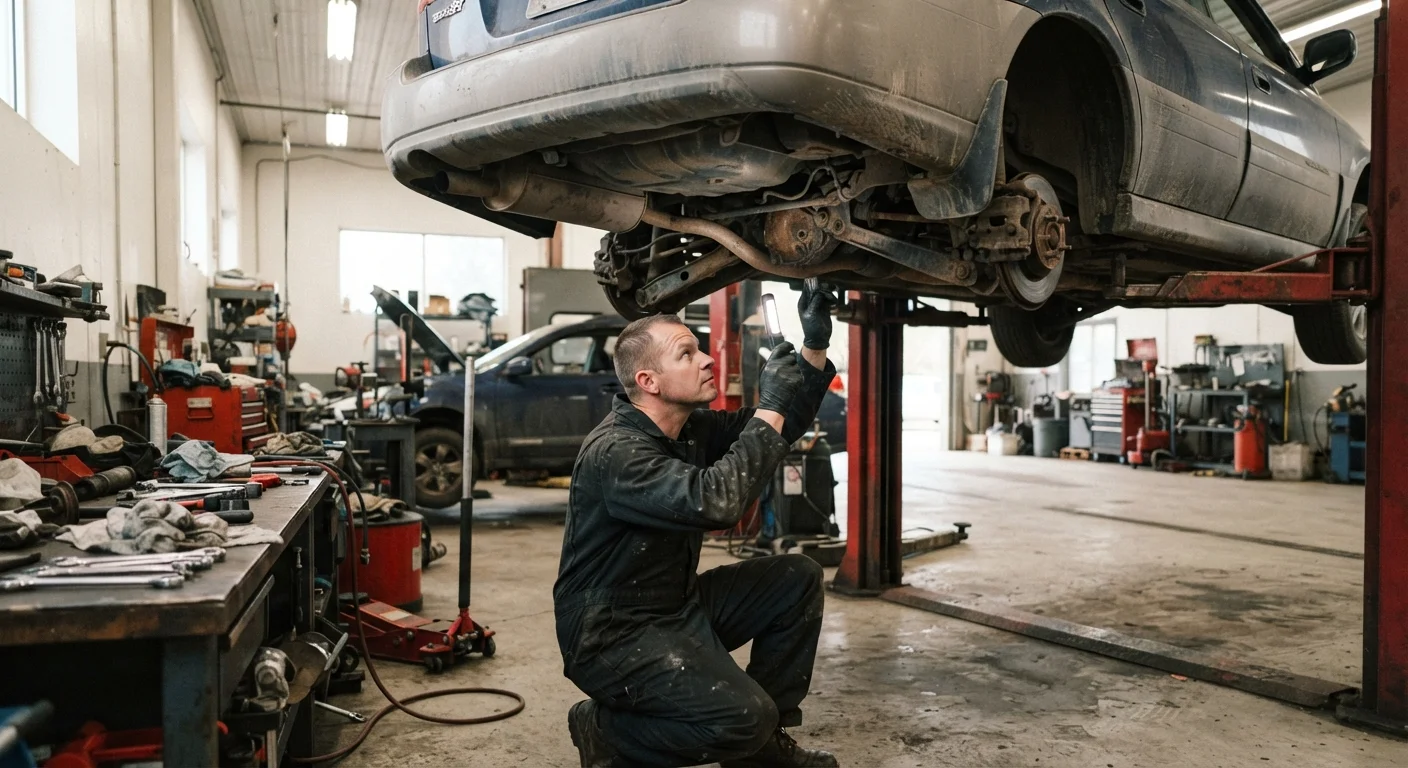
This checklist covers what a careful buyer can assess without specialist tools, but it is not a substitute for a professional pre-purchase inspection. A qualified mechanic can lift the vehicle, check the frame for structural damage, assess the transmission and brakes in depth, and read diagnostic codes you may not be able to access. Budget for this cost - it is consistently one of the highest-return steps in the used-car buying process. Our article on what a pre-purchase inspection covers explains in detail what a thorough inspection should include.
If the seller refuses to allow an independent inspection or pushes back on any documentation request, treat that as a serious red flag. Legitimate private sellers and dealers should welcome scrutiny. For a detailed breakdown of what a professional inspection covers, refer to our article on what a pre-purchase inspection covers.
After the Checklist: What Comes Next
Completing this checklist doesn't mean you're done - it means you have enough information to make an informed decision. If any item raised a concern, document it specifically. Minor cosmetic issues may support a price negotiation; mechanical or title problems may be grounds to walk away entirely.
Never feel pressured to decide on the spot. A seller who insists the car will be gone if you don't commit immediately is applying a sales tactic, not sharing a fact.
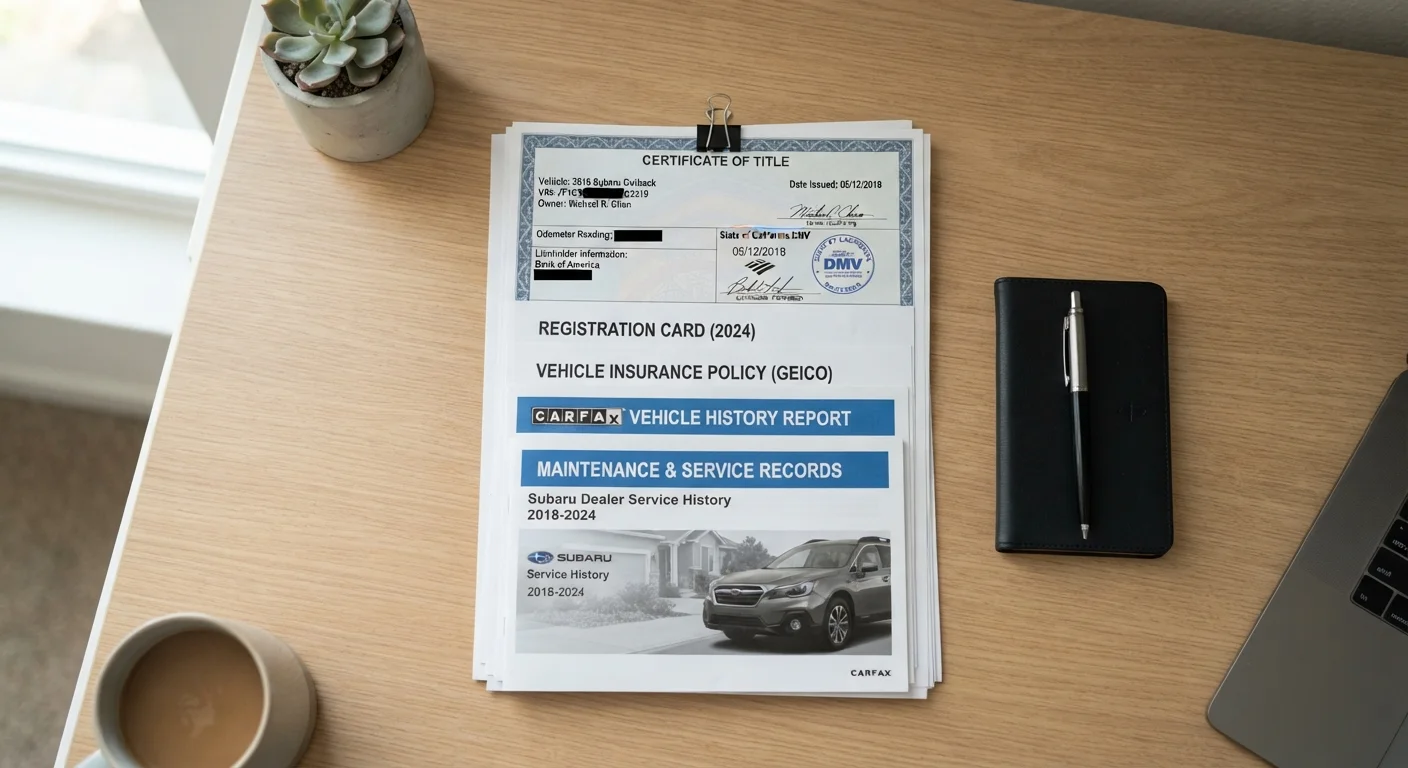
Once you're satisfied with the vehicle, turn your attention to the paperwork handover. Our guide on documentation every car seller should have ready explains exactly what should change hands at closing and why each document matters. Getting this step right protects you legally and ensures a clean title transfer.
This article is for general informational purposes only. Vehicle condition, legal requirements, and documentation rules vary by state. Always verify local regulations and consult a qualified mechanic or legal professional for guidance specific to your situation.