
What a Mechanic Actually Checks
A thorough pre-purchase inspection follows a systematic checklist across every major system of the vehicle. Here is what a qualified mechanic should examine:
- Engine and drivetrain: The inspector looks for oil leaks, coolant leaks, belt and hose condition, and signs of overheating or poor compression. On automatic and manual transmissions, they check fluid quality and listen for unusual behavior during a brief drive cycle.
- Brakes and suspension: Rotor thickness, pad wear, caliper condition, and brake fluid are assessed. Suspension bushings, ball joints, tie rods, and shock absorbers are checked for wear or damage - problems here affect both safety and tire life.
- Tires and wheels: Tread depth, uneven wear patterns (which can signal alignment or suspension issues), and sidewall condition are all evaluated.
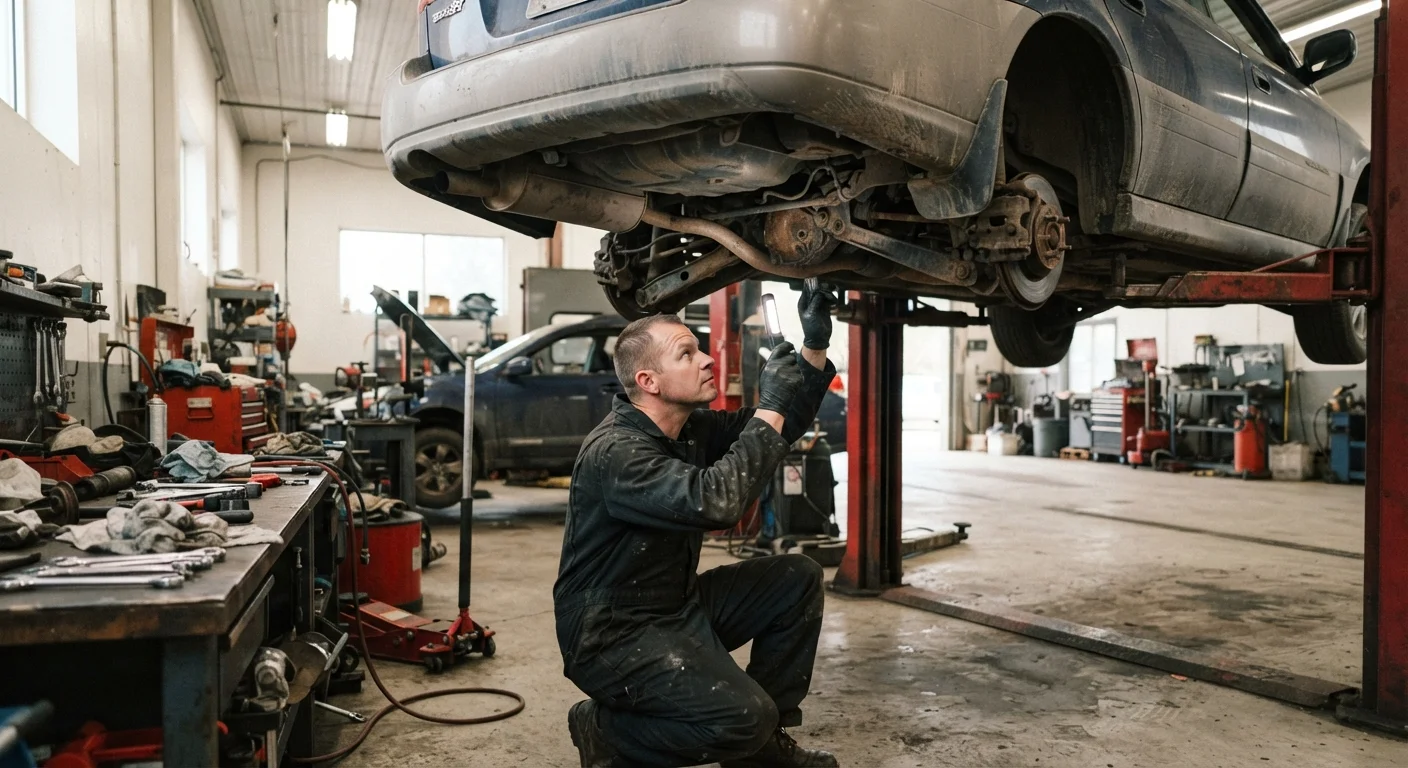
- Undercarriage and frame: The vehicle is typically lifted so the mechanic can inspect for rust, frame damage, evidence of prior collision repairs, and the condition of exhaust components.
- Electrical systems: Lights, HVAC, power windows, and the OBD-II diagnostic port are checked. A scan tool can reveal stored fault codes that are not yet triggering a dashboard warning light.
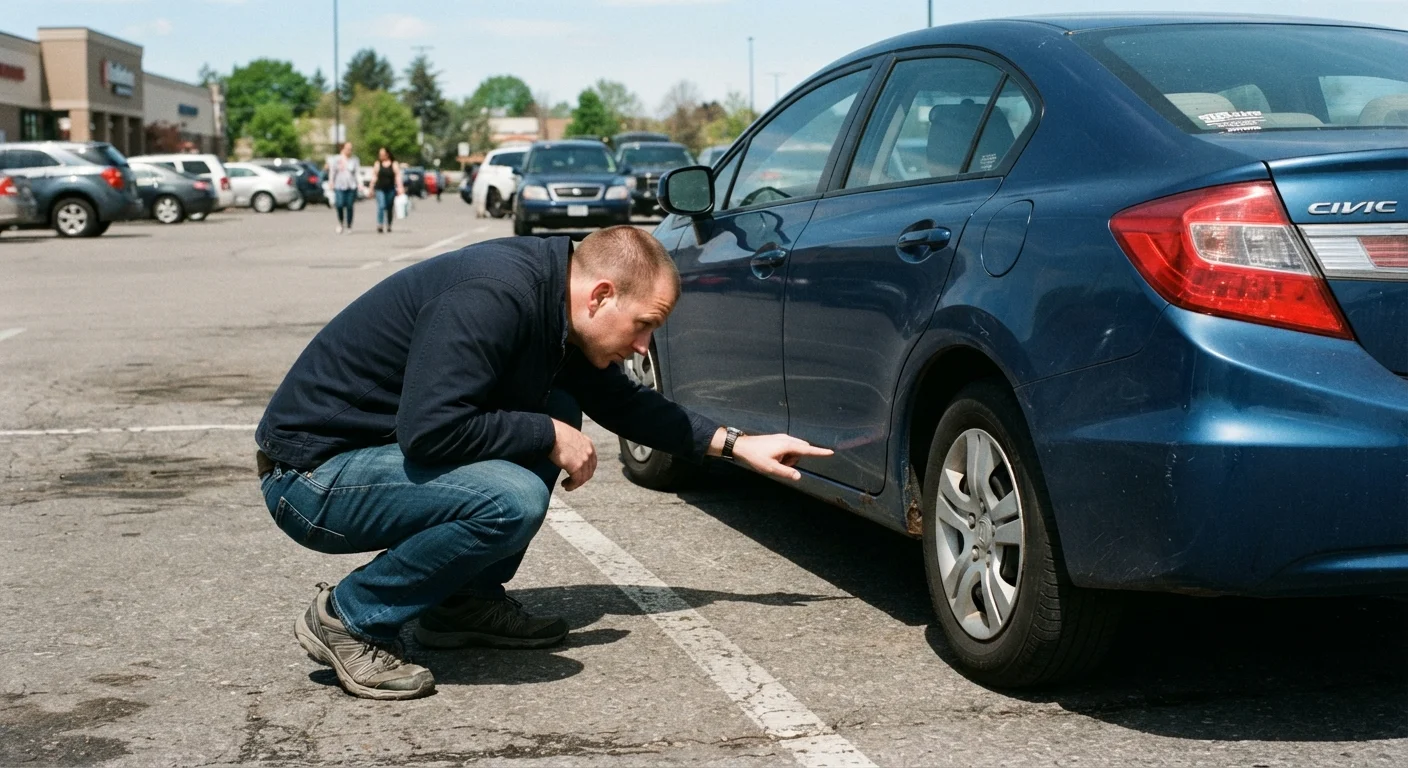
- Body and paint: Paint thickness gauges help identify areas that have been repainted - a possible sign of accident repair not captured in vehicle history records.
For a full checklist to carry into any used-car transaction, see our used-car buyer's checklist.
$100-$200
Typical cost of an independent PPI
Most independent mechanics and mobile inspection services charge within this range for a standard used-vehicle inspection in the US.
1-2 hrs
Average time a PPI takes
A thorough inspection of a standard passenger vehicle typically takes between one and two hours at a qualified shop.
~1 in 3
Used cars with undisclosed issues
Industry data from vehicle inspection providers consistently suggests a significant share of used cars inspected have problems not mentioned by the seller.
Why Independent Is Non-Negotiable
The single most important word in "pre-purchase inspection" is independent. The mechanic must be someone you hire, with no business relationship with the seller. This applies whether you are buying from a private individual or a dealership.
A seller-affiliated inspection is not without value, but it carries a structural conflict of interest. An independent mechanic's only obligation is to give you an accurate picture of the car. Many buyers take the vehicle to a local shop they already trust; others use dedicated mobile inspection services that travel to wherever the car is located.
Arrange the Inspection Before You Commit
Schedule the PPI before signing any purchase agreement or paying a deposit, and make the sale contingent on a satisfactory inspection result if the seller will allow it. If a seller pressures you to skip the inspection or sign first, treat that urgency as a warning sign rather than a reason to move faster.
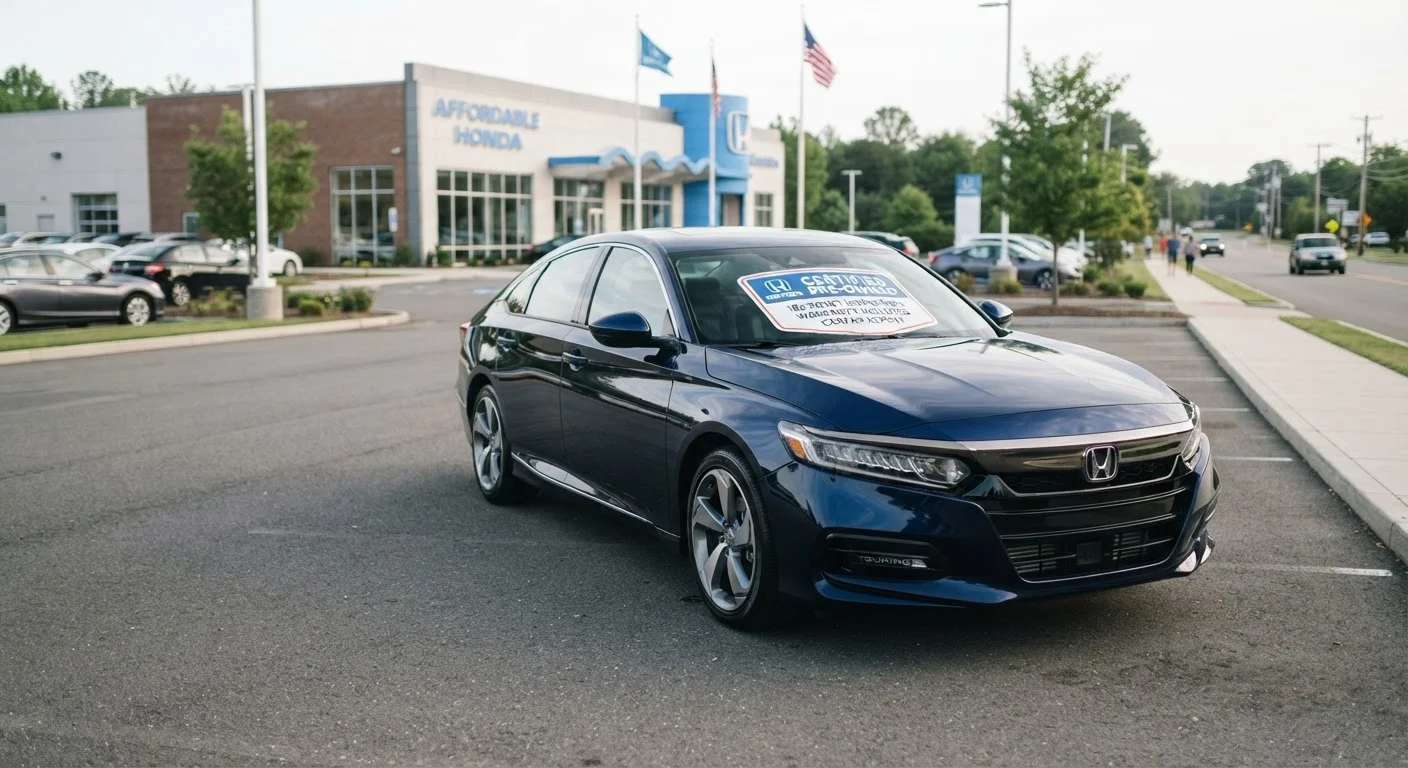
It is also worth understanding what a PPI does not cover: it is a visual and functional assessment at a single point in time, not a prediction of future reliability. Components can fail after even a clean inspection. Think of it the same way you would a home inspection - an expert opinion that reduces uncertainty, not a warranty. For coverage that extends after purchase, look into what certified pre-owned programmes actually guarantee.
Using the Report to Your Advantage
A written inspection report is not just a pass/fail document - it is a negotiating tool. Once you have findings in hand, you have three practical options:
- Renegotiate the price. If the inspection reveals deferred maintenance or wear items the seller did not disclose, you have documented grounds to ask for a price reduction reflecting those costs.
- Request repairs as a condition of sale. Some sellers, particularly dealers, will address specific items before closing rather than lose the deal. Get any agreed repairs in writing.
- Walk away. If the inspection uncovers safety-critical issues, evidence of significant undisclosed accident damage, or a repair estimate that exceeds the vehicle's value, you are better served walking away. A $150 inspection fee is far less expensive than inheriting a problem vehicle.
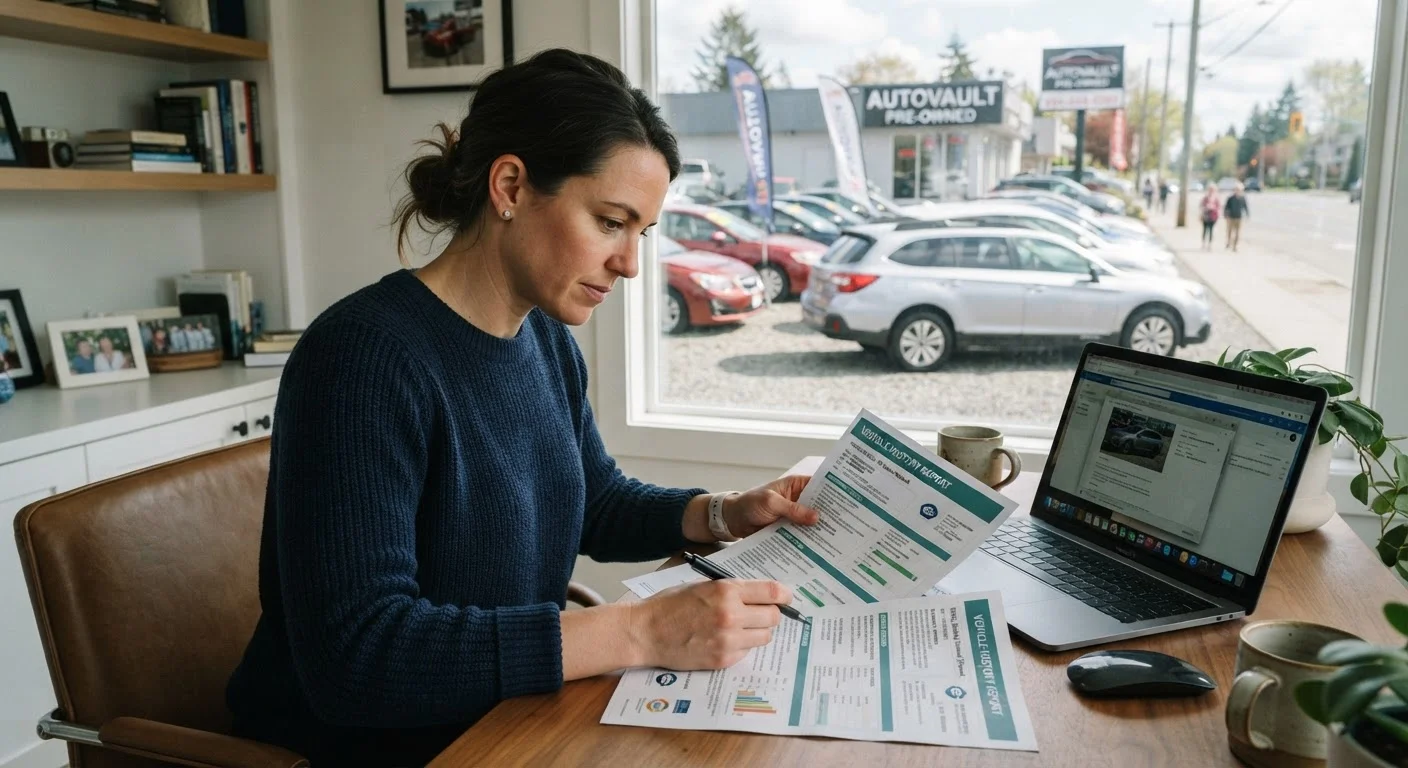
Cross-reference the report against the vehicle history records you have already pulled. Discrepancies between what the history report shows and what the mechanic finds physically - such as frame damage with no corresponding accident record - deserve serious scrutiny. Our guide to vehicle history reports explains what those documents reliably capture and where their gaps lie.
If this is your first time navigating a used-car purchase, our first-time buyer's guide covers the full process - from setting a budget to finalizing paperwork - including where a PPI fits in the timeline.