

Two Very Different Things Can Wear the Same Badge
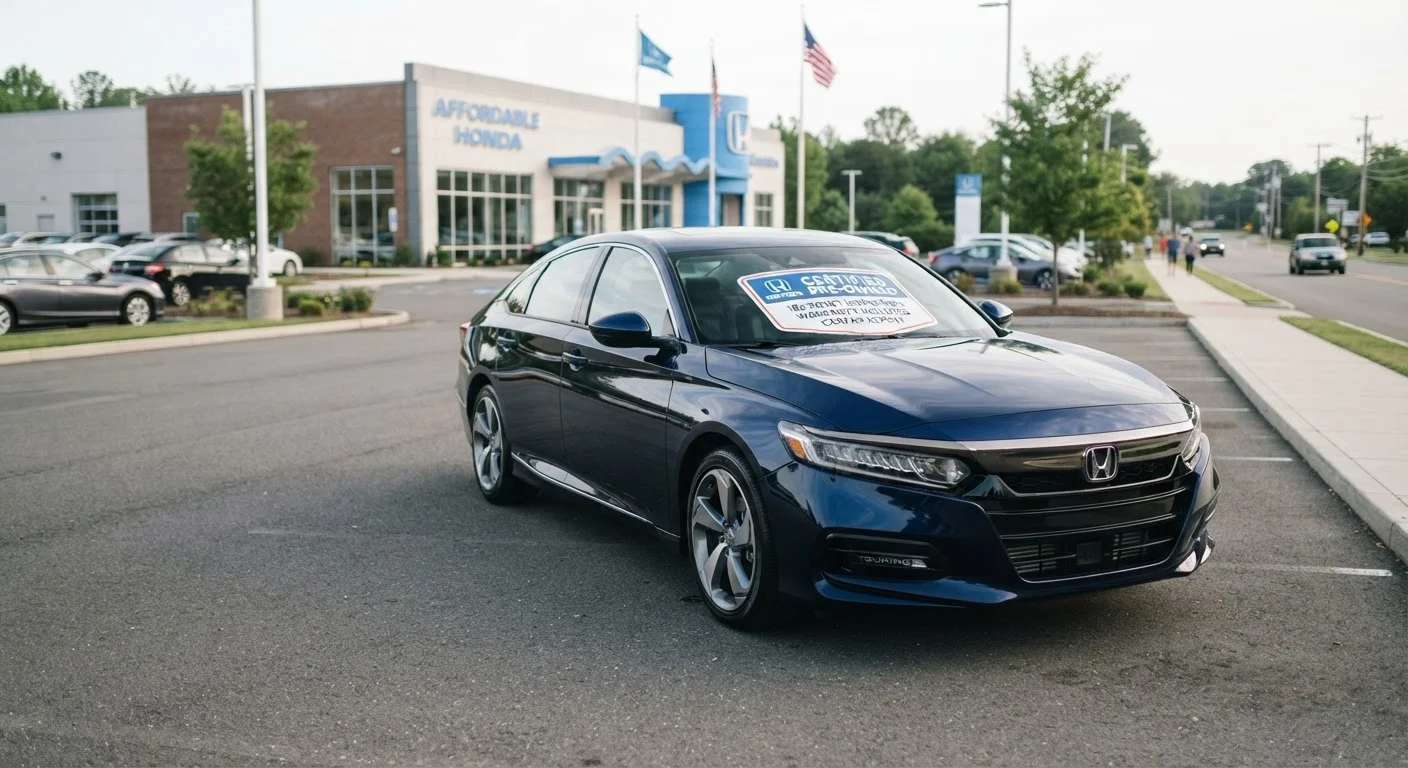
Walk onto almost any franchised dealership lot and you'll encounter vehicles wearing a Certified Pre-Owned badge. The label implies a promise - but the substance behind it depends entirely on who is doing the certifying and under what rulebook.
There are two main categories: manufacturer-backed CPO programmes and dealer-certified programmes. Manufacturer programmes are administered by the automaker itself - think a carmaker's own CPO division - and follow nationally consistent standards. Inspection criteria, warranty length, and roadside assistance benefits are set by the brand, not the individual store. Dealer programmes, by contrast, are created and managed at the dealership level. They can be entirely legitimate, but terms, inspection depth, and coverage limits are decided in-house and may vary from one dealership to the next.
The practical upshot: two vehicles wearing nearly identical CPO stickers could carry dramatically different protections. Always ask which type of programme applies to the specific vehicle you're considering.
Federal Trade Commission Oversight
The U.S. Federal Trade Commission (FTC) has issued guidance on used-car sales practices, including concerns about misleading CPO representations. The FTC's Used Car Rule requires dealers to display a Buyers Guide disclosing warranty terms on used vehicles. However, this does not standardise what 'certified' must mean - it simply requires disclosure of whatever terms apply. Reviewing that Buyers Guide is a useful first step.
What an Inspection Checklist Actually Tells You
CPO marketing materials often lead with the inspection point count - "172-point inspection" is a common figure. A longer checklist sounds more thorough, but the number alone is not a reliable quality indicator. A programme that checks 200 boxes superficially may offer less assurance than one with 100 items examined rigorously by a factory-trained technician.
What matters more than the count is what happens when a problem is found. Reputable manufacturer CPO programmes require that defects identified during inspection be corrected before the certification is applied - not merely noted. Ask the dealership for documentation showing what was inspected, what was repaired, and what parts were replaced. A trustworthy programme will provide this.
Even so, no inspection eliminates all risk. Intermittent electrical faults, early-stage rust in hidden seams, and pending mechanical failures can pass a checklist undetected. This is why an independent pre-purchase inspection by a mechanic of your own choosing is still a reasonable precaution - even on a CPO vehicle. A thorough independent inspection can surface concerns that a dealership's own checklist may not flag.
~80,000 mi
Typical mileage cap for manufacturer CPO eligibility
Most major automaker CPO programmes set an upper mileage threshold around 80,000 miles, though specific limits vary by brand.
100-200+
Range of inspection points across CPO programmes
Inspection checklists vary widely; the count alone does not indicate how rigorously each point is assessed or what remediation is required.
5-6 years
Common vehicle age limit for CPO qualification
Manufacturer-backed programmes typically restrict CPO status to vehicles within five to six model years of the current year, varying by automaker.
Decoding the Warranty: What Is and Isn't Covered
The warranty document is the most important piece of paper tied to any CPO vehicle - and the one most buyers skip. Marketing language like "bumper-to-bumper" sounds comprehensive, but virtually every CPO warranty carves out significant exclusions.
Common exclusions across most programmes include:
- Wear-and-tear components: brakes, tires, clutch discs, wiper blades, filters
- Interior trim and upholstery damage
- Damage caused by accident, misuse, or lack of maintenance
- Emissions components beyond what federal law already mandates
Key variables to compare between programmes include the warranty duration (months or years from purchase), mileage cap (the point at which coverage ends), deductible per repair visit, and whether coverage is transferable if you sell the vehicle. Some programmes also include roadside assistance, loaner vehicles, or trip interruption reimbursement - useful benefits worth confirming in writing rather than assuming.
Ask for the Actual Warranty Document
Before agreeing to a CPO vehicle, request a copy of the full warranty contract - not the brochure or summary sheet. Read the exclusions section carefully. Key terms to look for include deductible amount, coverage duration, what counts as a covered component failure, and whether the warranty is transferable. If the dealership is reluctant to provide the document before purchase, treat that as a caution signal.
The CPO Premium: Is It Worth Paying?
CPO vehicles typically carry a price premium over comparable non-certified used cars. Whether that premium is justified depends on the specific programme's strength, the vehicle's history, and your own risk tolerance.
A manufacturer-backed CPO with a long powertrain warranty and transferable coverage on a relatively young, low-mileage vehicle can represent real value - particularly on models known for costly drivetrain repairs. The warranty acts as a form of financial protection against major mechanical failure during the coverage period.
The calculus shifts if the CPO label is dealer-certified only, the warranty duration is short, the deductible is high, or the vehicle is near the programme's mileage cap. In those situations, the badge may add more to the sticker price than it adds to your actual protection. Comparing the out-of-pocket cost difference versus the realistic cost of repairs the warranty might cover - for that specific make and model - is a more grounded way to evaluate the premium than relying on the label alone.
For ongoing car maintenance guidance that applies regardless of how you buy, building a relationship with a trusted independent mechanic is one of the most durable protections a used-car owner can have.