
Why an Independent Inspection Matters
When you're buying a used vehicle, the stakes are high. A car that looks clean and drives acceptably on a short test loop can still have expensive problems lurking beneath the surface. Seller disclosures vary in quality, and even honest sellers may not know about every issue with their vehicle.
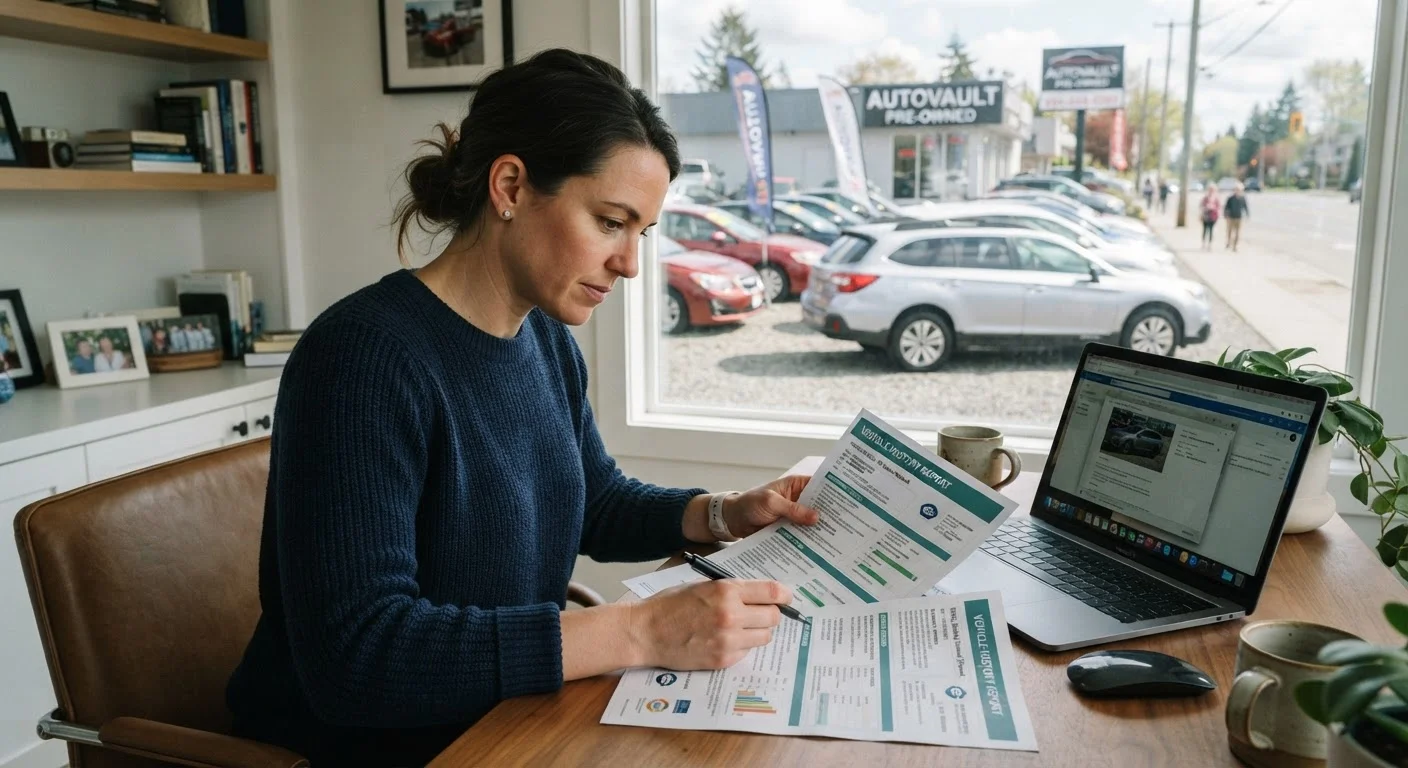
An independent pre-purchase inspection closes that information gap. By paying a qualified mechanic to examine the car before you sign anything, you get an objective picture of what you're actually buying. It's one of the most practical steps in the used-car buying process, and it pairs well with a vehicle history report to give you both documented history and current physical condition.
$100-$200
Typical cost of a professional PPI
Industry estimates from independent repair shops across the US; specialty vehicles may cost more.
~1 in 3
Used cars with undisclosed prior damage
Various consumer advocacy analyses suggest a significant share of used vehicles have undisclosed accident or damage history.
$500-$3,000+
Average cost of common hidden repairs
Transmission, suspension, and major engine repairs uncovered post-purchase frequently fall in this range, per industry repair cost data.
What Mechanics Examine During a PPI
A thorough pre-purchase inspection works systematically through the vehicle's major systems. While the exact scope can vary by shop and vehicle type, a quality inspection should cover all of the following areas:
Engine and Drivetrain
The mechanic checks for oil leaks, coolant condition, belt and hose wear, and any signs of overheating or prior engine damage. They'll also assess the transmission - automatic or manual - for smooth operation and signs of slipping or fluid contamination.
Brakes and Suspension
Brake pad and rotor thickness are measured; worn components are noted. Suspension components - shocks, struts, control arm bushings, and ball joints - are checked for wear and play, which affects both handling and safety.
Undercarriage and Frame
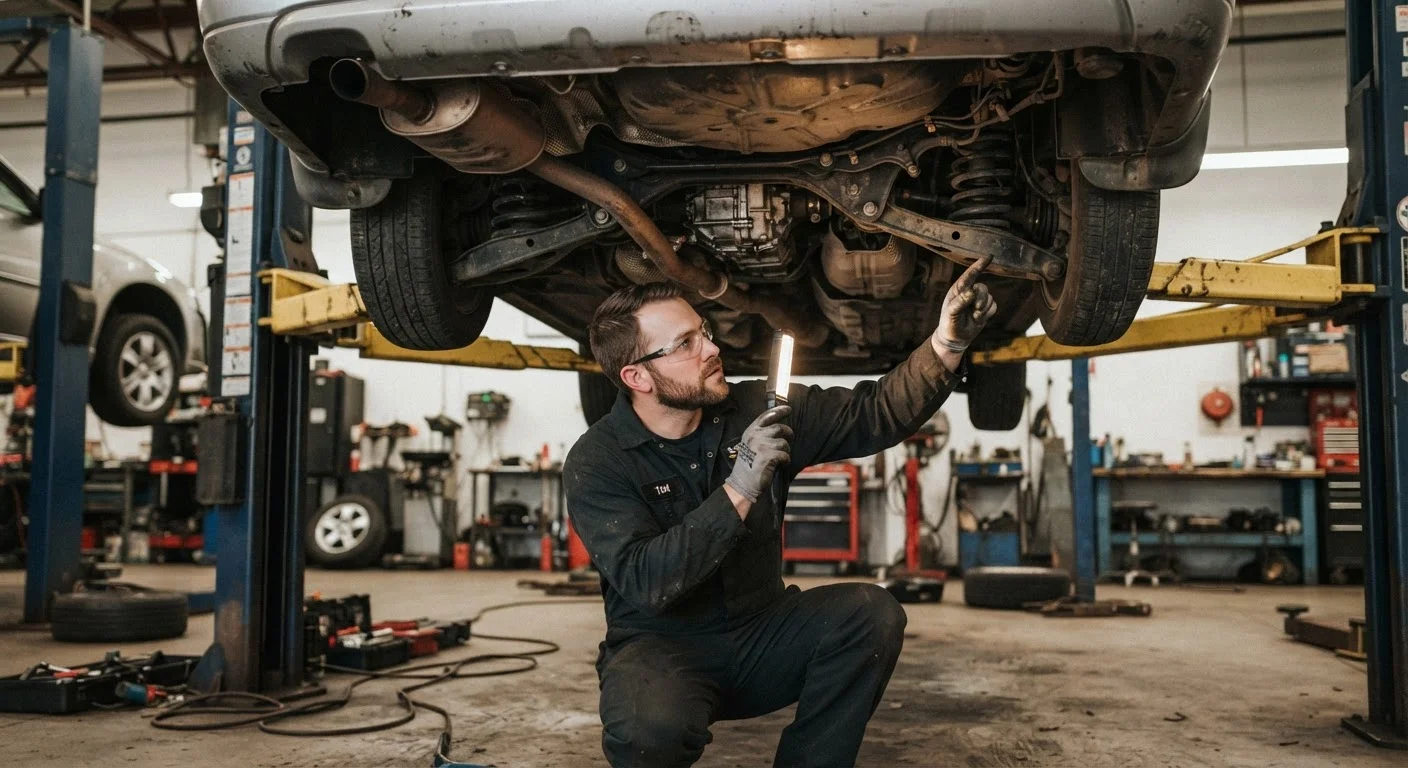
With the car raised on a lift, the mechanic inspects for rust, corrosion, and any evidence of prior collision damage or frame repair. This is one area a casual buyer simply cannot assess without professional equipment.
Tires and Wheels
Tread depth, uneven wear patterns (which can signal alignment or suspension problems), and wheel condition are all evaluated.
Electrical Systems
A scan tool reads any stored diagnostic trouble codes from the vehicle's onboard computer. The mechanic also checks lights, accessories, heating and air conditioning, and other electrical components for proper function.
Body and Interior
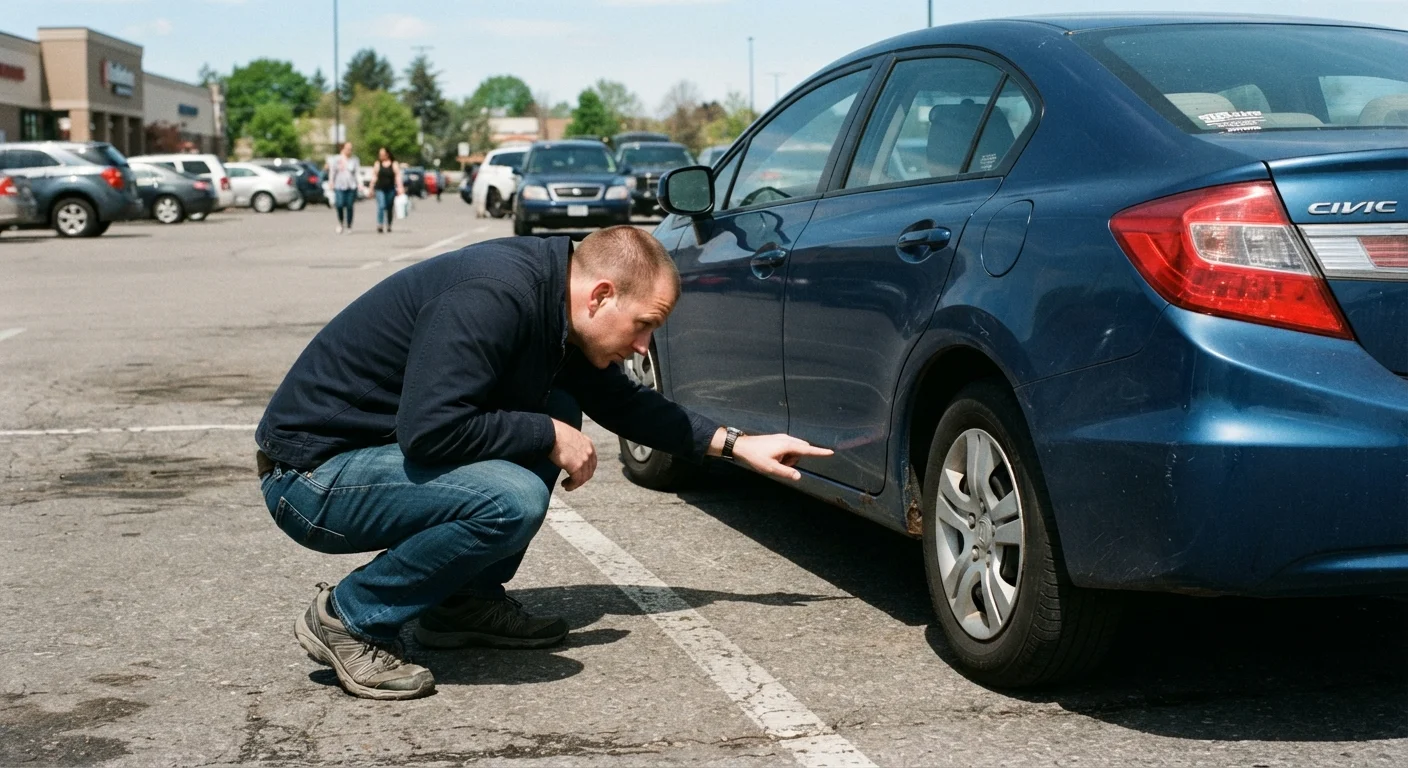
Paint overspray, panel gaps, and mismatched finishes can indicate prior bodywork. Inside the cabin, the mechanic checks for water intrusion, unusual odors, and the condition of seat belts and safety-related hardware.
Ask for a Written Report
Always request a written inspection report, not just a verbal summary. A written document lists each system checked and its condition, giving you a clear record to reference during price negotiations or if issues arise after purchase. Some shops also provide photographs of problem areas, which is especially useful for remote buyers.
How to Arrange a PPI - and What to Do With the Results
The mechanic you choose should be independent from the seller. If you're buying from a private seller, ask them to allow the car to be driven or transported to a shop of your choosing. Most reasonable sellers will agree; reluctance to allow an inspection is itself a yellow flag.
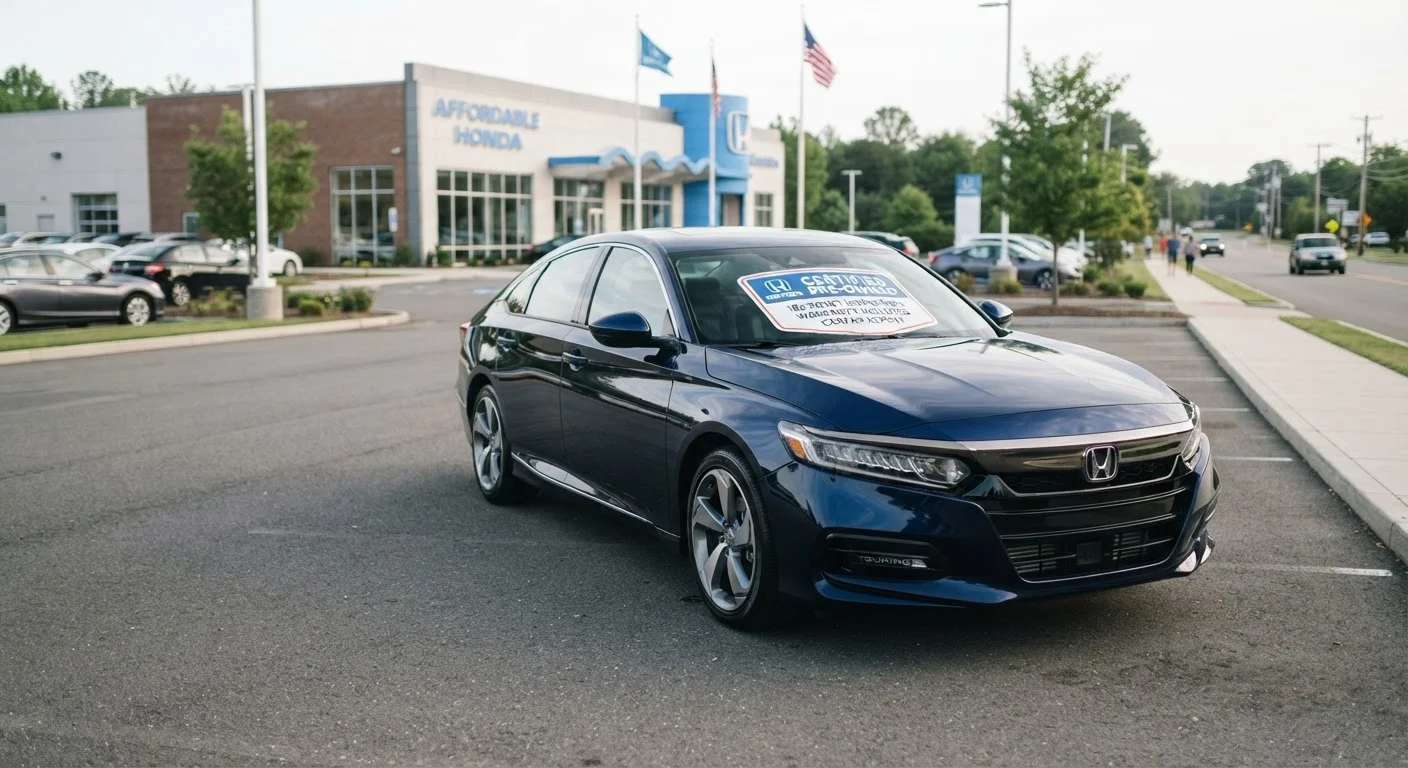
If the car is at a dealership, many dealers will permit a PPI at a nearby independent shop. It's worth confirming this arrangement before you invest significant time in a vehicle.
Once you have the inspection report, treat it as a decision-making tool rather than a simple pass/fail verdict. Minor wear items are expected on a used car. What you're looking for is evidence of deferred maintenance, hidden damage, or major mechanical issues that weren't disclosed. Those findings can justify renegotiating the price, asking the seller to make repairs, or simply moving on to a different vehicle.
For a complete approach to used-car due diligence, see our used-car buyer's checklist, which covers physical walkaround steps, documentation review, and test-drive essentials alongside the PPI process.
PPI vs. State Safety Inspection: Not the Same Thing
A state-mandated safety inspection checks whether a vehicle meets minimum legal standards for road use. A pre-purchase inspection is far more comprehensive and is focused on helping you understand the full condition of the vehicle as a purchase decision. Passing a state inspection does not mean a car is free of significant mechanical issues.
This article provides general information about pre-purchase vehicle inspections and is not a substitute for advice from a qualified mechanic familiar with your specific vehicle.