
The Depreciation Curve: Why the First Years Hit Hardest
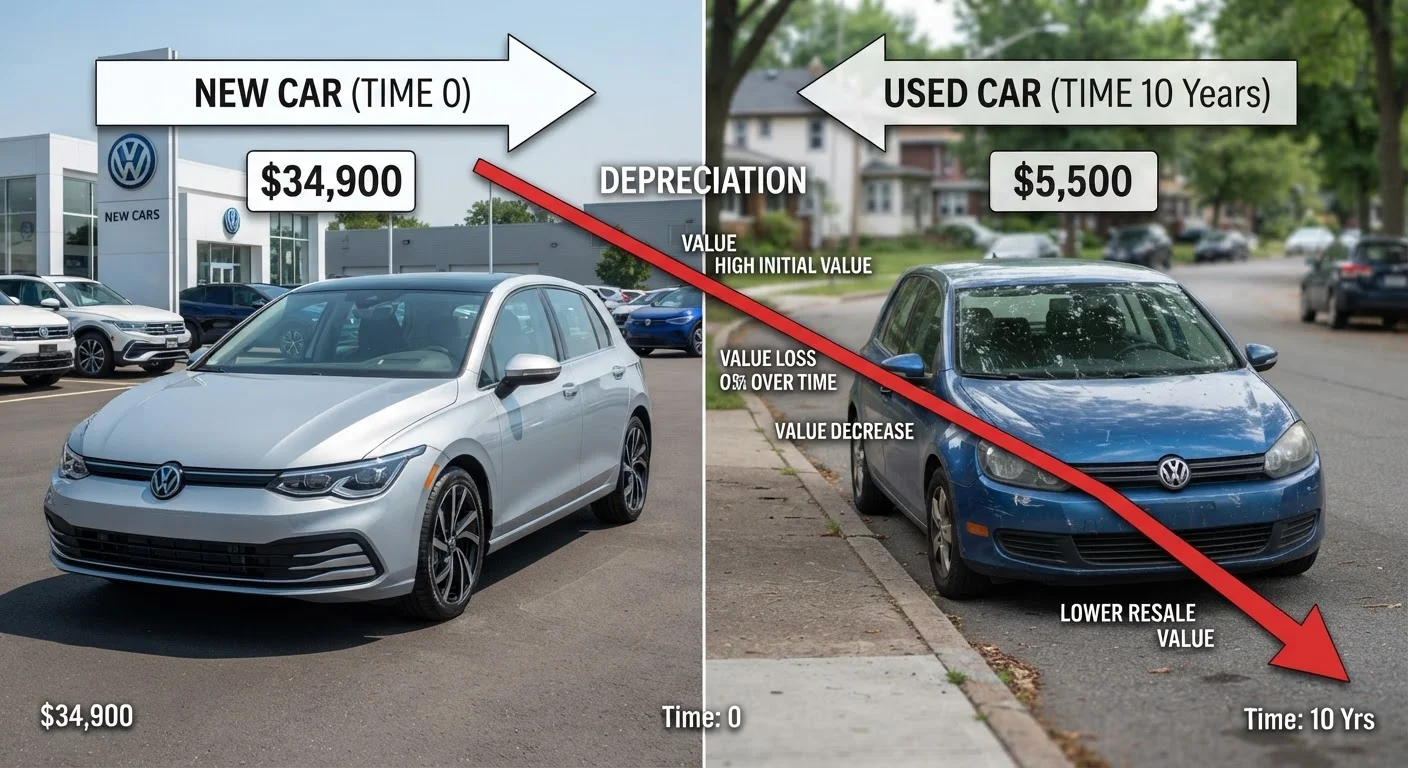
Depreciation does not move in a straight line. The value drop is sharpest early on and gradually flattens as a vehicle ages. When a buyer drives a new vehicle off the lot, it transitions from "new" to "used" instantly - a shift the market prices aggressively. Demand for that specific model year immediately competes with the full supply of identical new vehicles still available at dealerships.
By the end of the first year, a new vehicle may be worth noticeably less than its original purchase price. Over the first three to five years, cumulative losses can be substantial. After that, the curve flattens: a seven-year-old vehicle typically loses value more slowly because the absolute dollar amount remaining is lower and the market for older cars operates differently.
Understanding this curve matters whether you are buying or selling. Buyers who can target vehicles that have already absorbed the steepest part of this curve get more usable car per dollar. Sellers need to recognize that holding a vehicle slightly longer past the initial cliff may not cost them much additional value, while selling too early means absorbing the maximum loss themselves.
~20%
Average first-year new vehicle value loss
Industry analyses consistently estimate new vehicles lose roughly 15%-25% of their purchase price by the end of the first year, though exact figures vary by model and market.
~50%
Value remaining after five years (typical)
Many vehicles retain approximately half their original value after five years of average use, though models with strong reliability reputations often retain more.
3-5 yrs
Sweet spot for used-car value
Vehicles in this age range have absorbed the steepest depreciation while typically retaining a meaningful portion of their useful mechanical life.
What Drives Depreciation - and What Slows It
Several factors shape how quickly a specific vehicle loses value:
- Mileage: Higher miles signal more wear and reduce remaining useful life in buyers' minds.
- Condition: Paint quality, interior wear, and mechanical history all influence perceived value. A clean vehicle with documented service records consistently outperforms a neglected one of the same age.
- Market demand: A model buyers actively want holds value better. Fuel-efficient vehicles may gain relative appeal when fuel prices rise; large vehicles may soften.
- Reliability reputation: Models associated with long-term dependability depreciate more slowly because buyers trust they are purchasing years of remaining life.
- New model competition: When a manufacturer releases a significantly updated version of a model, older generations can drop in value faster.
Owners can influence some of these factors. Keeping up with scheduled maintenance and retaining service records gives buyers evidence the vehicle was cared for - this matters at resale. Avoiding unusual color combinations or niche modifications also preserves broad market appeal.
Keep Your Service Records - They Pay Off
Documenting every oil change, tire rotation, and scheduled service creates a paper trail that reassures future buyers. Vehicles with organized maintenance histories consistently attract stronger offers because buyers can verify the car was looked after. Store receipts digitally as a backup so nothing gets lost.
Depreciation from the Buyer's Perspective
For buyers, depreciation is a tool, not just a problem. A vehicle that is two or three years old has already shed a meaningful share of its original price, yet often retains most of its practical life. This is the core argument for the used market: someone else absorbed the steepest early losses.
However, buyers should also consider how much more depreciation lies ahead. A vehicle near the bottom of its depreciation curve - say, eight to ten years old - may offer a low entry price but could be approaching a point where repair costs begin to climb. The goal is identifying where remaining value and remaining reliability overlap most favorably for your situation.
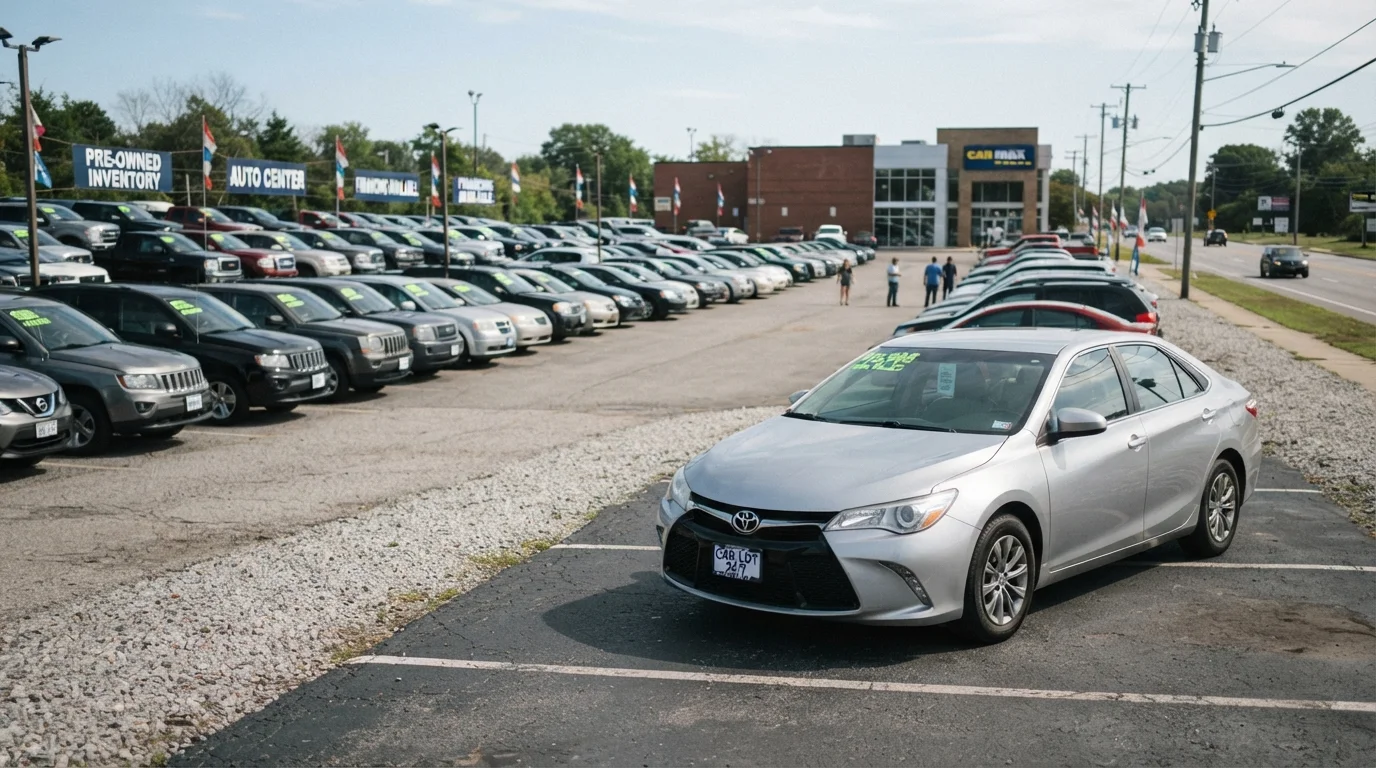
Our end-to-end used-car buying guide walks through how to evaluate vehicles at different stages of depreciation and build a realistic budget around total ownership cost, not just the sticker price.
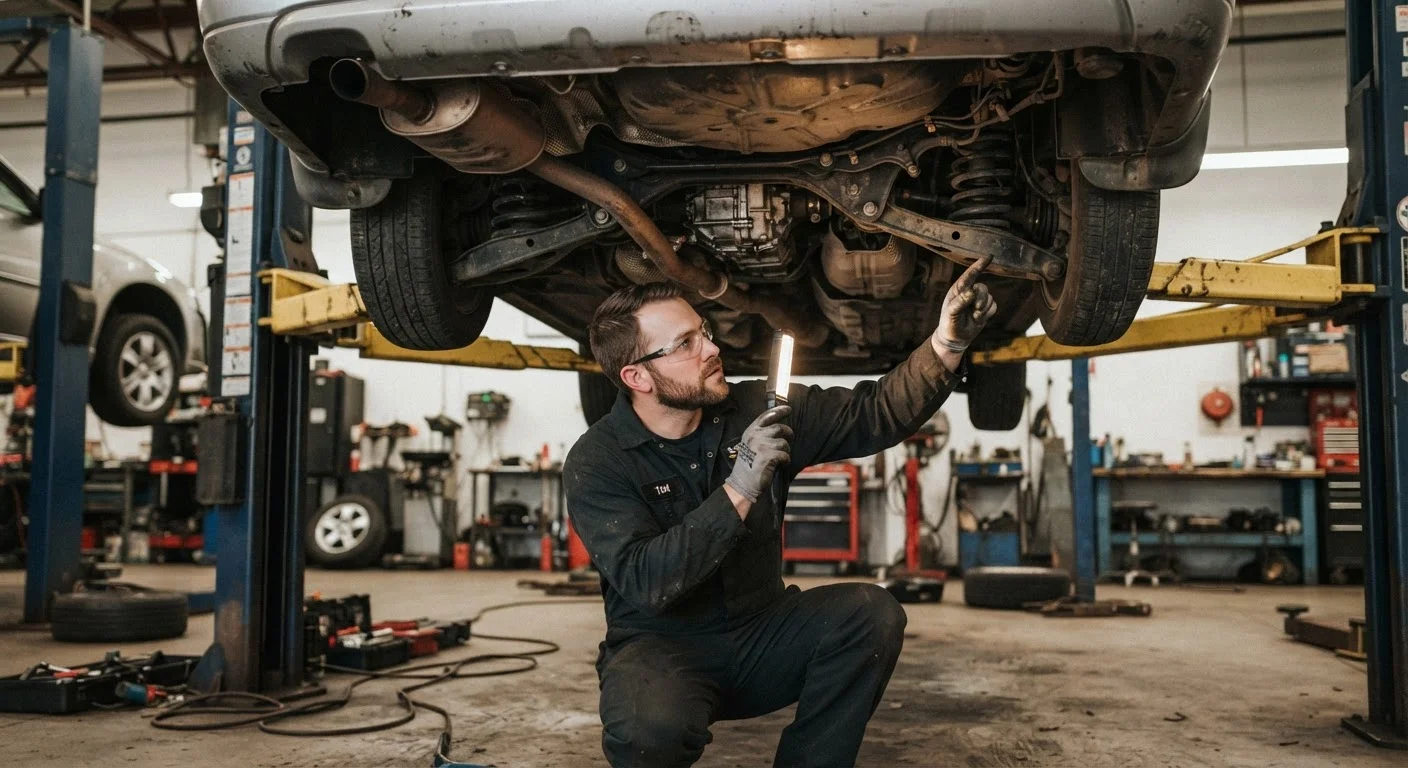
Before committing to any used purchase, an independent inspection can reveal whether a vehicle's condition matches its asking price. See what a pre-purchase inspection actually covers to understand what a qualified mechanic should examine.
Depreciation from the Seller's Perspective
Sellers who misunderstand depreciation tend to price emotionally - anchoring to what they paid rather than what the current market supports. This leads to overpriced listings that sit unsold, followed by price reductions that signal desperation to buyers.
A realistic seller starts by researching what comparable vehicles - same make, model year, trim, mileage, and condition - are actually selling for in their local market. Published valuation guides provide a useful starting range, but local supply and demand ultimately set the real price.
Presentation matters too. A vehicle that arrives for a test drive clean, with a folder of maintenance records, justifies a price at the higher end of the range for its condition category. One that arrives dirty with no service history invites skepticism and lower offers.
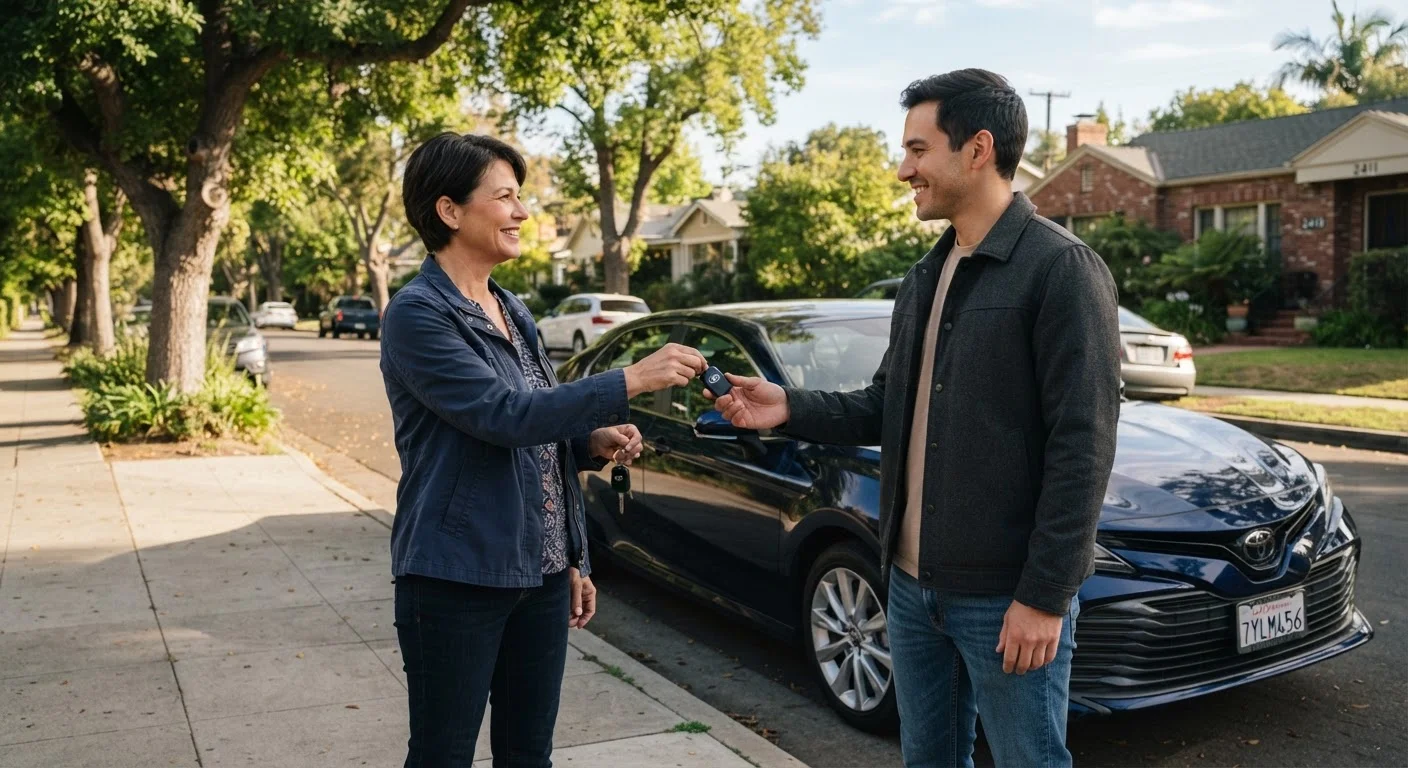
For a detailed walkthrough of the selling process - from setting your asking price to safely handling inquiries - see our guide on selling your car without getting shortchanged.