
The Case for Digital Planning Tools
Apps, cloud-based spreadsheets, and itinerary platforms have transformed how travelers organize trips. Their core advantage is accessibility - your entire plan lives on your phone, tablet, or laptop, and most tools sync automatically across devices. Lose a printed itinerary and you have a problem; lose your phone and your plan is still on your laptop.
Accessible across devices with automatic syncing
Cloud-based itineraries update everywhere simultaneously, so you're never working from an outdated version. Most major platforms also allow offline access when downloaded in advance.
Easy to share with travel companions in real time
Collaborative documents or shared itinerary apps allow every member of a group to view and edit the plan without relying on one person to relay updates manually.
Searchable, scalable, and easy to reorganize
Searching a digital document for a confirmation number or address takes seconds; reorganizing a multi-day plan requires copy-pasting rather than rewriting. This matters most on complex, multi-destination trips.
Integrates with maps, booking platforms, and alerts
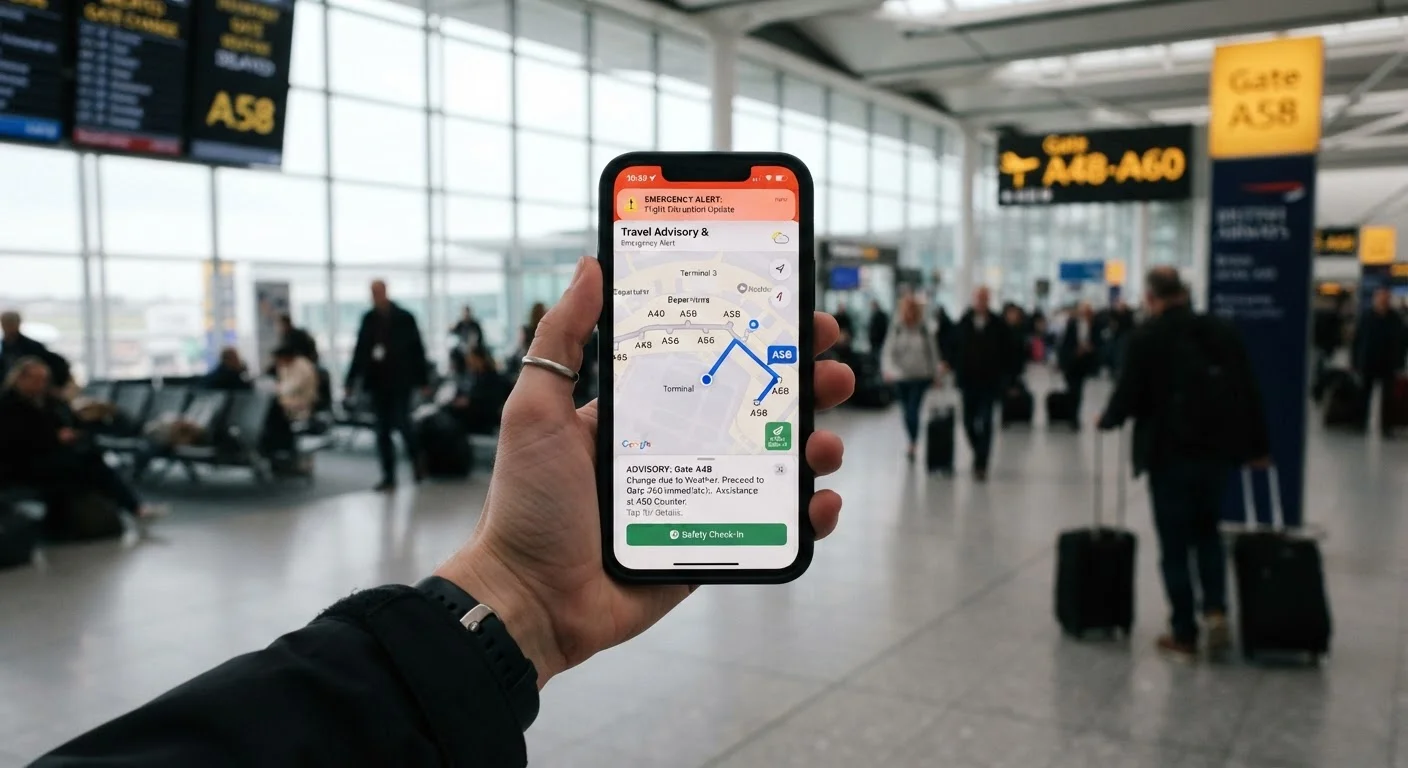
Many apps pull in live flight status, map directions, and booking confirmations automatically, reducing manual data entry and the risk of transcription errors.
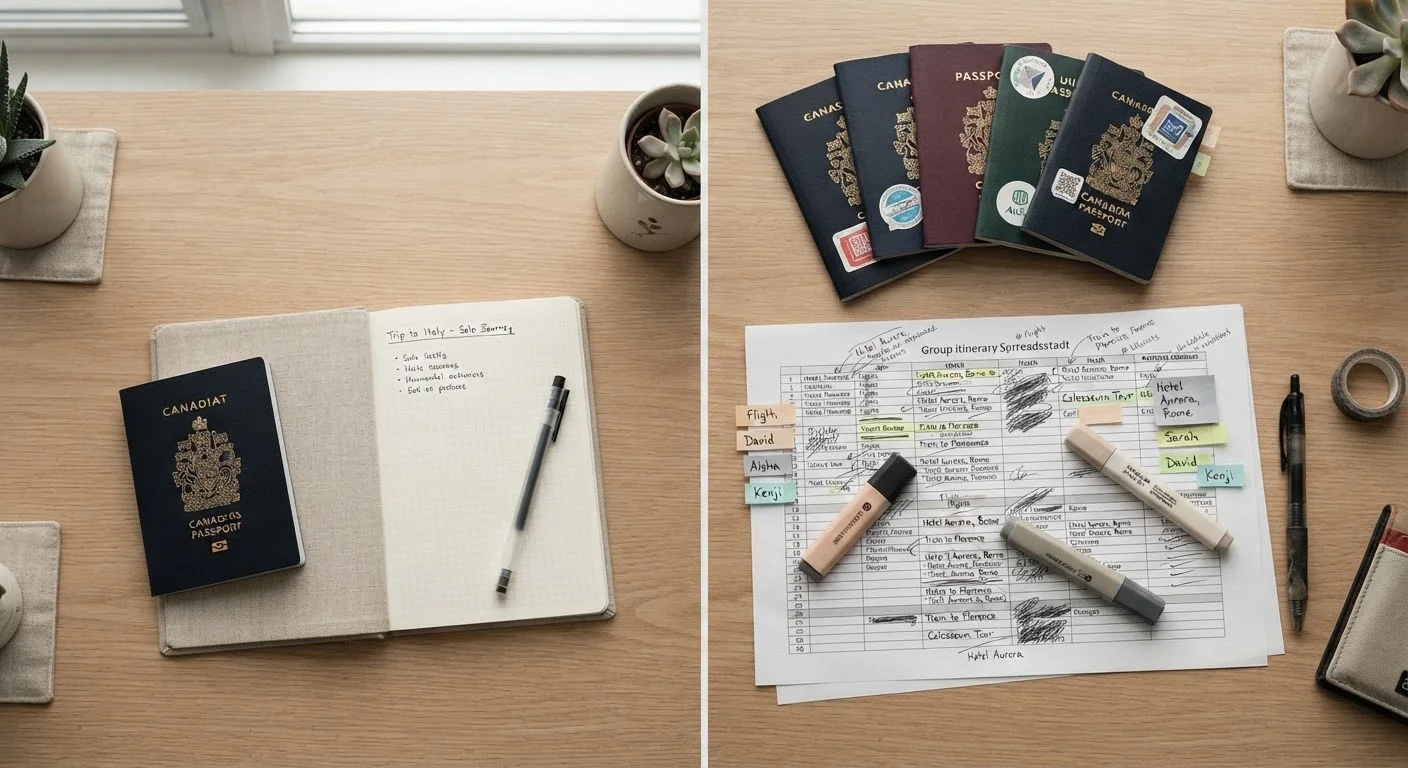
Shared access is particularly valuable for group trips, where everyone needs current information. A shared document or collaborative itinerary app means one person updating a hotel address updates it for the whole party instantly. That eliminates the version-control headaches of emailing updated PDFs or relying on one person to relay changes verbally.
Many travel apps also offer offline functionality - downloadable maps, saved confirmation numbers, and cached itineraries that work without a data connection. For travelers heading to destinations with unreliable connectivity, a travel safety app with offline capability can genuinely add a layer of practical security.
The Case for Paper Planning
Paper has outlasted every wave of digital disruption in travel planning for a reason: it works without power, signal, or a working password. A printed itinerary tucked into your carry-on functions the same whether you're at 35,000 feet, in a rural area with no reception, or dealing with a dead battery after a long transit day.
Dependent on battery life and device availability
A dead phone in transit or a tablet left on the plane makes a digital-only plan suddenly inaccessible. Power banks help, but device failure remains a real risk during travel.
Difficult to update quickly when plans change mid-trip
Handwritten itineraries don't adapt cleanly to last-minute changes - crossing out and rewriting creates confusion, particularly when sharing with others who have a copy of an earlier version.
Can create clutter and hard to search at scale
Multiple printed pages, sticky notes, and handwritten additions can become unwieldy on longer trips, and finding a specific detail quickly - like a hotel address - requires flipping through physically.
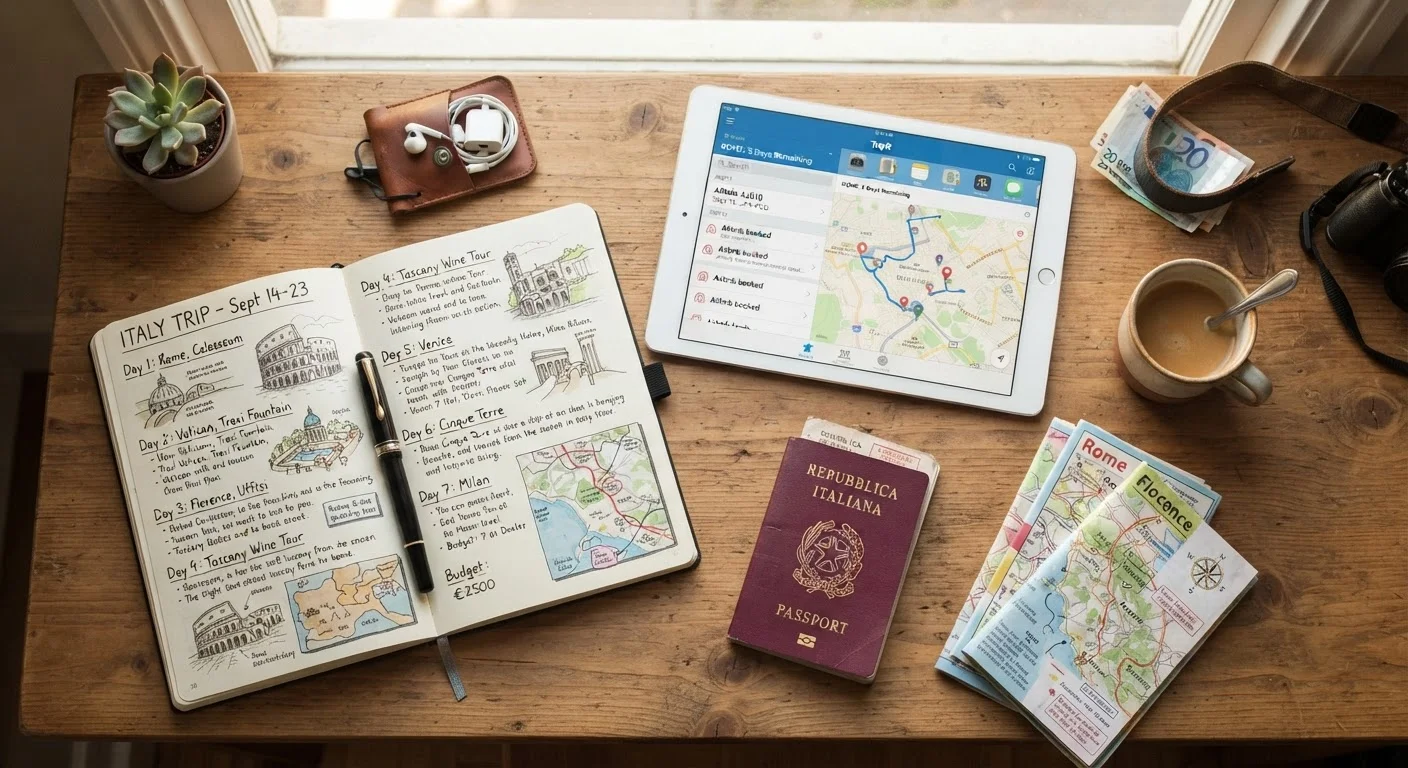
There's also a cognitive argument for analog methods. Writing by hand tends to improve retention - many travelers find that sketching out a rough day-by-day plan in a notebook gives them a clearer mental map of the trip than scrolling through a digital document. A physical journal can also double as a travel diary, blending planning and memory-keeping in a single object.
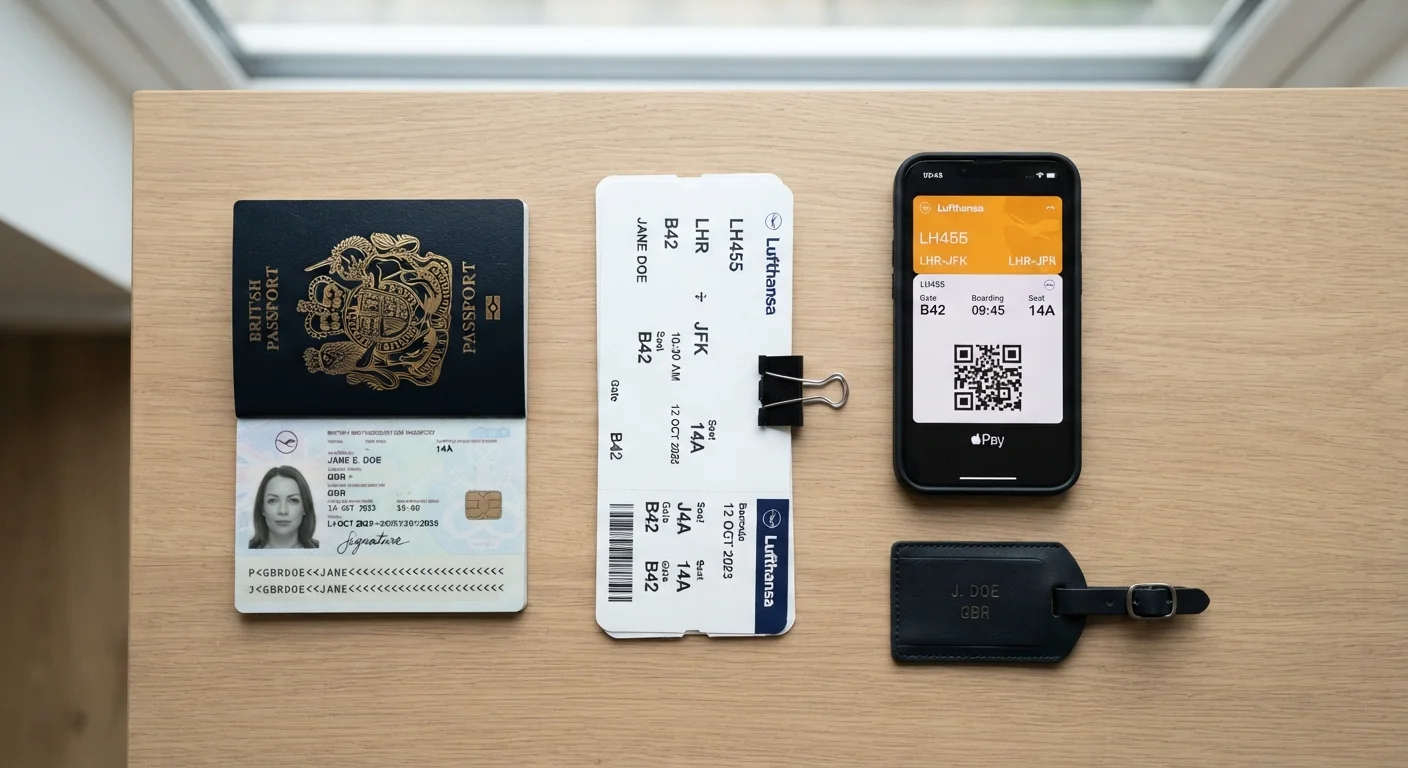
Paper is also free of interface friction. No app updates, no account logins, no "your free trial has expired" interruptions. For travelers who find technology adds stress rather than reducing it, paper planning can simply feel more manageable. The case for keeping paper copies of key documents alongside digital ones extends this logic - redundancy has practical value.
Where Each Format Breaks Down
Digital tools have real vulnerabilities. Battery drain, device theft, software glitches, and poor Wi-Fi can all render your carefully built itinerary inaccessible at the worst moment. Overly complex apps can also create their own planning overhead - time spent learning the tool rather than actually planning.
When Plans Change Mid-Trip
Flight delays, closed attractions, and spontaneous route changes are routine parts of travel. Digital tools handle mid-trip changes far more gracefully than paper - editing a shared document takes seconds and propagates to all travelers instantly. If you rely primarily on paper, build in a protocol for communicating changes to your group (a group chat, for example) so everyone stays current without needing to rewrite their printed copies.
Paper planning, meanwhile, fails when plans change. Handwritten itineraries don't update themselves when a flight shifts by four hours or a restaurant closes. If you're traveling with multiple people or managing many moving parts, a paper-only system can quickly become a cluttered stack of crossed-out notes. It also doesn't scale well: a two-week multi-city trip generates a lot of information that's easier to search digitally than to flip through pages for.
Understanding your trip's complexity before you choose your format matters. A weekend road trip with two stops is manageable entirely on a single printed sheet. A three-week international itinerary with connecting flights, visa requirements, and multiple accommodations probably warrants at least some digital organization. See what every solid itinerary actually needs for a format-agnostic breakdown of the essentials.
Building a Hybrid System That Actually Works
Most experienced travelers don't commit rigidly to one format. A practical hybrid approach: use digital tools for the planning and booking phase, then print or write out a simplified daily itinerary to carry on the trip. Confirmation numbers, addresses, and emergency contacts can be stored both in an app and on a printed card in your wallet.
72%
Travelers who use smartphones to plan trips
According to Google Travel research, a substantial majority of leisure travelers use mobile devices during the trip planning process, though paper supplements remain common.
1 in 3
Travelers who print itineraries as backup
Survey data from travel industry research consistently shows a significant share of travelers maintain paper copies of key documents and plans even when using digital tools primarily.
If you're planning a trip from scratch, start by mapping out your format choice early - it shapes how you gather and organize information throughout the process. Digital works well for research, price tracking, and booking; paper works well for day-of logistics you need to glance at quickly without unlocking a phone.
The comparison between formats isn't unlike choosing a budgeting method: the right system is one you'll maintain consistently, not the most sophisticated one available. Build in contingency plans regardless of format - a backup copy of critical information, in whichever medium you use least, is worth the five minutes it takes to prepare.