

Why Good Intentions Sometimes Work Against Our Pets
Most pet health problems don't come from neglect - they come from habits that feel responsible in the moment but carry hidden consequences. Owners who feed generously, skip a vet visit when finances are tight, or grab the nearest tube of toothpaste are acting out of care. The problem is that pets have physiological and nutritional needs that don't map neatly onto human intuition.
Understanding where well-meaning habits go wrong is one of the most practical steps an owner can take. The mistakes below are among the most common flagged by veterinary professionals - and each is preventable once you understand the reasoning behind a better approach.
Using human toothpaste to brush a pet's teeth.
Why it happens: Owners know dental hygiene matters and reach for what's already in the bathroom cabinet, assuming toothpaste is universally safe.
Overfeeding out of affection or in response to begging.
Why it happens: A pet that appears eager to eat is easy to interpret as hungry, and denying food can feel unkind. Calorie counts on pet food packaging are also frequently misread or ignored.
Stopping parasite prevention treatments during cooler months.
Why it happens: Many owners associate fleas, ticks, and heartworm with warm weather and reasonably conclude that winter brings a natural break in exposure risk.
Skipping annual wellness exams when a pet appears healthy.
Why it happens: Routine vet visits carry a cost, and when a pet seems fine, the expense can feel unnecessary. Pets also age faster than humans, making annual intervals feel routine when they actually represent significant life-stage changes.
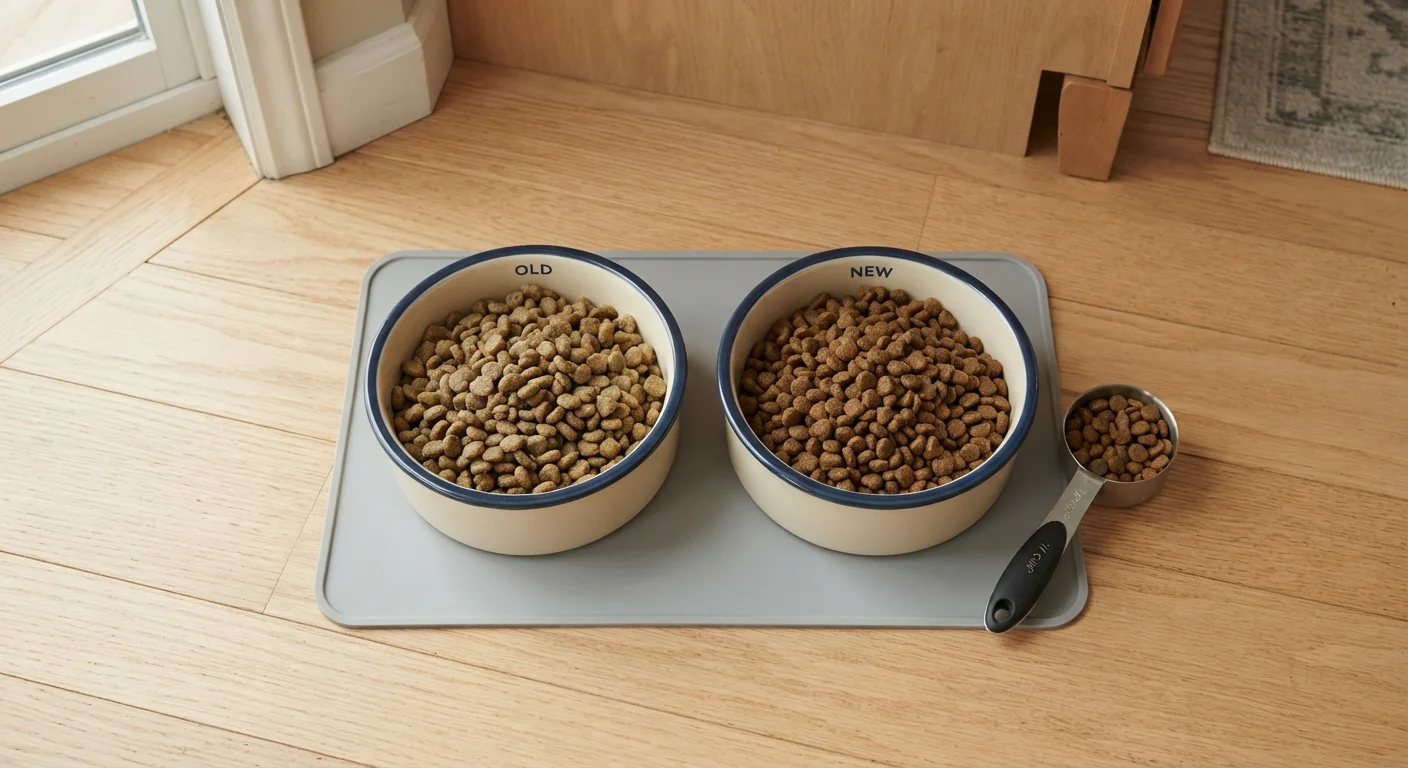
Switching pet food abruptly without a gradual transition.
Why it happens: When owners decide to improve their pet's diet, they often start the new food immediately, not realizing the digestive system needs time to adjust to changes in protein sources, fat content, and fiber.
Interpreting a pet's behavioral changes as personality rather than potential health signals.
Why it happens: Gradual changes - sleeping more, drinking extra water, reduced playfulness - happen slowly enough that owners normalize them as aging or mood rather than recognizing them as possible symptoms.
Nutrition and Feeding: Where Errors Compound Over Time
Feeding is where many of the most consequential owner mistakes occur, largely because the effects are gradual. Extra treats, generous portions, and ad libitum (free-choice) feeding don't produce visible harm overnight - they accumulate quietly into obesity, metabolic strain, and reduced quality of life.
Free-Feeding Masks More Than Weight Gain
When food is always available, it becomes nearly impossible to notice whether your pet's appetite has increased or decreased - a change that can be an early sign of diabetes, kidney disease, or pain. Structured feeding times give you a reliable baseline for monitoring your pet's health day to day.
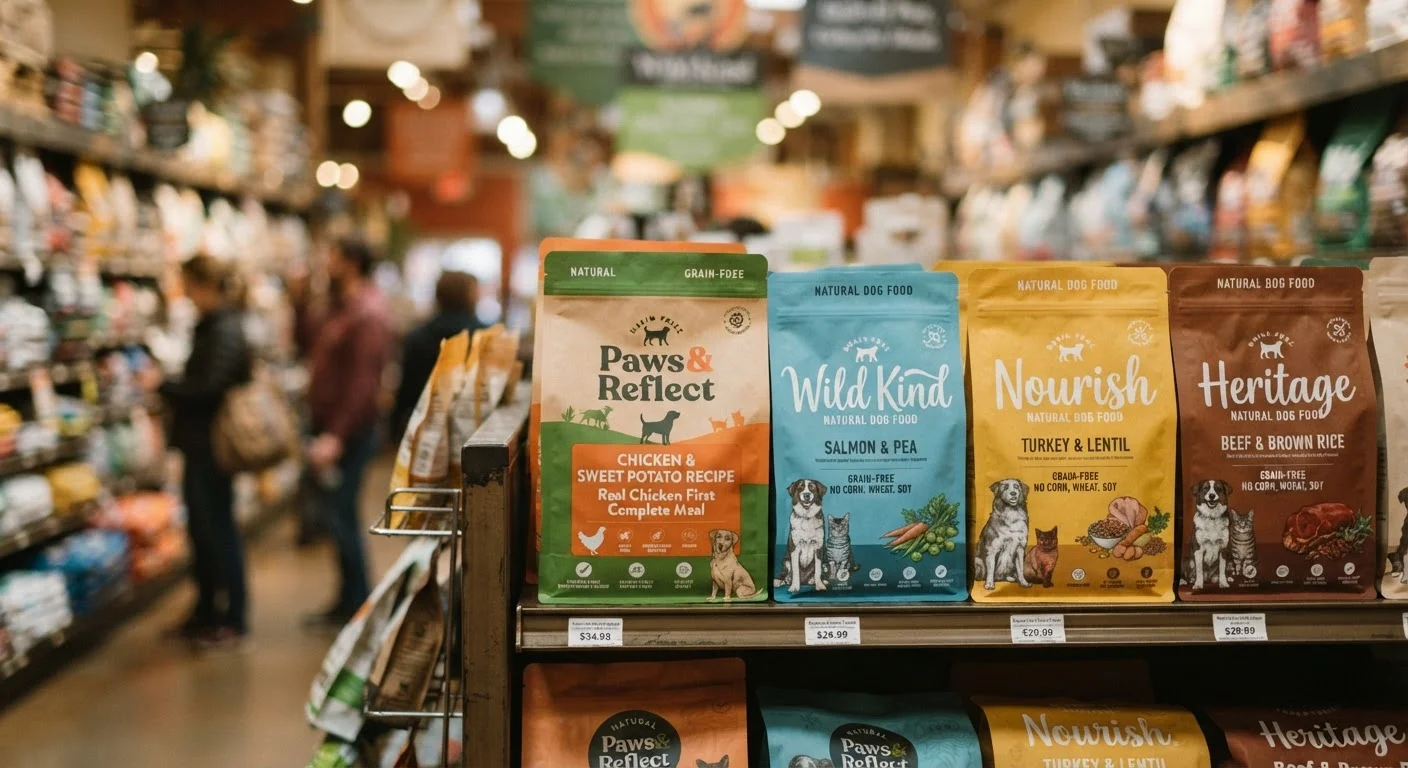
Pet food packaging can also mislead even careful owners. Marketing language around ingredients does not always reflect nutritional quality or suitability. Our article on pet food marketing myths breaks down how to read labels critically. For practical portion guidance, see our resource on portion sizes and feeding frequency.
Dental and Preventive Care: The Gaps Most Owners Don't Notice
Never Use Human Toothpaste on Pets
Many human toothpastes contain fluoride and xylitol - both of which are toxic to dogs and cats, even in small amounts. Xylitol in particular can cause a rapid drop in blood sugar and liver damage in dogs. Always use a toothpaste specifically formulated for pets, and consult your veterinarian about proper dental care technique.
Dental care is among the most underestimated components of pet health. Periodontal disease is one of the most common conditions diagnosed in companion animals, yet it progresses silently until pain and tooth loss are already underway. Regular brushing with pet-safe products, combined with professional cleanings recommended by your veterinarian, forms the foundation of effective prevention.
Parasite prevention follows a similar pattern: it matters most when you can't see a problem. Heartworm disease, for instance, produces few symptoms in early stages and is costly to treat once established - but reliably preventable with consistent medication. For a full breakdown, see our year-round parasite prevention framework.
~60%
US pets estimated to be overweight or obese
The Association for Pet Obesity Prevention has consistently reported that the majority of US dogs and cats are above their ideal body weight in its annual surveys.
80%
Dogs showing signs of periodontal disease by age 3
Veterinary dental research indicates the majority of dogs exhibit evidence of periodontal disease by their third year - a largely preventable condition.
Year-round
Recommended heartworm prevention duration
The American Heartworm Society recommends continuous, year-round prevention rather than seasonal administration for dogs and cats.
If you're establishing care routines with a new pet, our guide on health foundations from day one provides a practical starting checklist.
This article provides general educational information about common pet care habits and is not a substitute for professional veterinary advice. Always consult a licensed veterinarian for guidance specific to your pet's health, age, and medical history.