
Why Pet Obesity Is a Medical Issue, Not Just an Aesthetic One
Veterinary surveys consistently estimate that more than half of dogs and cats in the United States are overweight or obese. Despite those numbers, many owners don't recognize excess weight as a health risk - partly because gradual gain is easy to miss, and partly because a rounder pet can look healthy or even endearing.
The research tells a different story. Excess body fat is associated with a measurably increased risk of type 2 diabetes in cats, osteoarthritis progression in dogs, hypertension, certain cancers, urinary disease, and impaired immune function. Studies in dogs have also linked obesity to a reduction in median lifespan of up to two years compared with lean counterparts. Fat tissue is not metabolically inert - it produces inflammatory cytokines that contribute to systemic inflammation across organ systems.
Understanding obesity as a disease state, rather than simply a cosmetic concern, changes how owners and veterinarians approach it. It becomes a clinical problem requiring a clinical plan - not just a matter of feeding a little less.
59%
U.S. dogs estimated overweight or obese
According to Association for Pet Obesity Prevention clinical surveys, a majority of adult dogs in the U.S. are above their ideal body weight.
~2 years
Potential lifespan reduction linked to obesity in dogs
Research published in veterinary journals suggests that chronically overweight dogs may live up to two years less than lean counterparts of the same breed.
61%
U.S. cats estimated overweight or obese
Association for Pet Obesity Prevention data indicates that more than half of domestic cats are above their healthy weight range.
Assessing Your Pet's Weight: Body Condition Scoring Explained
Scale weight alone is a poor proxy for a pet's healthy weight because ideal weight varies significantly by breed, frame size, and sex. The tool veterinarians rely on is the Body Condition Score (BCS) - a standardized 9-point scale (with 4-5 being ideal) that evaluates visible and palpable fat over the ribs, spine, and waist. A pet scoring 6 or higher is considered overweight; 7 or above, obese.
Owners can learn to perform a rough BCS assessment at home. When you run your hands along your pet's ribcage, you should feel individual ribs easily without pressing hard, but they should not be visibly prominent. When viewed from above, there should be a discernible waist behind the ribs. From the side, the abdomen should tuck upward, not hang.
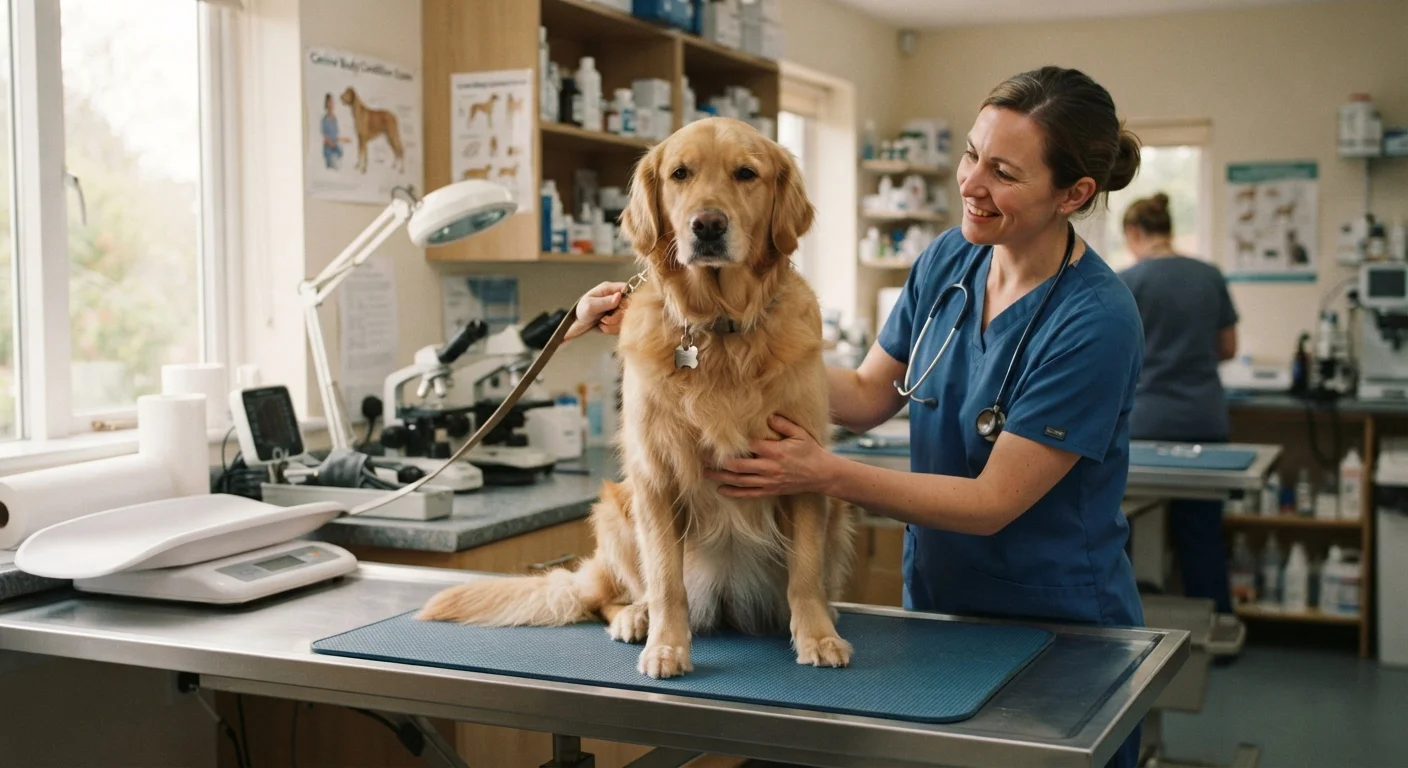
A veterinarian's BCS assessment provides a baseline and a specific target. Weight loss goals are typically expressed as a percentage of current body weight rather than an absolute number - most veterinary guidelines recommend targeting a loss of 0.5-2% of body weight per week, adjusted carefully based on progress and health status.
Learning Body Condition Scoring at Home
Many veterinary schools and organizations publish free illustrated BCS charts online - your veterinarian can point you to a reliable resource. Performing a quick check monthly, between vet visits, helps you catch gradual weight gain before it becomes significant. The rib-feel and waist-tuck tests take less than a minute and get easier with practice.
Evidence-Based Best Practices for Managing a Pet's Weight
Sustainable weight management in pets requires a structured approach. The following practices are grounded in veterinary research and clinical guidelines.
Get a veterinary baseline assessment before starting any weight loss plan.
Conditions like hypothyroidism or Cushing's disease can cause weight gain and must be ruled out before caloric restriction begins. Without a diagnosis, dietary changes may be ineffective or even harmful.
Transition to measured meals and eliminate free-feeding.
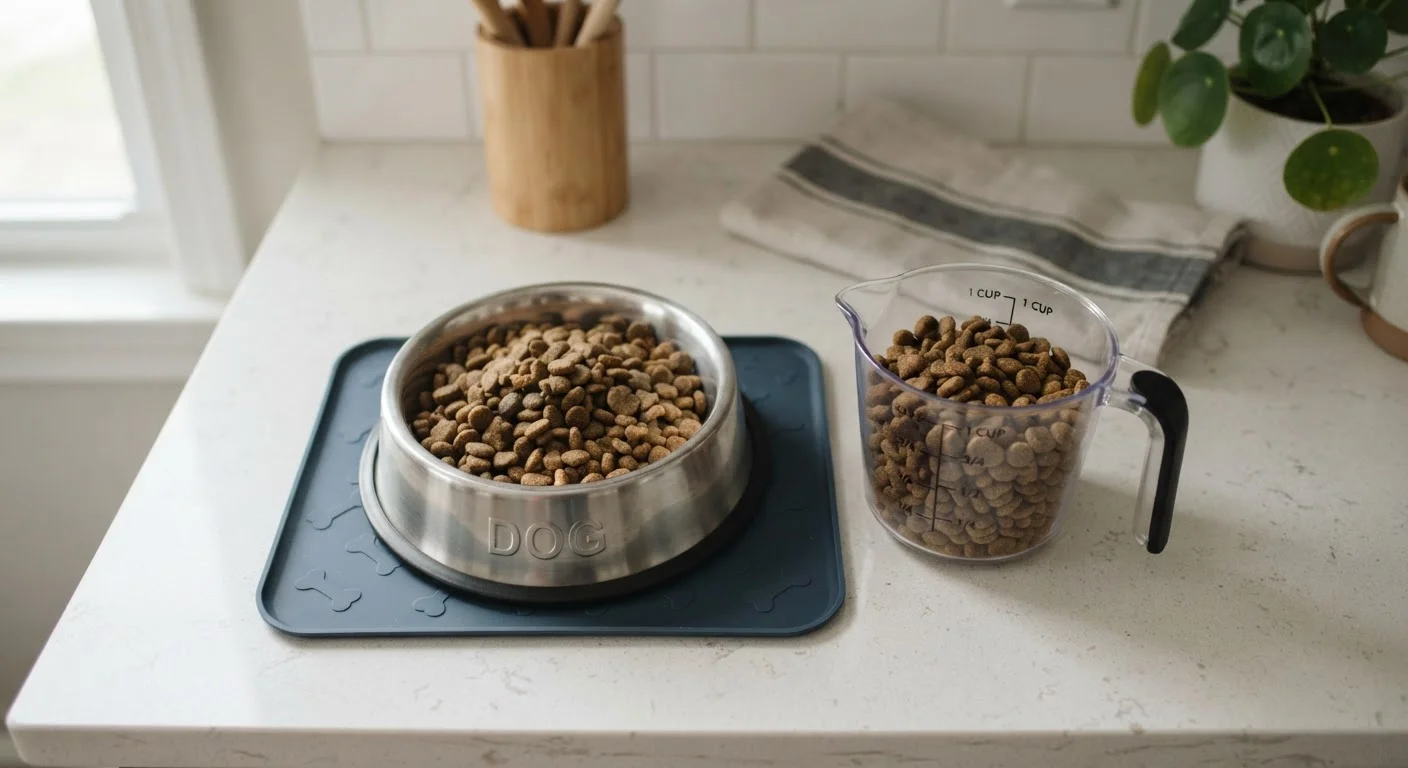
Free-choice feeding makes it nearly impossible to control caloric intake. Measured meals using a proper kitchen scale (not just a cup) provide accurate baseline data and make adjustments precise.
Account for all caloric sources, including treats and food toppers.
Treats, dental chews, table scraps, and food toppers can account for 20-30% of a pet's daily caloric intake. Owners frequently underestimate these additions when evaluating why a pet isn't losing weight.
Increase structured physical activity appropriate to the pet's current health status.
Exercise supports lean muscle retention during weight loss and provides metabolic benefits beyond caloric burn. However, overweight pets with joint disease require low-impact options - not arbitrary increases in duration or intensity.
Use a veterinary therapeutic weight-loss diet when indicated, rather than simply reducing standard food.
Reducing standard food portions to cut calories can lead to micronutrient deficiencies. Veterinary weight management diets are formulated to maintain nutritional completeness at lower caloric densities, often with higher protein to preserve muscle mass.
Schedule regular weigh-ins and adjust the plan based on actual progress.
Individual metabolic responses vary. Without consistent monitoring, ineffective plans continue unchallenged. Most veterinary guidelines suggest rechecking weight every 2-4 weeks during active loss.
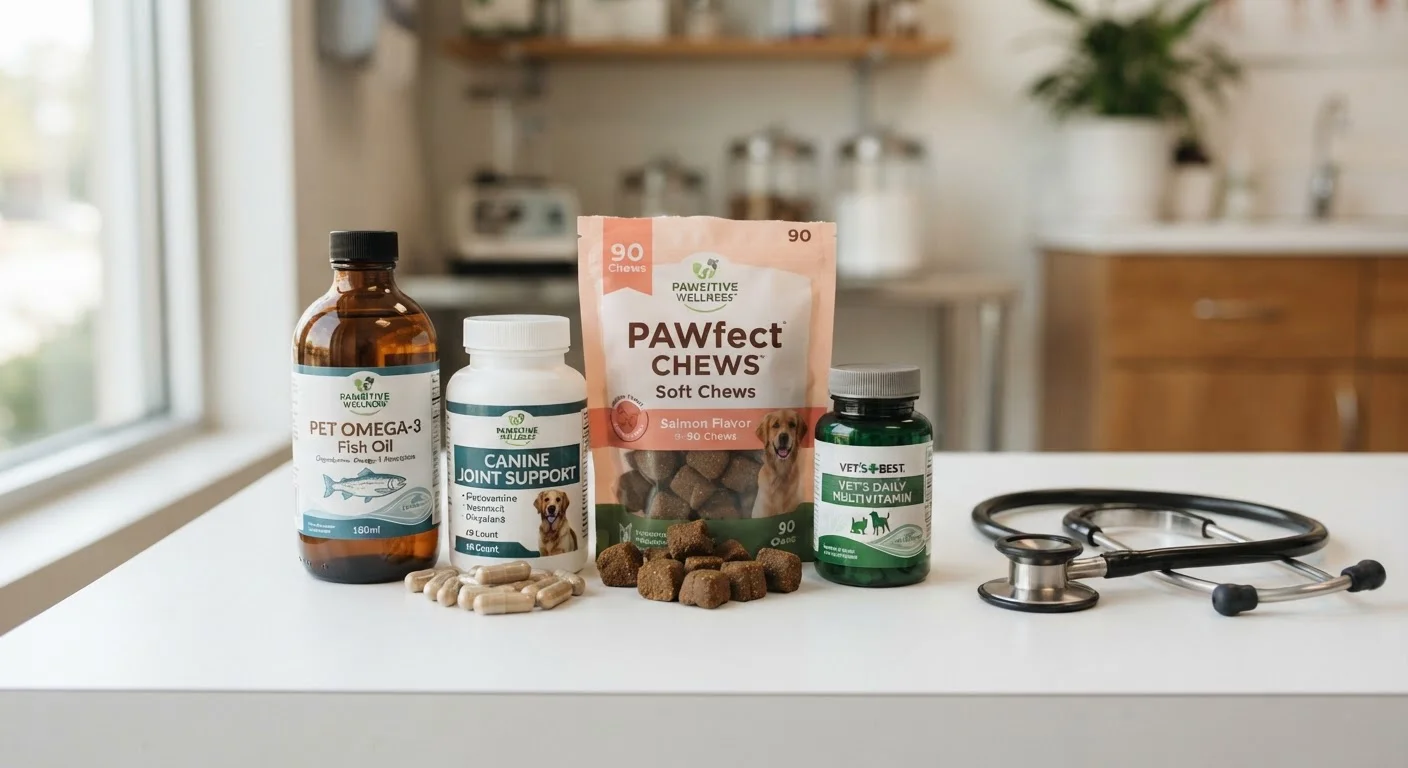
For additional context on how supplements like omega-3 fatty acids may support joint health during weight loss, see our article on what evidence exists for pet supplements. Common feeding habits that contribute to undetected weight gain are also covered in detail in our guide on well-intentioned habits that can quietly harm your pet's health.
Quick Actions You Can Take This Week
Structural changes to a pet's diet require veterinary guidance, but some steps can be taken right away to support the process.
For a deeper look at portion science and feeding schedules, our guide to portion sizes and feeding frequency covers the fundamentals that many owners overlook. If your pet is approaching their senior years, note that weight management needs shift - senior pets have changing nutritional and health needs that should factor into any long-term plan.
This article is for general informational and educational purposes only and does not constitute veterinary medical advice. Always consult a licensed veterinarian before making changes to your pet's diet, exercise regimen, or health care plan.