
Why Pet Supplements Deserve Scrutiny
Walk down the pet aisle of any store and you'll find hundreds of supplements promising everything from shinier coats to calmer behavior. In the U.S., pet supplements are loosely regulated - they don't require pre-market approval from the FDA, and manufacturers aren't required to prove efficacy before selling. That doesn't make all supplements useless, but it does mean owners carry the burden of separating evidence-backed options from marketing claims.
Understanding what research actually shows - and where the honest gaps are - is the best starting point. For a broader look at how nutrition fits into your pet's overall health, see our guide on nutrients every dog diet should include.
Myth
If a supplement is 'natural,' it's safe to give my pet without worrying about dosage or interactions.
Fact
Natural origin does not equal safety. Many natural substances can cause toxicity or interact with medications at the wrong dose.
Xylitol, grapes, and certain essential oils are all natural - and all potentially toxic to pets. The same principle applies to supplements. Fat-soluble vitamins like A and D can accumulate to harmful levels. Herbal supplements such as valerian, kava, or certain mushroom extracts may interact with sedatives, anticoagulants, or liver-metabolized medications. Always disclose every supplement you're giving your pet to your veterinarian, and never adjust dosages without guidance.
Myth
Supplements sold at pet stores have been tested and approved for safety by a government agency.
Fact
In the U.S., pet supplements are not subject to the same pre-market approval process as drugs. They fall under a regulatory grey zone.
The FDA's Center for Veterinary Medicine has oversight authority, but pet supplements are generally marketed as foods rather than drugs, which significantly limits the pre-sale requirements. The National Animal Supplement Council (NASC) operates a voluntary quality-seal program that includes auditing and adverse-event reporting, and products bearing that seal represent a higher baseline of manufacturing accountability - but participation is still voluntary. Third-party testing by organizations like NSF International is another marker of quality to look for, though not universal.
Myth
If my dog takes a complete and balanced commercial diet, supplements can only add benefit - they can't cause harm.
Fact
Adding supplements to an already-complete diet can create nutrient imbalances, particularly with minerals and fat-soluble vitamins.
AAFCO-compliant pet foods are formulated to meet established nutrient profiles. Supplementing calcium in a dog already eating a balanced diet, for example, can disrupt the calcium-to-phosphorus ratio critical for bone health. Similarly, excessive vitamin D supplementation has been linked to toxicity cases in dogs. The risk is highest with nutrients that have a narrow margin between adequate and excessive intake. For guidance on reading pet food labels and assessing nutritional completeness before adding anything, our practical pet food checklist is a useful resource.
Myth
Glucosamine supplements have strong, definitive clinical proof of effectiveness in dogs and cats.
Fact
Glucosamine shows some promise in veterinary studies, but evidence is inconsistent and effect sizes tend to be modest.
Several studies in dogs have found that glucosamine and chondroitin supplementation may support joint comfort and mobility, particularly in osteoarthritis. However, a meaningful portion of these studies have small sample sizes, short durations, or rely on owner-reported outcomes, which introduces bias. The American College of Veterinary Surgeons notes that while some dogs may benefit, results are variable. This doesn't mean the supplements aren't worth considering - it means expectations should be calibrated, and they should be used as part of a broader management approach discussed with a vet rather than as a standalone cure.
Myth
Calming supplements are a reliable treatment for anxiety in pets.
Fact
Most calming supplements have limited, low-quality evidence. Behavioral anxiety in pets often requires a more comprehensive approach.
Products containing ingredients like L-theanine, melatonin, or certain herbal blends are widely sold for pet anxiety. Some limited studies suggest mild effects in specific, situational contexts - melatonin for noise phobias, for instance - but robust controlled trials are scarce. Anxiety in pets is a behavioral health issue that frequently requires professional input from a veterinary behaviorist, environmental management, and sometimes FDA-approved prescription medication. Treating it solely with supplements may delay effective intervention. For more on understanding pet behavior, see our pet training and behavior hub.
What the Evidence Does and Doesn't Support
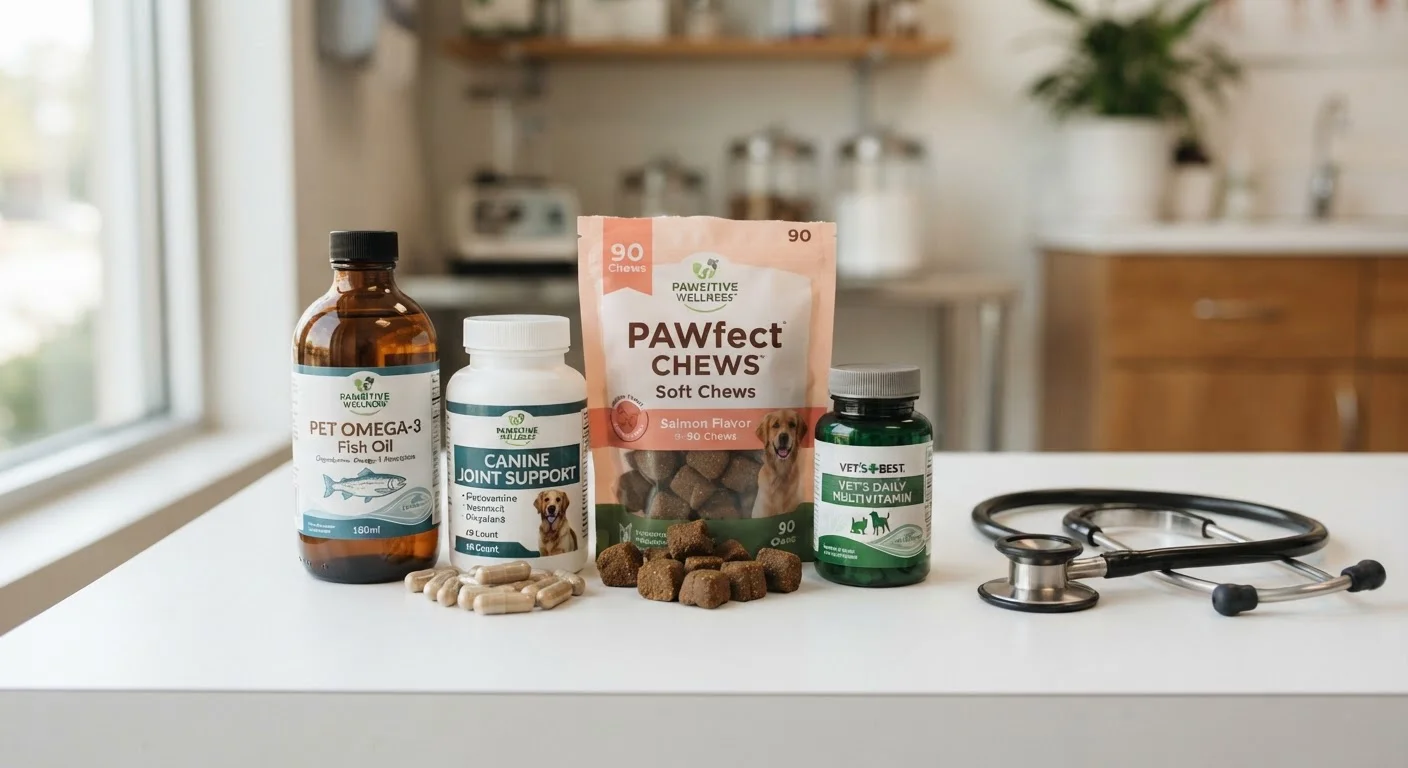
The supplement categories with the strongest evidence tend to be those that have attracted pharmaceutical-level research interest, often because vets began using them decades ago and longitudinal studies followed. Omega-3 fatty acids (particularly EPA and DHA from marine sources) have a meaningful evidence base for reducing inflammation associated with skin disease and osteoarthritis in dogs. A number of controlled trials support their use in these contexts, though optimal dosing remains an active area of study.
Glucosamine and chondroitin occupy a more complicated position. Human trials have shown mixed results, and the veterinary evidence - while somewhat positive - is less robust than the marketing often implies. Some studies in dogs suggest modest benefit for joint comfort, but effect sizes are generally small and study quality varies.
~25%
U.S. pet owners who use supplements
Survey data from the American Pet Products Association suggests roughly one in four pet owners report giving their pets some form of dietary supplement.
< 10%
Pet supplements with third-party quality verification
Independent analyses of the pet supplement market have consistently found that the majority of products lack independent third-party testing or certification.
Probiotics represent a genuinely promising category with a growing body of veterinary-specific research. Certain strains appear effective for managing acute diarrhea and supporting gut microbiome balance, but strain specificity matters enormously - a product containing one bacterial strain may have entirely different effects than another. If weight management is also a concern for your pet, evidence-based weight management strategies are worth reviewing alongside any supplement plan.
Supplements Are Not a Substitute for Veterinary Care
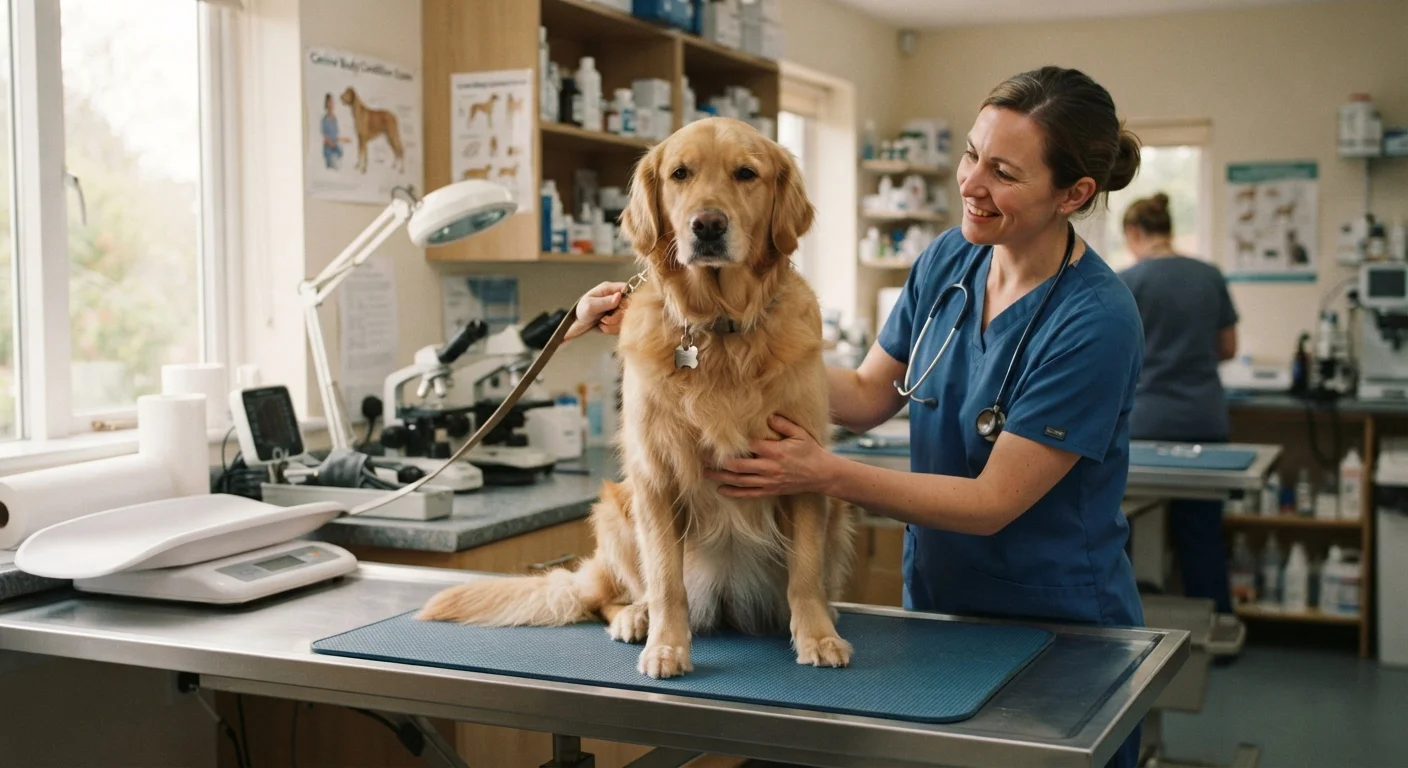
No supplement should replace a proper diagnosis, prescribed treatment, or veterinary-recommended management plan. If your pet is showing signs of illness, joint pain, digestive problems, or behavioral changes, a veterinary evaluation comes first. Supplements may complement a treatment plan your vet designs, but self-prescribing based on symptom matching can mask conditions that need medical attention and delay appropriate care.
Common Misconceptions About Pet Supplements
Misinformation in this space travels fast, largely because supplement manufacturers aren't held to the same advertising standards as pharmaceutical companies. Below are some of the most persistent myths - and what the evidence actually indicates.
Watch for Low-Quality or Mislabeled Products
Independent testing of pet supplements has repeatedly found that some products contain less of the active ingredient than the label states, or in some cases, unlisted ingredients. Look for products that carry the NASC quality seal or certification from a recognized third-party testing organization. This doesn't guarantee efficacy, but it does provide greater confidence in what's actually in the product.