

When Does a Pet Become 'Senior'?
There is no single birthday that transforms a pet into a senior animal. Age thresholds depend on species, size, and breed. For dogs, veterinarians generally use age 7 as a rough starting point - but a 7-year-old Great Dane and a 7-year-old Chihuahua are not aging at the same rate. Large and giant breeds tend to have shorter lifespans, meaning their bodies begin showing age-related changes earlier, sometimes around 5-6 years. Small breeds may not enter their senior phase until age 8 or 9.
Cats follow a different trajectory. Most veterinary consensus places the senior threshold around age 10-11, with cats aged 15 and older considered geriatric. Because cats age more uniformly across breeds, the timeline is more predictable than in dogs.
The practical takeaway: rather than waiting for a specific birthday to reassess your pet's care, pay attention to changes in energy, body composition, coat quality, and behavior. These signals matter more than any arbitrary age label. Our guide on recognizing physical changes that warrant a vet visit covers the early warning signs worth tracking.
Physical Changes to Expect as Pets Age
Aging affects nearly every body system in pets, though the rate and severity vary considerably. Understanding what is typical helps you distinguish normal aging from conditions that need veterinary attention.
- Musculoskeletal changes: Arthritis is extremely common in older dogs and cats. You may notice stiffness after rest, reluctance to jump or climb stairs, or a subtle change in gait. These are not simply signs of a pet 'slowing down' - they often indicate chronic pain that is manageable with veterinary guidance.
- Organ function: Kidney function naturally declines with age, particularly in cats. Liver, heart, and thyroid function can also change. Many of these shifts are detectable through routine bloodwork before clinical symptoms appear.
- Sensory decline: Hearing loss and vision changes are common in geriatric pets. Gradual vision decline may not be obvious at home if a pet has memorized its environment, but sudden changes in a familiar setting can reveal it.
- Dental disease: Periodontal disease accumulates over a lifetime and can become severe in senior pets, affecting not just oral health but kidney, liver, and heart function through chronic bacterial exposure.
- Weight and body composition: Some seniors gain weight due to reduced activity and slower metabolism; others lose lean muscle mass (a process called sarcopenia) even while maintaining body weight. Both patterns require different nutritional responses.
Sarcopenia
The age-related loss of lean muscle mass. It can occur even when a pet maintains or gains body weight, making it easy to miss without a body condition assessment.
Cognitive Dysfunction Syndrome (CDS)
A neurological condition in older dogs and cats characterized by changes in awareness, memory, and behavior, broadly comparable to dementia in humans.
Immunosenescence
The gradual decline of immune system function that occurs with aging, making older animals more vulnerable to certain infections and slower to respond to vaccines.
Periodontal disease
A progressive infection of the structures supporting the teeth. In pets, it commonly goes untreated and can have systemic effects on organ health over time.
Geriatric
A term for the oldest segment of the senior age range. In cats, this generally refers to animals aged 15 and older; in dogs, it depends on breed size.
Body condition score (BCS)
A standardized scale veterinarians use to assess whether a pet is underweight, at an ideal weight, or overweight by evaluating visible and palpable fat deposits and muscle mass.
How Nutritional Needs Shift in Older Pets
Senior pet nutrition is more nuanced than simply switching to a bag labeled 'senior formula.' The underlying science matters more than the marketing. See our detailed guide on feeding dogs through every life stage for a deeper look at how canine nutritional needs evolve.
Key nutritional principles for aging pets include:
- Protein quality: Contrary to older assumptions, most healthy senior dogs and cats do not need protein restriction. In fact, maintaining adequate high-quality protein helps preserve lean muscle mass. Protein restriction is typically only recommended for pets with specific diagnoses such as advanced kidney disease - a decision that should be made with a veterinarian.
- Caloric density: Many seniors become less active, lowering their caloric requirements. Overfeeding an older pet accelerates joint stress and metabolic strain. However, some older pets - especially cats with hyperthyroidism or gastrointestinal changes - struggle to maintain weight and may need calorie-dense foods.
- Hydration: Older cats in particular are prone to chronic dehydration, which compounds kidney strain. Wet food, water fountains, and multiple water stations can encourage better fluid intake.
- Specific nutrients: Joint supplements containing glucosamine and chondroitin are commonly used in aging dogs, though evidence for their efficacy varies. Omega-3 fatty acids (EPA and DHA) have stronger research support for inflammatory conditions. Discuss any supplementation with your veterinarian before adding it to your pet's routine.
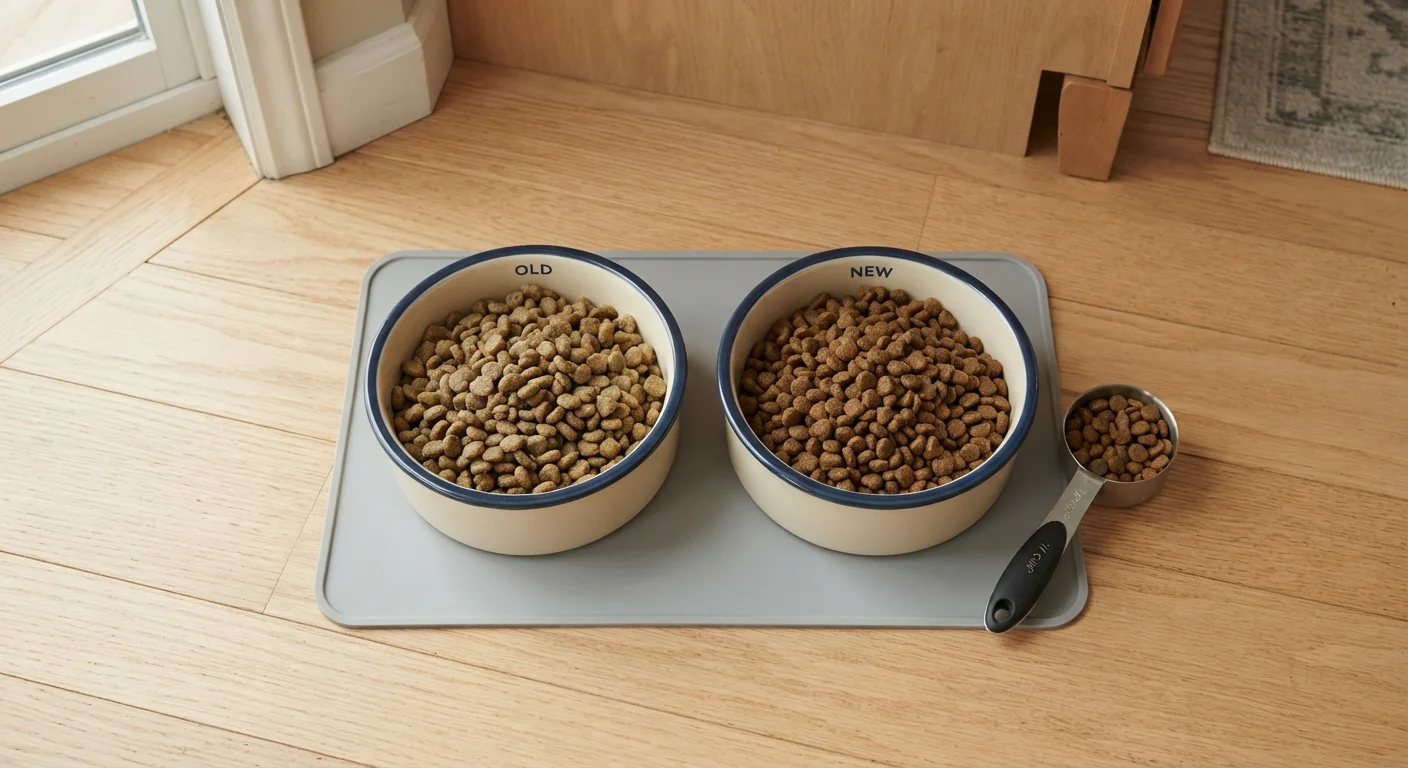
If a dietary change is needed, transition slowly to minimize digestive upset. Our guide on transitioning pets to new food without digestive upset walks through the process step by step.
Ask Your Vet About a Body Condition Score
At every senior wellness visit, ask your veterinarian to record your pet's body condition score (BCS) and muscle condition score. These simple assessments can detect subtle weight and muscle changes that a scale alone misses, helping you respond before problems become serious.
Behavioural and Cognitive Changes
Behavioral shifts in older pets are often dismissed as inevitable aging, but they frequently carry clinical significance. A dog that suddenly soils indoors, a cat that begins yowling at night, or a pet that seems confused or withdrawn may be experiencing a diagnosable medical condition - not simply 'getting old.'
Cognitive Dysfunction Syndrome (CDS) is a well-documented neurological condition in older dogs and cats, with parallels to Alzheimer's disease in humans. Signs include disorientation in familiar surroundings, disrupted sleep-wake cycles, decreased interaction with family members, loss of previously learned behaviors, and increased anxiety. CDS is underdiagnosed largely because owners and sometimes clinicians attribute signs to normal aging.
Pain is another major driver of behavioral change. Arthritis, dental disease, and internal discomfort can all manifest as increased irritability, reduced activity, or withdrawal. Pets cannot self-report pain, making owner observation and veterinary assessment critical. For a deeper look at how chronic stress and anxiety affect pet health beyond behavior, see our article on how chronic tension affects physical health in pets.
Mental enrichment remains important for aging pets. Short, gentle training sessions, puzzle feeders, and calm social interaction support cognitive health. The Pet Training & Behavior hub includes guidance on adapting enrichment for pets with physical limitations.
Behavioral Changes Are Not Just 'Old Age'
Sudden changes in behavior - including house soiling, night vocalization, increased aggression, or withdrawal - should prompt a veterinary visit, not just an adjustment in expectations. Many of these signs have treatable underlying causes including pain, hormonal imbalance, or cognitive dysfunction. Waiting can allow a manageable condition to progress.
Adjusting Veterinary and Preventive Care
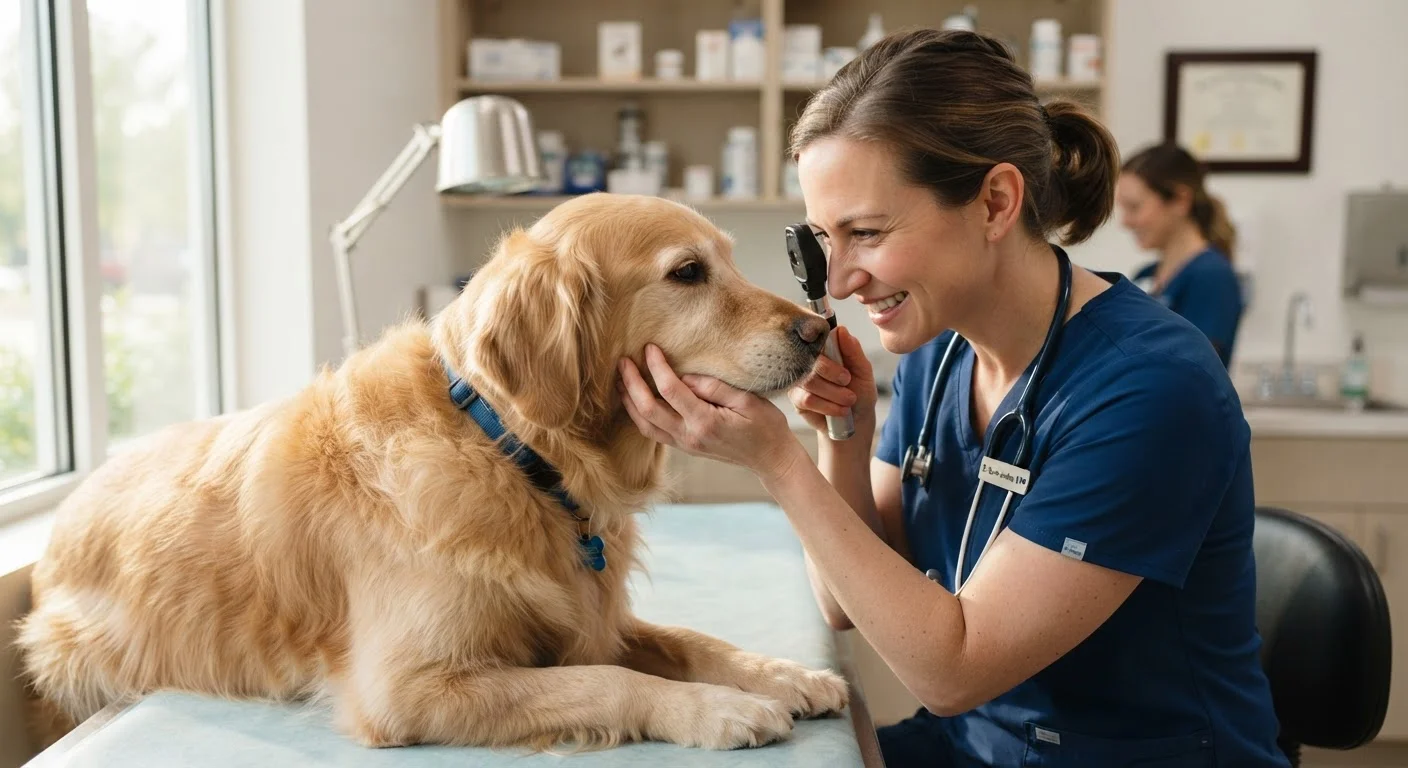
The most impactful change you can make for a senior pet's care is adjusting the frequency and scope of veterinary visits. Most major veterinary organizations recommend moving from annual to bi-annual wellness exams once a pet reaches senior age. This doubled frequency allows earlier detection of conditions - such as chronic kidney disease, hypertension, hypothyroidism, or early-stage cancer - that progress quickly and respond better to early intervention.
A senior wellness exam typically includes a physical examination, bloodwork (complete blood count and chemistry panel), urinalysis, and blood pressure measurement. Dental assessment and, when indicated, imaging may also be recommended. These are not luxury add-ons - they are the diagnostic baseline that makes proactive management possible.
Preventive care adjustments to discuss with your veterinarian may include:
- Reviewing and potentially adjusting vaccine protocols (senior pets may qualify for modified schedules based on lifestyle and health status)
- Parasite prevention - the need does not disappear with age, and some parasites pose greater risks to immunosenescent (age-weakened immune) systems
- Pain management evaluation for pets showing mobility changes
- Dental cleaning schedules, factoring in anesthetic risk as pets age
Financial planning can also ease the transition to more intensive senior care. Our article on pet insurance versus wellness plans explains how each option works and what to consider for an aging pet.
This article is for general informational purposes only and does not constitute veterinary advice. Always consult a licensed veterinarian for guidance specific to your pet's health, age, and medical history.