
Why Home Monitoring Matters Between Vet Visits
Pets cannot describe how they feel, and many species - cats especially - instinctively suppress visible signs of discomfort. By the time an illness becomes obvious, it may already be advanced. That's why systematic home observation is one of the most valuable habits a pet owner can develop.
This checklist focuses on physical changes: the visible and tactile signals your pet's body sends when something is shifting internally. It applies broadly to dogs and cats, though some items are species-specific. Use it routinely - weekly for seniors, monthly for healthy adults - so you develop a reliable sense of your individual pet's normal.
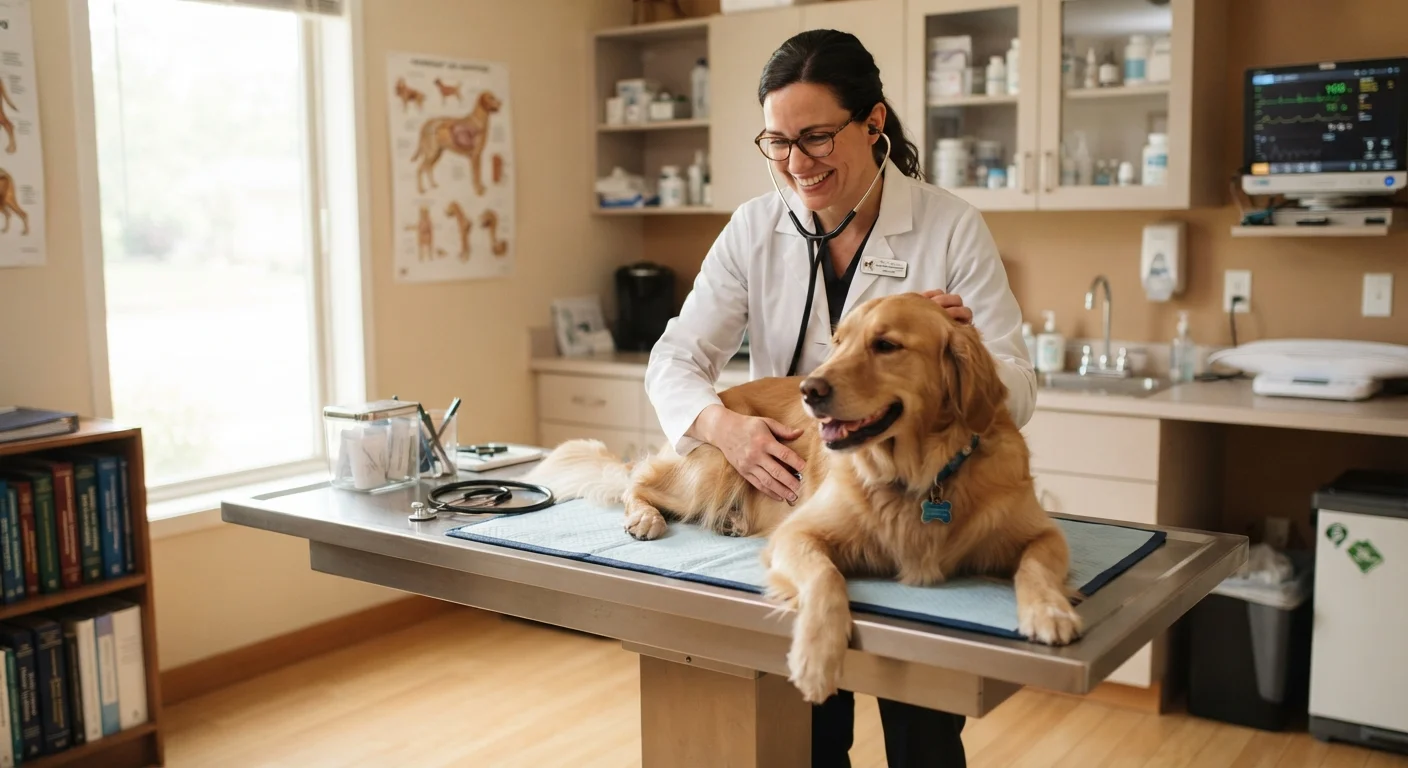
For context on what a professional assessment covers, see what your pet's annual wellness exam actually covers. Home monitoring complements, but never replaces, professional veterinary care.
Establish Your Pet's Healthy Baseline First
This checklist is most useful when you already know what's normal for your individual pet. Spend the first few sessions simply observing without judgment - note gum color, coat texture, and typical movement patterns. Deviations from that personal baseline are far more meaningful than comparisons to a generic standard. If your pet has any known health conditions, ask your veterinarian which changes to prioritize watching.
How to Use This Checklist
Work through each category in good light, ideally when your pet is calm and relaxed. Keep brief notes - even a phone photo - so you can track changes over time and share them accurately with your veterinarian. Items marked must are non-negotiable observations; should items are strongly recommended; nice-to-have items add useful depth if time permits.
If you notice a change and are uncertain whether it's significant, contact your vet's office for guidance rather than waiting for the next scheduled visit. Describing a symptom accurately is far easier when you've been monitoring consistently.
Digital pet scale or bathroom scale
Tracks body weight changes month to month so gradual gain or loss doesn't go unnoticed.
Smartphone with camera
Photographs lumps, skin changes, eye discharge, or gait abnormalities to share with your veterinarian.
Flashlight or pen light
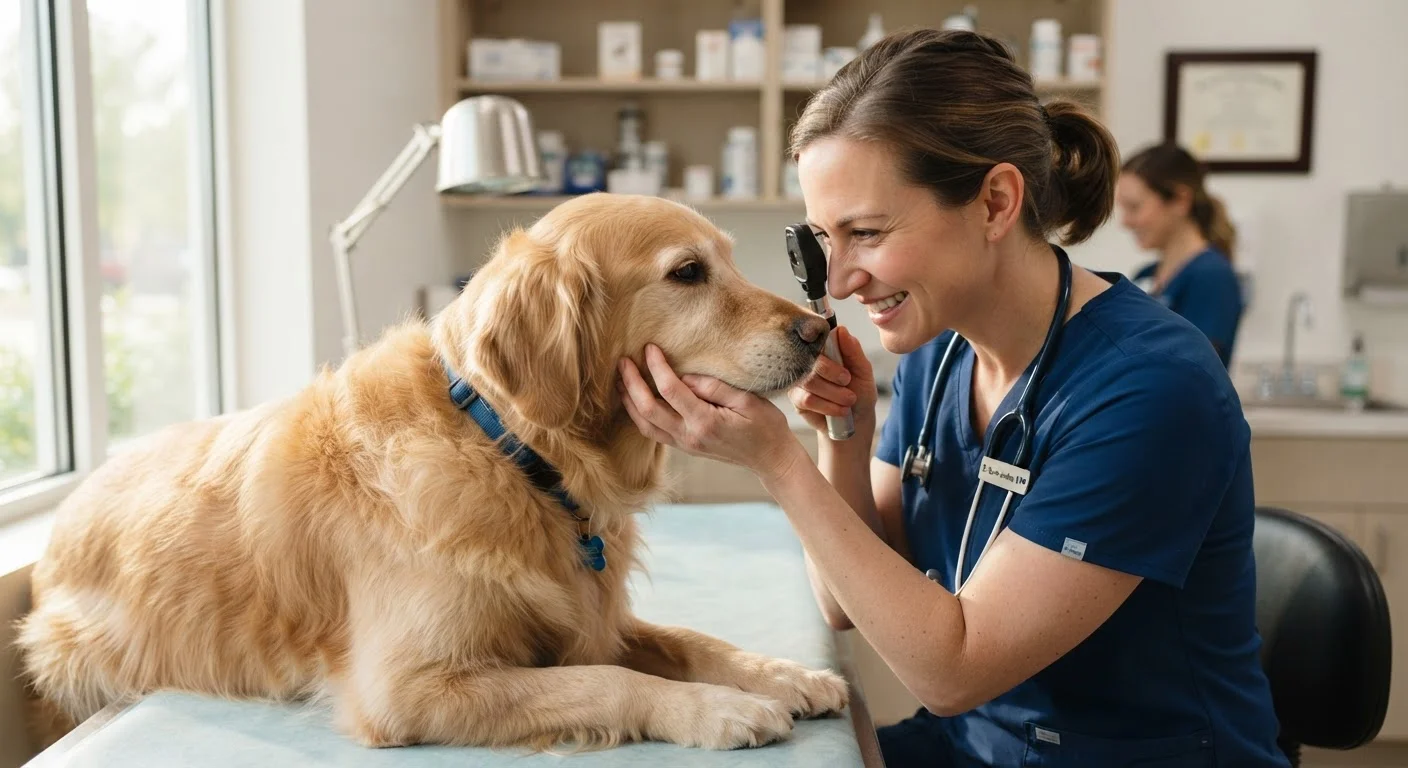
Illuminates the ear canal, mouth, and dark coat areas for more thorough inspection.
Pet health log (notebook or app)
Records observations with dates so you can identify patterns and report accurately to your vet.
Fine-toothed flea comb
Detects fleas, flea dirt, and skin debris during coat inspections.
The Full Physical-Change Checklist
The categories below cover the body systems most likely to show early, observable changes. Move through them systematically for the best results.
Coat and Skin
Eyes and Ears
Mouth and Gums
Weight and Body Condition
Movement and Posture
Senior pets deserve particular attention here - physical changes can accelerate after middle age. Our guide on senior pets and changing health needs explains what to expect as your pet ages and which checks become more critical over time.
These Signs Require Same-Day Veterinary Care
Pale, blue, white, or yellow gums; labored or open-mouth breathing (especially in cats); collapse, extreme lethargy, or unresponsiveness; suspected toxin ingestion; and seizures are emergencies. Do not wait for a scheduled appointment - contact your veterinarian or an emergency animal hospital immediately. Time is a critical factor in outcomes for these conditions.
Translating Observations Into Action
Not every change demands an emergency visit, but all changes deserve a response. Use this simple framework:
- Seek same-day care for pale, white, blue, or yellow gums; labored or open-mouth breathing (in cats); collapse or extreme lethargy; seizures; or suspected ingestion of a toxin.
- Schedule a prompt appointment (within 48-72 hours) for sustained appetite loss, unexplained weight loss, limping that persists beyond 24 hours, or any lump that has grown noticeably.
- Monitor and document minor coat dullness, mild eye discharge, or slight gait changes - note frequency and take photos, then raise these at your next scheduled visit if they resolve on their own.
Cats, in particular, are skilled at concealing discomfort. If something feels off but you can't pinpoint it, trust that instinct and call your vet. Our companion article why your cat hides pain and how to spot it anyway explores the behavioral dimension of feline pain concealment in more detail.
Changes in coat or skin can sometimes trace back to diet. If you've recently changed your pet's food, review how to transition your pet to a new food without digestive upset to rule out a nutritional factor.
This article is for general informational and educational purposes only. It is not a substitute for professional veterinary advice, diagnosis, or treatment. Always consult a licensed veterinarian for concerns about your pet's health.