
The Evolutionary Reason Cats Conceal Pain
Domestic cats descend from solitary hunters that were simultaneously prey for larger predators. In that context, displaying weakness - limping, vocalizing, or slowing down - was a survival liability. Natural selection strongly favored individuals that could maintain the appearance of health even when injured or ill.
That hardwired tendency persists in today's house cats. Unlike dogs, which evolved as pack animals with social structures that tolerate visible vulnerability, cats default to self-containment. This isn't stubbornness or stoicism in a meaningful emotional sense - it's a deeply embedded biological program running beneath conscious behavior.
The practical consequence for owners is significant: by the time a cat shows obvious distress, its condition may already be advanced. Chronic pain, in particular, is often invisible until it becomes severe.
Purring Does Not Mean Pain-Free
Many owners assume a purring cat is a comfortable cat. In reality, cats purr in a variety of emotional and physical states, including stress, fear, and pain. Purring may serve as a self-soothing mechanism rather than a signal of contentment. Do not discount other concerning signs simply because your cat is purring.
Behavioral Signs That Suggest Your Cat Is in Pain
Because cats rarely cry out, behavioral changes are your most reliable window into their internal state. Knowing your individual cat's baseline is essential - deviation from their normal matters more than deviation from any general average.
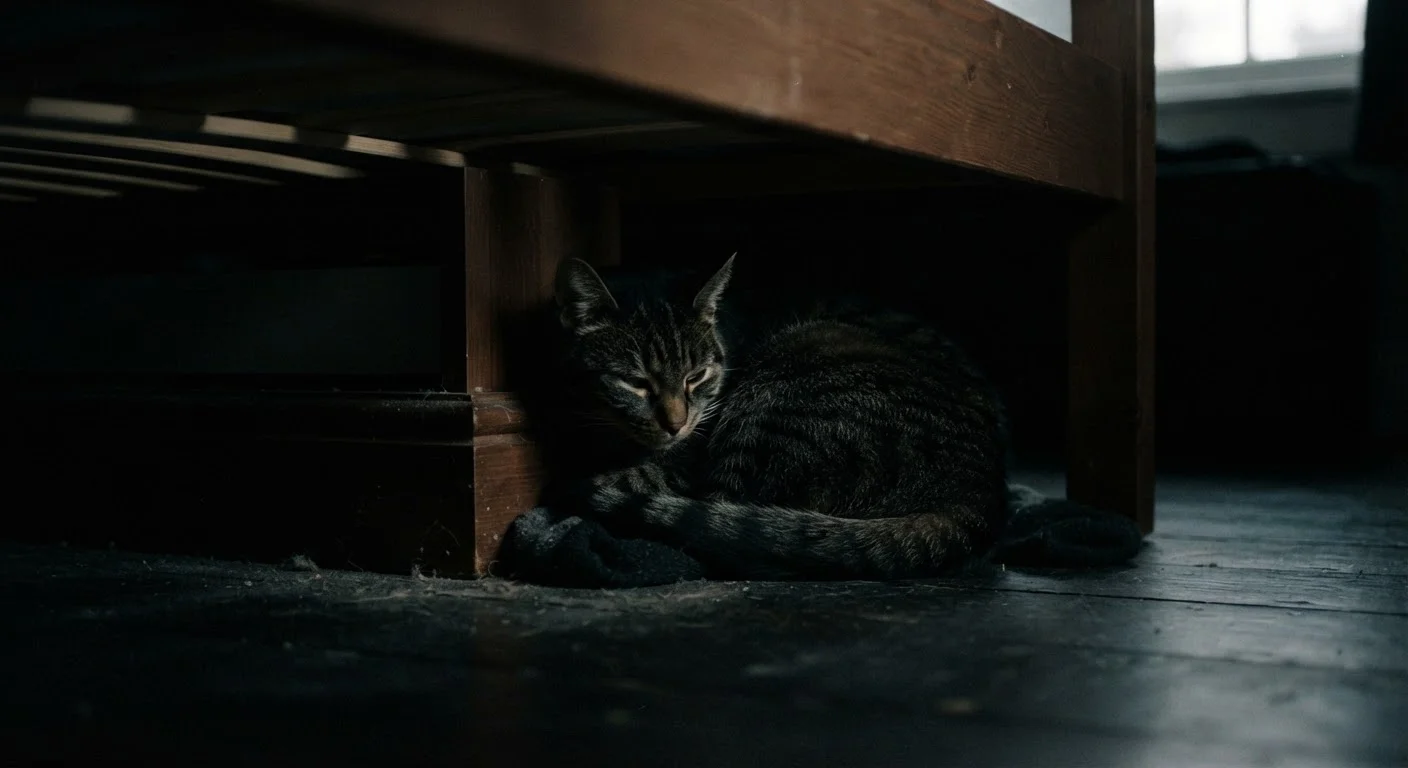
- Increased hiding or social withdrawal: A cat that suddenly avoids contact, stays in one spot, or retreats to unusual places may be seeking safety while managing discomfort.
- Reduced activity or reluctance to jump: Hesitation at stairs or furniture the cat previously navigated easily can indicate joint or musculoskeletal pain - a common and underrecognized issue, particularly in older cats.
- Changes in grooming: Both over-grooming a specific area (which may signal localized pain or irritation) and under-grooming (a coat that becomes dull or matted) can point to underlying problems.
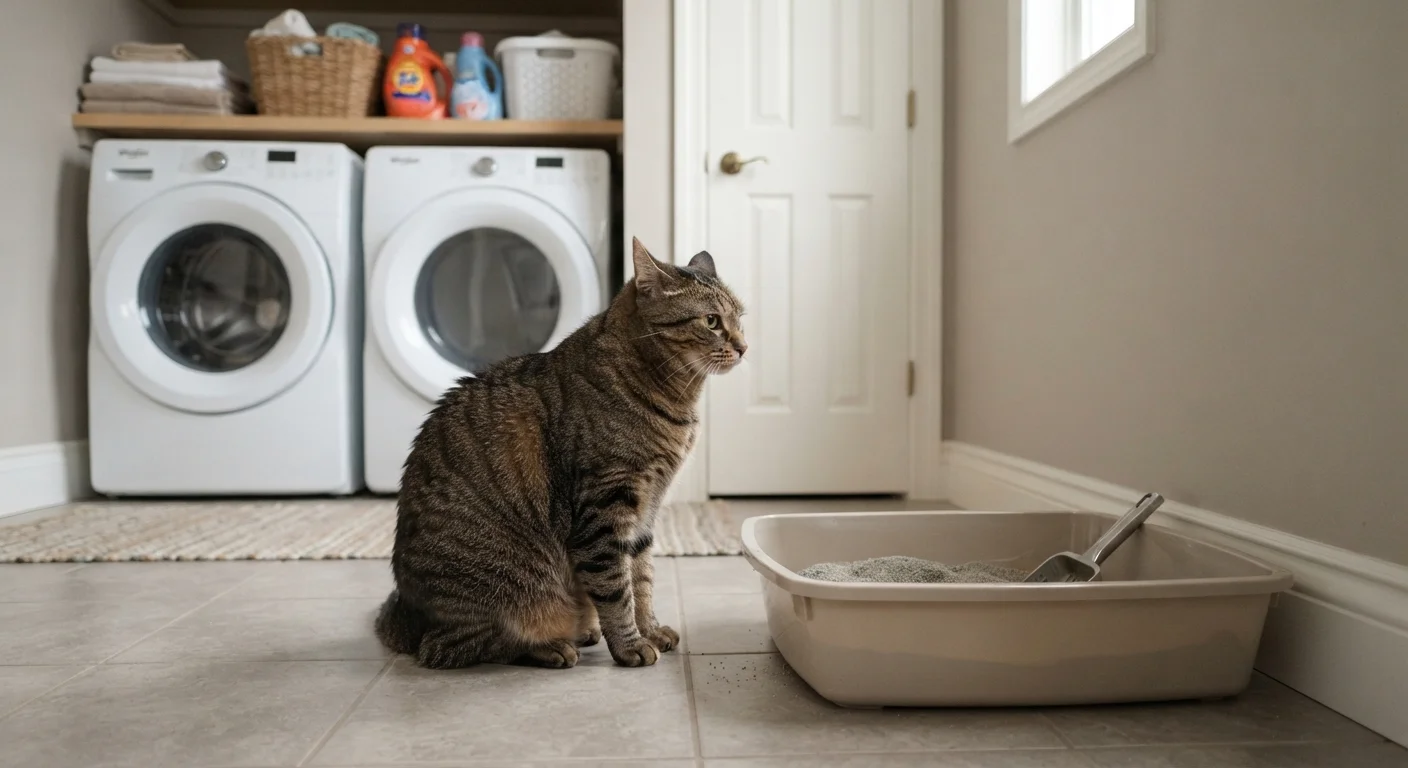
- Altered appetite or litter box habits: Pain can suppress appetite or make posturing in the litter box uncomfortable, leading to avoidance. See what litter box changes can signal for a deeper look at behavioral context.
- Irritability or aggression: A cat that hisses, bites, or shrinks away when touched in a specific area - especially one that has always been tolerant of handling - is communicating something important.
Keep a Simple Behavior Log
Documenting your cat's daily patterns - where they sleep, how much they eat, whether they jump onto furniture, how they groom - takes minutes but creates an invaluable baseline. Even brief notes or periodic photos make it far easier to identify gradual behavioral shifts that might otherwise go unnoticed until they become significant.
Reading Your Cat's Face: The Feline Grimace Scale
Veterinary researchers have developed a validated assessment tool called the Feline Grimace Scale (FGS), which identifies pain through five facial action units: ear position, orbital tightening (squinting), muzzle tension, whisker position, and head position. A cat in pain typically shows ears rotated outward or flattened, eyes partially closed, a tense or rounded muzzle, and whiskers pulled back or bunched.
The FGS was designed for clinical use, but its principles translate usefully to everyday observation. Owners who learn to notice subtle facial tightness - rather than waiting for obvious distress - are better positioned to flag changes early. Photographs of your cat at rest can be helpful baseline references over time.
~90%
Senior cats with radiographic arthritis signs
Research published in veterinary literature suggests radiographic evidence of degenerative joint disease is found in the large majority of cats over 12 years old, though clinical signs are frequently absent.
70%+
Cats over 3 with some dental disease
Veterinary organizations estimate that the majority of cats over age three show signs of periodontal disease, making it one of the most common and underdetected pain sources in domestic cats.
5 cues
Facial action units in the Feline Grimace Scale
The validated Feline Grimace Scale (FGS), developed through peer-reviewed research, uses five observable facial markers to assess acute pain in clinical settings.
For a broader look at physical indicators worth monitoring, see our guide on physical changes in pets that warrant a vet visit.
Common Hidden Pain Sources Owners Frequently Miss
Several conditions produce significant pain in cats while generating few obvious symptoms in early-to-mid stages.
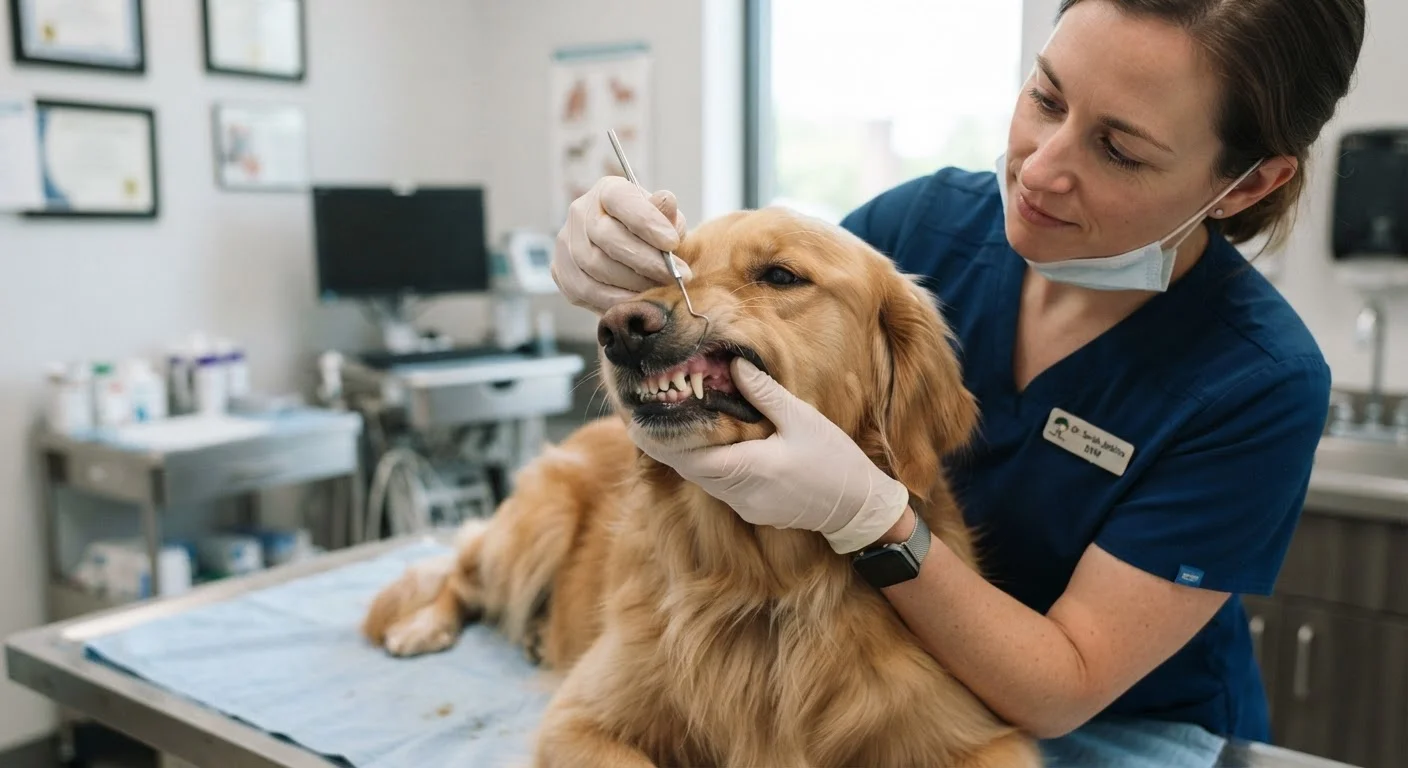
Dental disease is among the most prevalent - periodontal disease and tooth resorption affect a large proportion of cats over three years of age, yet most owners don't notice because cats continue eating despite significant oral pain. Our article on pet dental health science explains how this progresses and why it's so frequently underestimated.
Osteoarthritis is another routinely missed condition. Studies suggest it is common in middle-aged and older cats, yet it rarely produces the dramatic limping seen in dogs. Instead, affected cats may simply jump less, groom their hindquarters less thoroughly, or sleep more.
Urinary and gastrointestinal conditions - including bladder inflammation and constipation - can cause chronic, intermittent pain that manifests primarily as behavioral withdrawal or litter box avoidance rather than visible distress.
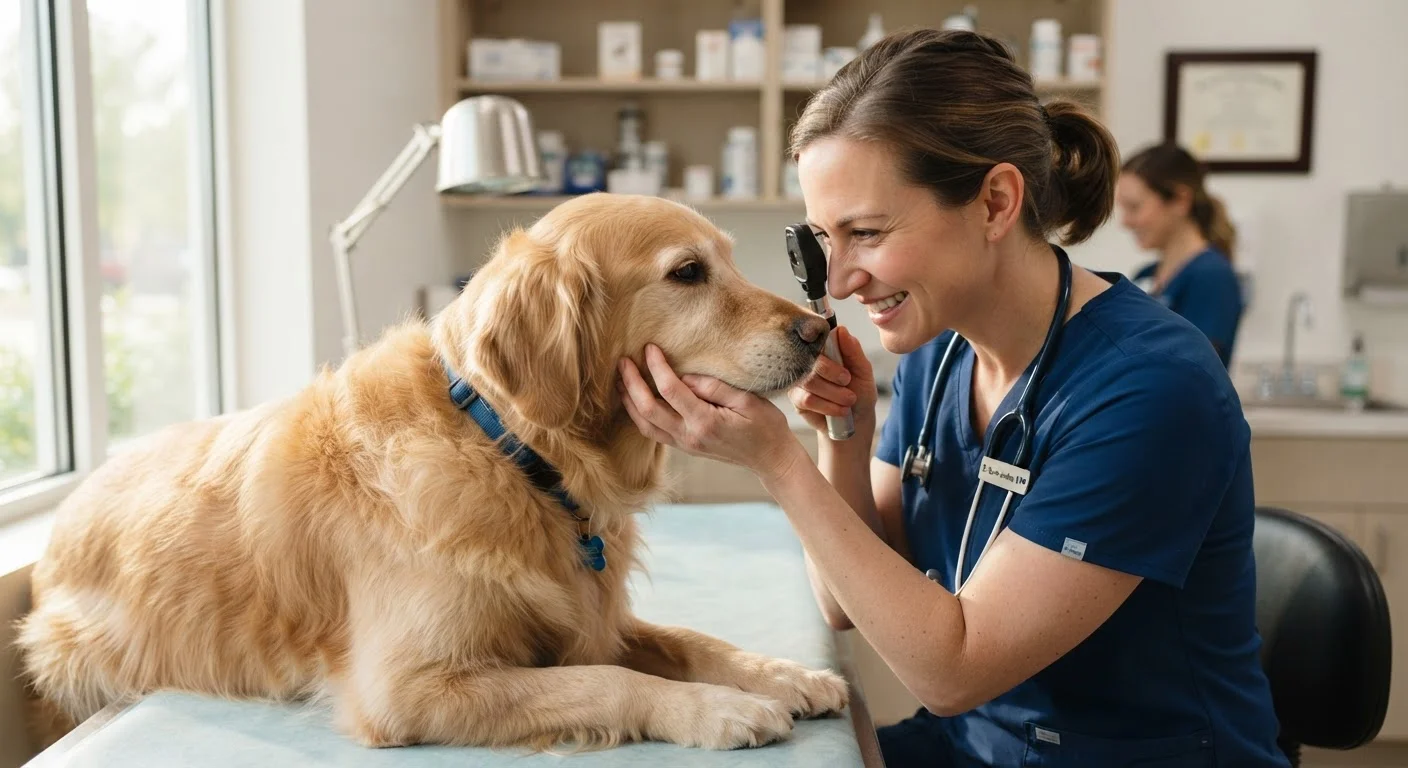
Regular veterinary exams remain the most effective tool for catching these conditions before they escalate. Annual wellness visits for adult cats and twice-yearly visits for seniors allow professionals to assess what owners - through no fault of their own - are not positioned to see.
This article is for general informational purposes only and does not constitute veterinary medical advice. Always consult a licensed veterinarian regarding your cat's specific health needs.