
Why Cats Stop Using the Litter Box
When a cat begins eliminating outside the litter box, the instinct for many owners is frustration - sometimes even the assumption that the cat is acting out. In reality, this behavior is almost always a signal, not a statement. Cats do not have the cognitive architecture for spite. What they do have is a strong instinct to avoid elimination in locations that feel unsafe, painful, or otherwise wrong.
Veterinarians and certified animal behaviorists identify two broad categories: inappropriate elimination (urinating or defecating on horizontal surfaces outside the box) and urine marking (spraying on vertical surfaces, typically in small amounts). These look similar to owners but arise from very different causes and call for different responses. Knowing which is happening matters before any changes are made.
Because medical conditions are a leading driver of litter box avoidance, a veterinary examination is the recommended first step - not a behavioral intervention. Conditions such as urinary tract infections, feline idiopathic cystitis, kidney disease, diabetes, hyperthyroidism, and arthritis can all prompt a cat to associate the litter box with pain, or make reaching it difficult. See our guide to recognizing hidden pain in cats for behavioral cues that can accompany these conditions.
~10%
Cats affected by elimination problems annually
Feline inappropriate elimination is estimated to affect roughly 10% of cats at some point in their lives, according to veterinary behavioral literature.
#1
Behavioral reason cats are surrendered to shelters
Litter box problems are consistently cited as the leading behavioral reason owners surrender cats to animal shelters in the United States.
200M+
Scent receptors in a cat's nose
Cats possess over 200 million olfactory receptors, making them highly sensitive to litter fragrances and box cleanliness in ways humans often underestimate.
Environmental Factors That Drive Avoidance
Once medical causes are ruled out, the litter box setup itself warrants close scrutiny. Research in feline behavior has identified several consistent environmental factors that influence box use:
- Cleanliness: Cats have a highly sensitive sense of smell. Most prefer boxes scooped at least once daily. A box left too long between cleanings is frequently abandoned.
- Litter texture and scent: Most cats prefer fine-grained, unscented, clumping litter. Strongly perfumed litters, while marketed to owners, can be aversive to cats.
- Box size: The box should be large enough for the cat to turn around comfortably. Many commercially available boxes are undersized for adult cats, particularly larger breeds.
- Hood or cover: Some cats prefer open boxes; others feel trapped in covered ones. Individual preference varies. If a cat is avoiding a covered box, removing the lid is a simple test.
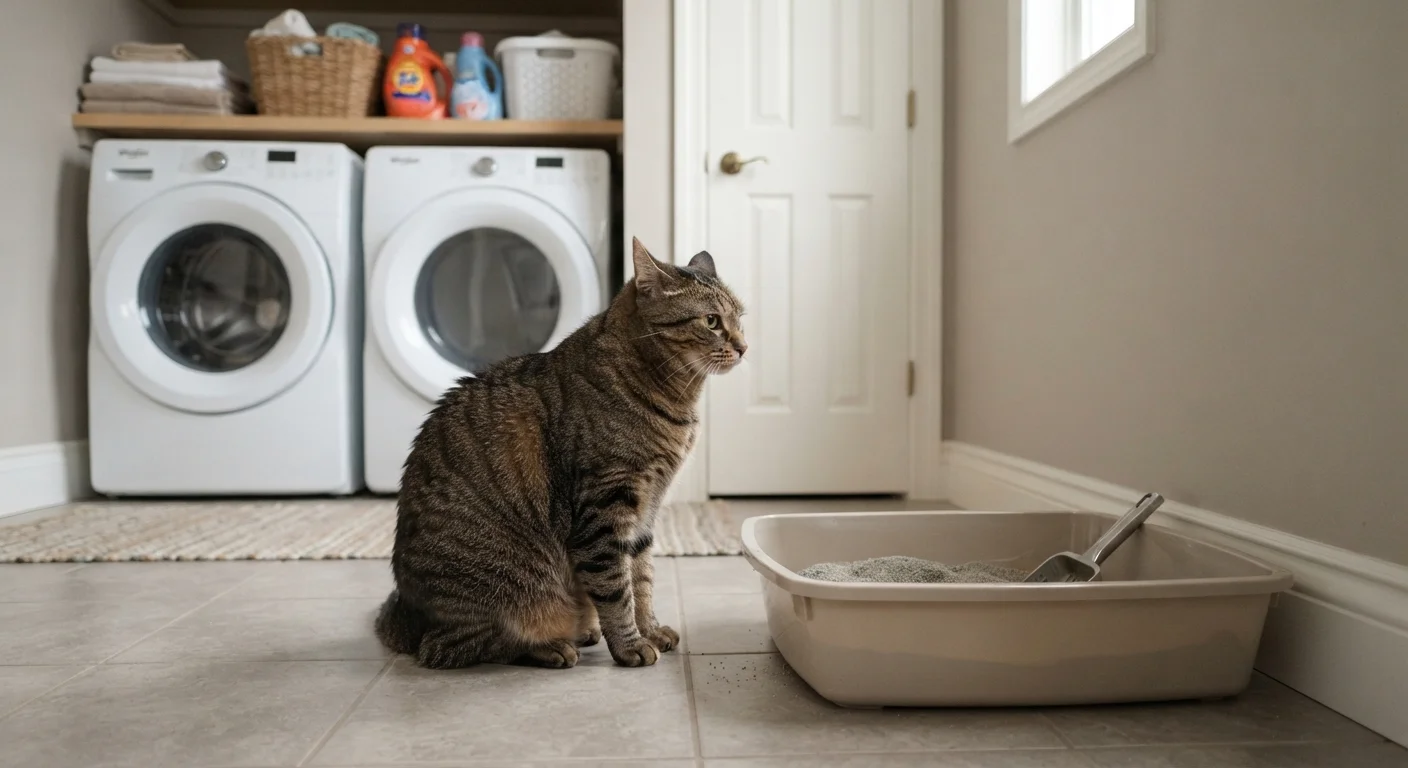
- Location: Boxes placed near loud appliances, in high-traffic areas, or in locations that feel cornered can be avoided. Cats are vulnerable during elimination and seek a sense of safety.
- Number of boxes: In multi-cat homes, resource competition is a real factor. The standard guidance is one box per cat, plus one extra.
Try a Litter Preference Test
If you're unsure which litter type your cat prefers, place two identical boxes side by side - one with your current litter and one with an unscented, fine-grained clumping alternative. Observe which the cat uses more consistently over one to two weeks. This low-effort test can reveal a strong individual preference without requiring a complete overhaul of your setup.
Stress, Social Conflict, and Urine Marking
Cats are sensitive to social dynamics - both within the household and from perceived threats outside it. Outdoor cats visible through a window, a new pet, a new baby, or even a change in the owner's schedule can elevate a cat's stress enough to disrupt normal elimination behavior.
Urine marking is particularly associated with arousal and territorial stress. It is more common in unneutered males but can occur in neutered cats of either sex. Unlike inappropriate elimination, marking is typically done on vertical surfaces in small amounts and is linked to territory communication rather than litter box dissatisfaction. Understanding how cats process and respond to their environment can help owners recognize the difference between a box preference issue and a stress-driven behavior.
Environmental enrichment - including vertical space, hiding spots, consistent routines, and reduced exposure to stressors - is a core component of managing stress-related elimination in cats. In persistent or severe cases, a veterinarian may refer owners to a board-certified veterinary behaviorist for individualized assessment.
When to Treat This as an Emergency
A cat that is straining repeatedly to urinate while producing little or no urine may have a urinary blockage - a life-threatening emergency, particularly in male cats. If your cat is making repeated, unproductive trips to the box, crying out, or showing lethargy alongside litter box changes, seek emergency veterinary care immediately. Do not wait to observe the behavior further.
Practical Steps to Address the Problem
A structured approach helps owners avoid guesswork and address the actual cause rather than symptoms. The general framework recommended by veterinary professionals follows this sequence:
- Rule out medical causes first. Schedule a veterinary exam, including urinalysis. Do not skip this step even if the cat otherwise seems healthy.
- Audit the box setup. Evaluate cleanliness, litter type, box size, cover, and location. Make changes one at a time to identify what matters to your individual cat.
- Count and position boxes correctly. Ensure adequate box availability, distributed across different areas of the home - not clustered together.
- Assess recent changes. Think back to when the problem started. New pets, new people, moved furniture, or changes in schedule frequently correlate with onset.
- Clean soiled areas thoroughly. Cats are drawn back to spots by scent. An enzymatic cleaner designed for pet urine is necessary to fully neutralize odor.
- Seek professional guidance if the problem persists. A veterinary behaviorist or certified applied animal behaviorist can design a behavioral modification plan appropriate to your cat's specific circumstances.
Litter box problems are among the most common reasons cats are surrendered to shelters - yet most cases are resolvable once the root cause is accurately identified. Just as understanding why a cat leaves food in the bowl requires looking beyond surface behavior, so does addressing where and why a cat eliminates outside the box.
This article is for general informational purposes only and does not constitute veterinary medical advice. Always consult a licensed veterinarian for concerns about your cat's health or behavior.