
Why Leftover Food Is More Than a Picky Eater Problem
Many cat owners assume a half-eaten bowl means their cat is simply finicky. While individual taste preferences do exist, chronic food-leaving is rarely about stubbornness. It more often points to feeding management errors, environmental stressors, or early signs of a health issue worth investigating.
Understanding the difference matters. Assuming a cat is just "picky" can cause owners to cycle through food after food, accidentally creating a genuinely fussy eater - or, worse, missing a symptom that warrants veterinary attention. If you're new to feeding cats, a grounding in cat nutritional basics is a useful starting point before troubleshooting behavior.
Overestimating portion size based on package guidelines alone.
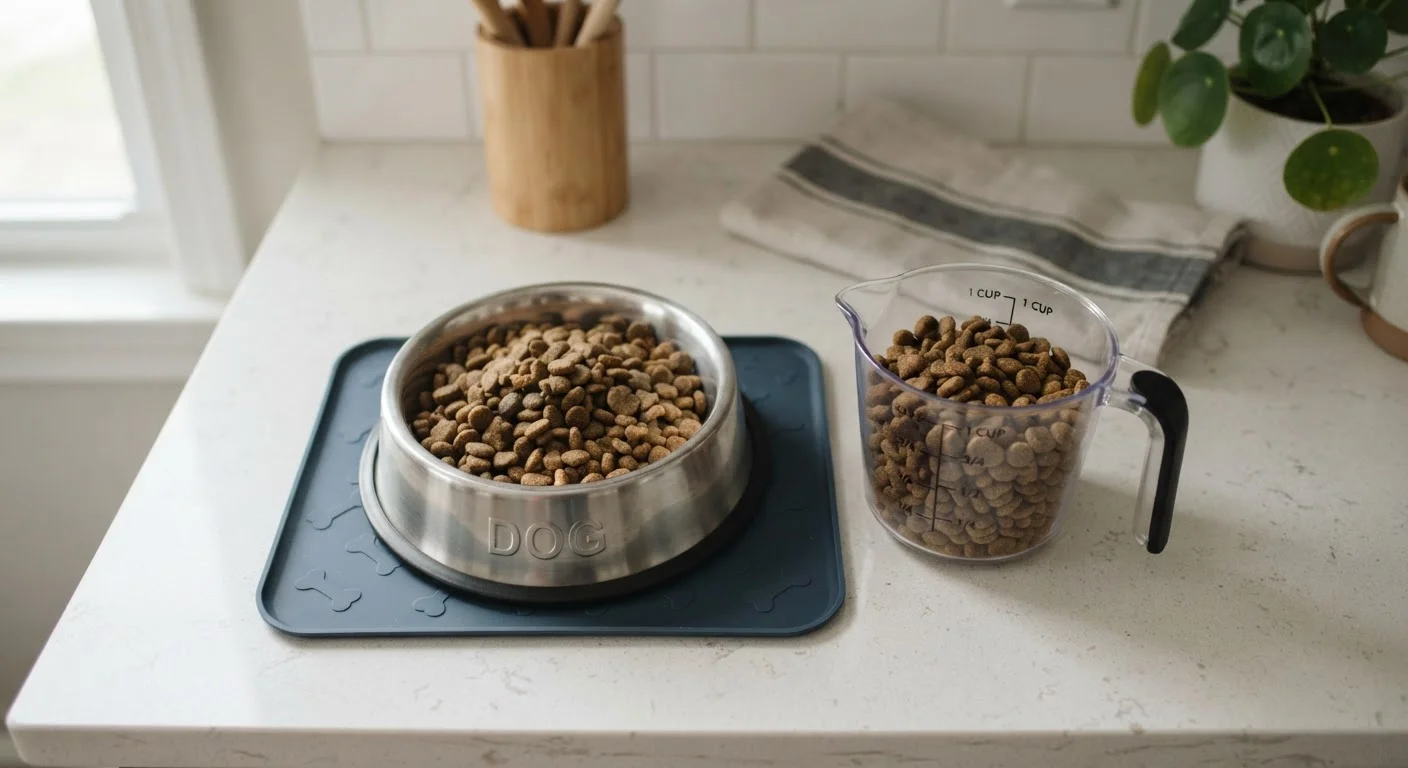
Why it happens: Feeding guides on packaging are general ranges calibrated for average activity levels, and they often err generous. Owners follow them precisely without accounting for their cat's actual size, age, or energy output.
Switching foods abruptly when a cat shows disinterest.
Why it happens: When a cat leaves food behind, the instinct is to try something new. Doing this repeatedly teaches the cat that refusing food results in more interesting options, reinforcing selective eating.
Ignoring whisker fatigue caused by deep or narrow bowls.
Why it happens: Whiskers are highly sensitive sensory organs. When they brush against the sides of a deep bowl repeatedly during eating, it can cause discomfort - a phenomenon sometimes called whisker fatigue - which many owners don't know exists.
Serving food straight from the refrigerator.
Why it happens: Wet food is often stored in the fridge after opening, and owners serve it cold without thinking. Cats have a strong preference for food near body temperature, which mimics fresh prey - cold food can suppress appetite and alter palatability.
Misreading marketing language as a signal to change foods.
Why it happens: Terms like "grain-free," "ancestral diet," or "human-grade" are designed to appeal to health-conscious owners. They can prompt unnecessary food changes that destabilize a cat already eating well. For a deeper look at this issue, see common pet food marketing myths.
Reading the Signals Correctly
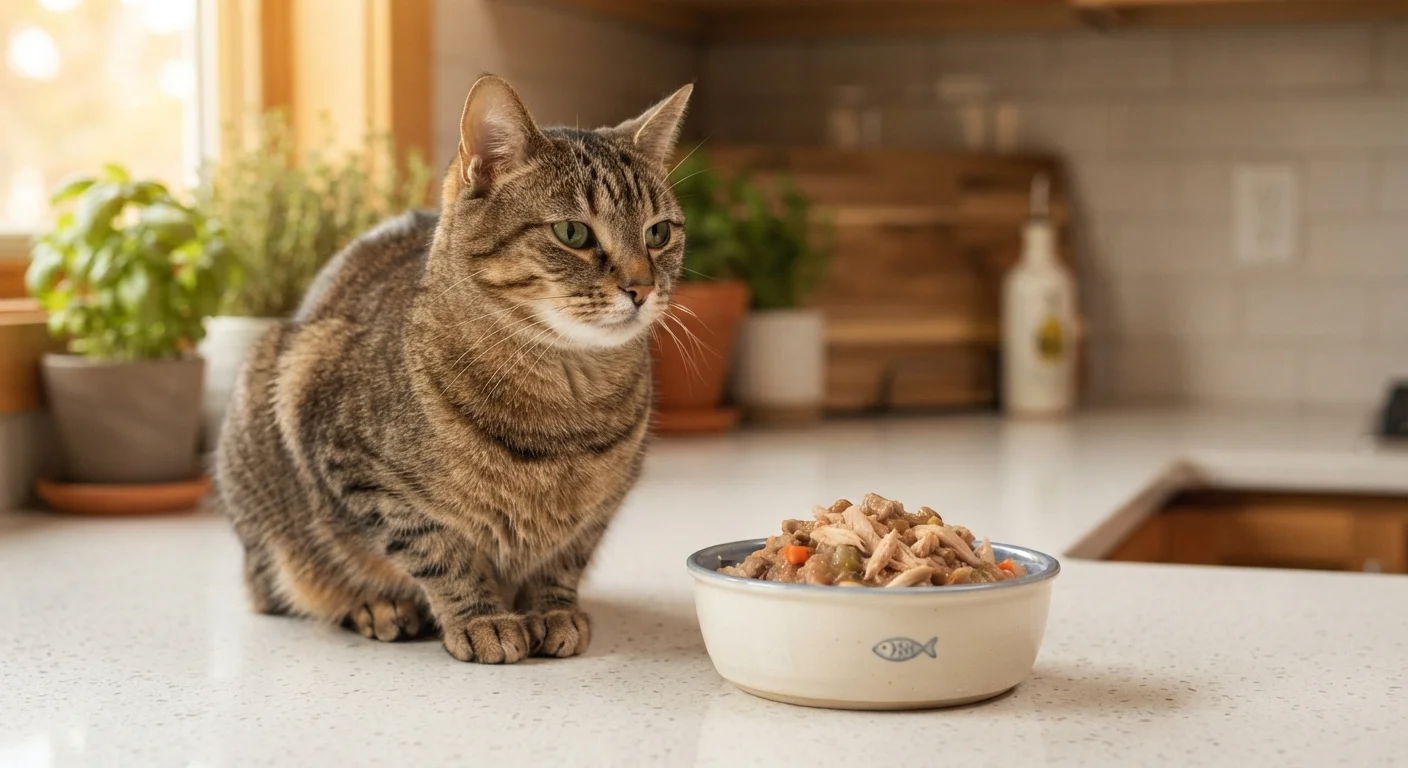
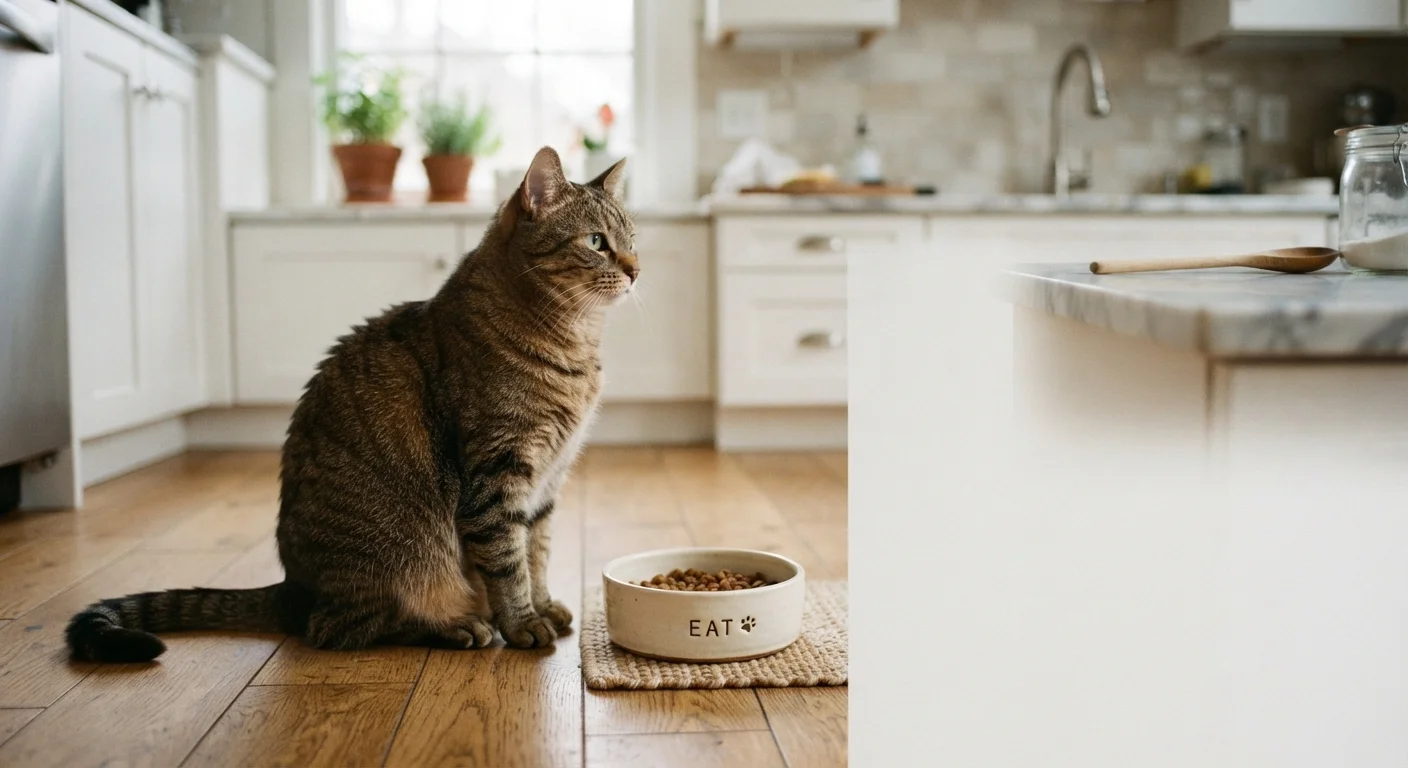
Context matters when interpreting leftover food. A cat that eats enthusiastically and leaves a small amount is likely portion-calibrated correctly - cats are not obligate bowl-clearers. A cat that approaches the bowl, sniffs, and walks away is showing something different from one that eats half and stops. Tracking the pattern over several days gives you more reliable information than reacting to a single meal.
~60%
Estimated prevalence of obesity in US cats
The Association for Pet Obesity Prevention has consistently reported that a majority of US cats are overweight or obese, often linked to overfeeding and free-choice feeding practices.
7-10 days
Recommended food transition period
Veterinary nutritionists generally recommend a gradual transition window to minimize gastrointestinal upset and reduce the risk of food aversion in cats.
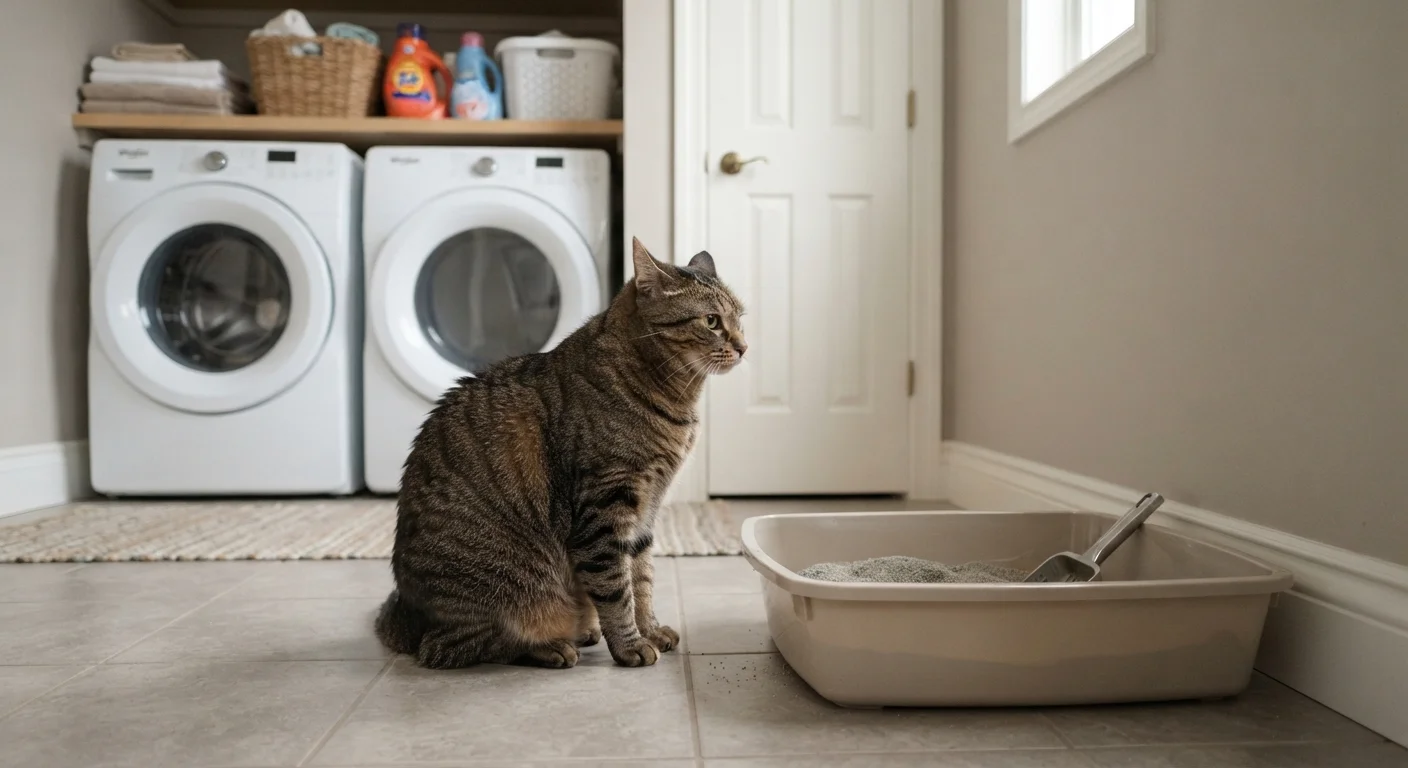
It's also worth separating food-related causes from environmental ones. Stress, competition from other pets, a bowl placed near a litter box, or a noisy feeding area can all suppress appetite without any issue with the food itself. Similar environmental sensitivity underlies litter box avoidance behavior - cats respond strongly to placement and perceived safety. Once environmental factors are ruled out, you can focus on the food and feeding routine itself.
Any sudden, sustained drop in appetite - especially paired with weight loss, lethargy, or changes in water intake - should prompt a veterinary visit rather than a diet swap. This article covers general feeding education; it is not a substitute for professional veterinary guidance.
When to See a Vet First
A cat that suddenly stops eating or consistently leaves most of its food for more than 48 hours should be evaluated by a veterinarian before any diet changes are made. Hepatic lipidosis (fatty liver disease) can develop in cats who stop eating even for a short period, particularly in overweight individuals. Do not attempt to fast your cat or force a food transition without veterinary guidance.