
The Physical Exam: What Vets Are Actually Assessing
The centerpiece of any annual wellness visit is the hands-on physical examination. Working systematically from nose to tail, a veterinarian evaluates dozens of individual data points in a single appointment. This isn't a formality - it's a structured clinical assessment designed to surface abnormalities that owners rarely spot on their own.
Key areas assessed include:
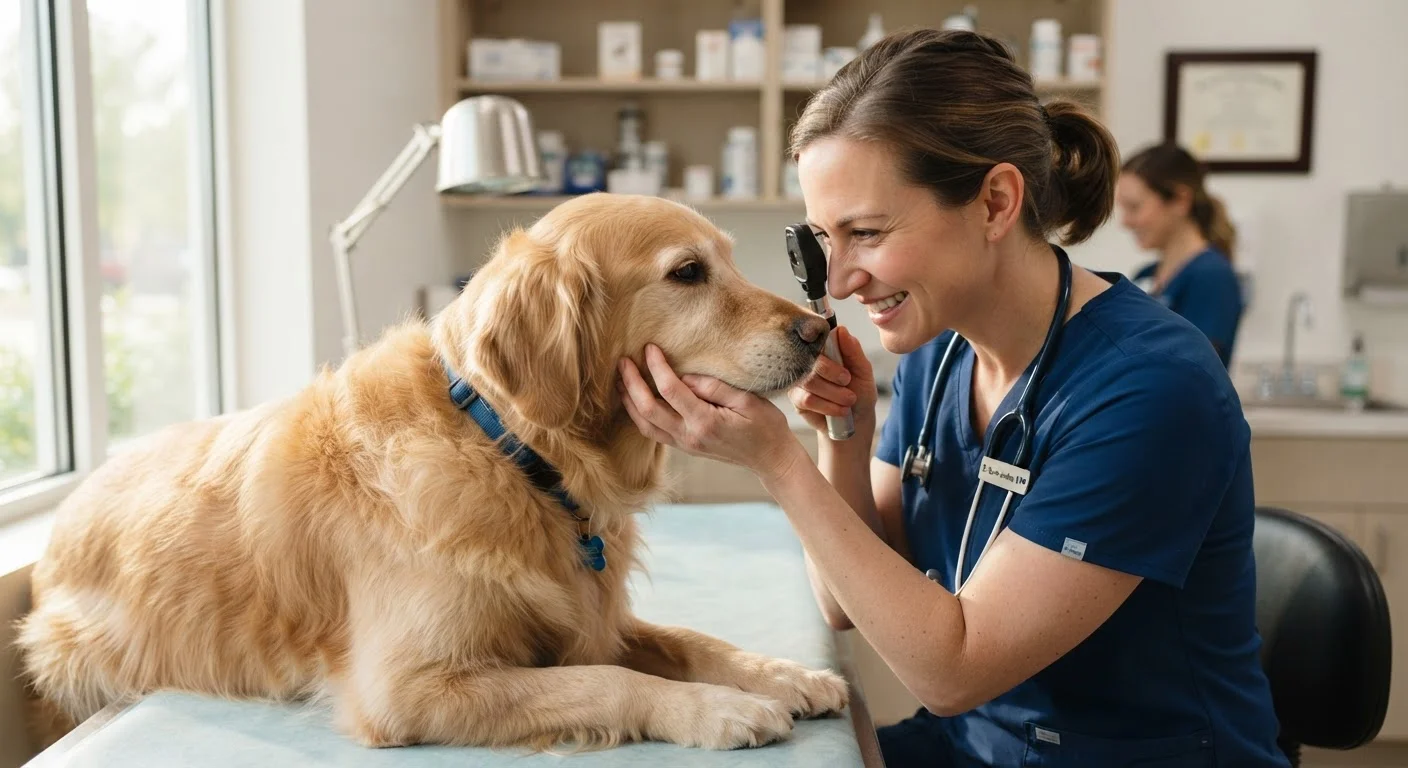
- Eyes and ears: Checking for discharge, inflammation, cloudiness, or signs of infection or early sensory decline.
- Oral health: Dental disease is among the most prevalent conditions in adult pets, yet it's frequently underrecognized. Vets assess tartar buildup, gum health, and tooth integrity.
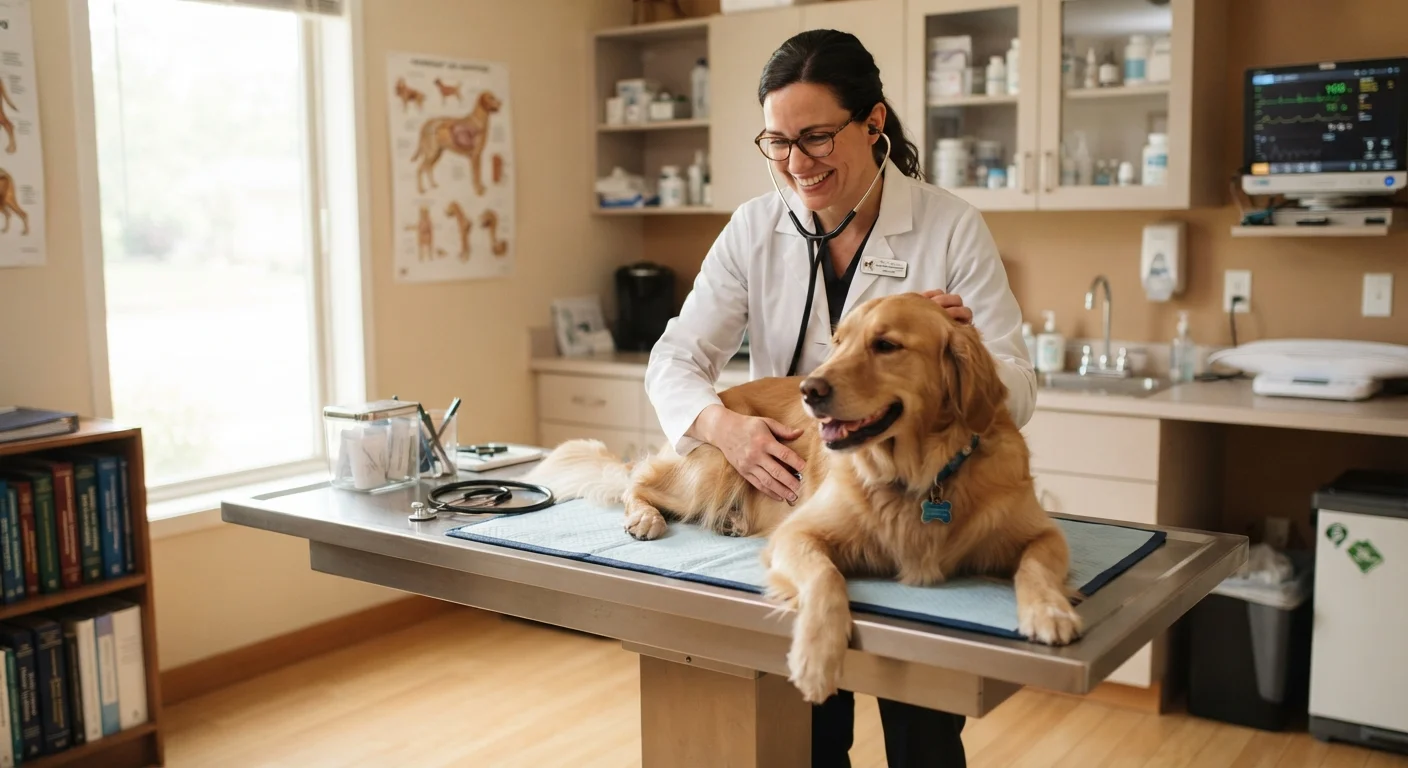
- Heart and lungs: Auscultation (listening with a stethoscope) can reveal heart murmurs, arrhythmias, or abnormal lung sounds before clinical signs appear.
- Abdomen: Palpation helps detect organ enlargement, masses, or discomfort that may indicate internal issues.
- Skin and coat: Condition of the coat, presence of parasites, lumps, or skin lesions are all evaluated. Physical changes in your pet's coat or skin can sometimes signal systemic disease.
- Musculoskeletal system: Gait, muscle mass, and joint mobility are assessed, particularly important as pets age.
- Lymph nodes: Enlarged lymph nodes can be an early indicator of infection or immune system activity.
Body weight and body condition score - a standardized measure of healthy weight relative to body composition - are also recorded. Comparing these metrics across annual visits allows vets to identify gradual trends that a single visit cannot reveal.
Preventive Care: Vaccines, Parasites, and Lab Work
Beyond the physical exam, the annual visit is the primary checkpoint for keeping preventive protocols current. Vaccine schedules vary by species, lifestyle, age, and regional disease risk, so your vet will review which core and non-core vaccines are due rather than applying a one-size-fits-all protocol.
Parasite prevention is another critical component. Heartworm testing (required before starting or restarting preventive medication in dogs), intestinal parasite screening via fecal analysis, and assessment of flea and tick prevention strategies are all typically addressed. Year-round parasite prevention is more nuanced than many owners realize, with regional patterns and life cycles affecting timing and product choice.
~70%
Pets over age 3 with dental disease
The American Veterinary Medical Association estimates that the majority of dogs and cats show signs of dental disease by age three, making oral assessment a critical component of the annual exam.
2x
Recommended exam frequency for senior pets
Veterinary consensus generally recommends biannual wellness exams for pets considered senior - typically those seven years and older - due to the accelerated pace of age-related health change.
1 in 9
Apparently healthy dogs with abnormal lab results
Research published in veterinary literature has found that a meaningful proportion of pets presenting as clinically healthy have laboratory abnormalities detected only through routine screening bloodwork.
For adult pets, baseline bloodwork - a complete blood count and chemistry panel - may be recommended even in the absence of symptoms. These tests establish reference values specific to your individual pet, making it far easier to detect meaningful deviations in future years. Urinalysis may also be ordered, particularly for cats, given their susceptibility to kidney and urinary tract disease.
The Conversation That's Just as Important as the Exam
A significant portion of the wellness visit's value comes from the discussion between owner and veterinarian. This is the appropriate time to raise concerns about changes in appetite, water intake, sleep patterns, activity level, or behavior - observations that owners are uniquely positioned to notice because they see their pets daily.
Prepare Before Your Pet's Appointment
Write down any changes you've noticed in your pet's behavior, appetite, energy, or physical appearance in the weeks before the visit. Bring a fresh stool sample (collected within 24 hours) for parasite screening, and note all medications, supplements, and foods your pet currently receives. A few minutes of preparation makes the wellness conversation significantly more productive.
Vets will typically ask about current diet and feeding amounts, which is not incidental. Nutritional imbalances, obesity, and inappropriate feeding practices are common contributors to long-term health problems. Your vet may recommend adjustments or refer to a board-certified veterinary nutritionist if dietary concerns are complex.
For owners of young pets, this is also the right moment to discuss foundational care. Getting health foundations right early - from socialization to appropriate nutrition - shapes a pet's long-term wellbeing significantly. For those with aging animals, understanding how needs shift over time is equally important. Senior pet health needs evolve in ways that make regular professional evaluation increasingly valuable.
Before leaving the appointment, confirm the recommended timeline for the next visit, any follow-up tests or procedures discussed, and which symptoms would warrant an earlier unscheduled visit. Leaving with a clear plan is as important as the exam itself.
This article provides general educational information about veterinary wellness exams and is not a substitute for professional veterinary advice. Always consult a licensed veterinarian for guidance specific to your pet's health needs.