
Why Pet Food Marketing Works So Well on Careful Owners
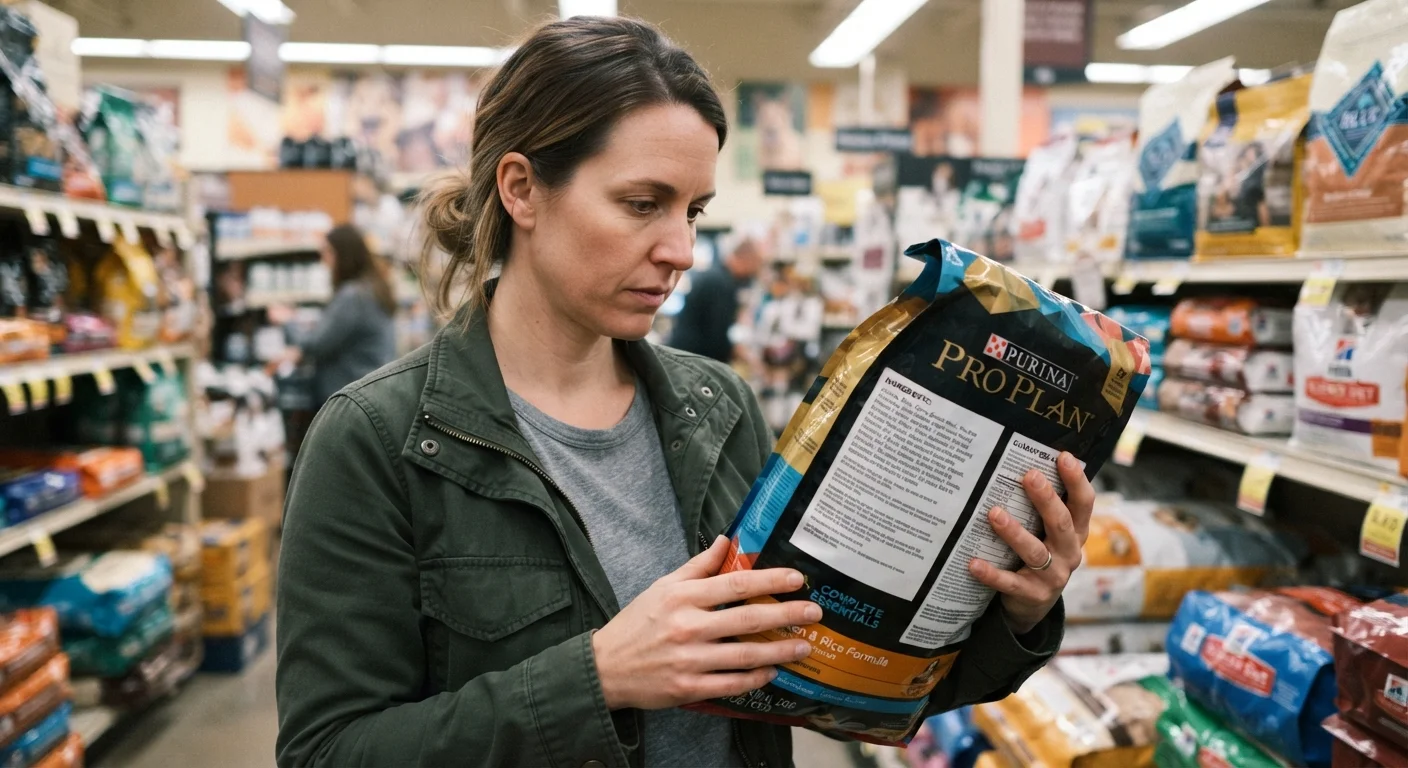
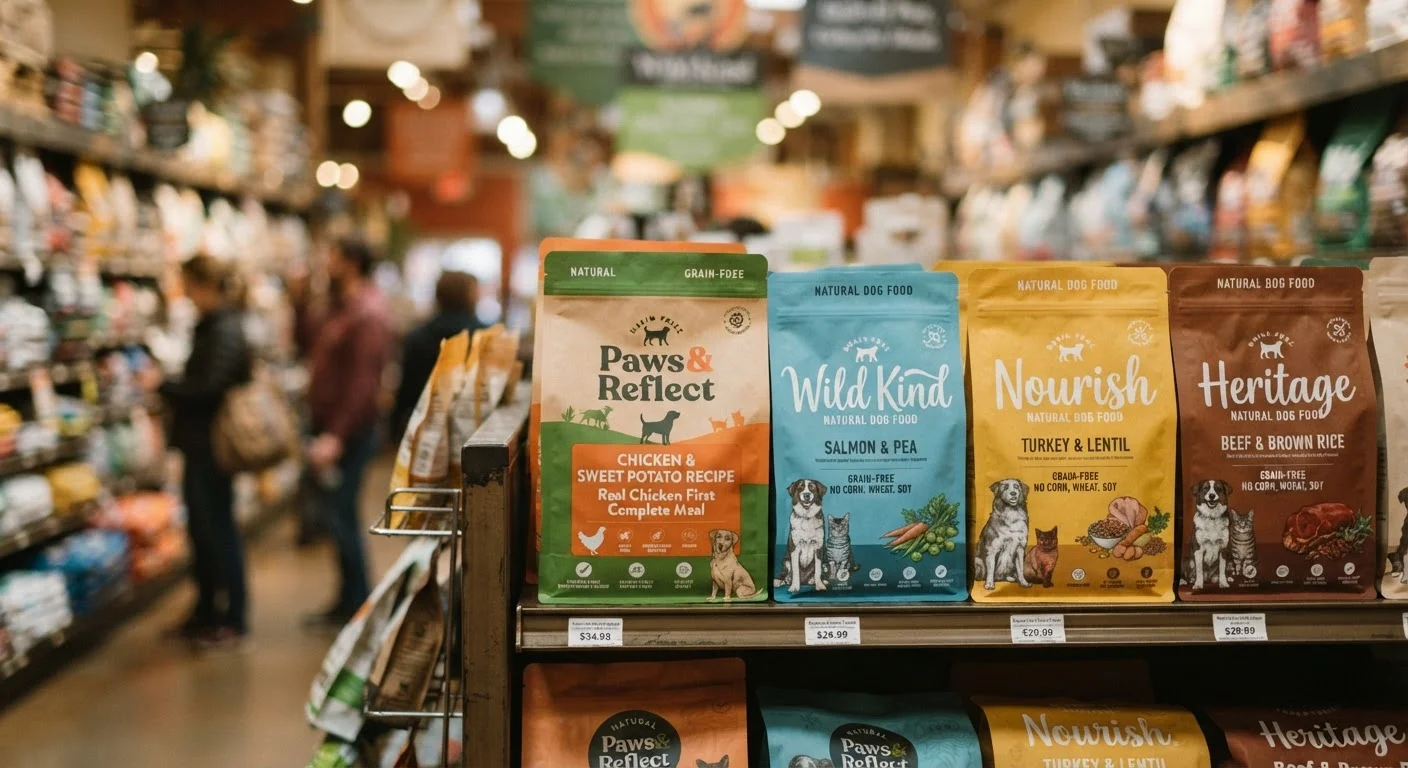
Pet owners who read labels, research ingredients, and pay attention to recalls are exactly the audience sophisticated pet food marketing targets. Words like "ancestral," "holistic," "raw-inspired," and "superfood" are designed to appeal to health-conscious instincts - not to communicate regulated nutritional facts.
The result is a feedback loop: the more effort an owner invests in choosing food, the more vulnerable they may be to persuasive packaging. Understanding which claims carry regulatory weight and which are pure marketing copy is the first step toward genuinely informed feeding decisions. For a deeper look at how label language is structured, see what pet food labels actually tell you.
Myth
Grain-free food is healthier for dogs and cats because grains are unnatural fillers.
Fact
Grains are digestible, nutritious ingredients for most pets. The FDA has investigated a potential link between grain-free diets and dilated cardiomyopathy (DCM) in dogs.
The grain-free trend borrowed heavily from human low-carb movements, not veterinary nutrition research. Most dogs digest cooked grains efficiently, and ingredients like oats, barley, and brown rice provide fiber, vitamins, and energy. Cats, as obligate carnivores, need less carbohydrate overall - but grains are not the primary concern in feline diet formulation.
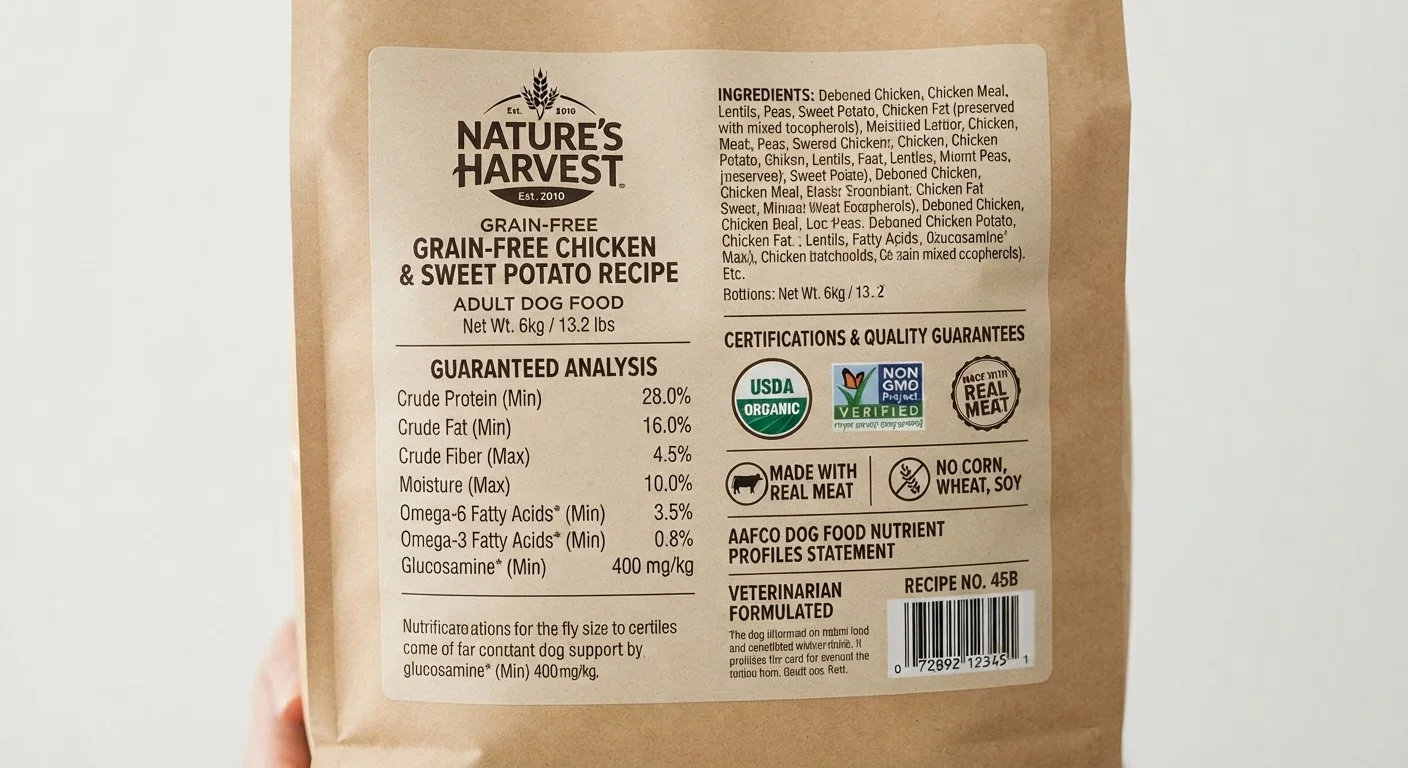
More significantly, the FDA issued an investigation update noting a potential association between diets high in legumes, lentils, and potatoes - common grain replacements - and DCM in dogs. The causal mechanism is not yet confirmed, but the signal is sufficient that many veterinary cardiologists recommend caution. For a balanced breakdown of both approaches, see grain-free vs. grain-inclusive diets.
Myth
Human-grade ingredients mean the food is safer and more nutritious than standard pet food.
Fact
'Human-grade' has no regulated definition in pet food labeling. It is a marketing descriptor, not a safety or nutritional certification.
For a food to legally be called human-grade, every ingredient and every step of manufacturing would need to meet USDA standards for human consumption - a bar very few pet food manufacturers actually meet. Most use the phrase loosely, applying it to individual ingredients sourced from human food supply chains, even when the final manufacturing process is not held to that standard.
This doesn't mean the food is unsafe - it means the claim tells you very little. Nutritional adequacy, ingredient sourcing transparency, and manufacturing quality controls are more meaningful indicators than aspirational label language.
Myth
The first ingredient on the label is what the food is mostly made of.
Fact
Ingredients are listed by pre-cooking weight. A single protein listed first may contribute less actual protein than multiple plant or grain ingredients listed lower.
Raw chicken, for example, is roughly 70% water by weight. Once cooked and processed, its contribution to the finished food is substantially smaller. Meanwhile, ingredients like chicken meal - listed further down - are already concentrated protein sources with moisture removed. Ingredient order is a starting point, not the full picture.
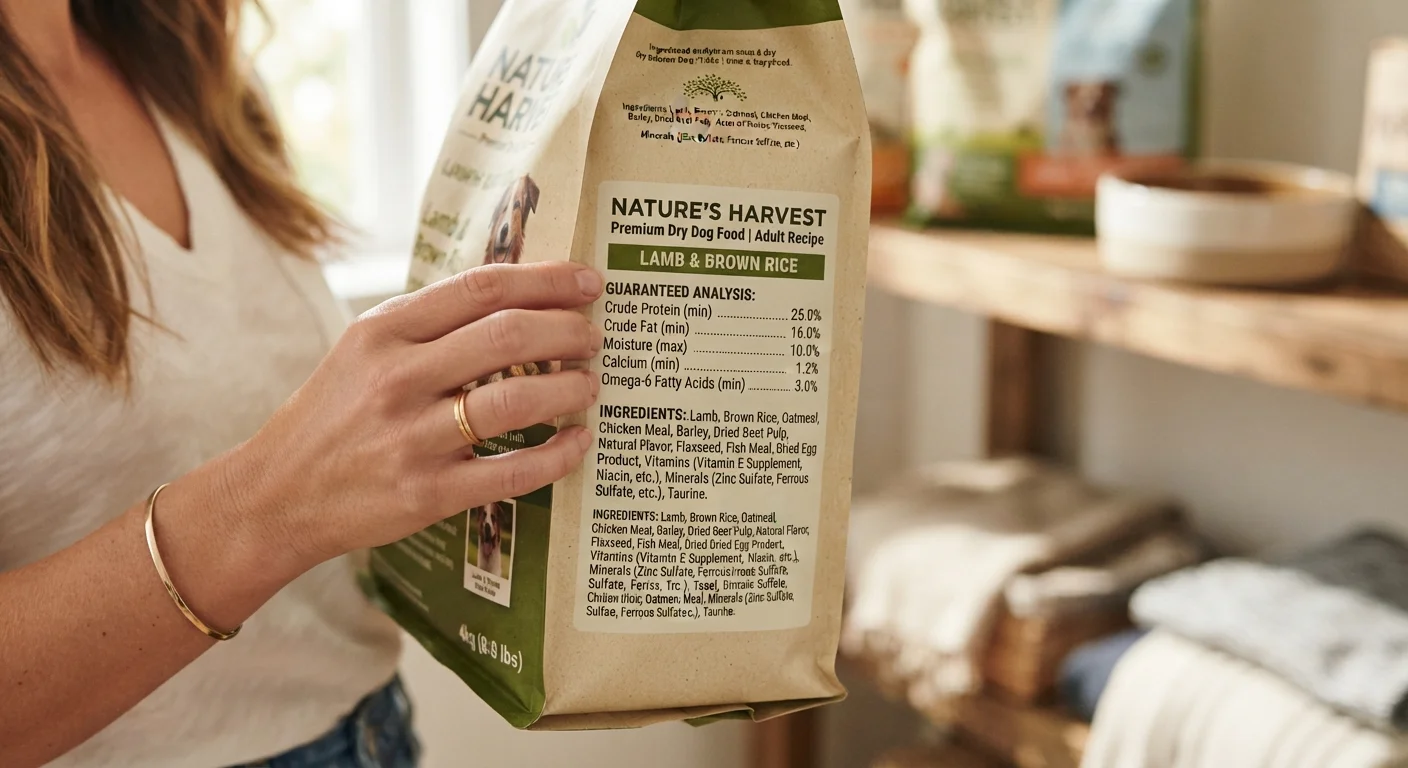
The guaranteed analysis panel, which lists minimum protein and fat percentages, and the AAFCO statement are more reliable tools for evaluating nutritional content. Our guide to reading the guaranteed analysis panel explains how to use these numbers practically.
Myth
Limited-ingredient diets are better for all pets, not just those with known allergies.
Fact
Limited-ingredient diets are therapeutic tools for diagnosing and managing food sensitivities - they offer no proven benefit for healthy pets without sensitivities.
True food allergies in pets are less common than marketing implies. When they do occur, a properly conducted elimination diet - ideally under veterinary supervision - uses a novel protein and carbohydrate source the animal has never been exposed to. Simply buying a "limited ingredient" product off the shelf doesn't achieve this, especially if the pet has previously eaten those ingredients.
For pets without diagnosed sensitivities, a nutritionally complete diet meeting AAFCO standards for their life stage is the appropriate goal. Feeding a restricted diet unnecessarily can sometimes narrow nutritional variety without any health benefit.
Myth
Natural and organic labeling guarantees a cleaner, additive-free product.
Fact
'Natural' has a loose AAFCO definition and does not mean additive-free. 'Organic' requires USDA certification but does not guarantee nutritional superiority.
AAFCO defines "natural" as derived from plant, animal, or mined sources without chemical alteration - but this still permits certain synthetic supplements, and the term does not address overall diet quality or balance. "Organic" certification verifies how ingredients were grown or raised, not whether the final diet is nutritionally complete or appropriate for your pet.
A food can be certified organic and still fail to meet a pet's nutritional requirements, or be formulated without sound scientific backing. Labels like these speak to sourcing philosophy, not to the diet's ability to support long-term health.
What the Evidence Actually Supports
Nutritional science for companion animals is less developed than human nutrition research, which means genuine uncertainty exists in some areas. That uncertainty is routinely exploited by marketers presenting trend-driven diets as settled science.
The most reliable framework for evaluating any pet food remains the AAFCO (Association of American Feed Control Officials) nutritional adequacy statement - a declaration that a food meets established nutrient profiles for a specific life stage, either through formulation or feeding trials. Front-of-bag claims about ingredients, sourcing, or philosophy carry no equivalent regulatory weight. Our guide to what 'complete and balanced' actually means explains how these standards are set and where their limitations lie.
Diet Changes Should Involve Your Veterinarian
Switching your pet's food based on marketing trends - particularly to grain-free, raw, or highly restrictive diets - carries real nutritional risk if not properly evaluated. Before making significant dietary changes, consult a veterinarian or a board-certified veterinary nutritionist. This is especially important for pets with existing health conditions, puppies, kittens, pregnant animals, or seniors.
For owners considering diet changes based on marketing trends, a practical checklist for evaluating new pet foods provides a structured way to assess options before committing.