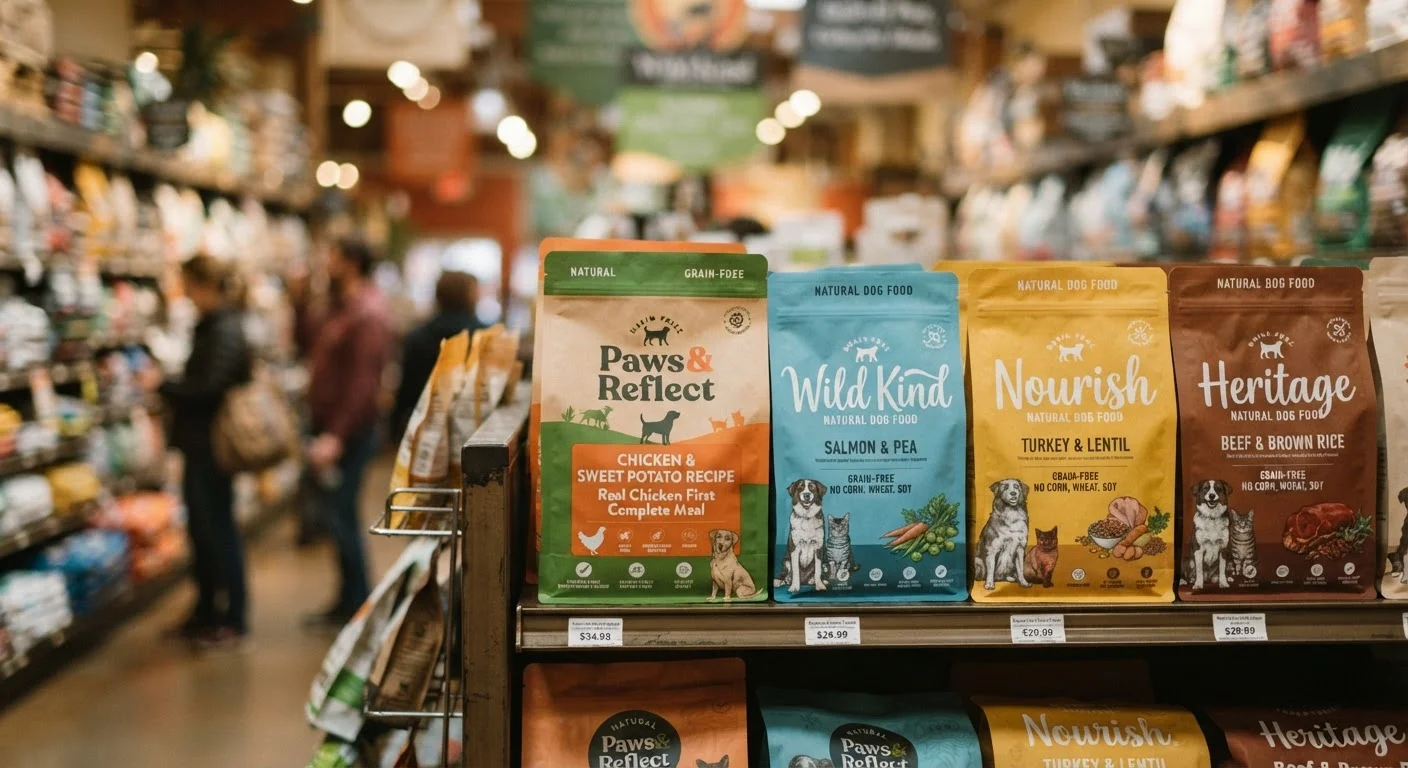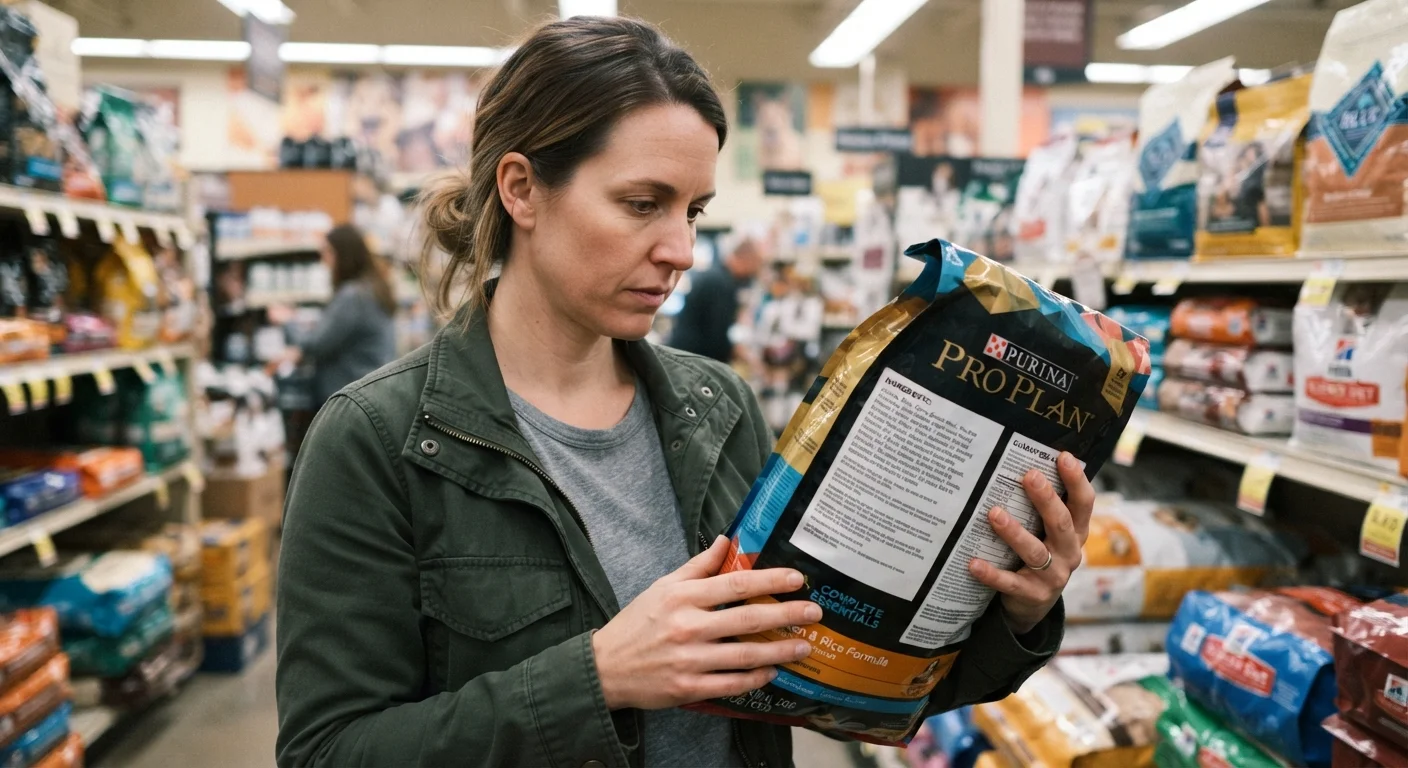

The Core Debate: What Each Approach Involves
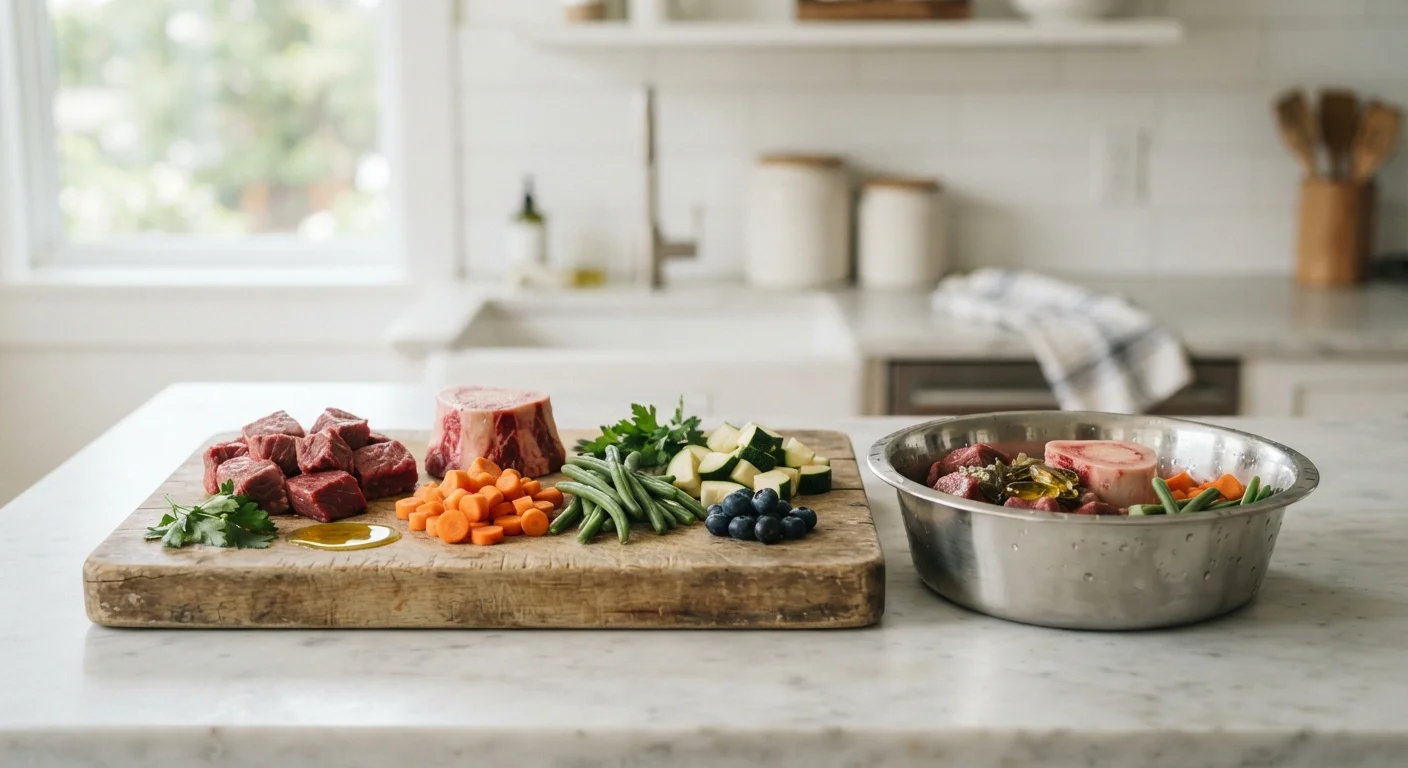
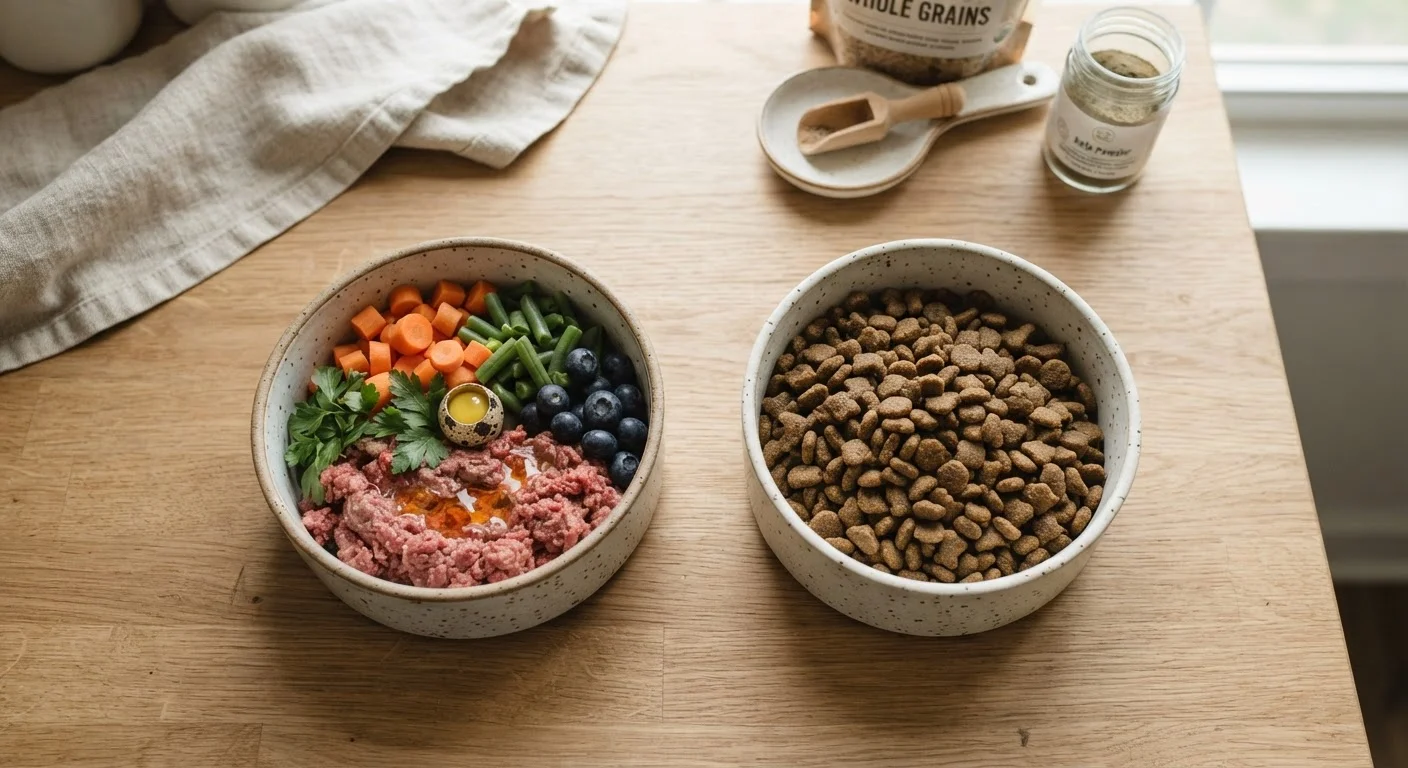
Raw diets - often called BARF or raw meat-based diets - typically consist of uncooked muscle meat, organ meat, raw meaty bones, and sometimes vegetables or supplements. They can be purchased as commercially prepared raw products (fresh or freeze-dried) or assembled at home. Commercially prepared pet foods, by contrast, undergo processing - including cooking or extrusion for kibble, and heat sterilization for canned foods - that affects both pathogen load and nutrient bioavailability.
The appeal of raw feeding often centers on the idea that it more closely resembles a pet's ancestral diet. Commercial pet food advocates point to the scientific formulation, quality control, and regulatory oversight that most raw diets lack. Understanding what each actually delivers - nutritionally and in terms of safety - requires looking past the marketing claims on both sides. See our guide to pet food marketing myths for a closer look at how labeling can mislead even careful owners.
| Raw Diet | Commercially Prepared Food | |
|---|---|---|
| Nutritional completeness | Variable; homemade versions often deficient | AAFCO-compliant options provide a verified baseline |
| Pathogen safety risk | Higher - Salmonella, Listeria, E. coli documented | Lower - cooking/processing reduces pathogen load |
| Regulatory oversight | Limited; no required nutrient testing | AAFCO and FDA oversight applies |
| Convenience | Time-intensive; strict handling required | Straightforward storage and serving |
| Cost | Often higher, especially quality commercial raw | Wide range; affordable options widely available |
| Evidence for claimed benefits | Largely anecdotal; limited clinical trials | Broader research base for formulated diets |
Nutritional Completeness: Where the Risks Lie
One of the most consistent findings in veterinary nutrition research is that homemade raw diets frequently fail to meet established nutrient profiles. Multiple studies have found that a significant proportion of raw diet recipes - including those published in books or online - contain deficiencies or imbalances in calcium, phosphorus, zinc, vitamin D, and other essential nutrients. These gaps may not cause obvious symptoms immediately but can lead to serious health problems over time, particularly in growing animals.
Commercially prepared foods that carry an AAFCO nutritional adequacy statement have either been formulated to meet AAFCO nutrient profiles or tested through feeding trials. This does not make every commercial product equally good, but it does provide a meaningful baseline assurance that homemade raw feeding lacks by default. Evaluating any new pet food carefully - whether raw or commercial - is a sound practice before committing to a long-term diet.
Ask for a Nutritional Review
If you're considering a raw diet, a consultation with a board-certified veterinary nutritionist can identify gaps before they become health problems. They can review specific recipes or commercially prepared raw products and recommend supplements where needed. This step is especially important for puppies, kittens, pregnant animals, and pets with chronic health conditions.
Food Safety: A Risk That Extends Beyond Your Pet
The FDA and the American Veterinary Medical Association (AVMA) have both issued guidance noting that raw meat-based diets pose a risk of contamination with pathogens including Salmonella, Listeria monocytogenes, and E. coli. Studies testing commercially available raw pet foods have repeatedly found contamination rates well above those seen in processed equivalents.
Critically, this risk is not limited to the pet. People in the household - particularly young children, the elderly, pregnant individuals, and anyone with a compromised immune system - can be exposed through contact with contaminated food, bowls, surfaces, and the pet itself (including its feces). This public health dimension is a primary reason why many veterinarians counsel caution, and why the AVMA's formal policy discourages raw feeding. For households without these vulnerability factors, the risk profile is different but not zero.
Household Contamination Is a Real Concern
Raw pet food preparation and serving can spread bacterial contamination to kitchen surfaces, utensils, and hands. The FDA recommends washing hands thoroughly after handling raw pet food, sanitizing all surfaces and bowls, and keeping raw pet food away from human food preparation areas. Households with immunocompromised members, infants, or elderly individuals should discuss this risk explicitly with both their veterinarian and, if relevant, a healthcare provider.
What the Veterinary Consensus Currently Reflects
The mainstream veterinary position - held by organizations including the AVMA and the American Animal Hospital Association - is one of caution toward raw diets, citing the food safety and nutritional completeness concerns above. This does not mean every veterinarian opposes raw feeding outright, and some board-certified veterinary nutritionists do work with owners who choose it. However, the current weight of professional guidance favors commercially prepared, nutritionally complete diets as the lower-risk default for most pets.
It's also worth noting that the evidence base for dramatic health claims made by raw diet proponents - shinier coats, improved digestion, reduced allergies - is largely anecdotal. Controlled clinical research directly comparing outcomes between raw-fed and commercially fed pets is limited, making definitive conclusions about long-term superiority difficult to support. For a deeper look at the dog-specific evidence, see what the evidence actually says about raw feeding for dogs.
Owners weighing a switch should also consider the nutritional trade-offs between dry and wet commercial options, and plan any dietary transition carefully to avoid digestive upset - see our guide on transitioning your pet to a new food for practical steps.
This article provides general information for educational purposes only and is not a substitute for professional veterinary advice. Always consult a licensed veterinarian or board-certified veterinary nutritionist before making significant changes to your pet's diet.