
What Is Raw Feeding, and Why Do People Choose It?
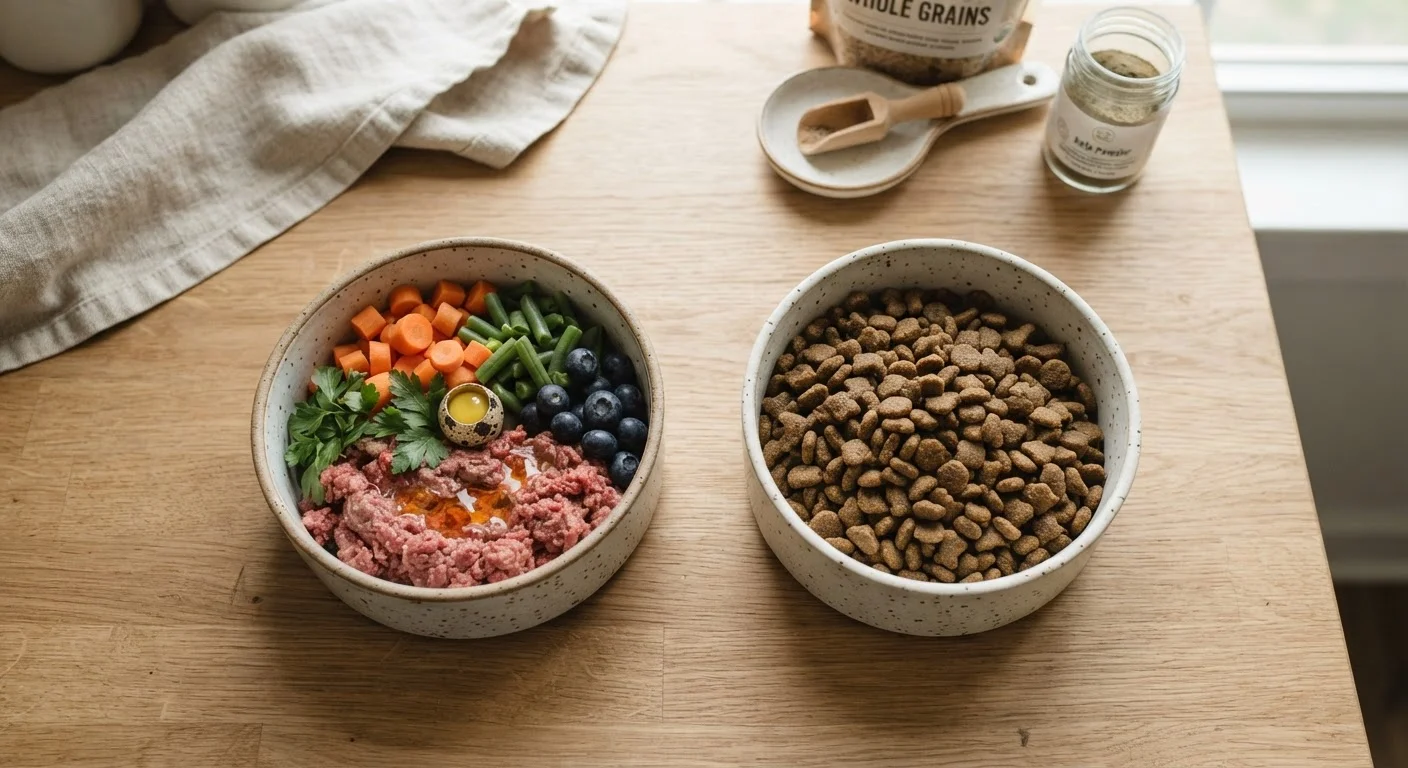
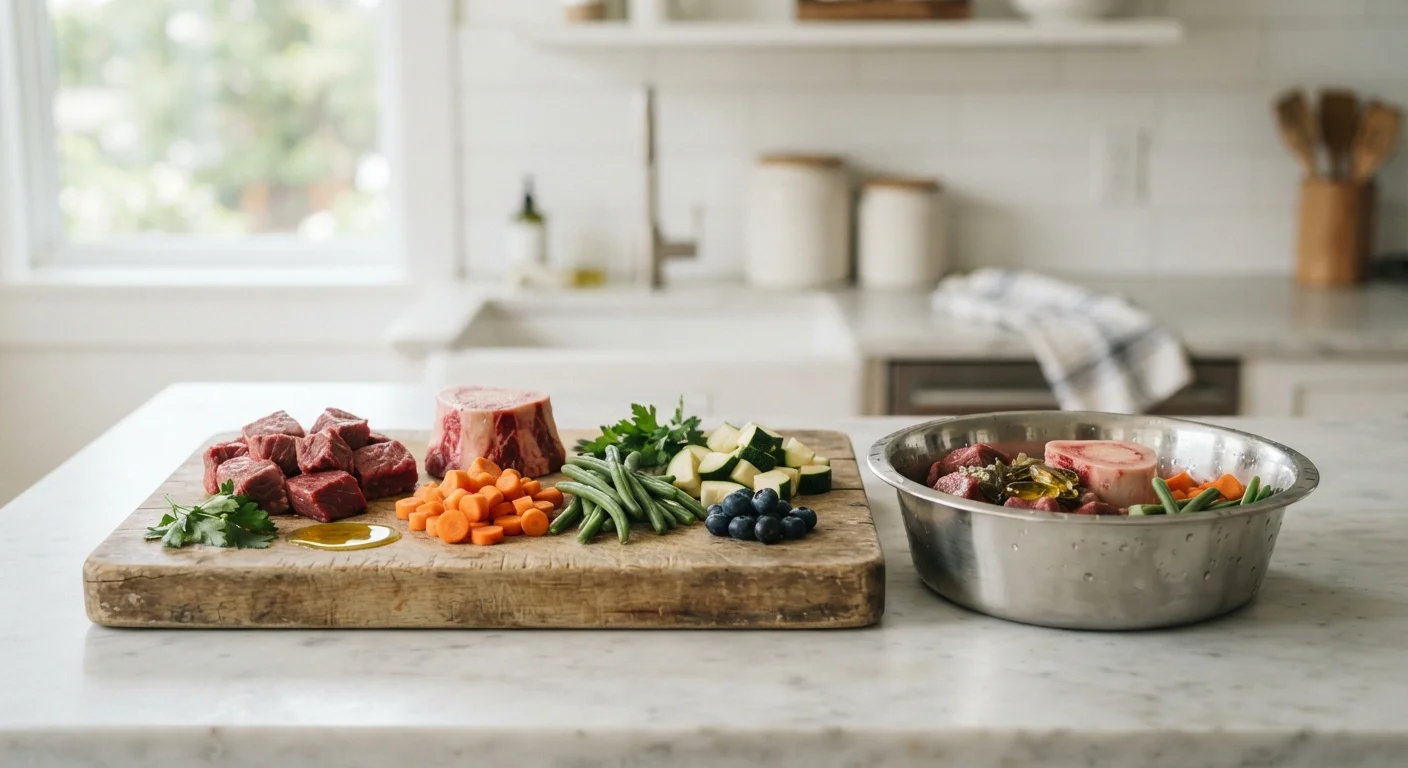
Raw feeding - sometimes called a BARF diet (Biologically Appropriate Raw Food or Bones and Raw Food) - involves feeding dogs uncooked muscle meat, organ meat, raw bones, and often fruits and vegetables. Proponents argue it more closely mirrors ancestral canine diets and avoids the processing involved in kibble manufacturing.
Interest typically stems from frustration with commercial food recalls, skepticism about ultra-processed ingredients, or a belief that whole-food diets promote shinier coats, better digestion, or reduced allergies. These motivations are understandable, but anecdote and social media enthusiasm are not the same as evidence. Before changing your dog's diet based on claimed benefits, it's worth examining what the research actually shows - and what it doesn't.
For a broader look at how dietary needs vary across a dog's lifespan, see Feeding Your Dog Through Every Life Stage.
The Case for Raw: What Proponents Cite
High-quality animal protein at the core
Raw diets typically feature whole, minimally processed animal proteins, which are highly digestible for dogs. Owners often report improved muscle condition in active dogs, though controlled studies are limited.
Useful option for some food-sensitive dogs
Limited-ingredient raw diets can help identify and eliminate trigger proteins in dogs with confirmed food sensitivities, under veterinary guidance.
Potential for better stool consistency
Some dog owners and veterinary anecdotes report smaller, firmer stools on raw diets, possibly due to higher digestibility and lower fiber content from fillers.
Avoids certain highly processed ingredients
Raw diets sidestep the high-heat extrusion process used in kibble production, which can degrade some heat-sensitive nutrients; however, dogs evolved to digest cooked food and most nutrients survive processing.
Supporters of raw feeding point to improved stool quality, coat condition, and dental health as commonly reported outcomes. Some dogs with documented food sensitivities appear to do better on limited-ingredient raw diets, though this is often attributable to the elimination of specific proteins rather than the rawness itself.
The argument that cooking destroys beneficial enzymes has some biochemical basis, though dogs produce their own digestive enzymes and are not reliant on dietary sources in the way this claim implies. The evidence base for most raw feeding claims remains largely observational and anecdotal.
The Documented Risks: What the Research Shows
Confirmed pathogen contamination risk
Multiple peer-reviewed studies have detected Salmonella, Listeria, and E. coli in commercial raw pet foods. These pathogens can shed asymptomatically through a dog's feces, creating ongoing household exposure risks.
Nutritional imbalance is common without expert formulation
Research shows that most homemade raw diet recipes available online fail to meet NRC or AAFCO nutrient profiles. Deficiencies in calcium, phosphorus, zinc, and fat-soluble vitamins can cause serious long-term harm.
Raw bones carry injury and obstruction risks
While proponents cite dental benefits, raw bones can fracture teeth, splinter in the gastrointestinal tract, or cause life-threatening obstructions requiring emergency surgery.
Higher risk for vulnerable dogs and people
Puppies, senior dogs, pregnant females, and immunocompromised dogs face significantly elevated risk from foodborne pathogens. Households with young children, pregnant individuals, or immunocompromised members should weigh risks carefully.
Inconsistent quality in commercial raw products
Not all commercial raw foods undergo rigorous high-pressure processing (HPP) to reduce pathogens, and AAFCO feeding trial data is sparse across the category. Label scrutiny is essential.
Higher cost and food-handling complexity
Raw feeding typically costs more than standard commercial diets and requires careful thawing, storage, and surface sanitation to minimize contamination risk - a meaningful burden for many households.
The risks associated with raw feeding are better documented than the benefits. Multiple studies - including research published in veterinary journals - have detected Salmonella, Listeria monocytogenes, and E. coli in commercially prepared raw pet foods. These pathogens pose risks not only to the dog but also to household members, particularly children, elderly individuals, and immunocompromised people.
Nutritional imbalance is another well-established concern. A 2011 study evaluating homemade raw diets found that the majority were deficient in essential nutrients, including calcium-to-phosphorus ratios that can contribute to skeletal problems in growing dogs. Raw bones, while appealing as a dental aid, also carry risks of fractures, gastrointestinal obstruction, and perforation.
Who Should Avoid Raw Feeding Entirely
Veterinary organizations including the American Veterinary Medical Association (AVMA) and the American Animal Hospital Association (AAHA) advise against raw protein diets for dogs that are immunocompromised, pregnant, very young, or elderly. Households with at-risk human members face parallel concerns. If any of these conditions apply, discuss safer alternatives with your veterinarian before considering a raw diet.
For a side-by-side evaluation of raw and commercial approaches, Raw Diets vs. Commercially Prepared Pet Food covers what veterinarians generally advise.
Nutritional Completeness: The Hardest Part to Get Right
A nutritionally complete raw diet is achievable, but it requires considerably more than assembling chicken thighs and leafy greens. Dogs have specific requirements for vitamins D and E, zinc, iodine, manganese, and balanced omega fatty acids, among others. Without precise formulation, deficiencies or toxicities accumulate silently over months.
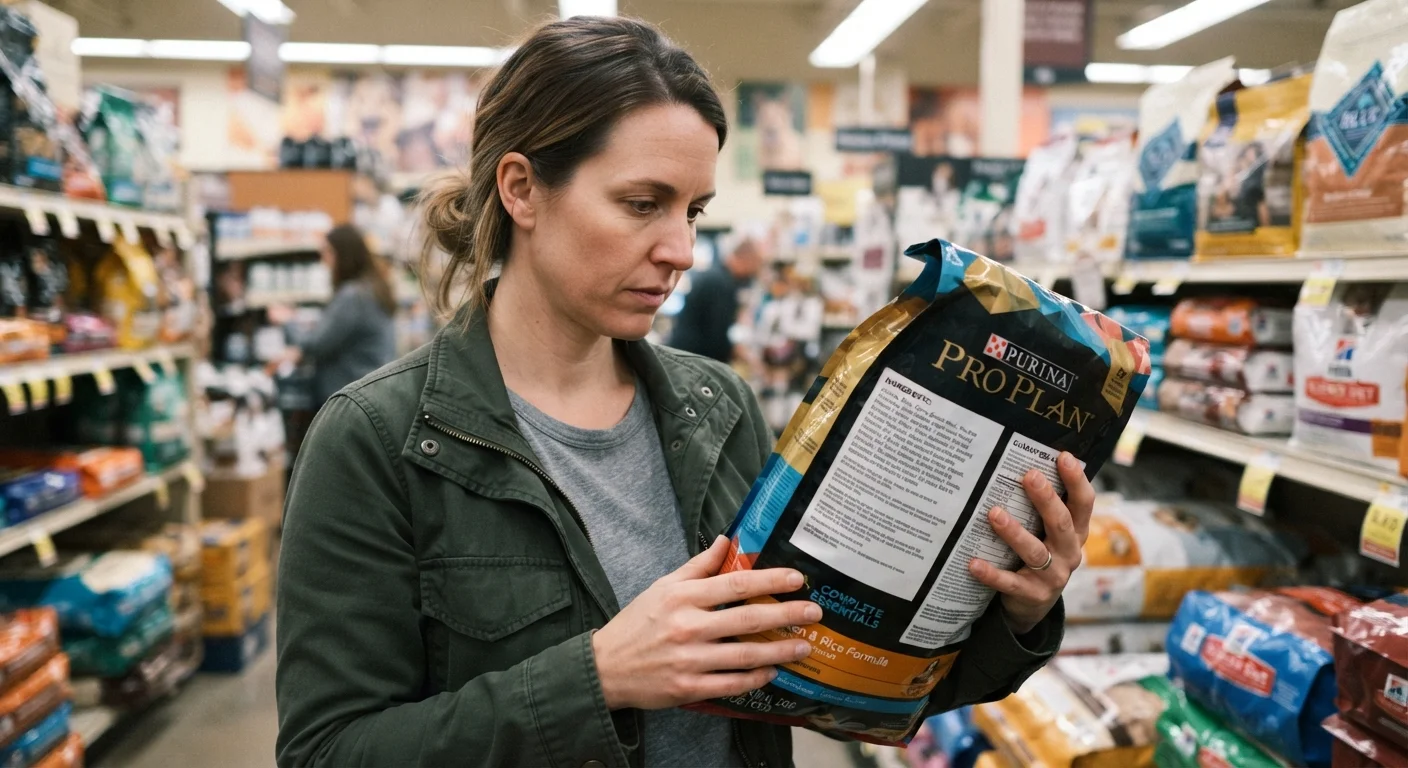
Commercial raw diets vary widely in quality. Some carry AAFCO (Association of American Feed Control Officials) nutritional adequacy statements based on feeding trials; many do not. When evaluating any new food - raw or otherwise - checking for that statement is a critical step. Evaluating a New Pet Food: A Practical Checklist walks through each key indicator.
86%
Homemade raw diets with nutritional deficiencies
A study published in the Journal of Nutritional Science (2011) found that the majority of evaluated homemade raw diets failed to meet established canine nutritional requirements.
~60%
Commercial raw foods testing positive for pathogens
Multiple studies reviewed in veterinary literature have found pathogen contamination rates in commercial raw pet food ranging from roughly 20% to over 60% depending on product type and testing methodology.
Owners interested in formulating a home-prepared raw diet should engage a board-certified veterinary nutritionist (Diplomate ACVN) rather than relying on generic online recipes. This is not an optional safeguard - it is the standard of care.
This article provides general educational information about pet nutrition and is not a substitute for individualized veterinary advice. Always consult a licensed veterinarian or board-certified veterinary nutritionist before making significant changes to your dog's diet.