
Choosing the Right Spot
Before you buy a single seed or plant, spend time observing your outdoor space across the course of a day. The most important variable in any garden is sunlight. Most vegetables, herbs, and flowering annuals require at least 6 hours of direct sun daily; fruiting crops like tomatoes and peppers perform best with closer to 8.
Walk your yard in the morning, midday, and late afternoon, noting which areas receive full sun, which are partially shaded, and which are in deep shade from buildings or large trees. Write it down - your memory will deceive you.
Beyond light, consider:
- Access to water: Locate your garden within reach of a hose or spigot. Carrying watering cans across a large yard quickly becomes a reason to skip watering days.
- Drainage: Avoid low-lying spots where water pools after rain. Waterlogged roots are a fast path to plant failure.
- Proximity to hazards: Keep edible gardens away from areas treated with herbicides, near old painted structures, or close to busy roads where soil contamination may be a concern.
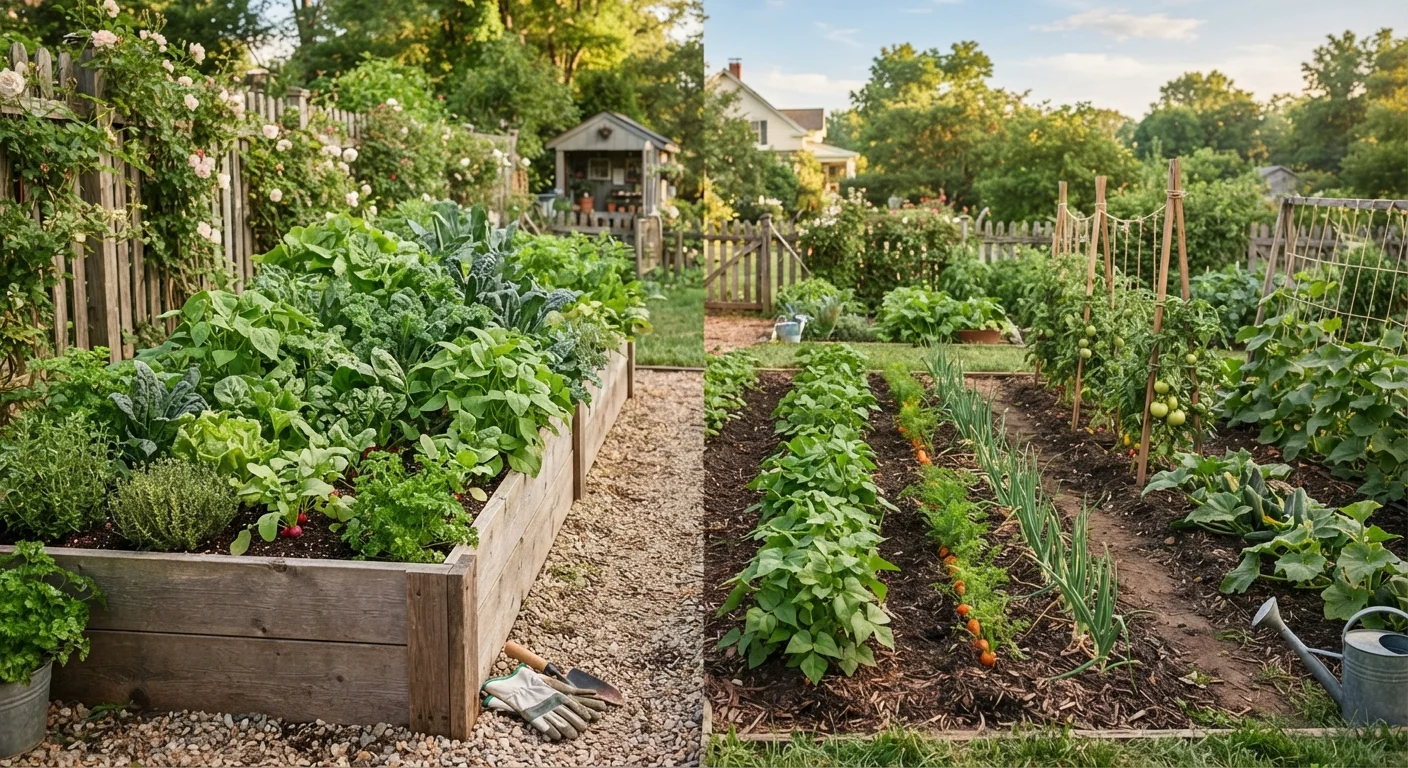
If your best sunny spot has poor native soil, don't be discouraged. See our guide on raised beds vs. in-ground planting to weigh your options before breaking ground.
Understanding Your Soil
Healthy soil is the foundation that everything else depends on. Many first-time gardeners focus on what to plant and underestimate what they're planting into. Soil that drains poorly, compacts easily, or lacks organic matter will limit even the most carefully chosen plants.
Loam
A soil type made up of a balanced mix of sand, silt, and clay. It drains well, retains moisture, and is generally considered the most productive soil for gardening.
Organic matter
Decomposed plant and animal material mixed into soil. It improves soil structure, feeds beneficial microbes, and helps soil hold both water and nutrients.
Hardiness zone
A geographic classification based on average annual minimum winter temperatures, used to determine which plants are likely to survive in a given area.
Compost
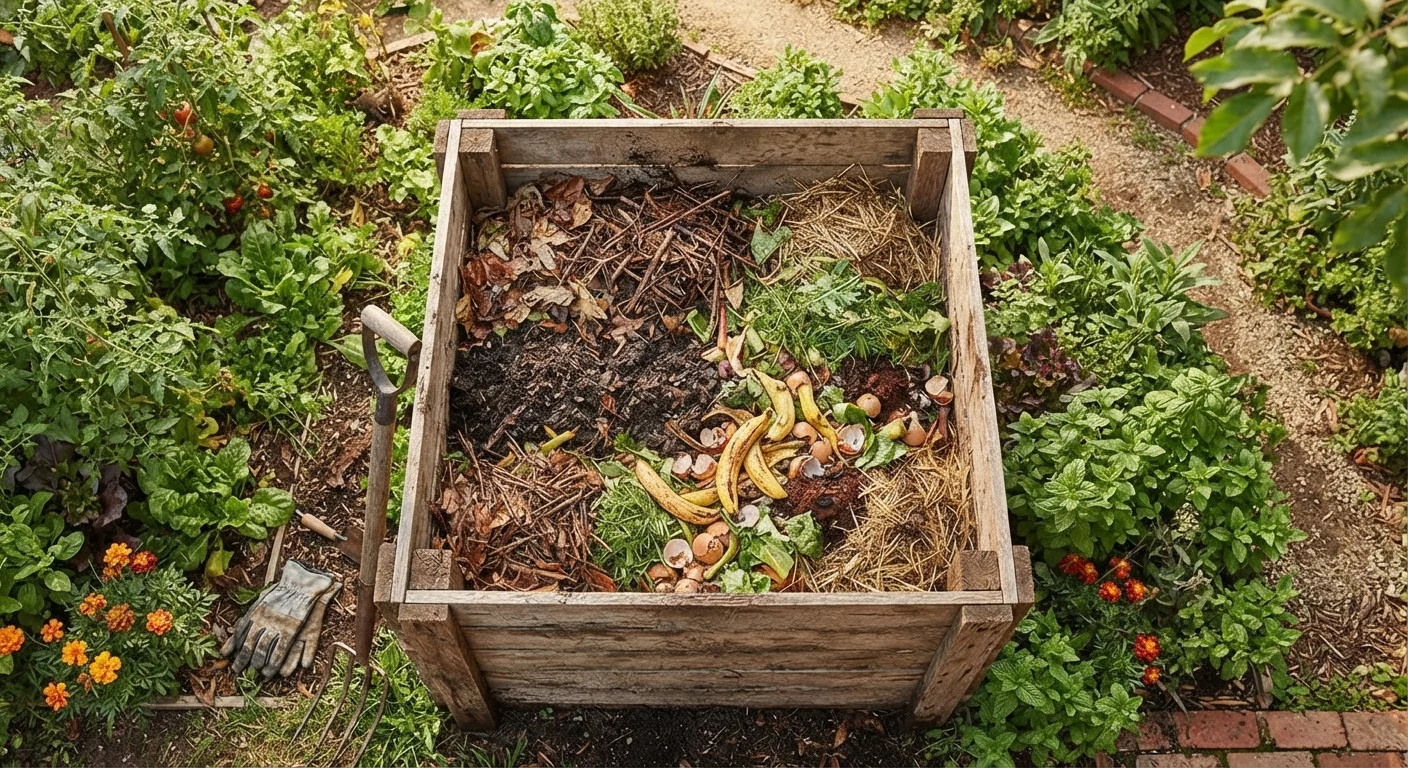
Decomposed organic material - such as food scraps and yard waste - that can be worked into garden soil to improve fertility and structure.
Transplant
A young plant that has been started in a container and is moved into the garden, as opposed to being grown directly from seed in the ground.
The quickest way to assess your soil is a simple physical test: take a handful of moist soil and squeeze it firmly. If it holds its shape when you open your hand but crumbles when you poke it, you likely have reasonably good loam. If it stays in a sticky lump, your soil has high clay content. If it falls apart immediately, it may be too sandy to retain water and nutrients.
For most home gardens, working 2-3 inches of compost into the top 8-10 inches of soil before planting makes a measurable improvement in structure, drainage, and fertility. You can make your own over time - our guide on composting at home explains how to turn kitchen scraps into garden-ready material.
If you want a precise nutrient picture, inexpensive soil test kits are available through garden centers and university cooperative extension services. Testing is especially worthwhile if you're establishing a larger plot or have reason to suspect contamination.
Planning Your Layout and Plant Selection
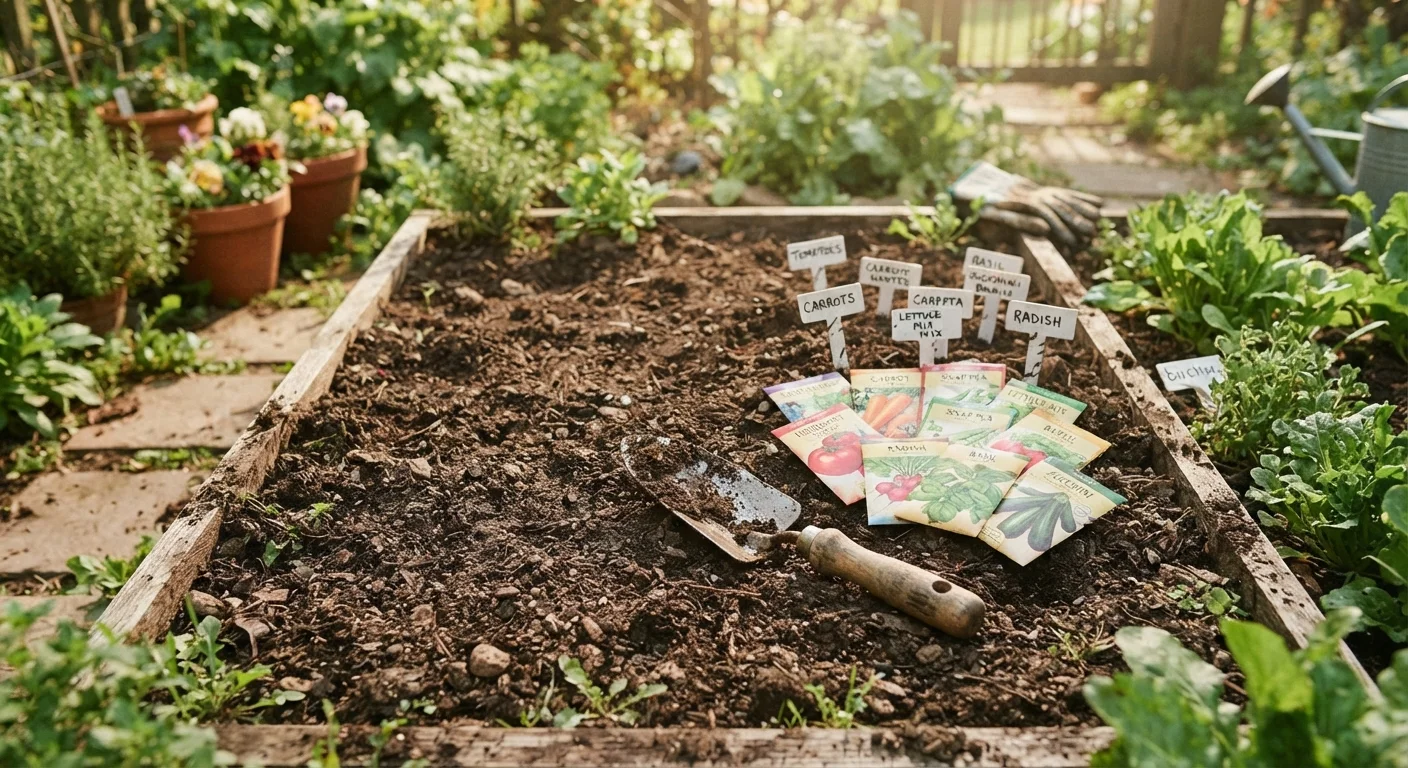
Resist the urge to plant everything at once. A focused, well-spaced first garden will outperform a crowded, ambitious one nearly every time. Start with a plot size you can realistically maintain - a 4×8-foot bed or equivalent is a solid benchmark for year one.
When choosing plants, prioritize what you'll actually use and what suits your climate zone. The USDA Plant Hardiness Zone Map is a practical reference for understanding which plants are viable in your region and when your last frost date typically falls.
A few principles for laying out your garden:
- Tall plants to the north: In the Northern Hemisphere, place taller crops (like corn or staked tomatoes) on the north side of the bed so they don't shade shorter neighbors.
- Respect spacing requirements: Crowded plants compete for water, nutrients, and light. Seed packets and plant tags list spacing for a reason - follow them.
- Group by water needs: Clustering plants with similar watering requirements together makes irrigation much simpler.
For new growers deciding between raised beds and in-ground planting, our article on which garden setup suits you walks through the real trade-offs in practical terms.
Start With Forgiving Crops
If you're new to gardening, choose plants with a reputation for reliability: zucchini, bush beans, lettuce, and marigolds are all low-fuss and rewarding for beginners. Building confidence with easy wins makes it much more likely you'll stick with the hobby and gradually expand your range.
Watering Fundamentals
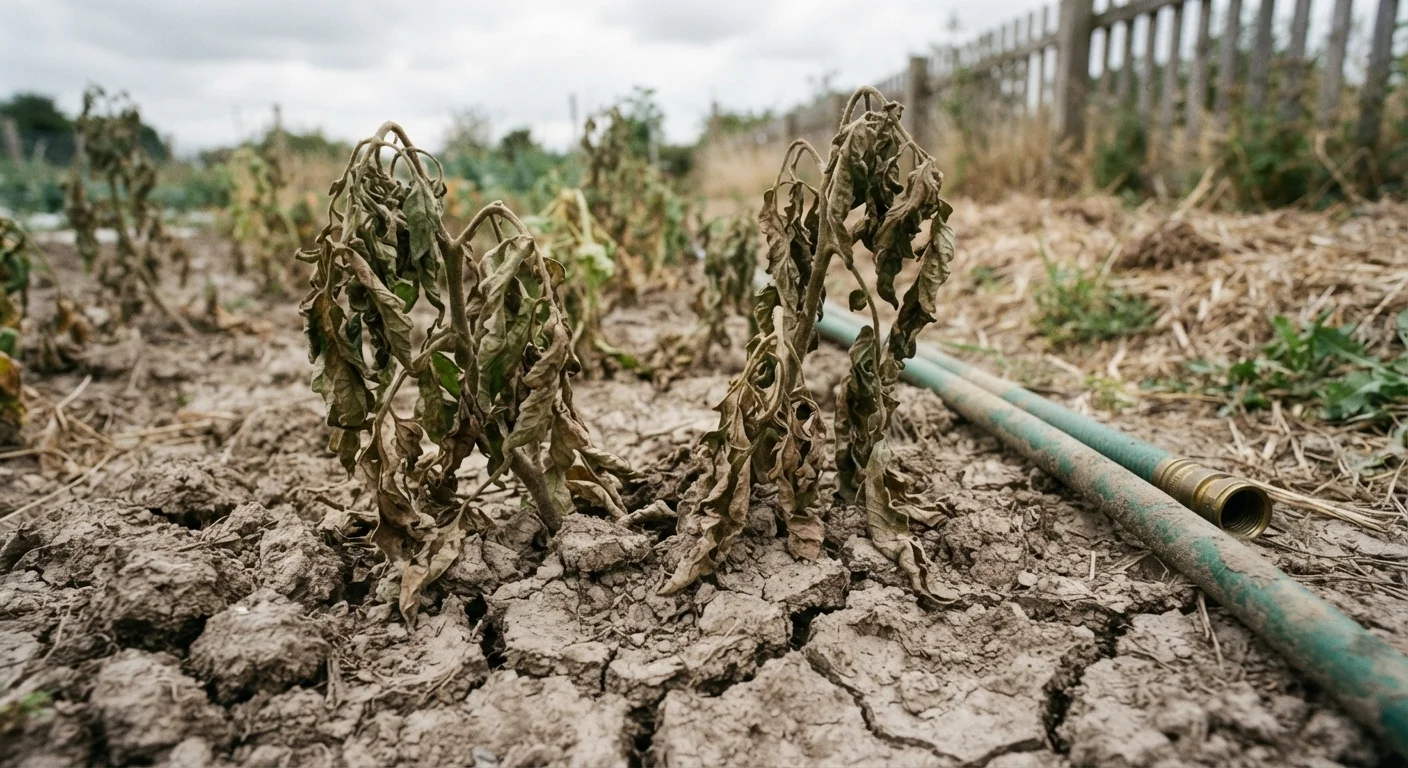
Watering is where many beginners make their most costly mistakes - and the errors tend to go in both directions. Overwatering is as damaging as underwatering, often more so, because it deprives roots of oxygen and encourages fungal disease.
The core principle to remember: water deeply and less frequently rather than a little every day. Deep watering encourages roots to grow downward in search of moisture, making plants more drought-tolerant over time. Shallow daily watering keeps roots near the surface, where they're vulnerable to heat stress and drying out quickly.
A practical rule for most established garden plants is to aim for about 1 inch of water per week, factoring in rainfall. Check soil moisture by pressing your finger 1-2 inches into the ground; if it's still moist at that depth, hold off on watering. If it's dry, water thoroughly.
Morning is the best time to water - foliage has time to dry before evening, which reduces disease risk. Avoid watering in the heat of the day when evaporation is highest. For a deeper look at how watering patterns affect plant health, see the watering habits that quietly kill garden plants.
Keeping It Low-Maintenance From Day One
The most sustainable gardens are designed with maintenance in mind from the start - not retrofitted later when the work piles up. Two practices in particular deliver outsized returns for the effort involved: mulching and seasonal planning.
Mulching your beds with 2-3 inches of organic material (wood chips, straw, or shredded leaves) after planting suppresses weeds, retains soil moisture, and moderates soil temperature. It's one of the highest-leverage tasks in gardening. Our guide on mulching your garden beds the right way covers material choices and application technique in detail.
Seasonal planning ensures you're not reacting to your garden but working with its natural rhythms. Different times of year call for different tasks - from soil preparation in early spring to cutting back and protecting plants before winter. Consulting a seasonal garden maintenance calendar early on helps you stay ahead of the curve rather than constantly catching up.
Finally, keep notes. Record what you planted, where, when, and how it performed. A simple notebook or phone note becomes an invaluable reference for your second season, letting you build on what worked and avoid repeating what didn't.
Don't Skip Permit Research for Structural Features
If your garden plans include raised beds with footings, retaining walls, irrigation tied to your home's plumbing, or any electrical lighting, check with your local municipality before starting work. Some structural and utility-connected garden features may require permits or inspections. Rules vary significantly by locality, so verify requirements with your local building or planning department.