
Spring: Wake the Garden Up Right
Spring is when preparation pays off. As soil temperatures climb above 50°F, roots activate and early weeds emerge - so timing matters.
March-April
- Prune: Cut back ornamental grasses before new shoots appear. Remove dead wood from shrubs and roses once you can see new buds forming.
- Feed: Apply a balanced slow-release fertilizer to beds once the ground is no longer frozen.
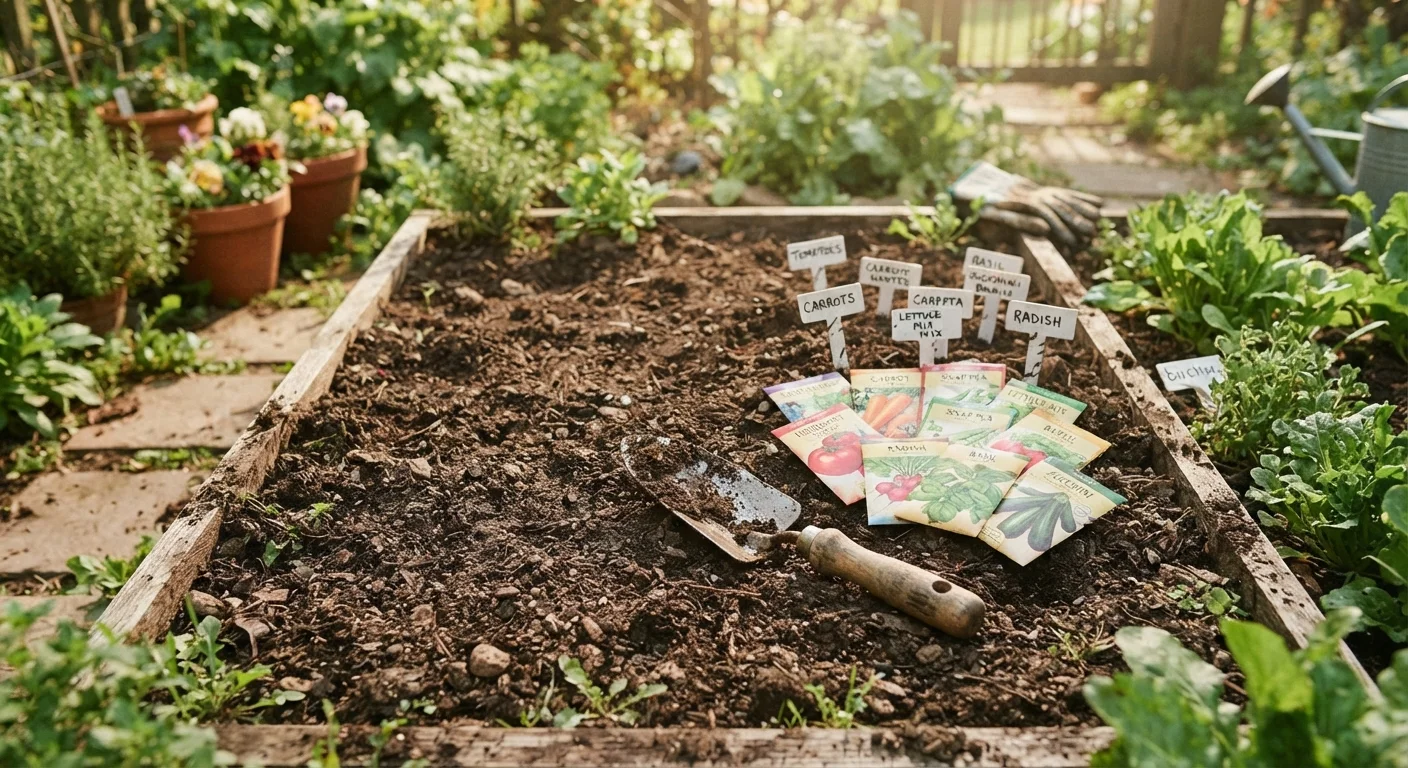
- Plant: Start cool-season crops indoors - tomatoes, peppers, and basil. Direct-sow peas and lettuce once the last frost date passes for your region.
- Protect: Cover vulnerable seedlings with row fabric on nights below 34°F.
May
- Divide overgrown perennials such as hostas and daylilies before foliage matures fully.
- Top-dress beds with 2-3 inches of compost to suppress weeds and retain moisture.
- Inspect irrigation lines and soaker hoses for winter damage before relying on them.
If you're building from the ground up, see our guide for new growers for soil prep and planting basics.
Summer: Maintain Momentum
Summer maintenance is less about planting and more about sustaining - watering efficiently, deadheading to extend bloom, and staying ahead of pests before they establish.
June-July
- Water: Water deeply and infrequently - roughly 1 inch per week - early in the morning to reduce evaporation and fungal risk.
- Deadhead: Remove spent flowers from annuals and repeat-blooming perennials to keep production strong.
- Feed: Side-dress vegetables with a nitrogen-rich fertilizer every 3-4 weeks during peak growth.
- Weed: Pull weeds before they set seed; a hand hoe makes quick work of small seedlings after light rain.
August
- Prune back sprawling summer perennials by about one-third to encourage a fall flush of blooms.
- Watch for aphids and spider mites - dislodge them with a firm spray of water before reaching for treatments.
- Begin planning which annuals will transition out in autumn. For a longer view on annual-versus-perennial tradeoffs, read our planting comparison.
Autumn: Put the Garden to Bed Strategically
Autumn tasks done well make spring far easier. The goal is to protect soil structure, remove disease vectors, and set up overwintering plants for success.
Deadheading
The practice of removing spent or faded flowers from a plant. It redirects energy from seed production into new blooms, extending a plant's flowering period.
Top-dressing
Spreading a thin layer of compost, mulch, or other material over the soil surface without digging it in. It feeds soil organisms and suppresses weeds over time.
Hardiness zone
A USDA-defined geographic map zone based on average annual minimum winter temperatures. It helps gardeners identify which plants are likely to survive winter in their area.
Overwintering
Protecting plants, bulbs, or other organisms through the cold months so they survive to grow again in spring. Techniques vary from mulching in-ground plants to lifting and storing tender bulbs indoors.
Crop rotation
Moving vegetable families to different beds each year to reduce soil-borne disease buildup and manage nutrient depletion. Most vegetable gardeners rotate on a three- to four-year cycle.
September-October
- Plant: Fall is the best time to plant trees, shrubs, and spring-blooming bulbs (tulips, daffodils, alliums). Roots establish in warm soil before the ground freezes.
- Cut back: Remove annuals after the first hard frost. Leave seed heads on ornamental grasses and echinacea for overwintering wildlife.
- Lawn care: Aerate compacted lawn areas and overseed bare patches; fall moisture helps seeds germinate without summer heat stress.
November
- Apply 3-4 inches of shredded leaf mulch over perennial beds to insulate roots.
- Lift and store tender bulbs (dahlias, cannas) in a cool, dry space once foliage blackens.
- Clean and oil all hand tools before storage to prevent rust over winter.
For a thorough pre-winter checklist, our end-of-season wind-down guide walks through every step.
Winter: Plan and Protect
Winter is the lowest-labor season, but it's not without tasks - especially in USDA hardiness zones 6 and below where hard freezes are common.
December-February
- Protect: Wrap young trees and newly planted evergreens in burlap to guard against windburn and deer browse.
- Monitor: Check stored bulbs monthly for rot or shriveling; remove any affected ones immediately.
- Plan: Review last season's notes. Sketch plant placements, order seed catalogs, and map crop rotations for vegetable beds.
- Prune (limited): Late winter - typically February - is the right time to prune fruit trees and late-blooming shrubs like butterfly bush while they're fully dormant.
Winter is also the season to review your hardscape. Our deck maintenance guide covers inspection and repair tasks for decks and outdoor structures before spring arrives. Similarly, seasonal preparation applies beyond the garden - see seasonal car maintenance for a parallel checklist approach to winter readiness.
Keeping a simple garden journal - noting what thrived, what failed, and when you made each intervention - compounds into one of the most valuable reference tools you'll own.