
Why a Methodical Wind-Down Pays Off
Most garden problems that appear in spring - weak plants, pest flare-ups, waterlogged beds - trace back to autumn tasks that were rushed or skipped. A deliberate, room-by-room approach to closing down your outdoor space breaks an otherwise overwhelming job into manageable chunks and sets a clean baseline for next year.
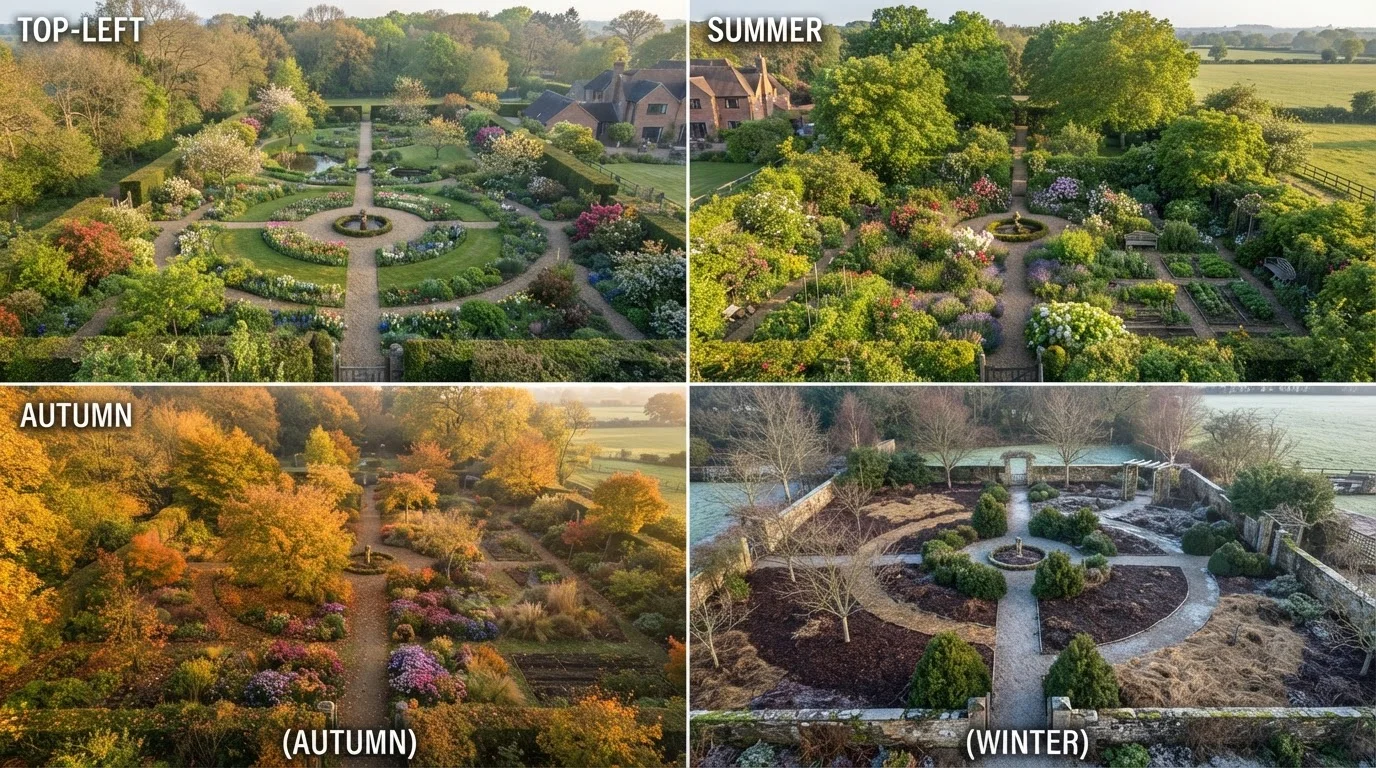
This checklist covers five core areas: beds and borders, lawn care, bulb and plant storage, tools and irrigation, and structures. Work through each group in sequence, or tackle whichever sections apply to your garden type. Cross-referencing a seasonal garden maintenance calendar alongside this list can help you slot tasks into the right weeks as temperatures drop.
Don't Compost Diseased Plant Material
Home compost piles rarely reach the sustained temperatures needed to kill pathogens like powdery mildew, black spot, or clubroot. Plants showing obvious signs of disease should go into a sealed bag for municipal green-waste collection or the trash - not your backyard pile. Putting diseased material in compost is one of the fastest ways to spread problems across your entire garden next season.
What You'll Need
Before you start, gather the right equipment so you're not making repeated trips to the shed. The tools below cover the full checklist - not every item applies to every garden.
Garden fork and spade
Loosening compacted soil, lifting root vegetables, and turning compost.
Hand pruners and loppers
Cutting back perennials, deadheading shrubs, and removing dead woody stems.
Leaf rake
Clearing fallen leaves from lawn and beds to prevent smothering and disease.
Wheelbarrow or garden cart
Transporting debris, mulch, and compost material around the garden efficiently.
Metal file or whetstone
Sharpening spade edges and hoe blades before winter storage.
Breathable storage bags or cardboard boxes
Storing lifted tender bulbs with dry medium over winter without rotting.
Linseed oil or mineral oil
Protecting metal tool surfaces and wooden handles from rust and cracking during storage.
Core aerator (manual or rental)
Relieving lawn compaction before winter so drainage improves over cold months.
The Full Wind-Down Checklist
Work through the groups below in order. Items marked must are non-negotiable for most temperate US climates; should items are strongly recommended; nice-to-have items are optional enhancements worth doing when time allows.
Beds and Borders
Lawn Care
Bulbs and Plant Storage
Tools and Irrigation
Structures and Garden Features
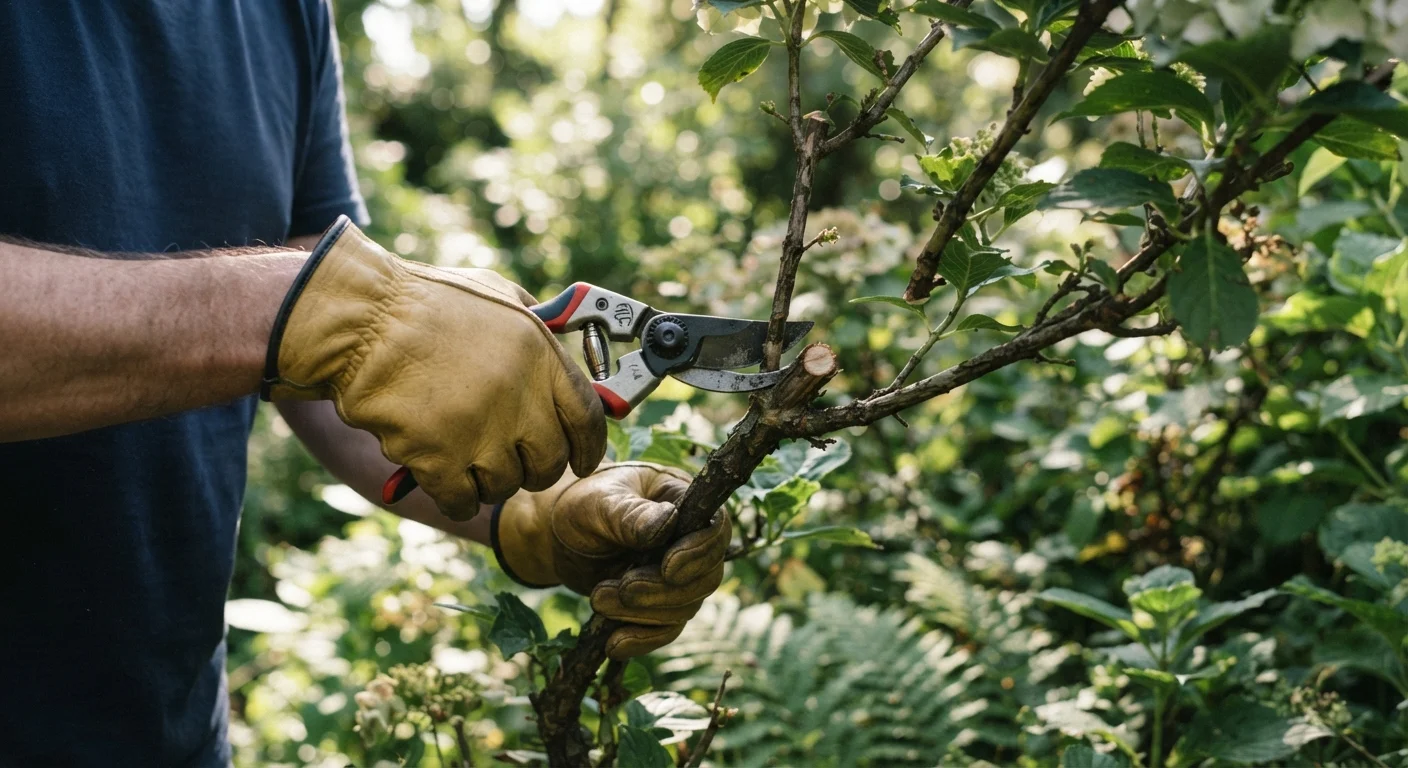
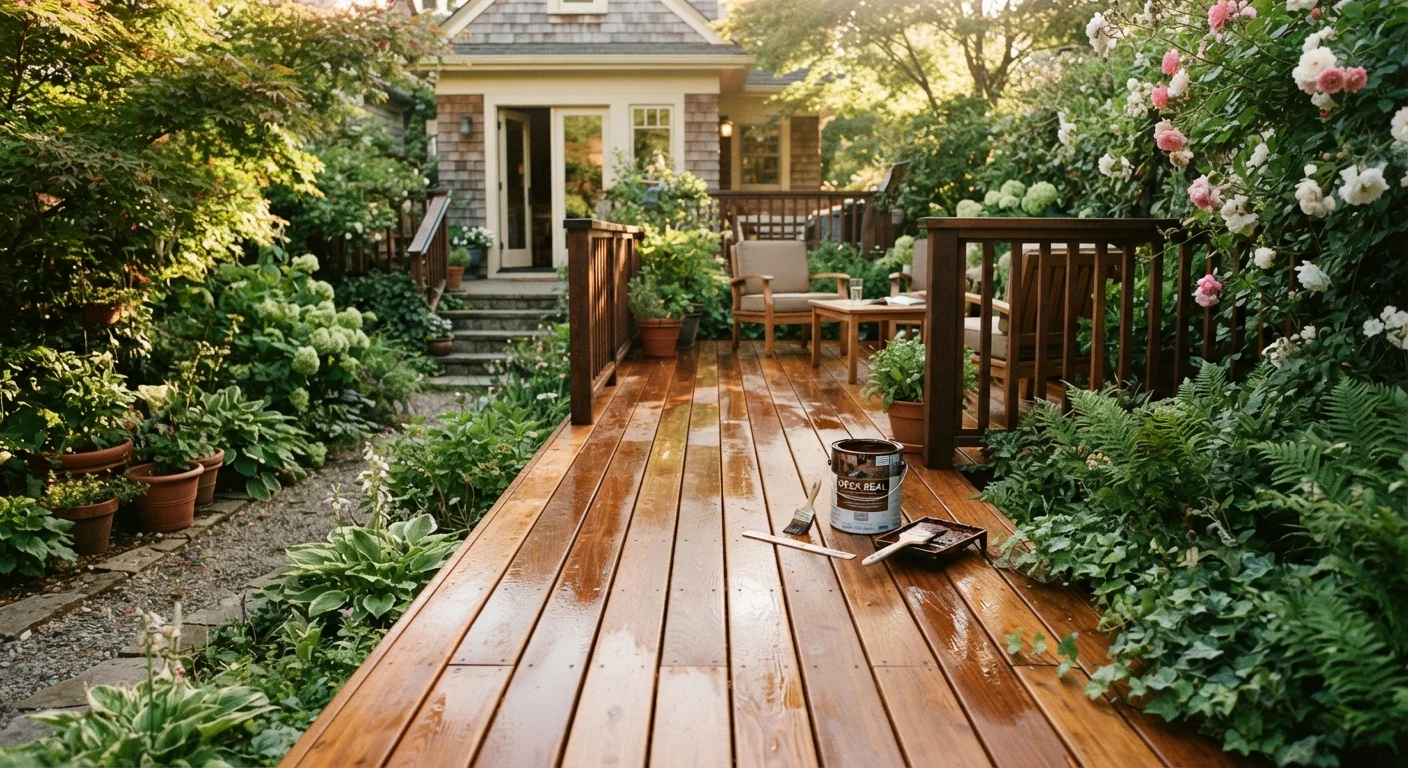
For shrubs that need shaping before dormancy, our guide to pruning woody shrubs walks through timing and technique in detail. And if your deck borders the garden, check the deck maintenance through the seasons guide - it shares several overlapping autumn tasks like hardware inspection and surface sealing.
Shut Off Irrigation Before First Hard Freeze
Water left in underground irrigation lines can freeze, expand, and crack pipes or fittings - repairs can be costly and may require excavation. Turn off the water supply to your system at the shutoff valve and drain or blow out all lines before nighttime temperatures consistently drop below 32°F. If your system is complex or you're unfamiliar with the process, hiring a licensed irrigation technician for a seasonal blowout is a worthwhile investment.
Putting Garden Waste to Work
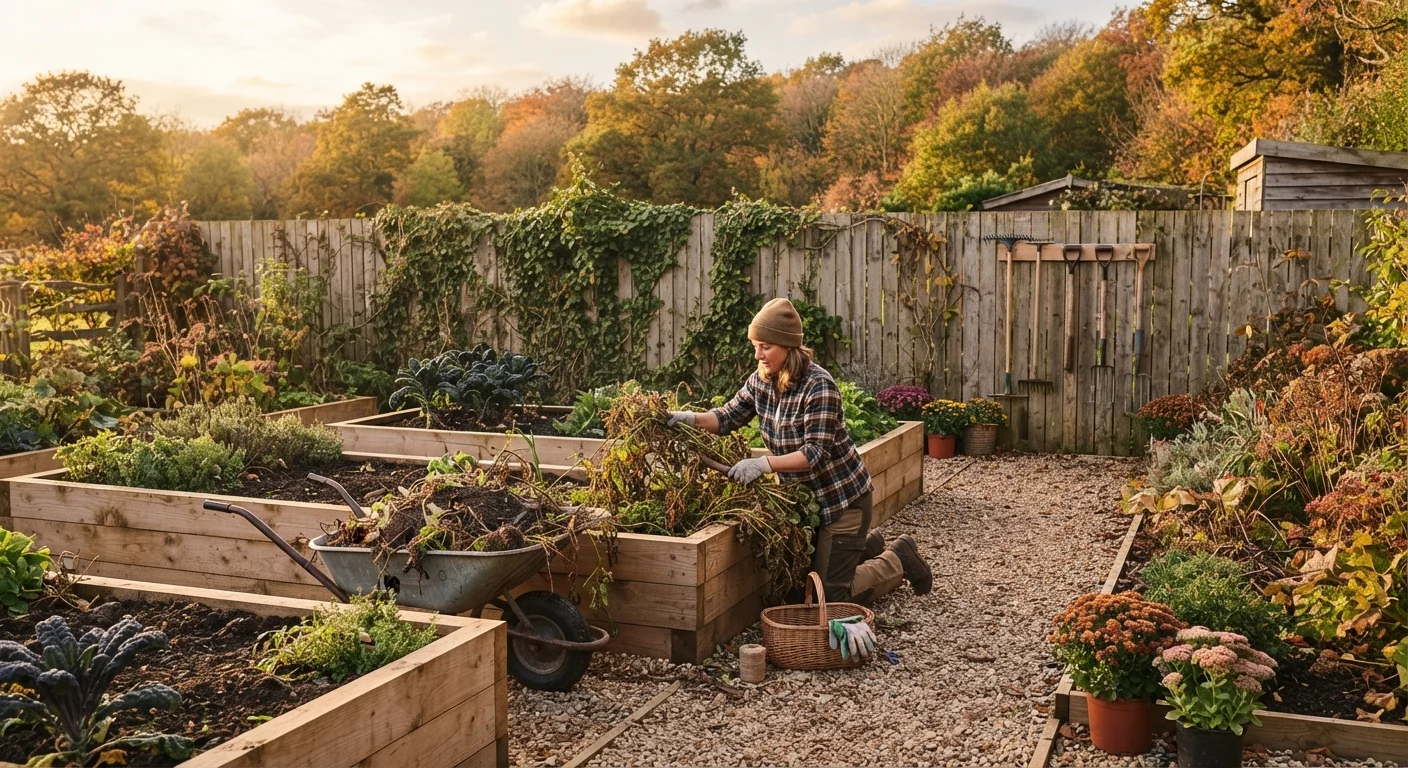
Resist the urge to bag everything for the kerb. Healthy, disease-free plant debris - stems, spent annuals, non-seeding weeds - can go straight into a compost pile rather than the trash. Compost built from autumn garden material is typically ready to amend beds the following autumn, giving you a free soil amendment. Our guide on composting at home covers how to layer brown and green material for fast, odor-free breakdown.
Do not compost anything showing signs of disease (powdery mildew, black spot, rust) or plants that have gone to seed and could self-propagate as weeds. Those go into municipal green-waste bins or the trash.
Once the checklist is complete, take five minutes to jot notes in a garden journal or phone note: what performed well, what struggled, any pest hot spots. That single habit is one of the most valuable things you can do for next year's planning.