
Understanding the Core Difference
The terms perennial and annual describe a plant's life cycle - and that cycle shapes everything from your planting schedule to your yearly garden budget.
Annuals complete their entire life - germination, flowering, seed production, and death - within a single growing season. Plants like marigolds, zinnias, and impatiens fall into this category. They tend to bloom prolifically because their biological mission is to flower and set seed before the season ends.
Perennials live for three or more years. Their above-ground growth typically dies back in winter, but the root system survives and regenerates each spring. Coneflowers, daylilies, and black-eyed Susans are familiar examples. A third category, biennials (such as foxglove), complete their cycle over two years - worth knowing, though they're less central to everyday garden planning.
If you're just getting started, our guide to starting a garden from scratch covers soil preparation and site selection before you commit to any plant type.
Cost and Long-Term Value
Initial price tags can be misleading. Annual seedlings or seed packets are often inexpensive, but you're buying them every year. Perennial plants - especially those purchased as potted starts - typically cost more upfront. The trade-off is that a healthy perennial clump can persist for a decade or more, and many species can be divided every few years to multiply your stock for free.
3-5 years
Typical perennial payback period vs. annuals
Most horticulture extension resources suggest perennials become cost-effective relative to annuals within three to five growing seasons, assuming normal establishment rates.
~$3-$8
Typical annual transplant cost per plant
Retail nursery pricing for common annual starts varies by region and species; growing from seed can reduce this cost significantly.
A practical approach: invest in perennials for the structural, recurring elements of your beds and supplement with annuals for seasonal color. Over three to five years, a perennial-dominant bed generally costs less to maintain than one replanted entirely with annuals each spring - though this depends heavily on plant selection and local climate.
Keep in mind that perennials often underperform visually in their first year as they establish root systems. Gardeners sometimes describe this as the "sleep, creep, leap" pattern - year one the plant sleeps, year two it creeps, year three it leaps with full growth. Filling gaps with annuals during those early years is a common and effective strategy.
Maintenance and Effort Over the Season
Both plant types require attention, but the nature of that work differs significantly.
- Annuals need replanting each season, which creates predictable labor in spring. Once in the ground, many annuals reward regular deadheading (removing spent blooms) with extended flowering. They're also more forgiving of gaps in your design - you simply buy different varieties next year.
- Perennials require less replanting but more seasonal management: dividing overcrowded clumps, cutting back dormant growth in fall or early spring, and monitoring for pests that overwinter in the same spot year after year.
For gardeners who prefer structured, seasonal tasks over open-ended daily upkeep, a seasonal garden maintenance calendar can help you plan perennial care around natural growth cycles.
Fill First-Year Gaps with Annuals
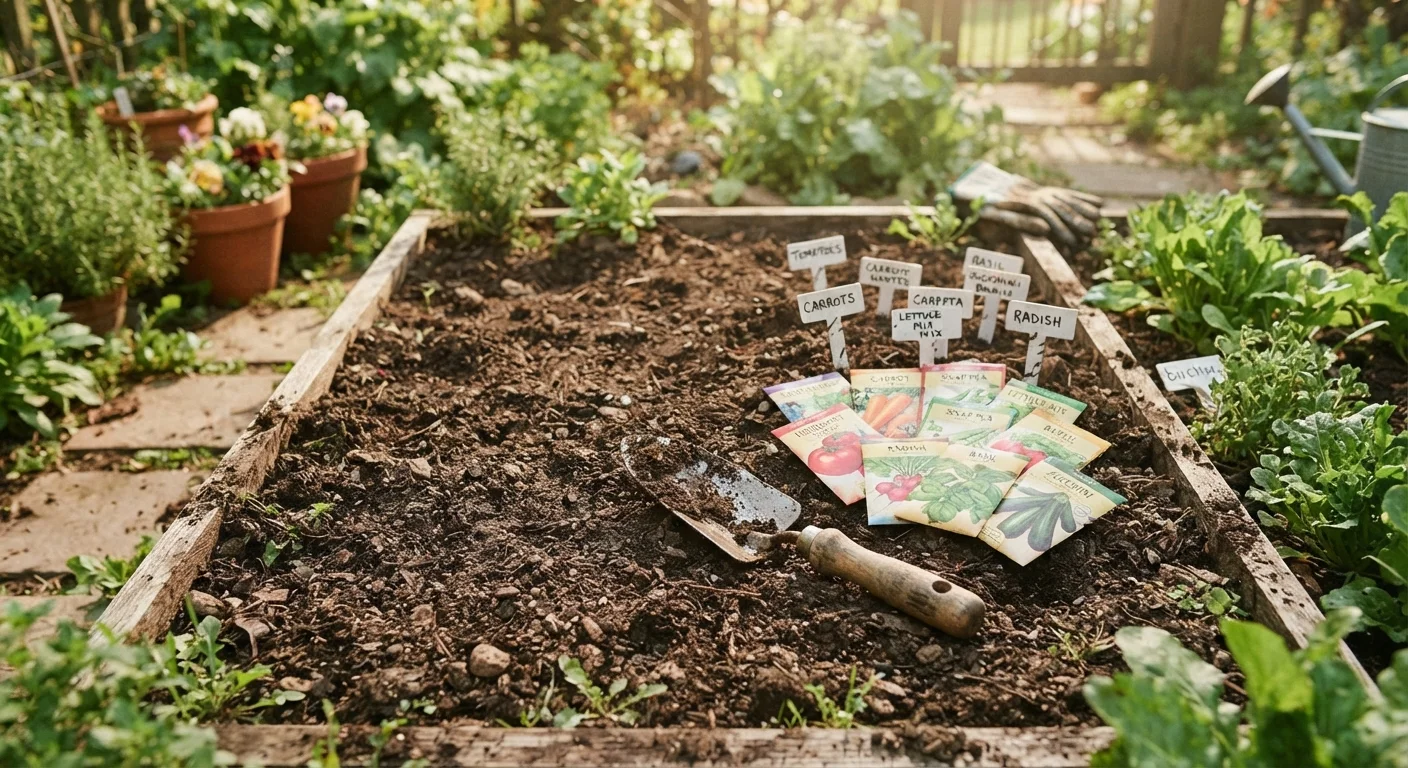
Newly planted perennials often look sparse in their first season as they prioritize root development over top growth. Planting fast-growing annuals in the same bed fills the visual gaps without competing significantly for resources. This approach keeps your garden looking intentional while your perennials establish - and you'll naturally phase out the annuals as the perennials fill in over subsequent years.
Annuals are generally easier for complete beginners because mistakes don't carry over to next year. Perennials reward those willing to learn plant-specific care habits.
Visual Impact and Design Flexibility
Annuals consistently outperform perennials on sheer flowering duration. Many bloom from late spring until the first frost, delivering months of continuous color. This makes them particularly effective for containers, window boxes, and high-visibility spots near entryways.
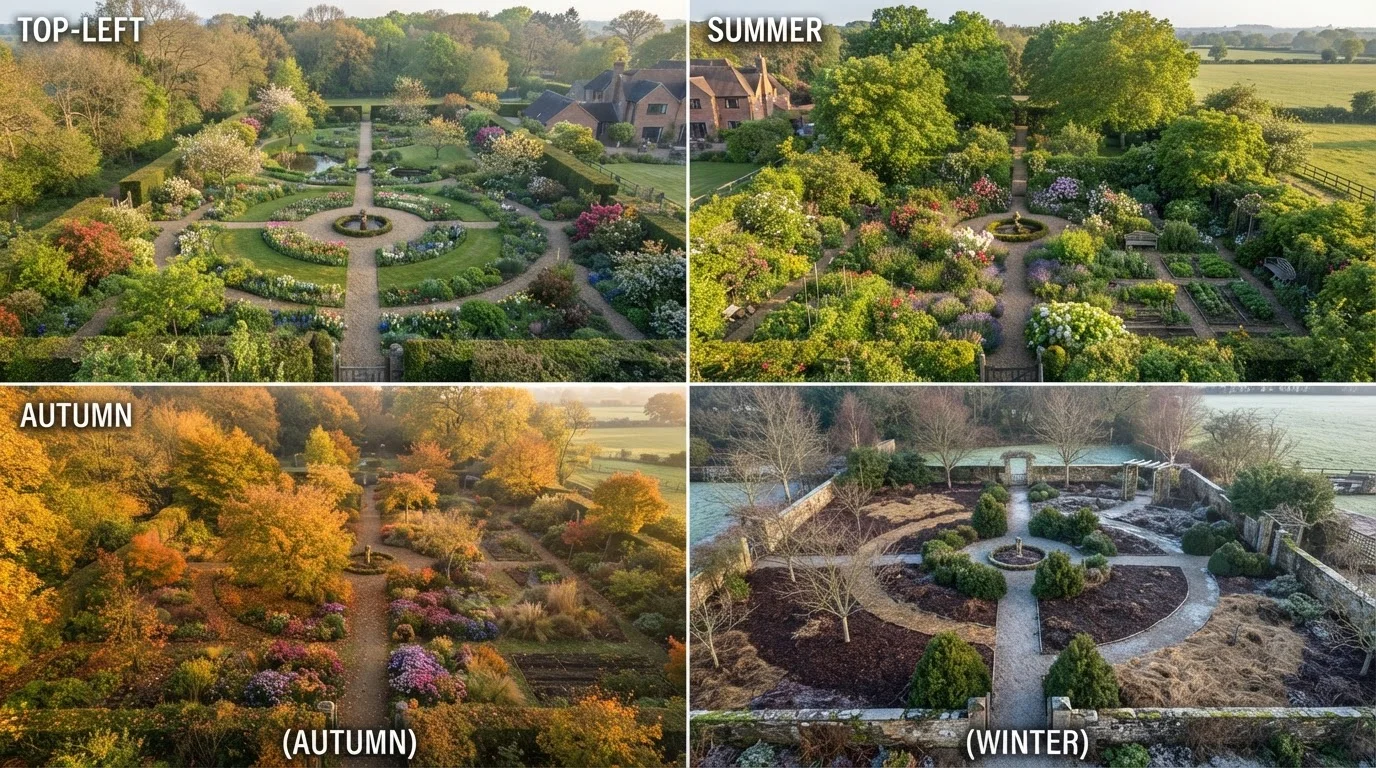
Perennials offer something different: seasonal rhythm and architectural interest. A well-designed perennial border changes texture and color as the season progresses - spring bulbs give way to summer coneflowers, which are followed by fall asters. The garden tells a story across months rather than maintaining a static display.
| Perennials | Annuals | |
|---|---|---|
| Lifespan | 3+ years from a single planting | One growing season only |
| Upfront cost | Higher per plant | Lower per plant or packet |
| Long-term cost | Lower - no annual repurchase | Higher - replanted every year |
| Bloom duration | Weeks to months, season-specific | Often spring through first frost |
| Design flexibility | Fixed layout; redesign requires digging | Easy to change scheme each year |
| Maintenance type | Dividing, cutting back, monitoring | Replanting, deadheading, watering |
| Beginner-friendliness | Moderate - requires learning species needs | High - mistakes reset each season |
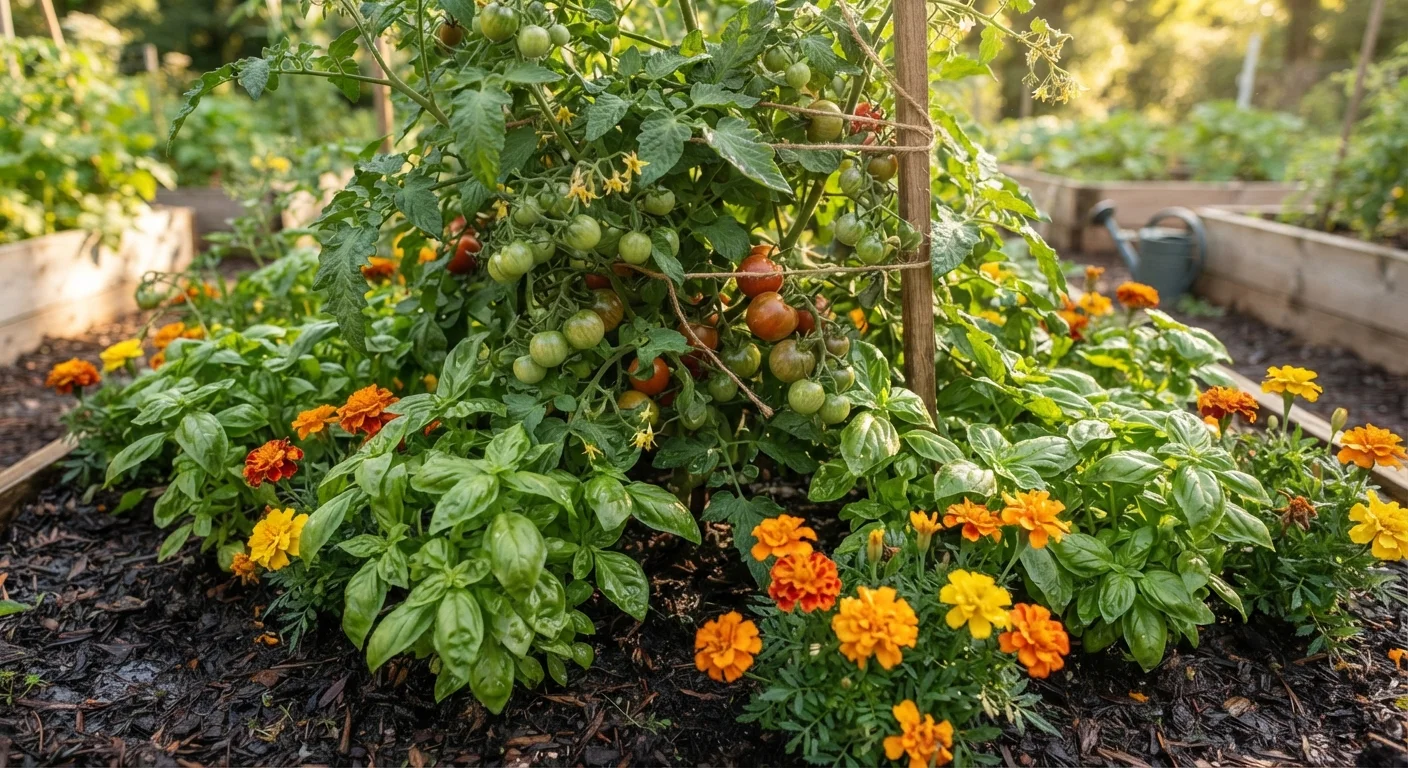
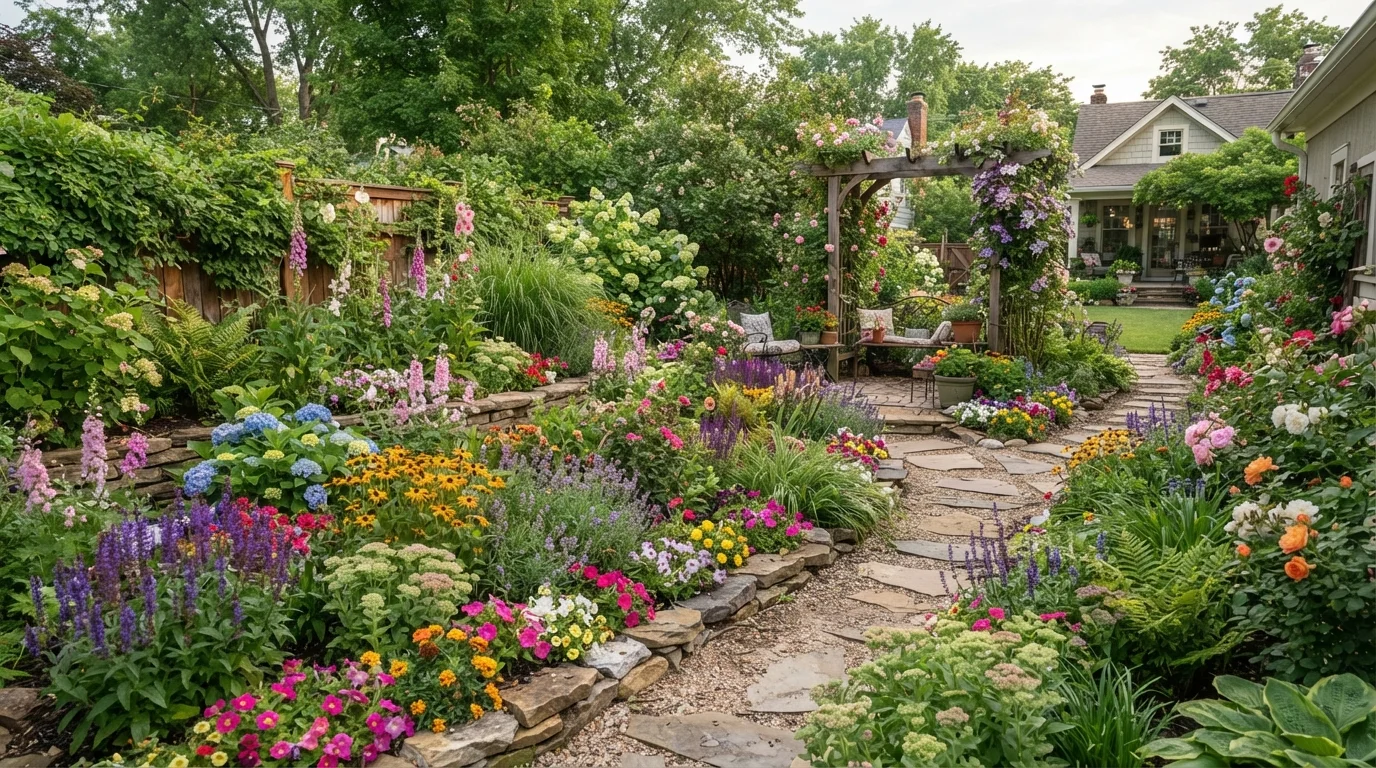
Combining both types gives you the best of both worlds. A common design approach places perennials in the back or middle of a bed to provide height and repetition, with annuals filling the foreground and any seasonal gaps. Companion planting principles can also guide which varieties thrive when placed near each other, regardless of their life cycle category.
Building a Garden That Works Year After Year
The most resilient home gardens tend to use a deliberate ratio of both plant types. A useful starting point: aim for roughly 60-70% perennials as a stable foundation and 30-40% annuals for seasonal flexibility. Adjust this ratio based on your priorities - more annuals if you enjoy frequent redesigns, more perennials if you want reduced replanting effort.
A few practical principles for combining them effectively:
- Plan for bloom succession. Map out when each perennial peaks so you don't end up with everything flowering at once and then nothing for months.
- Use annuals to bridge gaps. Newly planted perennials leave space in beds. Annuals fill those gaps while the perennials establish themselves.
- Consider ground coverage. Low-growing perennial ground covers can suppress weeds between taller plants. Ground cover plants that suppress weeds without chemicals are worth exploring for this purpose.
- Match plants to your conditions. A perennial that struggles in your soil or climate zone will underperform regardless of its theoretical advantages. Local extension service resources and plant tags are reliable starting points for zone compatibility.
Whether you're working in raised beds or in-ground plots, these decisions integrate directly with your overall garden layout. Raised beds vs. in-ground planting each have implications for how perennials overwinter and how easily you can rotate annuals seasonally.