
What Companion Planting Actually Means
Companion planting is the practice of growing different plant species in close proximity, with the goal of one or both plants benefiting from the arrangement. Benefits can include natural pest deterrence, improved pollination, better use of space, or soil enrichment. It's a legitimate horticultural strategy - but it's also one of the most myth-laden corners of home gardening.
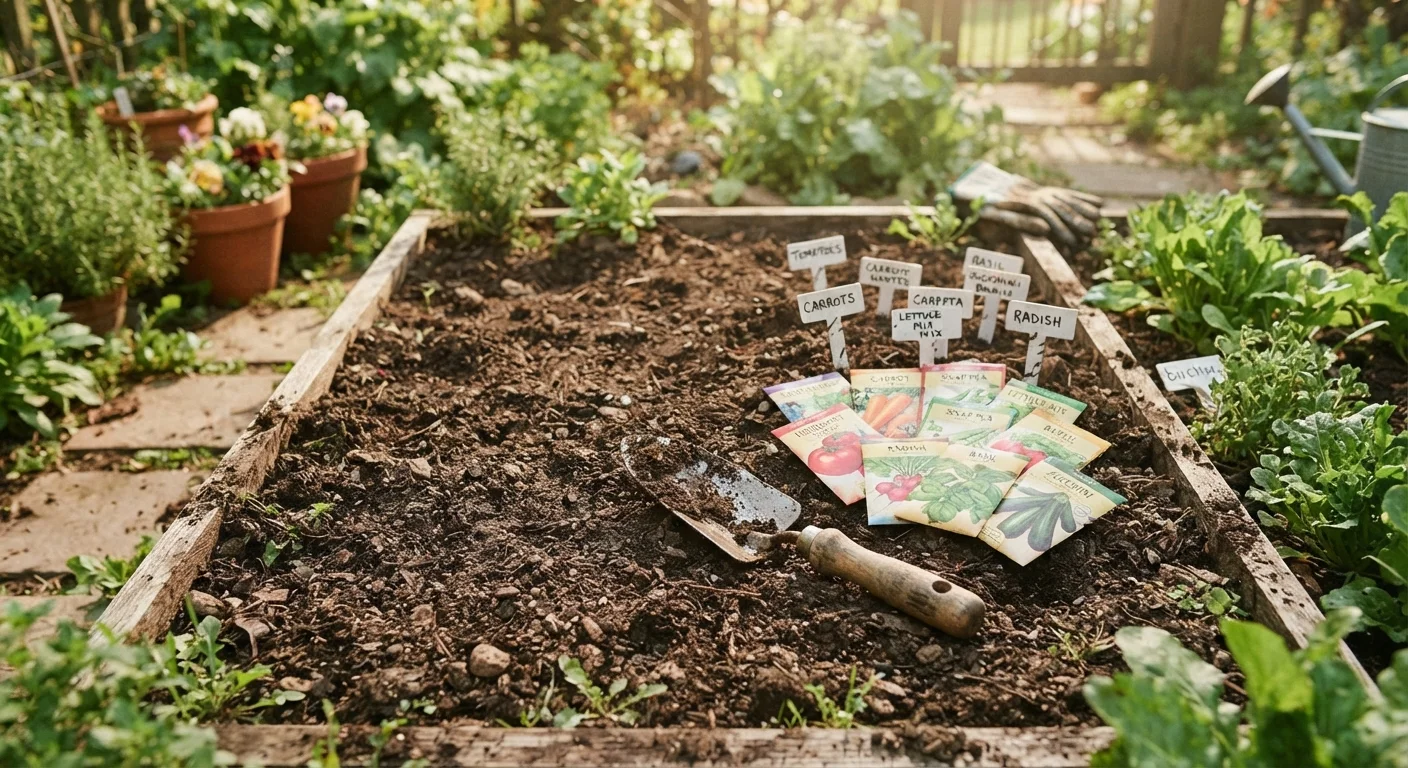
Before committing rows of your garden to a specific pairing, it's worth distinguishing between pairings with documented evidence and those that have simply traveled through gardening culture for generations. If you're just getting started, our guide for new growers covers the foundational decisions you'll want to get right first - soil, sun, and spacing - before layering in companion strategies.
Myth
Planting basil next to tomatoes will repel pests and dramatically improve tomato flavor.
Fact
There is limited scientific evidence that basil deters tomato pests or improves flavor; however, basil is a practical companion for space efficiency and pollinator attraction.
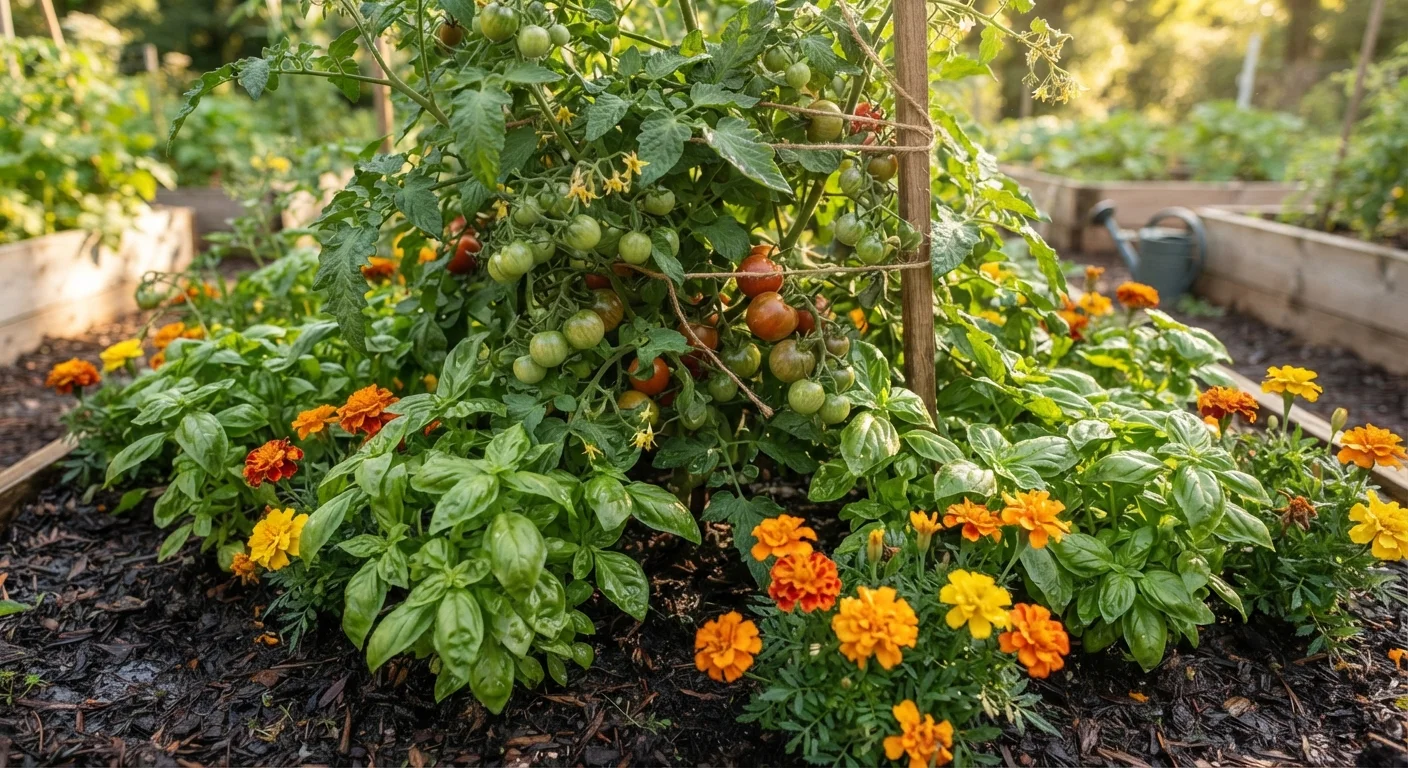
The basil-tomato pairing is one of the most repeated companion planting claims, but controlled studies have not consistently shown that basil repels aphids, hornworms, or other common tomato pests. Flavor improvement has even less evidentiary basis. That said, basil and tomatoes have similar sun and water requirements, making them efficient companions from a space-use standpoint. Basil flowers also attract pollinators, which benefits the broader garden - just don't expect it to function as a pest-control system on its own.
Myth
Any marigold planted near vegetables will protect them from pests.
Fact
Marigold effectiveness is highly variety- and context-dependent; French marigolds can suppress soil nematodes when planted densely, but general insect deterrence in mixed beds is not reliably proven.
Not all marigolds behave the same way. Tagetes patula (French marigold) has demonstrated nematode-suppressing properties in research settings - but this requires dense planting over a full growing season, not just a few plants scattered at bed edges. Whitefly deterrence claims are largely anecdotal. Marigolds are still worth growing for their pollinator value and ease of care, but treating them as a universal pest shield can lead to disappointment if other pest management practices are skipped.
Myth
The Three Sisters (corn, beans, squash) is a myth passed down through tradition and has no practical basis.
Fact
The Three Sisters is one of the best-supported companion planting systems, with each plant providing a documented functional benefit to the group.
This pairing has deep roots in Indigenous agricultural practice and is supported by the underlying science of each component: beans fix nitrogen through a symbiotic relationship with soil bacteria, benefiting nutrient-hungry corn; corn stalks provide physical support for climbing beans; and squash leaves shade the soil, reducing moisture loss and weed competition. While rigorous controlled trials on the exact combination are limited, the individual mechanisms are well understood, making the Three Sisters one of the most defensible companion planting strategies available to home gardeners.
Myth
Companion planting eliminates the need for other pest management or soil preparation.
Fact
Companion planting can support a garden system but is not a replacement for soil health, adequate spacing, watering, and integrated pest management.
One of the most common mistakes gardeners make is treating companion planting as a cure-all. Even the best-documented pairings work as enhancements to an otherwise well-managed garden, not substitutes for it. Healthy, well-structured soil - appropriate in pH, organic matter, and drainage - has a greater impact on plant health than any companion strategy. Pairing ground cover plants that suppress weeds with intentional companion choices is a more complete approach than relying on companions alone.
Myth
You can plant anything next to anything as long as both plants are 'beneficial.'
Fact
Even plants that are individually useful can compete with each other for light, water, or nutrients when planted too close together.
Beneficial properties don't cancel out competition for resources. Two nitrogen-hungry crops planted side by side will strain the same soil. Tall plants can shade out shorter companions that need full sun. Root systems can compete below the surface even when above-ground growth looks fine. Companion planting decisions should always account for mature plant size, root depth, and shared resource needs - not just theoretical compatibility. Consulting perennial and annual planning strategies can also help you think through long-term spatial competition in mixed beds.
Which Pairings Have Real Evidence Behind Them
A handful of companion planting combinations have been studied enough to offer gardeners reasonable confidence. The most documented is the Three Sisters - corn, beans, and squash - developed and refined by Indigenous farmers across North America. Corn provides a climbing structure for beans, beans fix atmospheric nitrogen into the soil, and squash leaves shade the ground to suppress weeds and retain moisture. Research into each mechanism separately supports the logic, even if controlled studies on the exact combination vary.
Marigolds (particularly Tagetes species) are another case where real evidence exists - but with important nuance. Certain varieties have been shown to reduce populations of root-knot nematodes when planted densely and left in the soil. Their use as a general-purpose insect repellent is less proven; proximity to crops alone doesn't guarantee pest reduction.
~90%
Nitrogen fixed by legume-bacteria symbiosis
Legumes like beans and clover can obtain up to 90% of their nitrogen needs from atmospheric fixation via root-associated bacteria, according to general plant biology research.
1 full season
Marigold planting duration for nematode suppression
Research on nematode management suggests French marigolds need to be grown densely for an entire growing season to meaningfully reduce soil nematode populations.
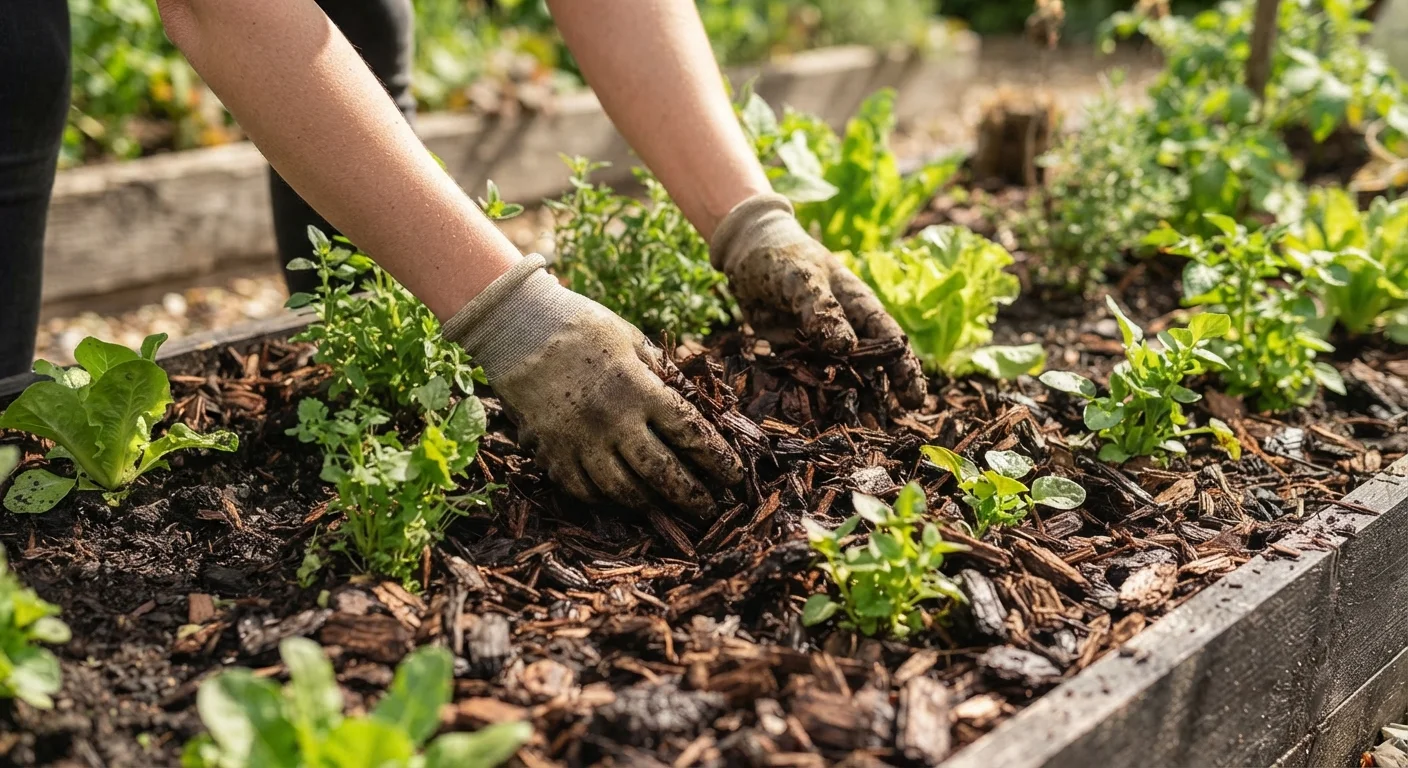
Legumes like clover and vetch as cover crops are well-supported for nitrogen fixation, improving soil health for subsequent plantings. This falls within the broader companion planting umbrella and is widely used in both home gardens and commercial agriculture. Pairing this with solid mulching practice can compound the benefit - see our guide to mulching garden beds correctly for how to layer these strategies effectively.
Common Pairings That May Undermine Your Garden
Not all companion plant wisdom is harmless - some pairings can actively compete for the same nutrients, water, or light. Fennel is frequently cited as a poor neighbor for almost everything: it releases allelopathic compounds (natural chemicals that can inhibit the growth of surrounding plants) and should generally be grown in isolation or at the edge of the garden.
Planting onions near beans or peas is another commonly repeated pairing to avoid. Both can struggle when grown in close proximity, potentially suppressing each other's growth. The mechanism isn't fully understood, but the pattern has been observed enough that most experienced gardeners keep them apart.
Fennel Can Harm Most Garden Neighbors
Fennel releases allelopathic compounds that can inhibit the germination and growth of nearby plants, including tomatoes, peppers, and most herbs. It is widely recommended to plant fennel in a container or at a significant distance from your main garden beds. If you're tight on space, consider leaving fennel out of a densely planted kitchen garden altogether.
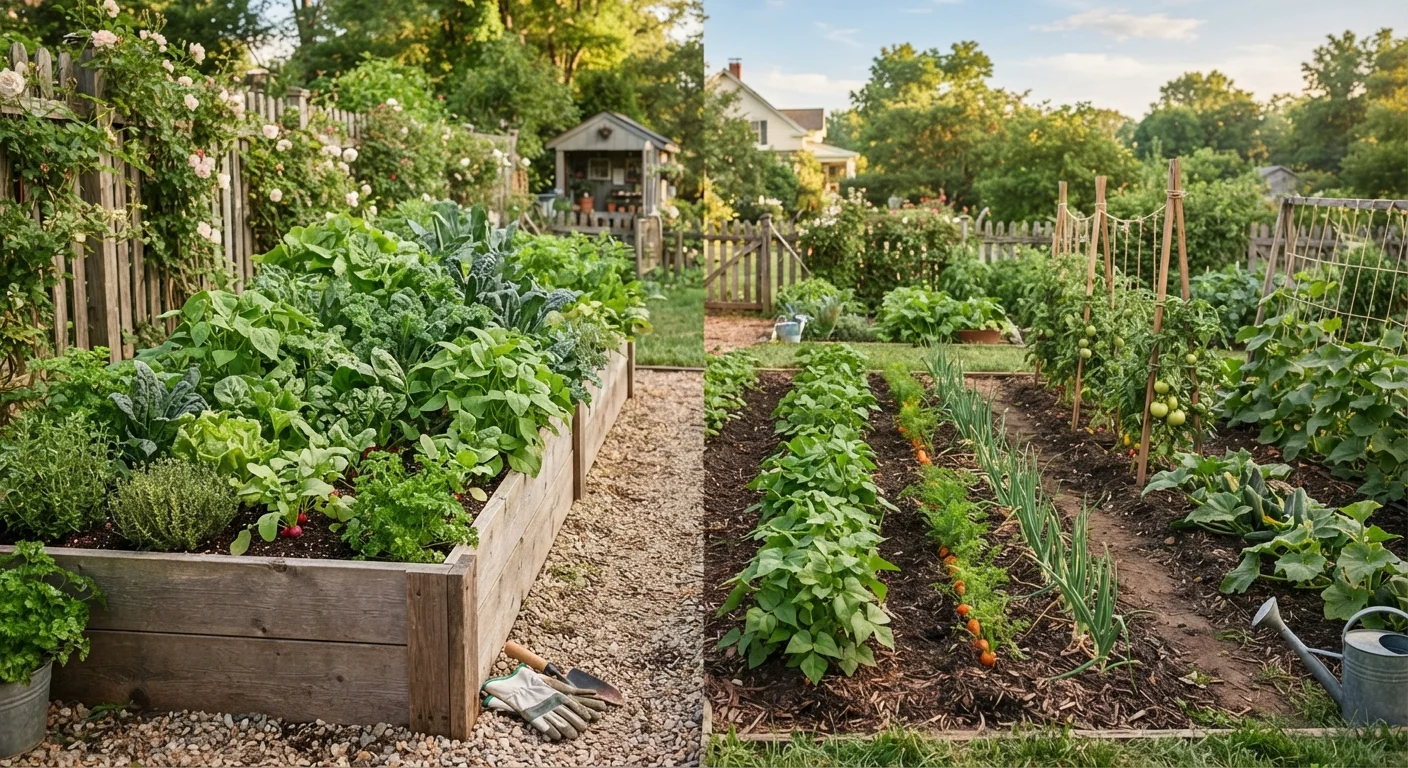
Even well-intentioned pairings can backfire if spacing isn't managed. Two plants that theoretically benefit each other can end up competing for light and root space if planted too close together. This is especially relevant in raised beds, where planting density is often higher - a trade-off worth understanding if you're weighing your setup options in our raised beds vs. in-ground planting comparison.
How to Apply Companion Planting Thoughtfully
The most practical approach for home gardeners is to treat companion planting as an informed experiment rather than a guaranteed system. Start with pairings that have reasonable evidence - the Three Sisters, legumes as soil builders, dense marigold plantings for nematode management - and track your results season to season. Your specific soil, climate, and pest pressure will shape outcomes more than any general guide can predict.
Keep a simple garden journal noting what you planted where, what pest or yield outcomes you observed, and what you'd change. Over time, this personal data becomes more useful than any folk remedy. If soil health is a recurring challenge, understanding pH and nutrient availability is a foundational step - our article on soil pH and plant health explains what's happening below the surface and how to address it. Companion planting works best as one layer of a broader, well-planned garden system - not as a shortcut around the basics.