
The Hidden Reason Fertilizer Isn't Helping
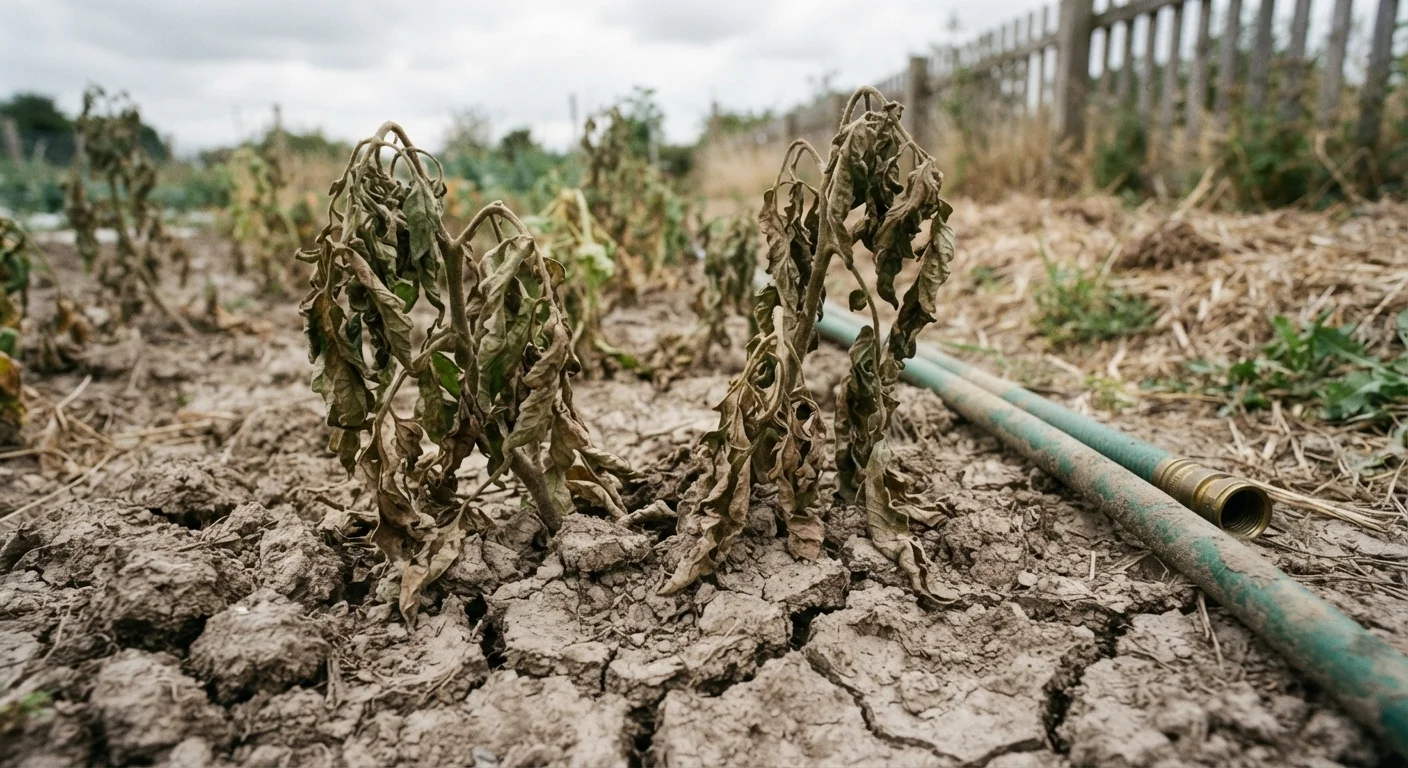
You've watered consistently, applied fertilizer on schedule, and still your plants look pale, stunted, or refuse to thrive. Before blaming nutrients or watering habits, consider what's happening beneath the surface: your soil's pH may be preventing plants from using the nutrients already there.
Soil pH acts like a gatekeeper. When the pH drifts too far from a plant's preferred range, essential minerals - iron, manganese, phosphorus, calcium - chemically bind to soil particles and become unavailable, no matter how generously you feed. This condition is sometimes called nutrient lockout, and it's one of the most common and overlooked causes of poor plant performance in home gardens.
pH 6.0-7.0
Optimal range for most garden vegetables
University cooperative extension programs consistently recommend this window for the broadest nutrient availability in typical garden soil.
10×
Acidity difference between each pH unit
The pH scale is logarithmic, meaning soil at pH 5 is ten times more acidic than soil at pH 6 - a small number difference represents a large chemical shift.
~6 weeks
Minimum wait before retesting after amendment
Soil amendments like lime or sulfur need time to react with soil particles; retesting too soon gives misleading results and can lead to over-application.
How pH Affects Nutrient Availability
The pH scale runs from 0 (extremely acidic) to 14 (extremely alkaline), with 7 as neutral. Each whole number represents a tenfold change - soil at pH 5 is ten times more acidic than soil at pH 6. For most vegetable gardens and mixed borders, a target range of 6.0-7.0 keeps the widest range of nutrients soluble and accessible.
Outside that window, specific problems emerge:
- Below pH 6.0: Phosphorus becomes less available; aluminum and manganese may reach toxic concentrations, inhibiting root growth.
- Above pH 7.5: Iron, zinc, and boron become locked out, causing interveinal chlorosis - a yellowing of leaf tissue between the veins that's often mistaken for a nitrogen deficiency.
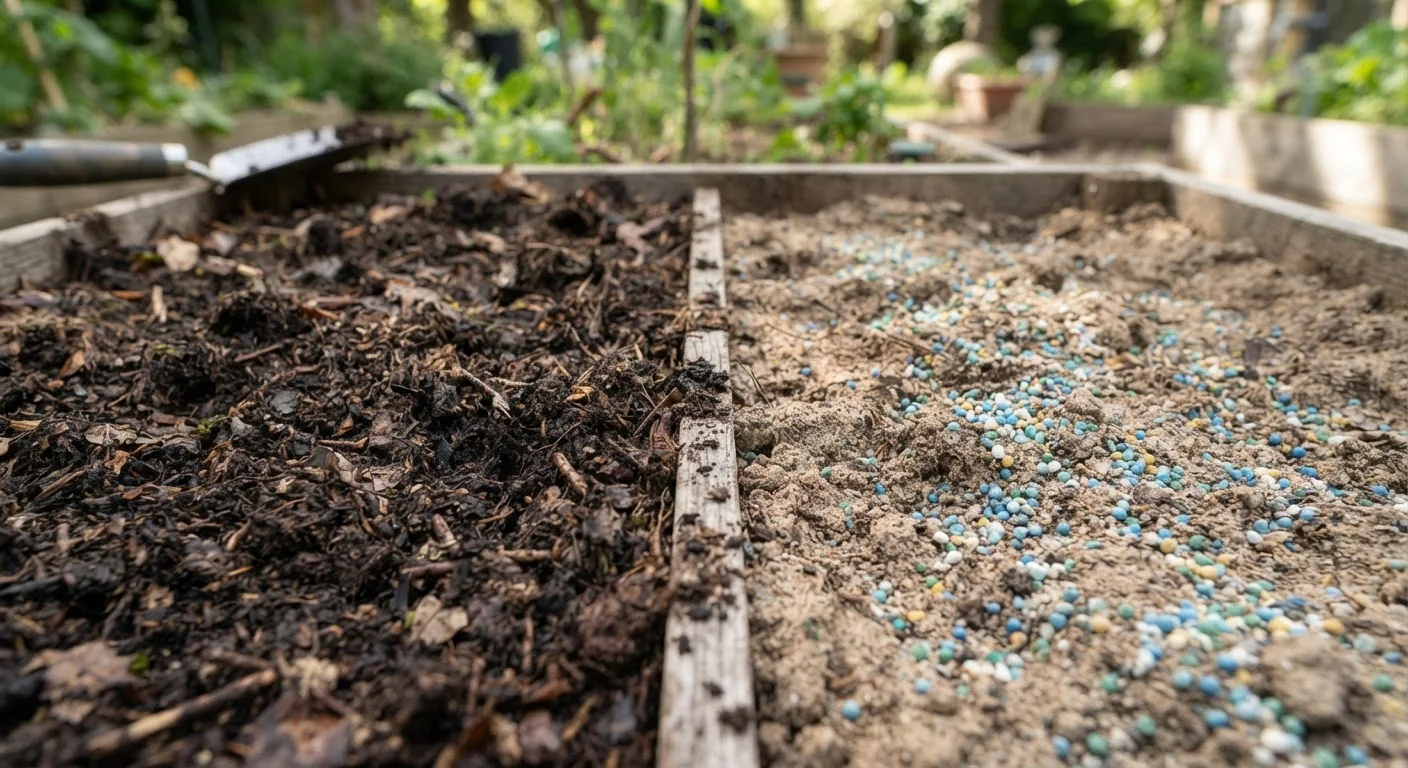
Soil microbes that break down organic matter and cycle nutrients also have pH preferences. Beneficial bacteria are most active near neutral, while fungi tolerate more acidic conditions. A pH imbalance doesn't just affect chemistry - it disrupts the soil biology your plants depend on. For more on how organic inputs interact with soil health, see our article on organic matter vs. synthetic fertiliser.
Testing Your Soil pH
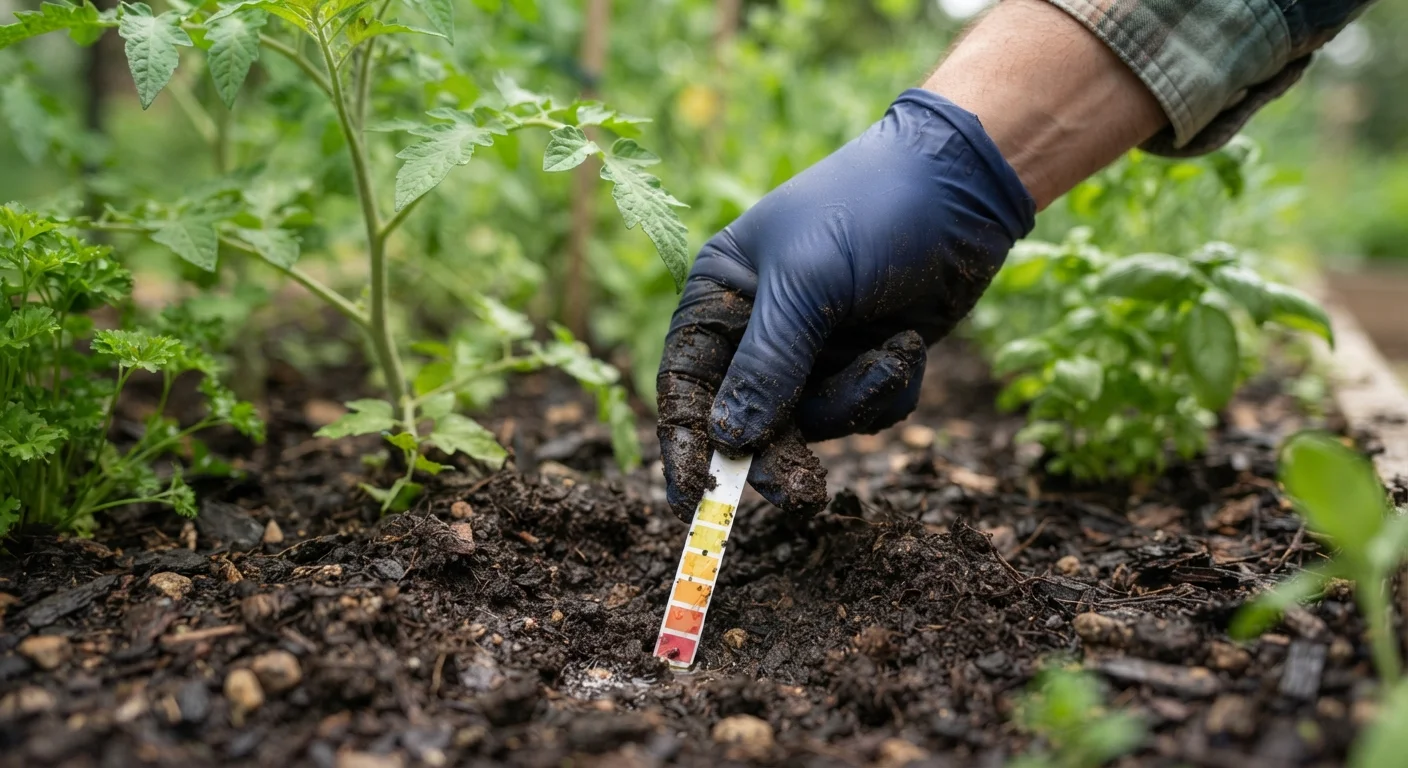
Testing is the essential first step - guessing pH is rarely useful because visual symptoms alone can't distinguish between a dozen possible causes. Fortunately, testing is simple and inexpensive.
Options include:
- Paper test strips or liquid kits - Available at most garden centers for a few dollars. Mix a soil sample with distilled water and compare the color result to a reference chart. Accuracy is sufficient for most home gardeners.
- Digital pH meters - Reusable probes inserted directly into moist soil. Results are faster and more precise, though periodic calibration with a buffer solution keeps readings reliable.
- Cooperative Extension testing - Many US land-grant university extension programs offer mail-in soil analysis that includes pH, organic matter, and nutrient levels. This is the most thorough option and often costs less than $20.
For the most representative result, collect small samples from several spots in the bed, mix them together, and test the combined sample. One corner of a bed can differ significantly from another.
Test Multiple Spots in Each Bed
Soil pH can vary surprisingly within a single garden bed, especially near pathways, concrete edging, or downspouts. Collecting samples from three to five different spots and blending them before testing gives you a much more accurate picture of the overall soil condition. Label samples by bed so you can track changes over time.
How to Adjust Soil pH
Once you know your current pH and your target range, adjustments are straightforward - though they require patience. Always retest after 6-8 weeks before applying additional amendments.
To raise pH (make soil less acidic):
Ground limestone (calcitic or dolomitic) is the standard amendment. Dolomitic lime also supplies magnesium, which benefits many soils. Apply according to your test results and soil type - clay soils require more amendment than sandy soils to shift the same number of pH points. Wood ash can also raise pH moderately but should be used sparingly.
To lower pH (make soil more acidic):
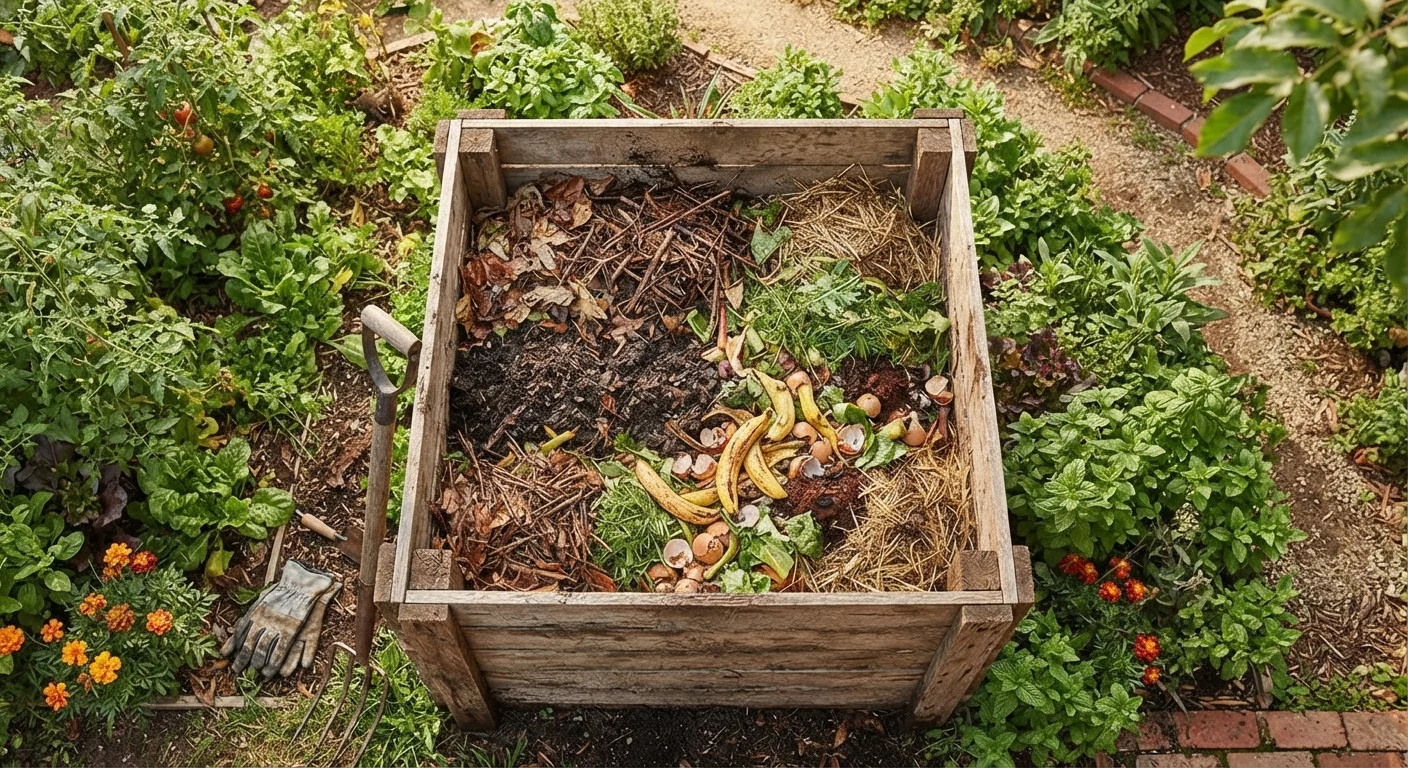
Elemental sulfur is the most reliable acidifier for long-term change; soil bacteria convert it to sulfuric acid over several weeks. For a quicker, milder effect, incorporating acidic organic matter such as composted pine bark or pine needle mulch gradually shifts pH downward. Adding homemade compost consistently over time also tends to buffer soil toward a more neutral range - see our guide on composting at home for how to build that resource.
Never apply large quantities of any amendment at once in hopes of faster results. Overcorrection is common and creates new imbalances that are harder to resolve.
Once your pH is in the right zone, consider which plants you're grouping together. Some gardeners find that companion planting strategies naturally group plants with similar pH needs, reducing the complexity of managing multiple soil zones.