
Why Watering Goes Wrong
Most gardeners who lose plants to watering problems aren't careless - they're following habits that seem logical but quietly work against plant health. Too much water, too little, at the wrong time, or delivered the wrong way: each of these mistakes compounds over days and weeks until damage becomes visible. By then, the root cause is often misdiagnosed.
Understanding what plants actually need - rather than what looks attentive - is the foundation of effective watering. If you're building your first garden, getting watering right from the start will save a lot of frustration. The mistakes below are among the most common reasons otherwise healthy-looking gardens underperform.
Watering on a fixed daily schedule regardless of actual soil moisture.
Why it happens: Set-and-forget routines feel responsible and structured, so gardeners assume consistency equals care. In reality, plant water needs vary with weather, season, and growth stage.
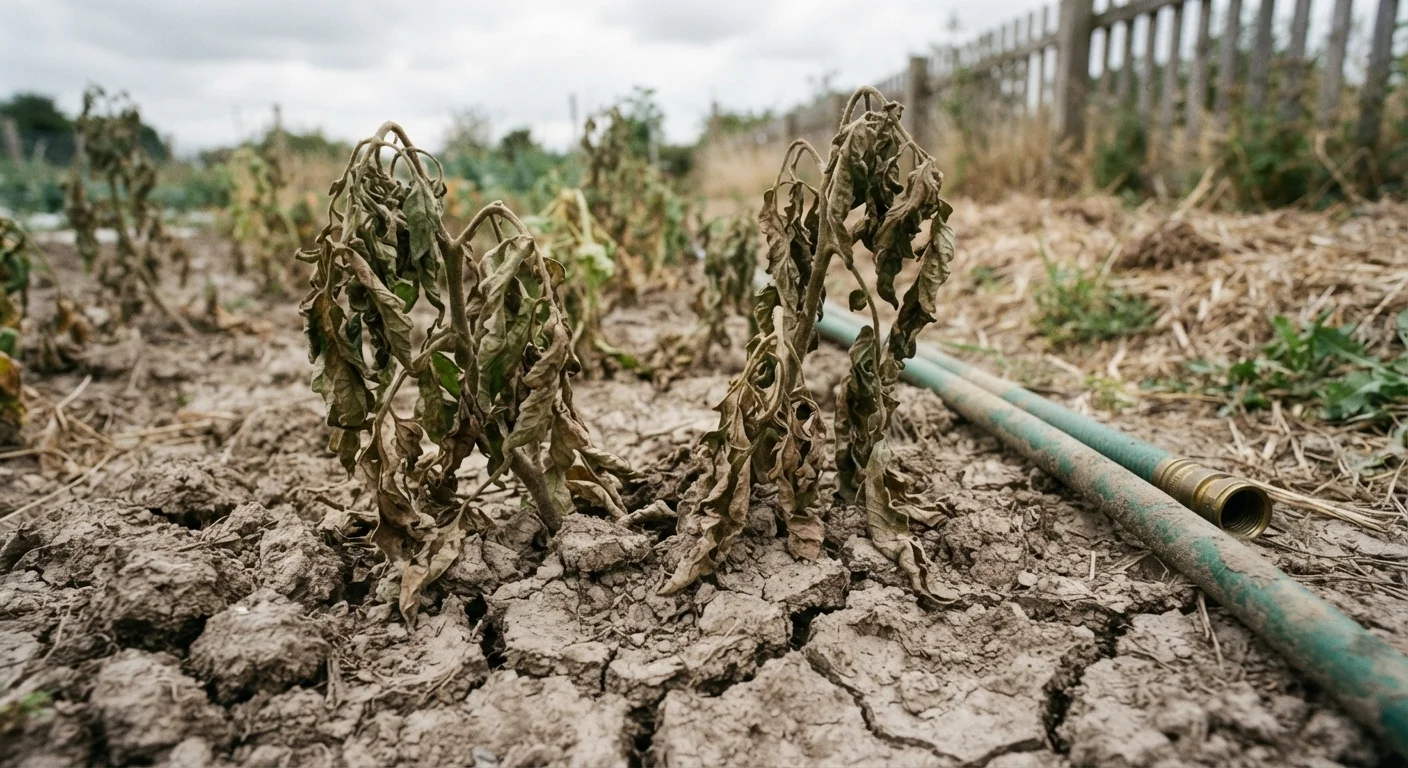
Overwatering, leaving roots sitting in consistently saturated soil.
Why it happens: Wilting is often misread as thirst, prompting more water even when the problem is poor drainage or already-waterlogged roots. The symptoms of overwatering and underwatering can look nearly identical.
Watering only at the surface, keeping moisture in the top inch of soil.
Why it happens: Short, frequent sprinkles feel intuitive - a little water daily seems gentle and attentive. But surface watering conditions roots to stay shallow, making plants more vulnerable to drought and heat.
Watering during the hottest part of the day, typically midday.
Why it happens: Many gardeners water whenever they have free time, without considering that midday heat dramatically increases evaporation before water reaches the roots.
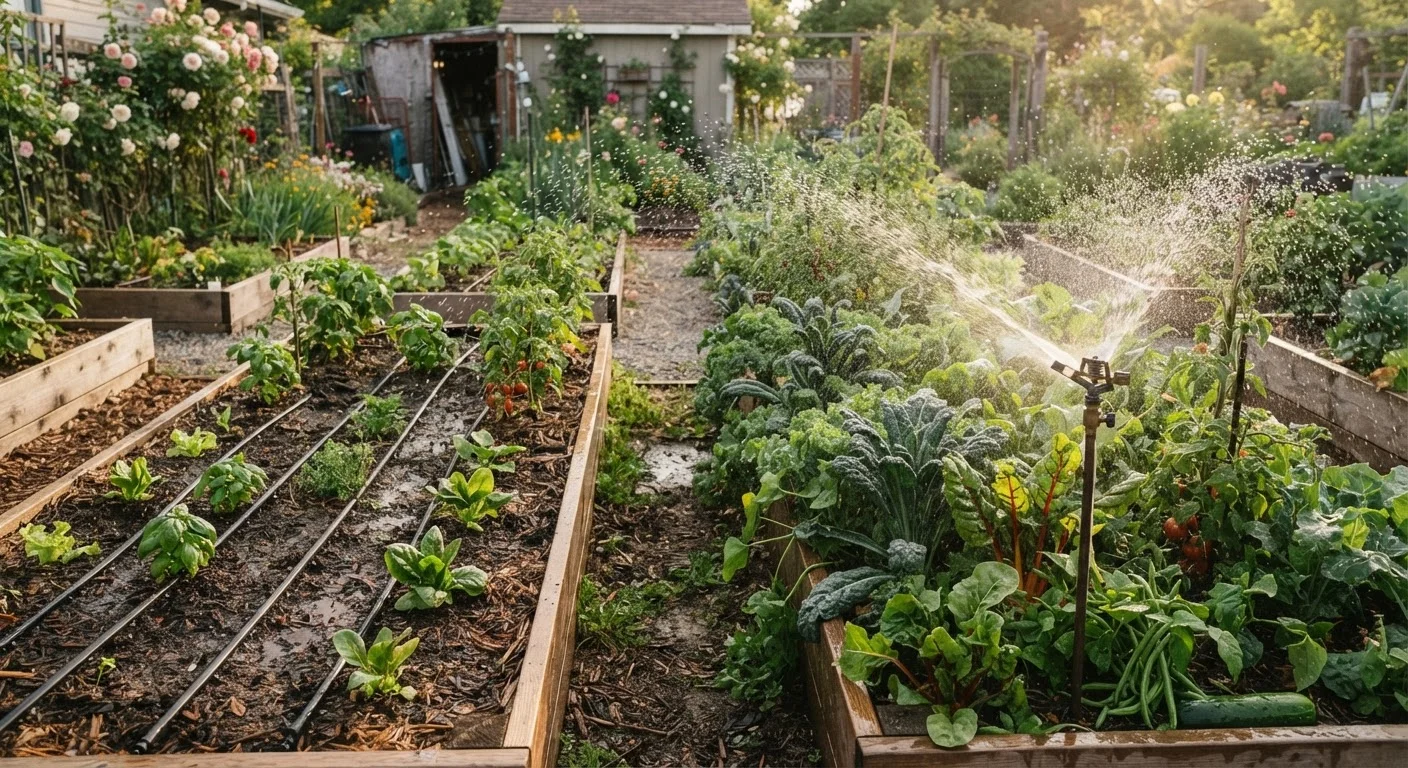
Using sprinklers or overhead watering methods for plants prone to foliar disease.
Why it happens: Sprinklers are convenient and widely available, so gardeners apply them uniformly across the garden without considering whether a plant's foliage benefits or suffers from regular wetting.
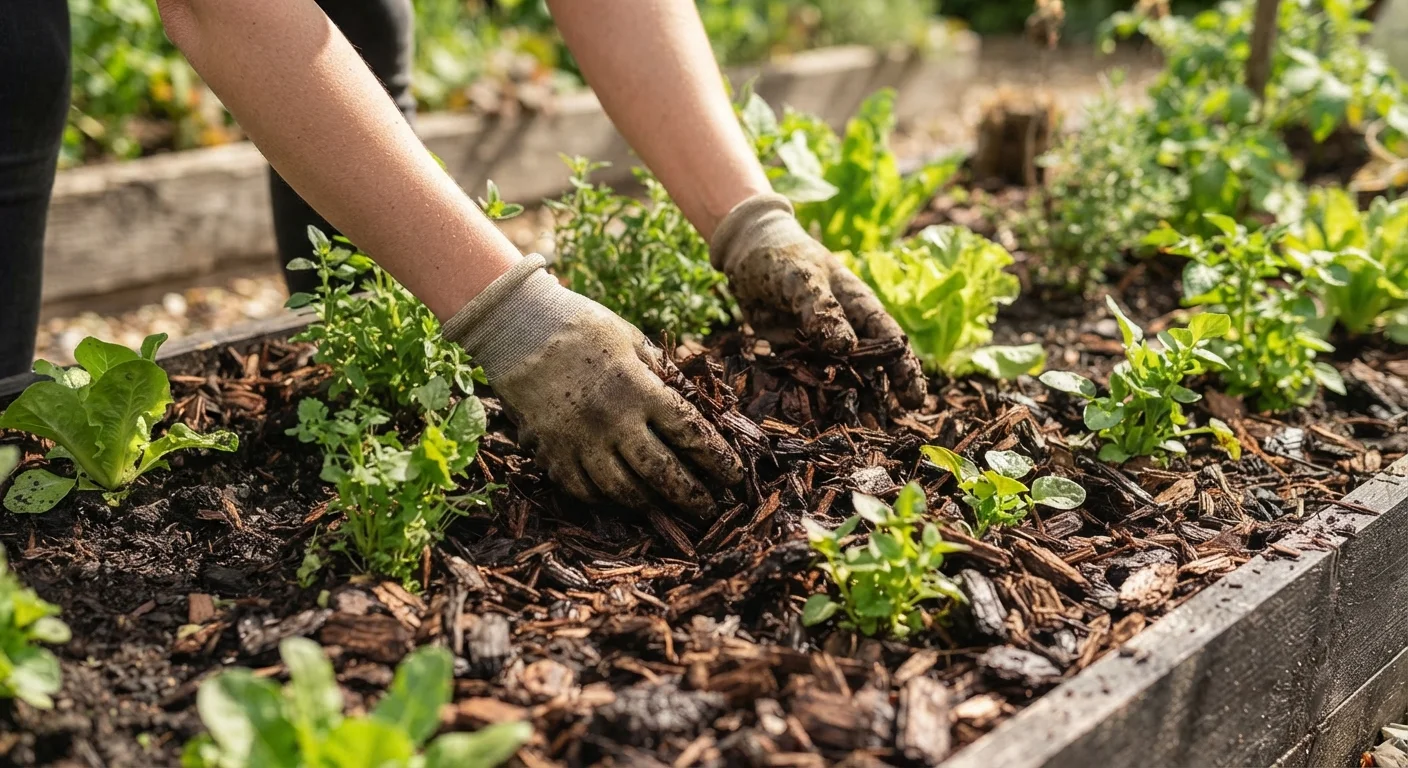
Ignoring mulch as part of a watering strategy.
Why it happens: Mulching is often thought of as purely aesthetic or weed-related, so its role in moisture retention gets overlooked - leading to more frequent watering than a bed actually needs.
Building Better Watering Habits
Correcting watering habits isn't about buying new equipment or following a more complex routine - it's about shifting from a time-based mindset to a soil-based one. Plants don't need water on Tuesday; they need water when their root zone is dry.
~50%
Water lost to evaporation from midday irrigation
Irrigation specialists generally estimate that watering during peak afternoon heat can lose roughly half of applied water before it reaches plant roots.
2-3 inches
Mulch depth that meaningfully reduces soil water loss
University extension programs across the US consistently recommend this mulch layer to reduce irrigation needs and moderate soil temperature.
A few practical adjustments make a significant difference. Use a moisture meter or the finger-test method to guide timing. Group plants with similar water needs together so one schedule serves them all. Incorporate mulch as a first line of defense against moisture loss. And when in doubt, underwater slightly rather than over - most established garden plants tolerate a dry day better than another round of saturated soil.
Watering is also worth revisiting as seasons change. A seasonal maintenance calendar can help you adjust watering alongside other garden tasks throughout the year. Getting this one habit right reduces the need for intervention across the board - fewer wilted plants, fewer fungal problems, and a more resilient garden overall.